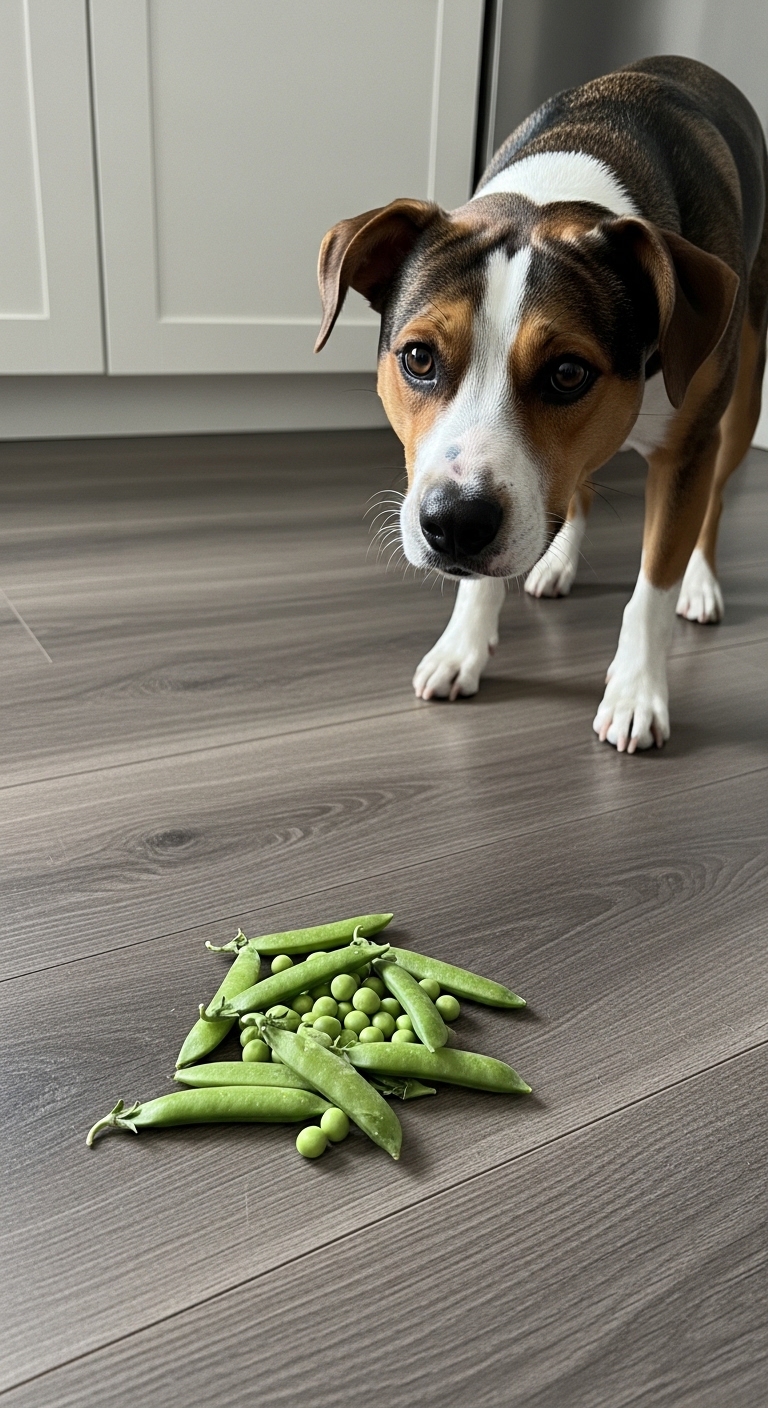
Many pet owners wonder if yogurt is good for dogs when looking for healthy treats or supplements for their furry friends. Plain, unsweetened yogurt can be a great occasional snack for dogs, offering probiotics for gut health and a boost of protein and calcium. But not all yogurts are safe: some contain ingredients like xylitol or artificial sweeteners that are toxic to dogs. The key is choosing the right kind and serving it in moderation to avoid digestive upset.
I remember when I first gave my dog a spoonful of plain yogurt: her tail wagged like crazy, and I realized how much she loved it. But it took me a while to learn that not all yogurts are created equal, and some can actually be dangerous.
Key Things to Understand
- Plain, unsweetened yogurt with live and active cultures is the safest choice for dogs: it supports digestion and provides beneficial bacteria
- Xylitol, a common sweetener in flavored yogurts, is extremely toxic to dogs: it can cause rapid insulin release leading to hypoglycemia
- Full-fat yogurt should be given sparingly: to avoid weight gain, while non-fat options may lack essential nutrients dogs need
- Dogs with lactose intolerance may experience diarrhea or stomach upset: even from plain yogurt, so it’s best to introduce it slowly
- Always check the ingredient list: for additives, artificial sweeteners, or fruit flavors that could be harmful
What to Look For
When selecting yogurt for your dog, the first thing to check is the ingredient list. It should contain only milk and live cultures: no added sugars, artificial sweeteners, or flavorings. Plain Greek yogurt is often a good option because it’s thicker and contains more protein, but it’s also higher in fat, so portion control matters. If your dog has never had yogurt before, start with a small amount, like a teaspoon, and watch for any signs of digestive upset such as loose stools or vomiting. Some dogs tolerate yogurt well, while others may show discomfort, so it’s important to observe their reaction closely. If you notice any adverse effects, it’s best to discontinue use and consult your vet.
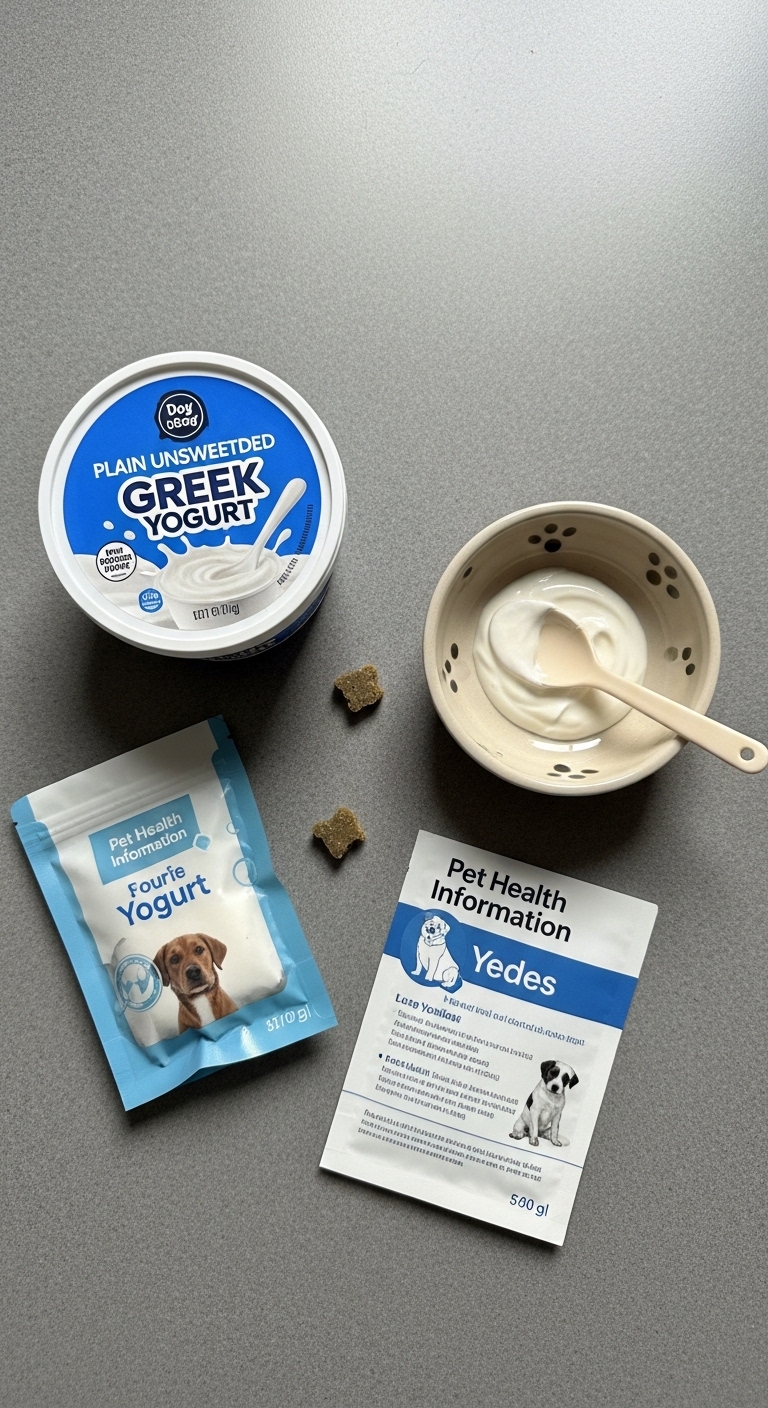
I once made the mistake of giving my neighbor’s dog a large spoonful of strawberry yogurt from the fridge, only to find out later it contained xylitol. Thankfully, they caught it in time, but it was a harsh lesson about always reading labels carefully. Even small amounts of the wrong ingredient can have serious consequences.
Feeding Yogurt to Your Dog
If you decide to give your dog yogurt, start with plain, unsweetened varieties and introduce it slowly. A good rule of thumb is to offer no more than one to two teaspoons per day for small dogs and up to two tablespoons for larger breeds. Mixing yogurt with their regular food can make it more appealing, especially for picky eaters. Avoid giving yogurt as a treat right before or after exercise to prevent bloat, a condition where the stomach fills with gas and twists. If your dog has a sensitive stomach or a history of digestive issues, it’s wise to consult your vet before adding yogurt to their diet.
Signs Your Dog Shouldn’t Have Yogurt
If your dog shows signs of lactose intolerance such as diarrhea, gas, or bloating after eating yogurt, it’s best to avoid it in the future. Some dogs may also develop skin irritations or ear infections due to dairy sensitivity. Watch for excessive scratching, redness, or frequent ear infections, as these could indicate an allergy. If you notice any of these symptoms, switch to a dairy-free alternative or eliminate yogurt from their diet entirely.
Alternatives to Yogurt for Dogs
If your dog can’t tolerate yogurt, there are other ways to provide probiotics and calcium. Plain kefir, a fermented milk drink, is often easier to digest and contains more probiotics than yogurt. You can also look for dog-specific probiotic supplements that come in tasty chews or powders. Another option is pumpkin puree, which supports digestion and can be mixed into their food. Always introduce new foods gradually to avoid upsetting their stomach.
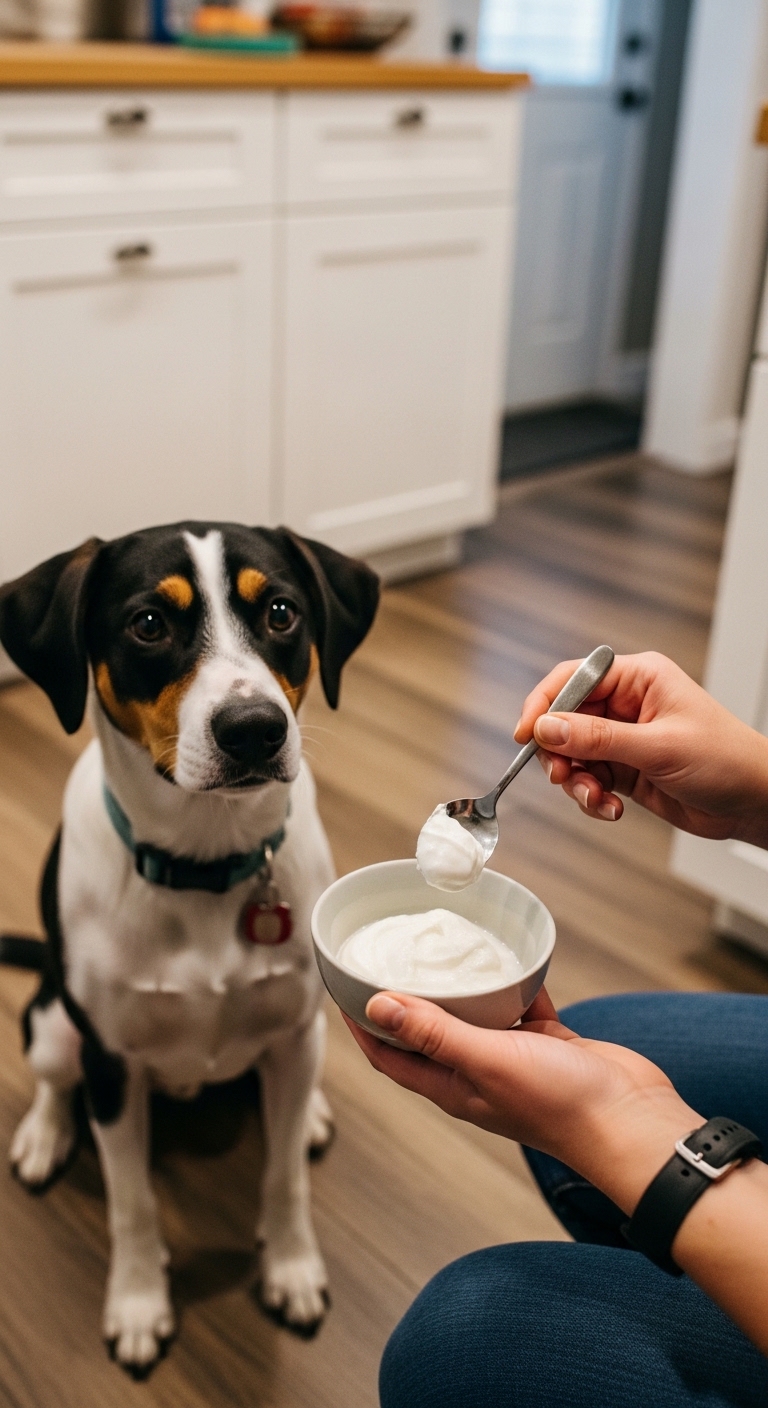
Yogurt can be a healthy addition to your dog’s diet if chosen carefully and served in moderation. Always prioritize safety and consult your vet if unsure.
Frequently Asked Questions
- → Can dogs eat yogurt safely?
Yes, dogs can eat yogurt safely in moderation. Plain, unsweetened yogurt with live cultures is the best option. Avoid yogurts with artificial sweeteners, added sugars, or flavors, as these can be harmful to dogs.
- → What are the benefits of yogurt for dogs?
Yogurt provides probiotics for gut health, calcium for strong bones, and protein for muscle maintenance. It can also help with digestion and boost the immune system when given in appropriate amounts.
- → How much yogurt can I give my dog?
Start with small amounts, such as a teaspoon for small dogs or a tablespoon for larger breeds. Too much yogurt can cause digestive upset due to lactose. Always introduce it gradually and monitor your dog's reaction.
- → What type of yogurt is best for dogs?
Plain, unsweetened yogurt with live and active cultures is ideal. Avoid flavored yogurts, those with artificial sweeteners like xylitol, and any yogurt containing added sugars or fruits, as these can be toxic to dogs.
- → Can yogurt help with my dog's digestion?
Yes, yogurt contains probiotics that can support a healthy gut microbiome and improve digestion. It may help with occasional digestive issues, but always introduce it slowly to avoid upsetting your dog's stomach.
- → Are there any risks of feeding yogurt to dogs?
The main risk is lactose intolerance, which can cause diarrhea or vomiting. Some dogs may also be allergic to dairy. Always start with a small amount and watch for adverse reactions. Avoid yogurts with harmful additives like xylitol.