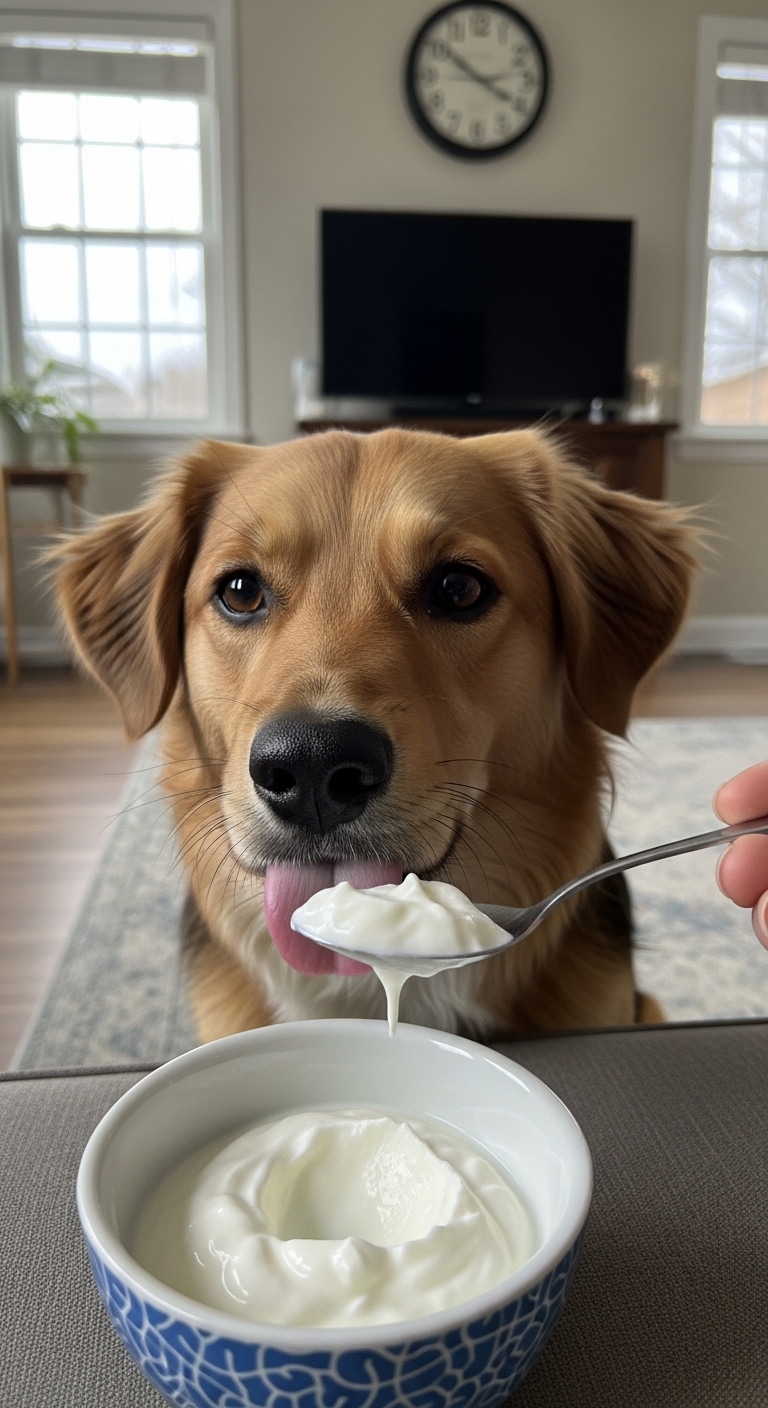
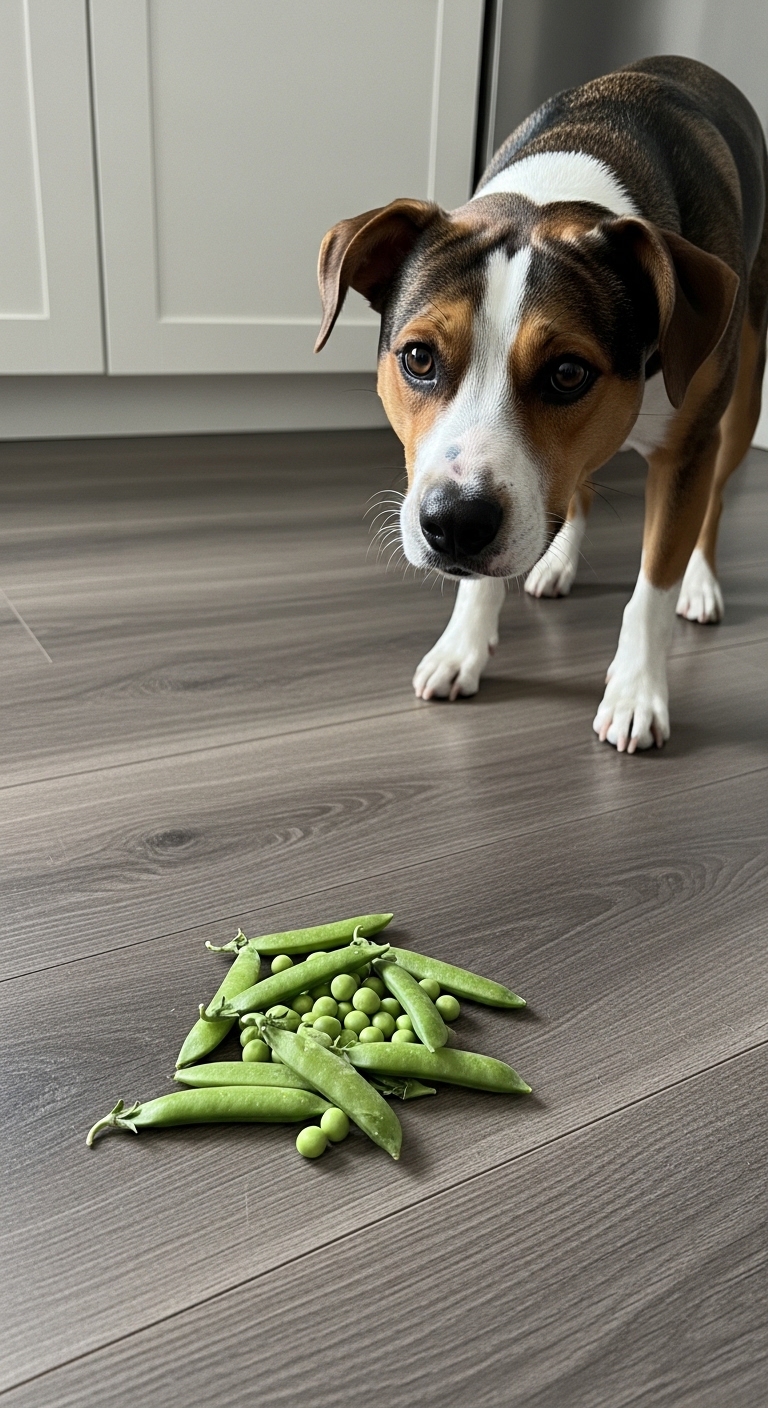
Eggs can be a great occasional treat for dogs, but there are a few important things to keep in mind before sharing your breakfast with your pup. Many pet owners wonder if eggs are safe for dogs, and the answer isn’t as simple as yes or no. Whether you’re considering scrambled eggs, boiled eggs, or even raw eggs, understanding the benefits and risks can help you make the best choice for your dog’s health.
I still remember the first time I gave my dog a small piece of scrambled egg: he loved it so much that he stared at me for the rest of the morning, hoping for more.
Key Things to Understand
- Cooking is essential: Eggs should always be fully cooked before feeding them to your dog. Raw eggs can carry bacteria like salmonella, which poses a risk to both your dog and your household.
- Avoid additives: Do not add any seasoning, salt, or butter when preparing eggs for your dog, as these can be harmful.
- Moderate yolk intake: The yolk is safe in moderation, but too much can lead to weight gain due to its high fat content.
- Start small: Begin with small amounts to see how your dog reacts before making eggs a regular part of their diet.
- Consult your vet: If your dog has pre-existing health conditions like pancreatitis, check with your vet before introducing eggs.
What to Look For
When introducing eggs to your dog’s diet, pay attention to how they respond after eating. Some dogs may have an upset stomach or develop diarrhea if they’re not used to rich foods like eggs. Watch for signs of allergies, such as itching, redness, or excessive licking, especially if it’s their first time trying eggs. If your dog shows any of these symptoms, stop feeding eggs and consult your vet. Also, observe their energy levels and coat condition: healthy fats from eggs can improve skin and fur, but overfeeding might lead to weight gain.
I once met a dog owner who fed their pup raw eggs daily, only to later discover the dog had developed a bacterial infection. It’s a reminder that even healthy foods need to be prepared and served correctly.
Feeding Eggs Safely
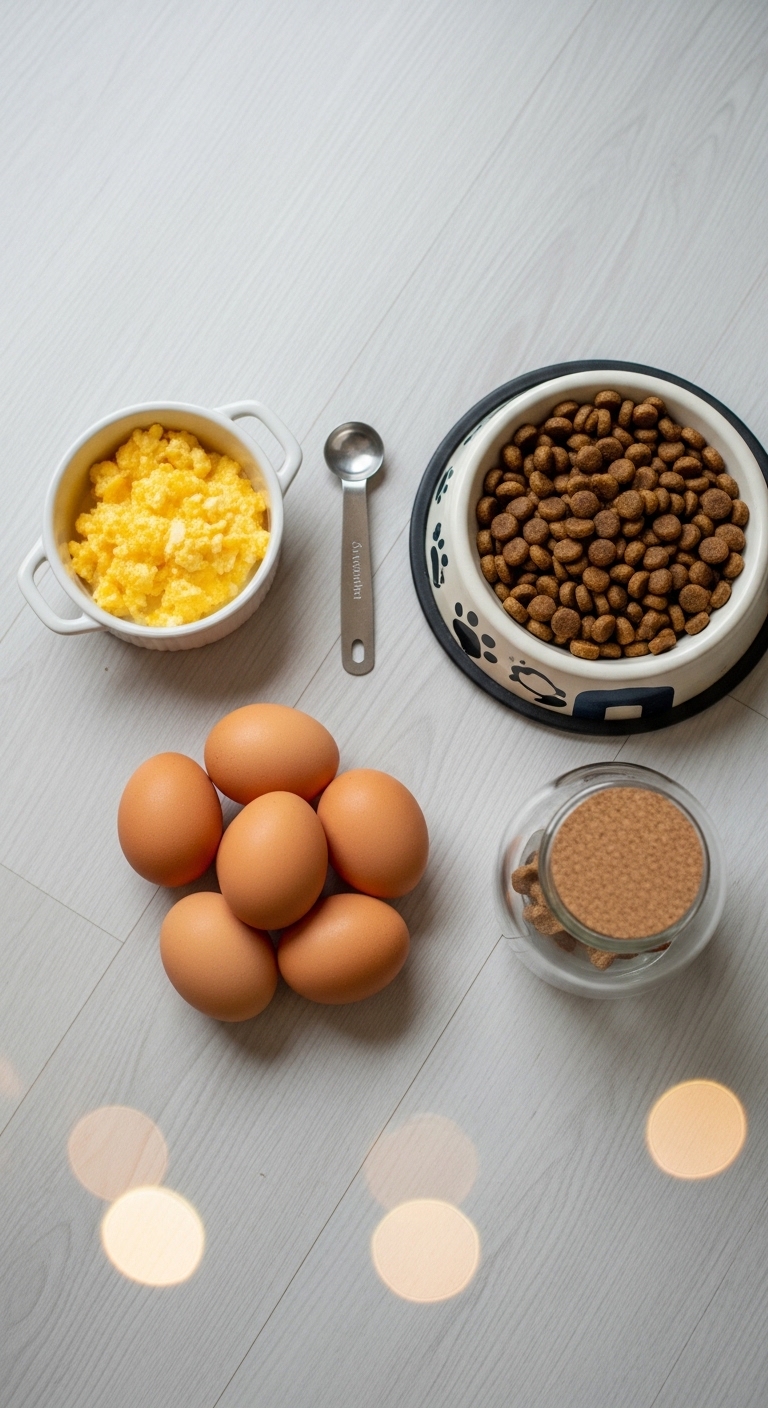
If you’re unsure about how to prepare eggs for your dog, boiling is one of the safest methods. Boiled eggs are easy to digest and don’t require any added fats or seasonings. Scrambled eggs can also work, but make sure they’re cooked without oil or butter. Avoid feeding eggs that have been cooked with onions, garlic, or other spices, as these ingredients are toxic to dogs. If your dog is a picky eater, mixing a small amount of plain scrambled egg into their regular food can encourage them to finish their meal.
Eggs as a Training Treat
Because eggs are soft and easy to break into small pieces, they can be a great high-value treat for training. Cutting a boiled egg into tiny, bite-sized pieces allows you to reward your dog during training sessions without overfeeding. Just remember to account for these extra calories in their daily food intake to avoid weight gain. If your dog isn’t food-motivated, eggs might not be the best choice for training, as some dogs prefer crunchy or chewy treats instead.
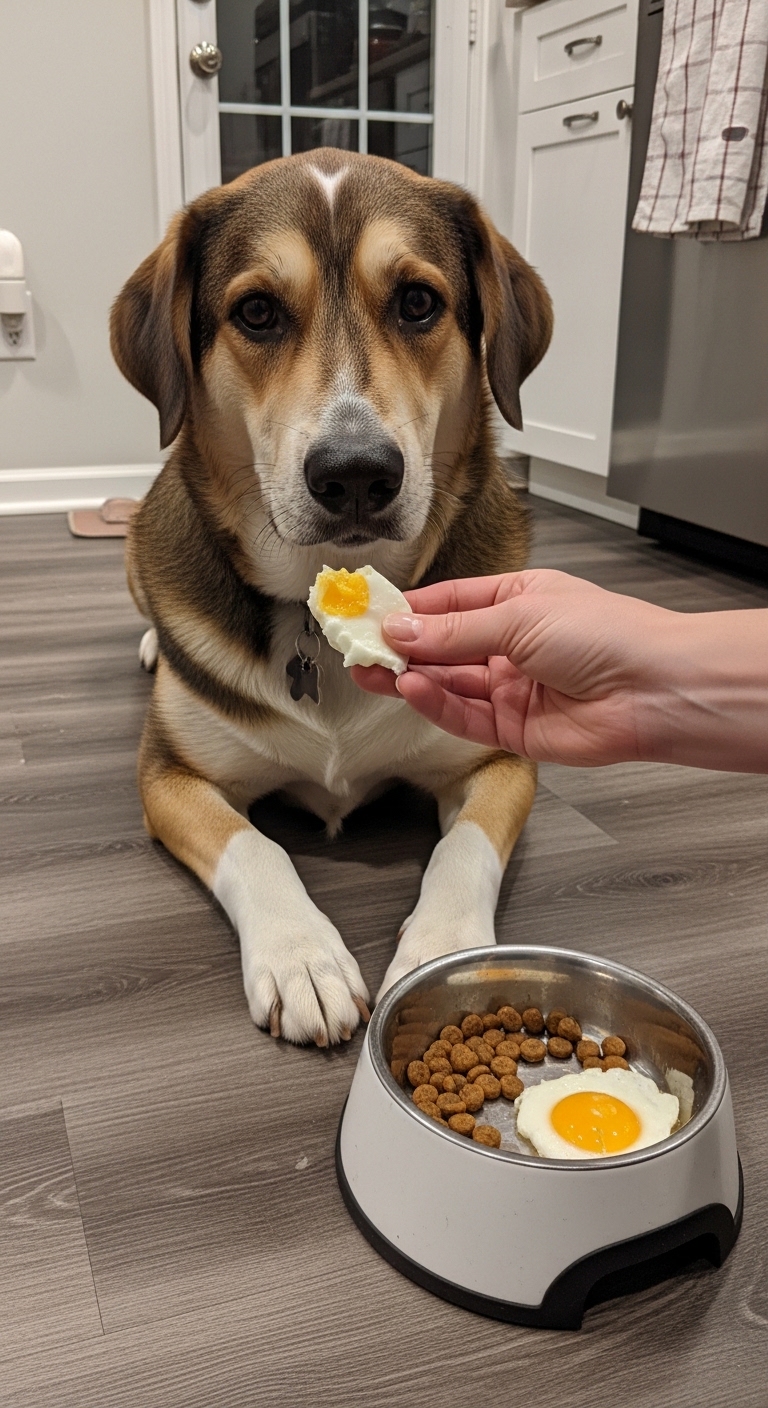
Eggs can be a nutritious addition to your dog’s diet when fed responsibly. Always prioritize safety and moderation.
Frequently Asked Questions
- → Can dogs eat raw eggs?
It’s not recommended. Raw eggs may contain salmonella or E. coli, which can cause food poisoning in dogs. Cooking eggs thoroughly kills harmful bacteria and makes them safer to eat.
- → How often can I give my dog eggs?
Eggs should be an occasional treat, not a daily food. For a medium-sized dog, one cooked egg per week is a safe amount. Adjust based on your dog’s size and dietary needs.
- → Are eggs good for dogs with allergies?
Eggs are a common allergen for some dogs, so introduce them slowly. If your dog shows signs of itching, digestive issues, or skin irritation, stop feeding eggs and consult your vet.
- → Can puppies eat eggs?
Yes, puppies can eat cooked eggs in moderation. Eggs provide protein and healthy fats essential for growth. Ensure the eggs are plain and fully cooked to avoid digestive upset.
- → What’s the best way to prepare eggs for dogs?
Boiled or scrambled eggs without any oil, butter, salt, or seasoning are best. Avoid frying or adding ingredients like cheese or onions, which can be harmful.
- → Do eggs help with my dog’s coat?
Yes! Eggs are rich in omega-3 fatty acids and biotin, which promote a shiny, healthy coat and reduce skin irritation. Regular, moderate egg consumption can improve your dog’s skin and fur health.