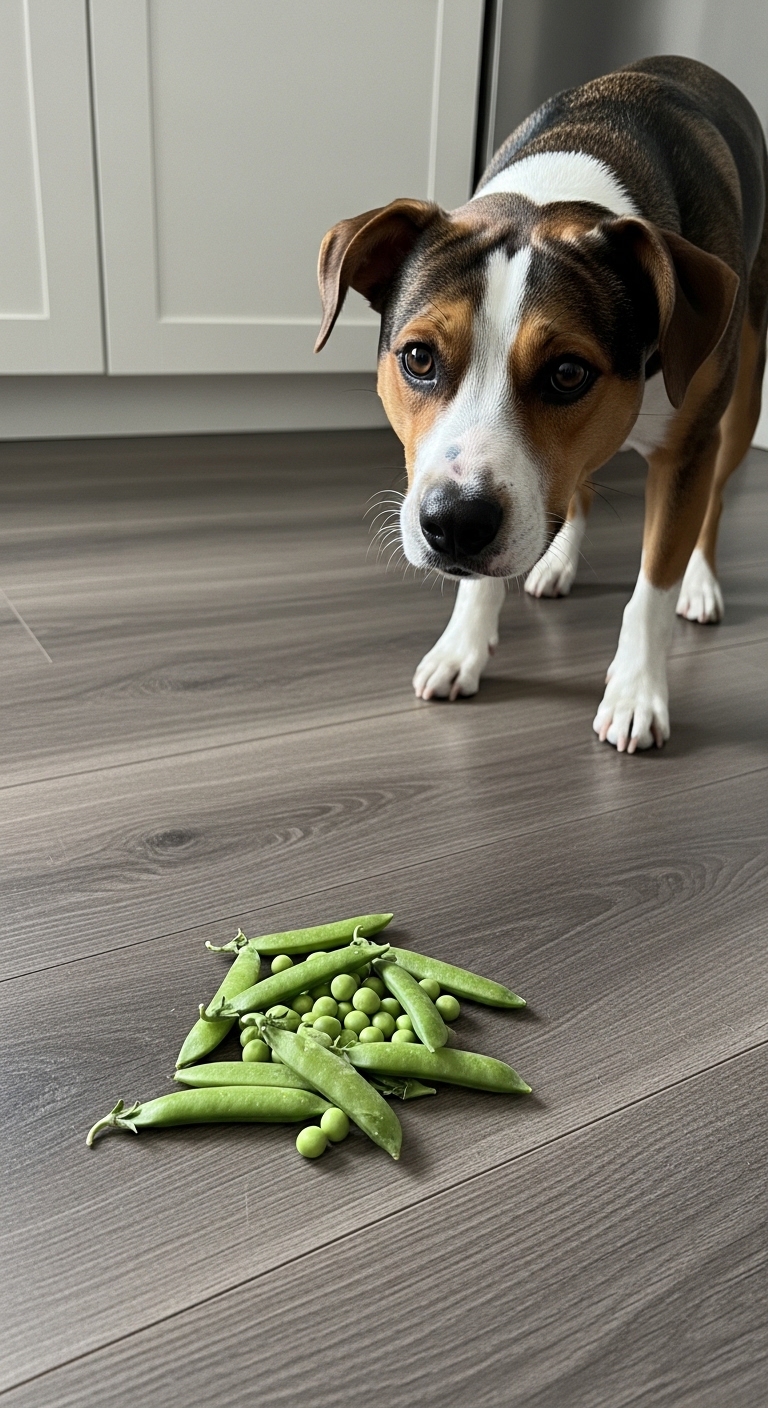
Can dogs eat apple? It’s a question many pet owners ask when looking for healthy treats to share with their furry friends. Apples are a common fruit in households, and their crunchy texture and sweet taste make them appealing to dogs. But before you toss a slice to your pup, it’s important to know the facts. Not all parts of the apple are safe, and some dogs may have trouble digesting it. Understanding the right way to serve apples can make them a great occasional snack for your dog.
I remember once giving my neighbor’s dog a whole apple core by accident, luckily, they caught it in time. That’s why it’s so important to double-check before sharing any human food with pets.
Key Things to Understand
- Apples are safe for dogs in moderation: but should not be a main food source
- The flesh of the apple is the safest part: to give your dog
- Apple seeds contain cyanide: which is toxic in large amounts
- The core and stems can pose a choking hazard: or cause digestive blockages
- Too much apple can lead to stomach upset: due to the natural sugars
What to Look For
When offering apples to your dog, focus on the ripe, fresh fruit without any signs of mold or spoilage. The flesh should be firm and free of bruises, as soft or discolored spots can indicate it’s past its best. Always remove the core and seeds before serving, as these parts can be dangerous. If your dog has never eaten apple before, start with a small piece to see how they react. Watch for any signs of digestive upset, like vomiting or diarrhea, which could mean the fruit doesn’t agree with them. For smaller dogs, cut the apple into tiny, bite-sized pieces to prevent choking.
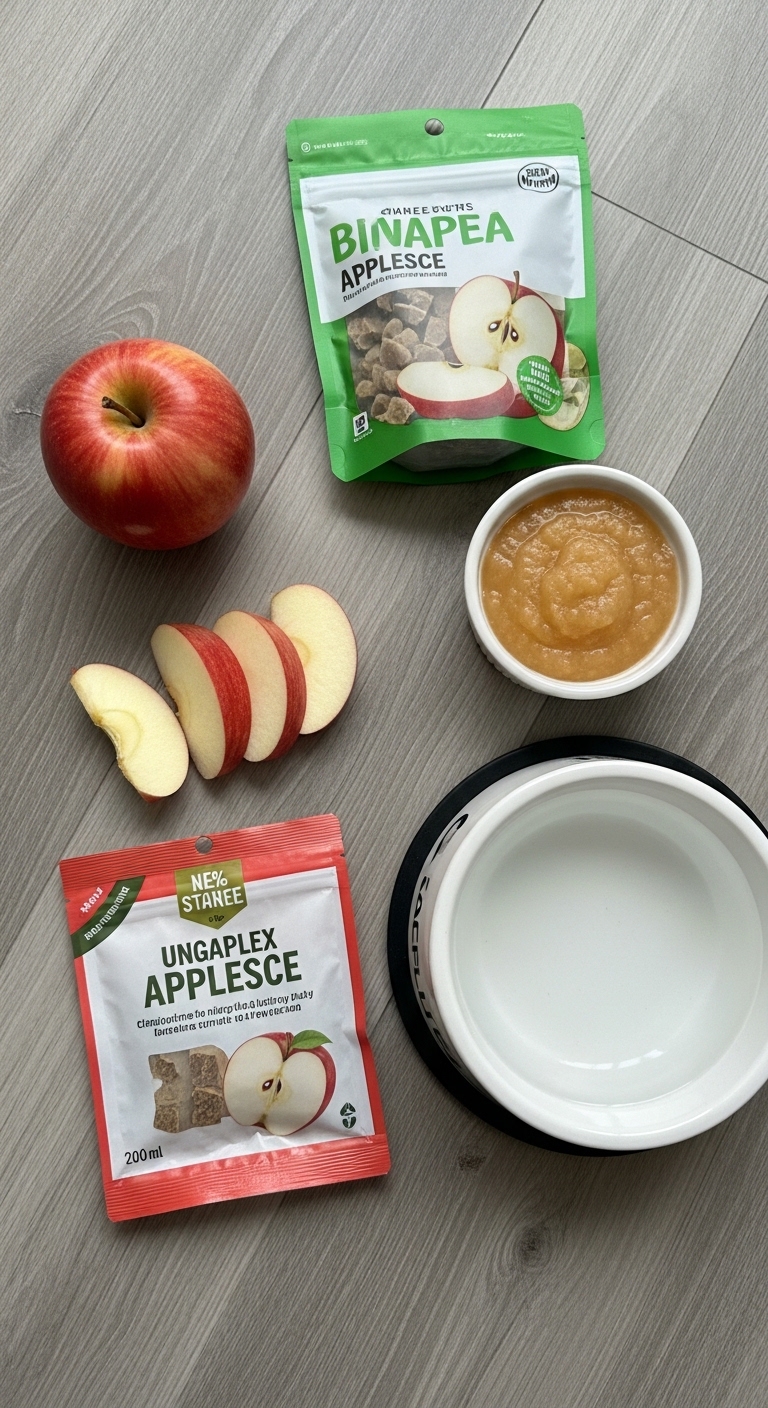
A common mistake is assuming all fruits are safe for dogs just because apples seem harmless. Another oversight is not washing the apple first, which could leave pesticide residue on the skin. Always wash the fruit thoroughly before serving.
Daily care habits
Incorporating apple into your dog’s routine can be a fun way to add variety to their treats. Try freezing apple slices for a refreshing snack on hot days or mixing small pieces into their regular food for extra flavor. If your dog is new to apples, introduce it gradually to avoid any digestive surprises. Keep an eye on their reaction, especially if they have a sensitive stomach.
Choosing the right product
If you’re buying apples specifically for your dog, opt for organic varieties when possible to reduce pesticide exposure. Look for firm, unblemished apples with a bright color, as these are usually the freshest. Avoid apples that feel soft or have a strong odor, as they may be spoiled. For convenience, pre-sliced apple treats made for dogs can be a good option, but always check the ingredients for any additives.
Safety and comfort
Always supervise your dog when they’re eating apple to ensure they chew it properly and don’t choke. If your dog is a fast eater, consider mashing the apple or mixing it with their kibble to slow them down. For dogs with dental issues, softer fruits like banana might be a better alternative. If you notice any unusual behavior after eating apple, like lethargy or vomiting, contact your vet immediately.
Cleaning and hygiene
Wash apples thoroughly under running water to remove dirt and pesticides before serving. If you’re using apple slices as training treats, store them in an airtight container in the fridge for up to three days. For longer storage, freeze the slices in a single layer before transferring them to a freezer bag. This prevents them from sticking together and makes it easy to grab a few at a time.

Always prioritize your dog’s safety and consult your vet if unsure. Apples can be a healthy treat when given correctly.
Frequently Asked Questions
- → Can dogs eat apple cores?
No, dogs should not eat apple cores. The core contains seeds that release cyanide when chewed, which is toxic to dogs. Additionally, the core can pose a choking hazard or cause intestinal blockages.
- → How much apple can I give my dog?
The amount depends on your dog’s size. For small dogs, 1-2 slices are enough, while larger dogs can have up to 4-5 slices. Always introduce apples gradually to avoid digestive issues.
- → Are apples good for dogs with diabetes?
Apples contain natural sugars, so they should be given in moderation to dogs with diabetes. Consult your vet to determine appropriate portion sizes based on your dog’s dietary needs.
- → Can puppies eat apples?
Yes, puppies can eat apples in small amounts as a healthy treat. Ensure the apples are peeled, seeded, and cut into tiny pieces to prevent choking. Always supervise your puppy while they eat apples for the first time.
- → What are the benefits of apples for dogs?
Apples provide fiber for digestive health, vitamins A and C for immune support, and antioxidants for overall wellness. They are also low in calories, making them a great snack for weight management.
- → Can dogs eat apple skin?
Yes, dogs can eat apple skin as it is rich in fiber and nutrients. However, make sure to wash the apple thoroughly to remove pesticides or dirt. Avoid feeding apples treated with chemicals.