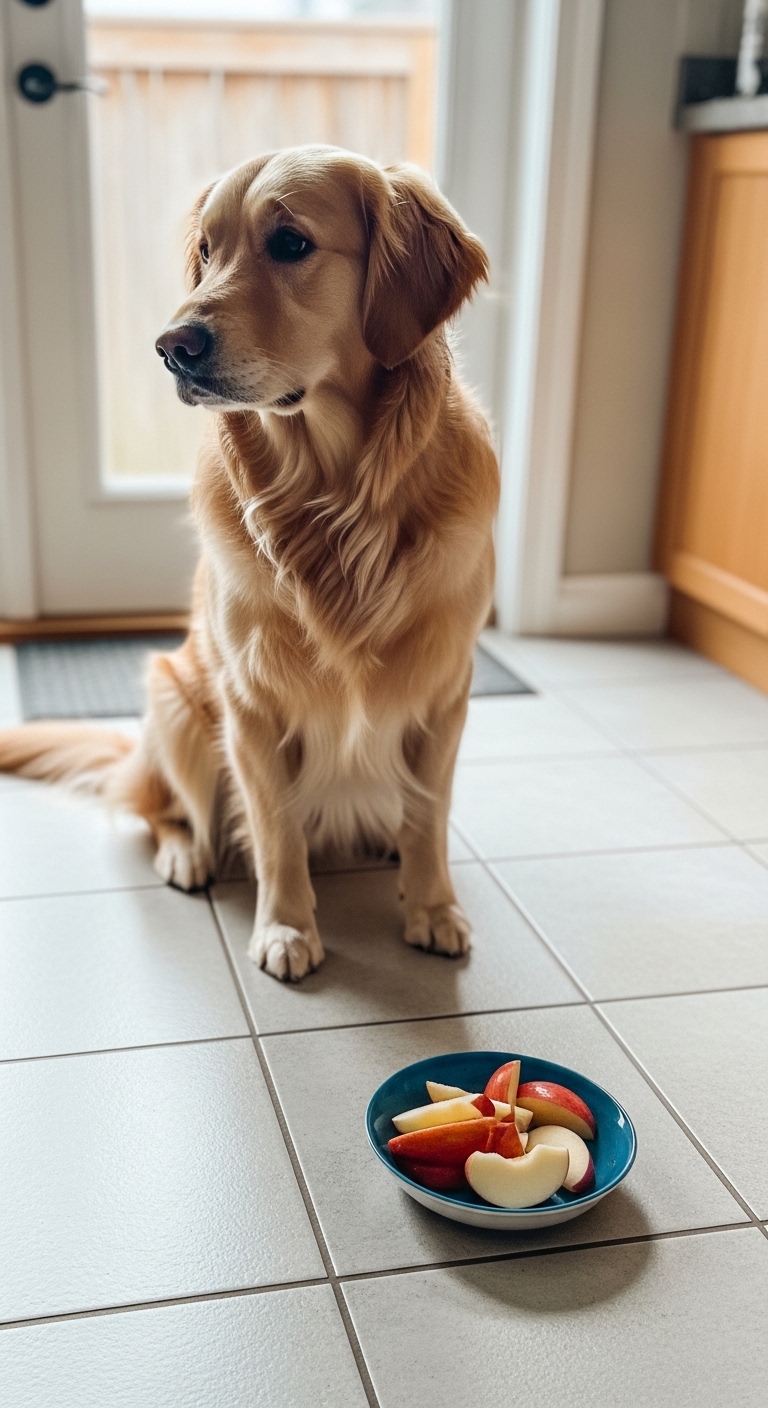
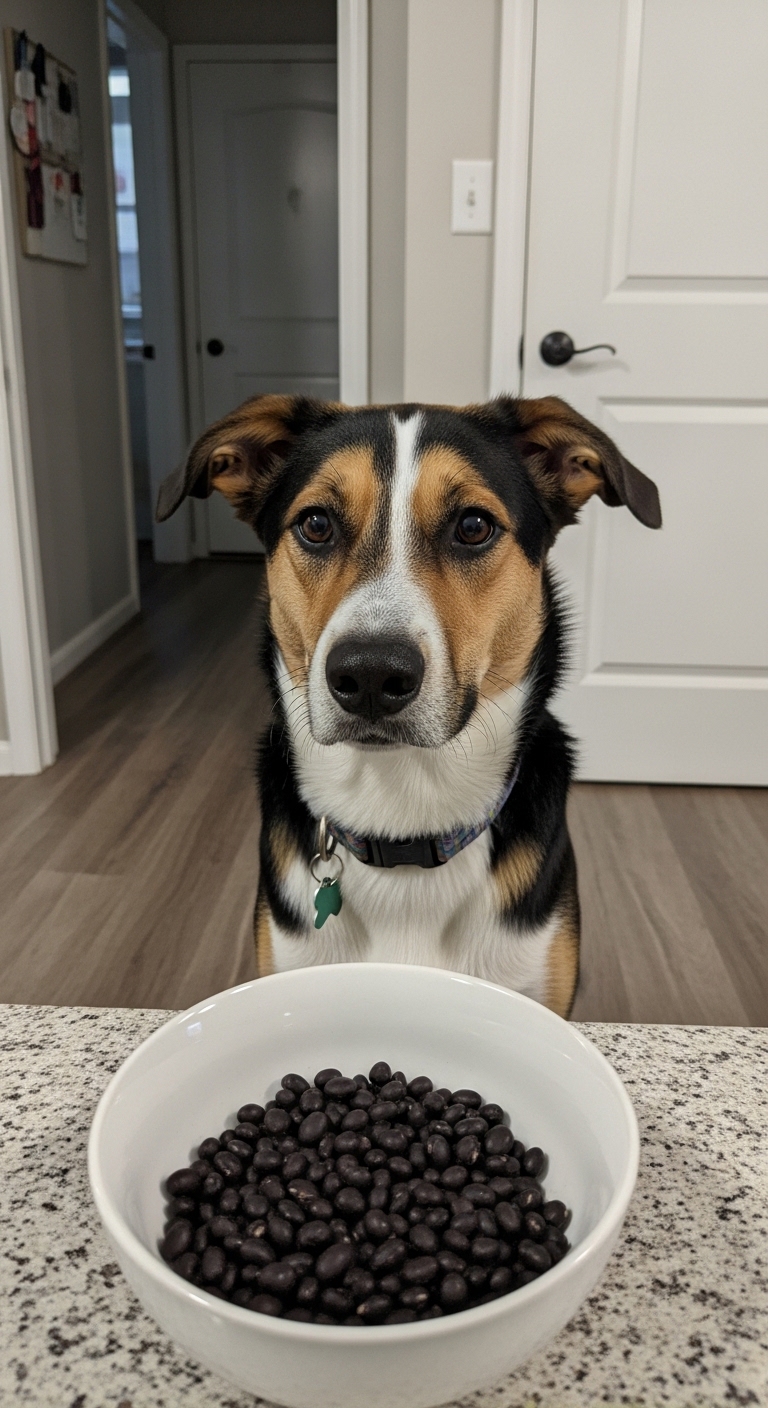
Are peas good for dogs? Many pet owners wonder about this when looking for healthy, natural treats or meal additions for their furry friends. Peas are a common ingredient in many commercial dog foods and treats, but their benefits and potential risks aren’t always clear. Understanding whether peas are safe and in what amounts can help you make better choices for your dog’s diet.
I’ve seen dogs thrive on peas as part of a balanced diet, but I’ve also noticed that some owners overdo it, leading to bloating or loose stools. A little goes a long way.
Key Things to Understand
- Safety in moderation: Peas are safe for most dogs in small amounts, but they should never replace a balanced diet or make up more than 10% of their daily food intake.
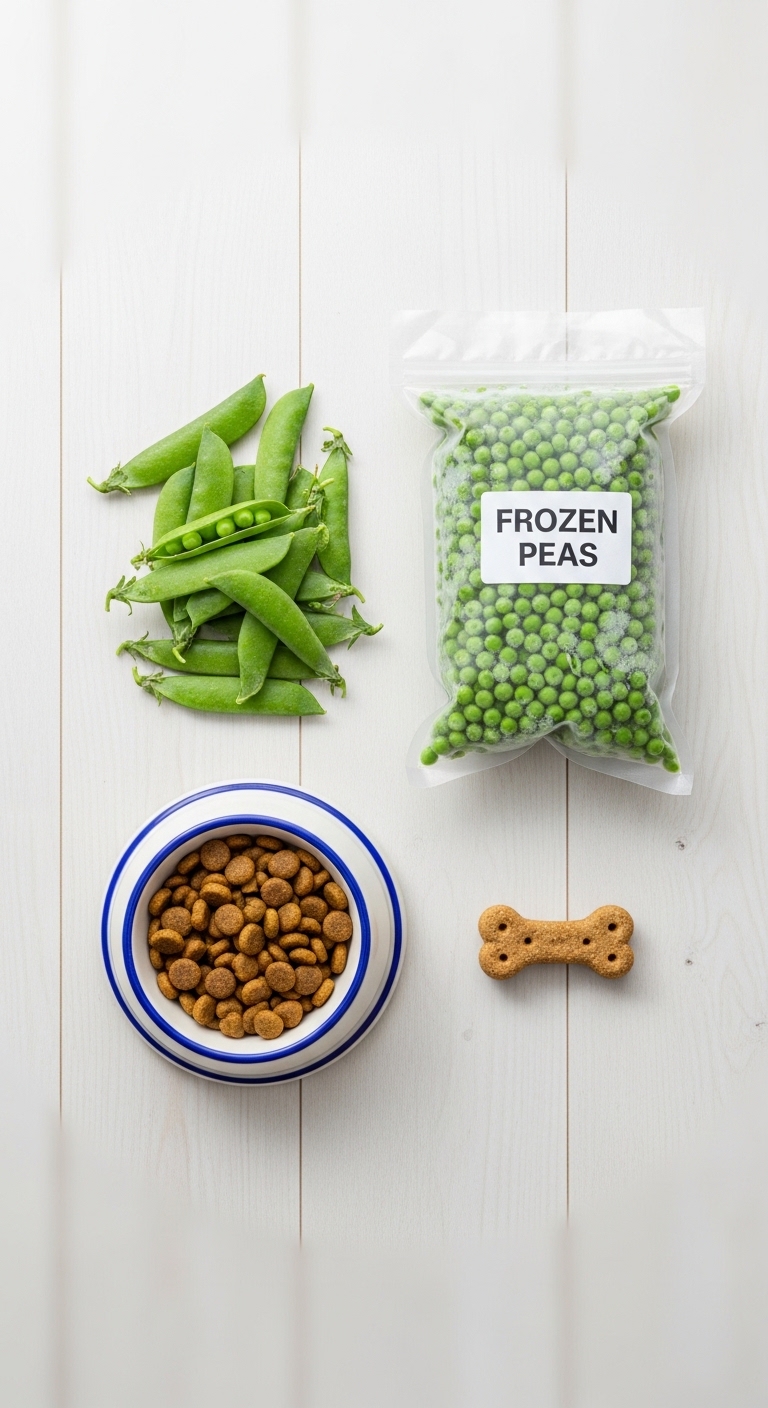
- Best type: Fresh, plain peas are the best choice, while canned or seasoned peas may contain harmful additives like salt or preservatives.
- Digestive effects: Some dogs may experience gas or stomach upset if they eat too many peas at once, so introduce them gradually.
- Urinary concerns: Peas contain purines, which can contribute to bladder stones in dogs prone to urinary issues, so consult your vet if your dog has a history of these problems.
- Frozen peas: Frozen peas can be a convenient option, but thaw them first to prevent choking hazards.
What to Look For
When considering peas for your dog, pay attention to how they respond after eating them. Some dogs digest peas easily, while others may show signs of discomfort like excessive gas or softer stools. If you notice these changes, it might be a sign to reduce the portion or try a different treat. Also, observe your dog’s energy levels and coat condition: peas are rich in vitamins, so a healthy glow or steady energy could indicate they’re benefiting from the addition. Another thing to watch for is your dog’s chewing ability. Small dogs or those with dental issues may struggle with whole peas, so mash them slightly or offer them mashed to avoid choking. If you’re using peas as a training treat, opt for smaller varieties like snow peas or split peas, which are easier to chew and swallow quickly.
I once met a dog owner who swore by peas as a miracle treat, only to realize her pup was gaining weight because she was overfeeding them. Portion control is key. Also, if your dog has a sensitive stomach, peas might not be the best choice: always introduce new foods slowly.
Peas as a training tool
Peas can be a great low-calorie reward during training sessions, especially for dogs on a diet. Their small size makes them easy to carry in your pocket, and most dogs love the taste. Just remember to count them toward your dog’s daily calorie intake to avoid overfeeding.
Peas in homemade dog treats
If you enjoy making treats at home, peas can be blended into dough for homemade biscuits or mixed into meatloaf-style recipes. They add moisture and nutrients without the need for extra fats. Just ensure the other ingredients are dog-safe, like oats, peanut butter, or pumpkin.
Peas and digestive health
For dogs with occasional digestive issues, peas can act as a natural fiber source to help regulate bowel movements. However, if your dog has a history of gastrointestinal problems, introduce peas slowly and in tiny amounts to avoid upsetting their stomach further.
Peas vs. other vegetables
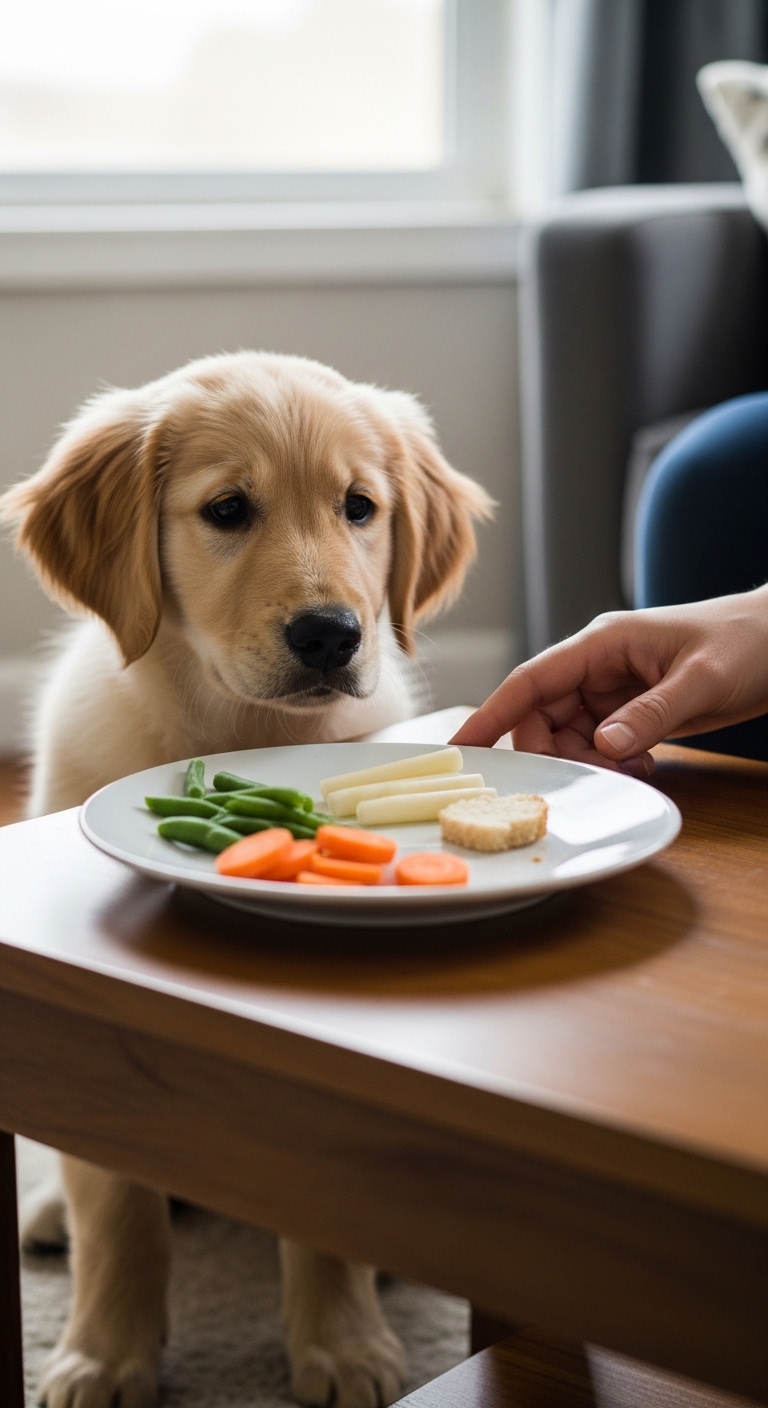
Compared to other dog-friendly veggies like carrots or green beans, peas are higher in natural sugars, so they’re best given in moderation. If your dog loves veggies, rotating between different types can provide a variety of nutrients without overloading on any single one.
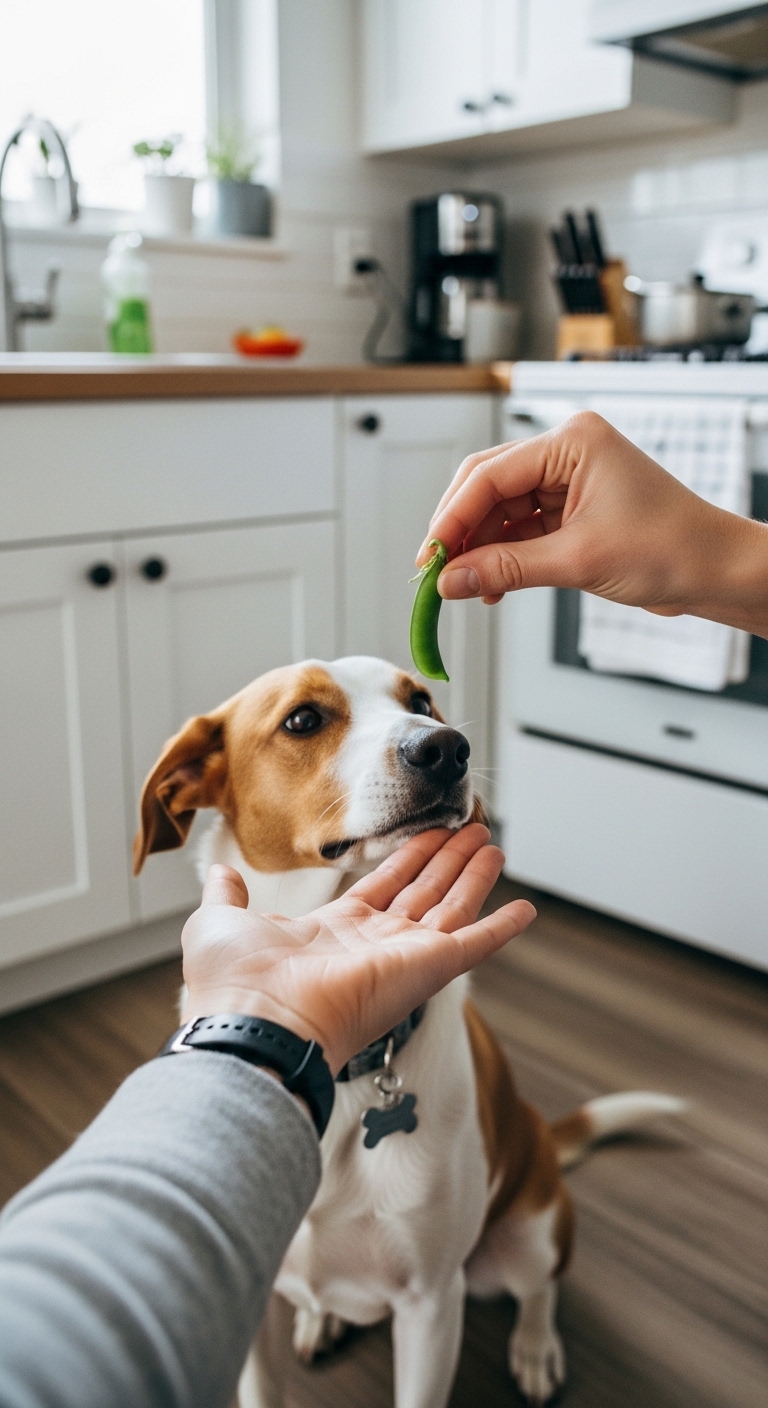
Peas can be a healthy addition to your dog’s diet when used wisely. Always prioritize moderation and observation.
Frequently Asked Questions
- → Can dogs eat peas safely?
Yes, dogs can eat peas in moderation. Peas are non-toxic and provide fiber, vitamins, and minerals. However, some dogs may have allergies or digestive sensitivities, so introduce them gradually.
- → How many peas can I give my dog?
Peas should make up no more than 10% of your dog’s daily diet. For small dogs, 1-2 tablespoons of peas is sufficient, while larger dogs can have up to ¼ cup. Always serve plain, cooked, or fresh peas without seasoning.
- → Are peas in dog food harmful?
Peas in commercial dog food are generally safe, but some brands use them as a primary ingredient, which may contribute to high carbohydrate intake. If your dog has health issues like obesity or diabetes, consult your vet about grain-free or low-carb diets.
- → What are the benefits of peas for dogs?
Peas provide dietary fiber for digestion, plant-based protein for muscle health, and essential vitamins (A, B, K) and minerals (iron, zinc). They can also support heart health and immune function when fed in moderation.
- → Can peas cause allergies in dogs?
While rare, some dogs may be allergic to peas. Symptoms include itching, skin irritation, or gastrointestinal upset. If you notice adverse reactions, discontinue feeding peas and consult your veterinarian.
- → Should I cook peas before giving them to my dog?
Fresh or frozen peas can be served raw, but cooking (steaming or boiling without salt) makes them easier to digest. Avoid canned peas due to added sodium or preservatives. Always serve peas plain and in moderation.
- → Can diabetic dogs eat peas?
Diabetic dogs should consume peas cautiously due to their carbohydrate content. Peas have a moderate glycemic index, so portion control is crucial. Consult your vet to determine if peas fit into your dog’s meal plan.