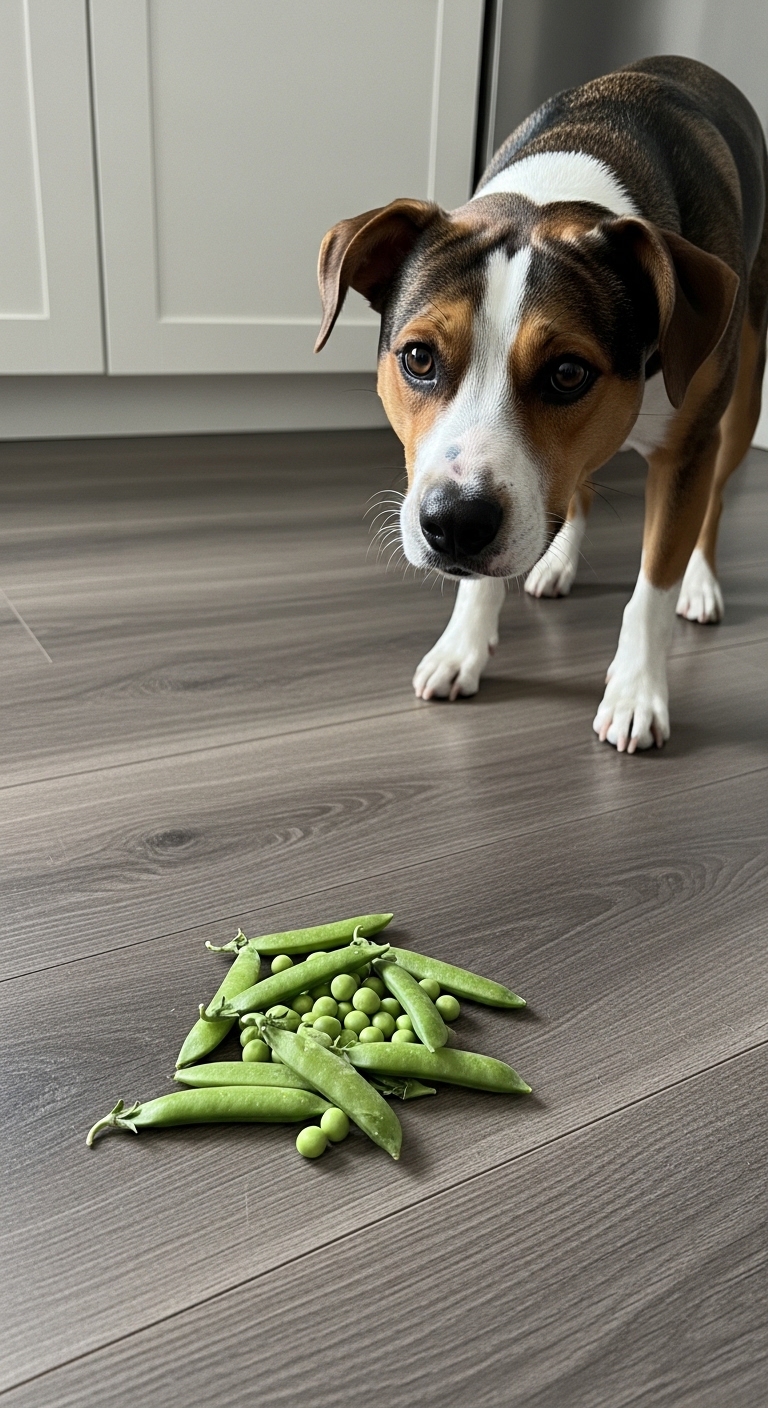
Is rice good for dogs? It’s a question many pet owners ask, especially when their furry friend has an upset stomach or they’re looking for a simple, budget-friendly addition to their diet. Rice is a common ingredient in many commercial dog foods, but is it actually safe and beneficial for your pup? Understanding how rice fits into a dog’s nutrition can help you make smarter choices about their meals and treats.
I’ve seen firsthand how a simple bowl of plain rice can settle a dog’s stomach after a bout of diarrhea. It’s one of those old-school remedies that actually works.
Key Things to Understand
- Plain white rice: Often recommended for dogs with sensitive stomachs because it’s easy to digest.
- Brown rice: Contains more fiber, which can be good for some dogs but may cause issues for those with digestive sensitivities.
- Not a replacement: Rice should never replace a balanced diet. It’s best used as an occasional supplement or during digestive upset.
- Gradual introduction: Always introduce rice slowly to avoid stomach upset.
- Avoid seasonings: Never add salt, garlic, onions, or other spices, as these can be toxic to dogs.
What to Look For
When considering rice for your dog, pay attention to how their body reacts after eating it. Some dogs tolerate white rice better than brown rice, while others may do fine with either. Watch for signs of digestive discomfort like bloating, gas, or loose stools, which could mean the rice isn’t agreeing with them. If you’re using rice as a temporary remedy for an upset stomach, keep portions small—about a quarter to a half cup for a medium-sized dog is usually enough. Also, check the texture of the rice; it should be soft and easy to chew, especially for older dogs or those with dental issues.
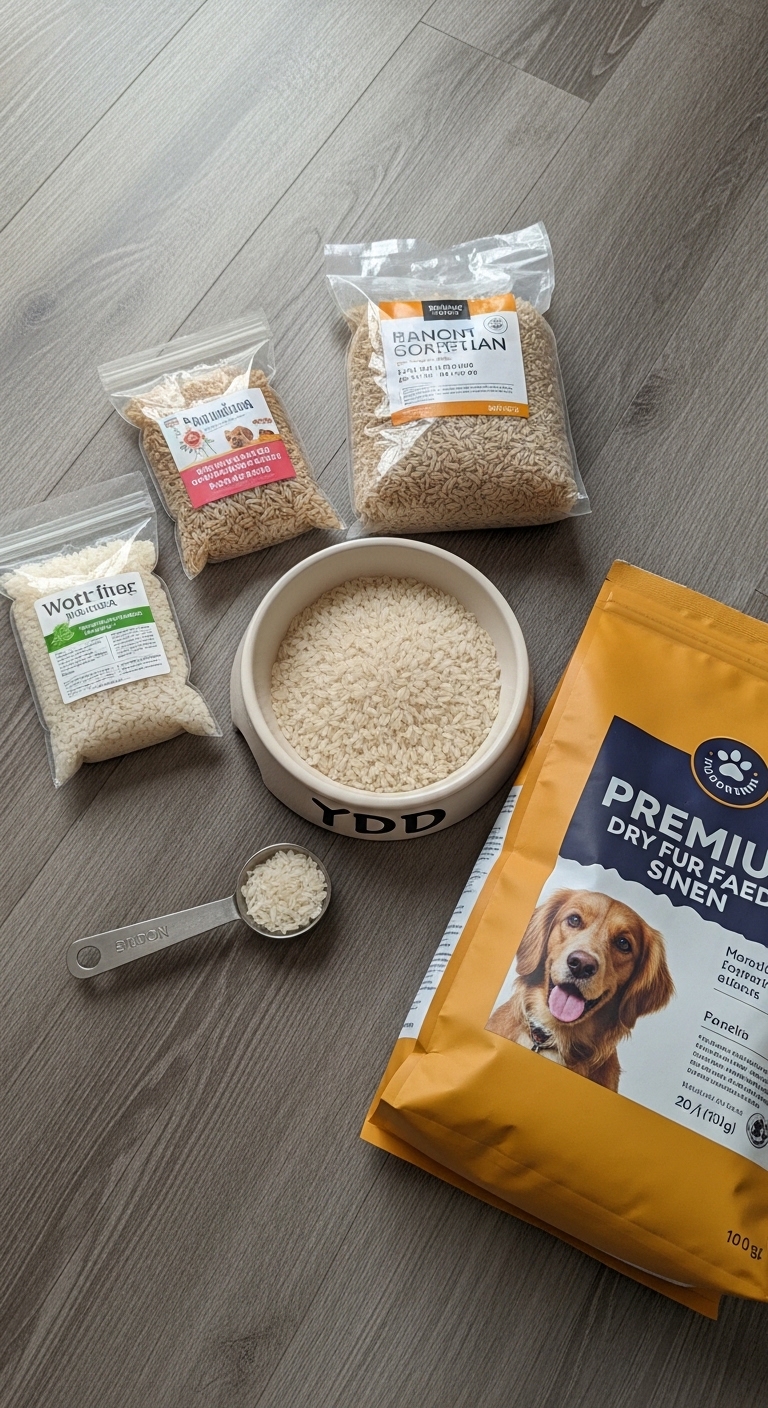
I once had a client whose dog gained a few pounds after eating rice daily as a treat. It’s an easy mistake to make when you’re just trying to be helpful.
Feeding Rice Safely
If you decide to feed your dog rice, always cook it plain without any additives. Boiled or steamed rice is the safest option, as frying or adding oils can upset your dog’s stomach. For dogs with diarrhea, a bland diet of boiled chicken and rice is a classic remedy that often works wonders. Just remember, this is a short-term solution. Long-term, your dog still needs a balanced diet with protein, fats, and essential vitamins.
Rice as a Training Treat
Many pet owners use rice as a low-calorie training treat, especially for dogs watching their weight. Since rice is bland and easy to digest, it’s less likely to cause stomach issues compared to fatty or processed treats. Cut the rice into tiny pieces to avoid overfeeding during training sessions. It’s a simple trick that can make a big difference in keeping your dog’s weight in check while still rewarding good behavior.

Rice can be a helpful addition to your dog’s diet when used correctly, but it’s important to remember it’s just one piece of the puzzle.
Frequently Asked Questions
- → Can dogs eat rice every day?
Dogs can eat rice daily in small amounts as part of a balanced diet, but it should not make up more than 10-20% of their total food intake. Always consult your vet to determine the right portion size for your dog's specific needs.
- → Is brown rice better than white rice for dogs?
Brown rice contains more fiber and nutrients than white rice, making it a slightly healthier option. However, white rice is easier to digest and may be better for dogs with sensitive stomachs or those recovering from illness.
- → How should rice be prepared for dogs?
Rice for dogs should be plain, cooked, and unseasoned. Boil it in water without adding salt, butter, or spices. Ensure it's fully cooked and cooled before serving to prevent digestive issues.
- → Can rice cause allergies in dogs?
Rice is considered a low-allergen food for dogs, making it a good option for dogs with food sensitivities. However, some dogs may still have an adverse reaction, so introduce it gradually and monitor for signs like itching or digestive upset.
- → What are the benefits of feeding rice to dogs?
Rice provides easily digestible energy, can help firm up stools in dogs with diarrhea, and is a good source of B vitamins. It's also a bland food option for dogs with upset stomachs or those transitioning to a new diet.
- → How much rice can I give my dog?
The amount of rice depends on your dog's size and dietary needs. As a general guideline, small dogs can have 1-2 tablespoons per meal, while larger dogs may tolerate 2-4 tablespoons. Always introduce new foods slowly and in small quantities.