Can I feed cat food to a dog? It’s a question many pet owners ask, especially when they run out of dog food or want to share a meal. While it might seem harmless to swap pet foods occasionally, the differences between cat and dog nutrition can have real consequences for your dog’s health. Dogs and cats have very different dietary needs, and what works for one can cause problems for the other. Understanding these differences helps you make safer choices for your furry friend.
I once gave my neighbor’s dog a bite of cat food by accident, and within hours, he was throwing up. That quick mistake taught me how sensitive dogs can be to foods meant for cats. It’s a reminder that even small amounts can matter.
Key Things to Understand
- Cat food is higher in protein and fat than dog food: because cats are obligate carnivores. This means their food is designed to meet very specific nutritional needs that dogs don’t require. Feeding cat food regularly can lead to weight gain or even pancreatitis in dogs over time.
- Cat food contains more taurine: an amino acid essential for cats but not always necessary for dogs. While dogs can synthesize some taurine, too much from cat food can cause imbalances.
- Dogs and cats have different vitamin and mineral needs: Cat food often has higher levels of vitamin A and niacin, which can be harmful to dogs if consumed in large amounts.
- Some cat foods contain ingredients like onion or garlic powder: which are toxic to dogs. Always check the label before sharing any pet food.
What to Look For
Pay attention to how your dog reacts after eating cat food. If they seem extra thirsty, vomit, or have diarrhea, those are signs their stomach isn’t handling it well. Watch for changes in energy levels too: lethargy can mean their body is struggling with the food.
Check the ingredient list on cat food before offering any to your dog. Avoid formulas with artificial flavors, excessive fat content, or known dog toxins like xylitol or certain spices. Even small amounts of harmful ingredients can cause big problems.
Notice your dog’s weight and coat condition over time. If they start gaining weight quickly or their fur looks dull, it could be a sign that the cat food isn’t agreeing with them.
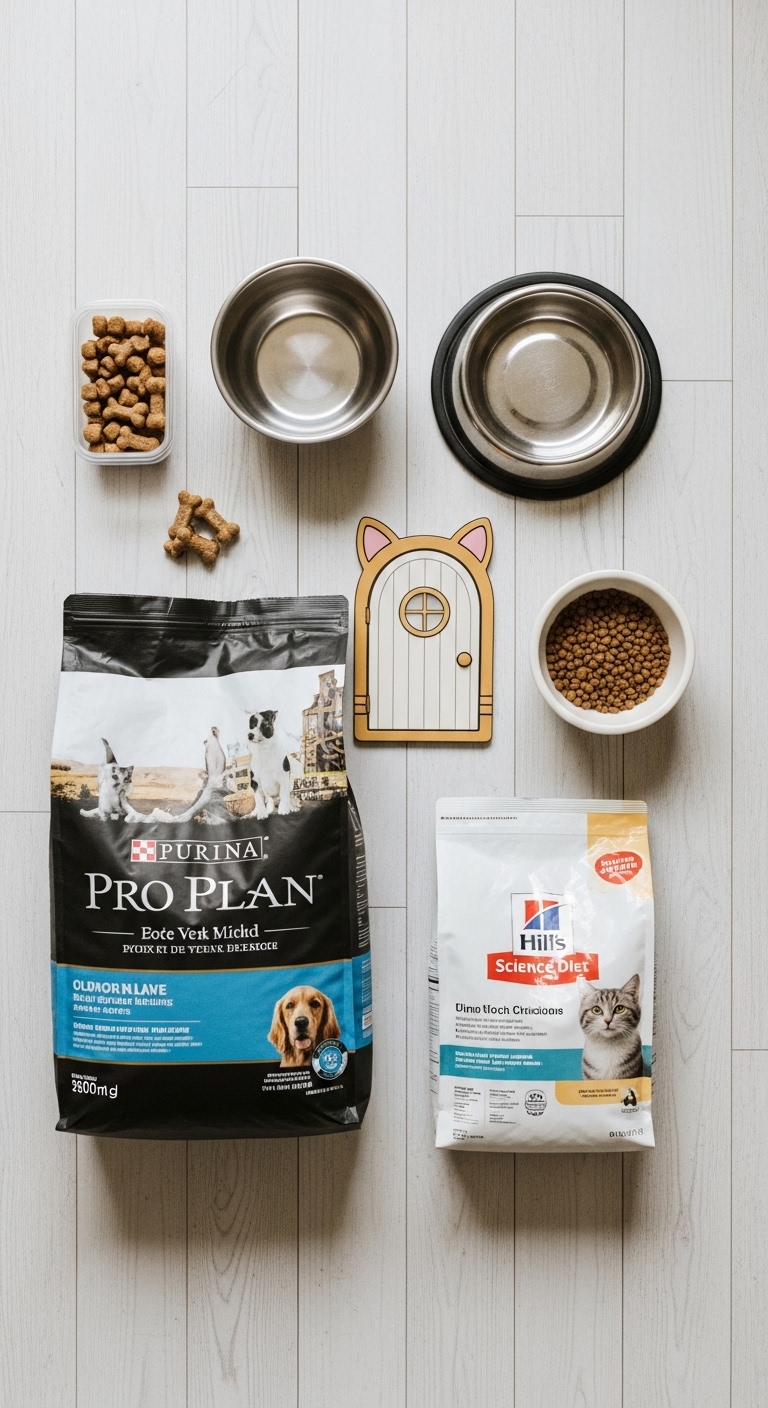
I’ve seen dogs develop skin allergies after eating cat food for just a few weeks. It’s not always obvious at first, but their coat and skin can show early warning signs. Another common mistake is assuming all cat foods are the same: some are safer for dogs than others, so always double-check.
When It Might Be Okay
Feeding your dog cat food occasionally won’t usually cause harm, but it’s not something to make a habit. If you’re ever unsure, stick to dog food or ask your vet for advice. Small amounts might be fine, but consistency matters when it comes to your dog’s diet.
How to Prevent Accidents
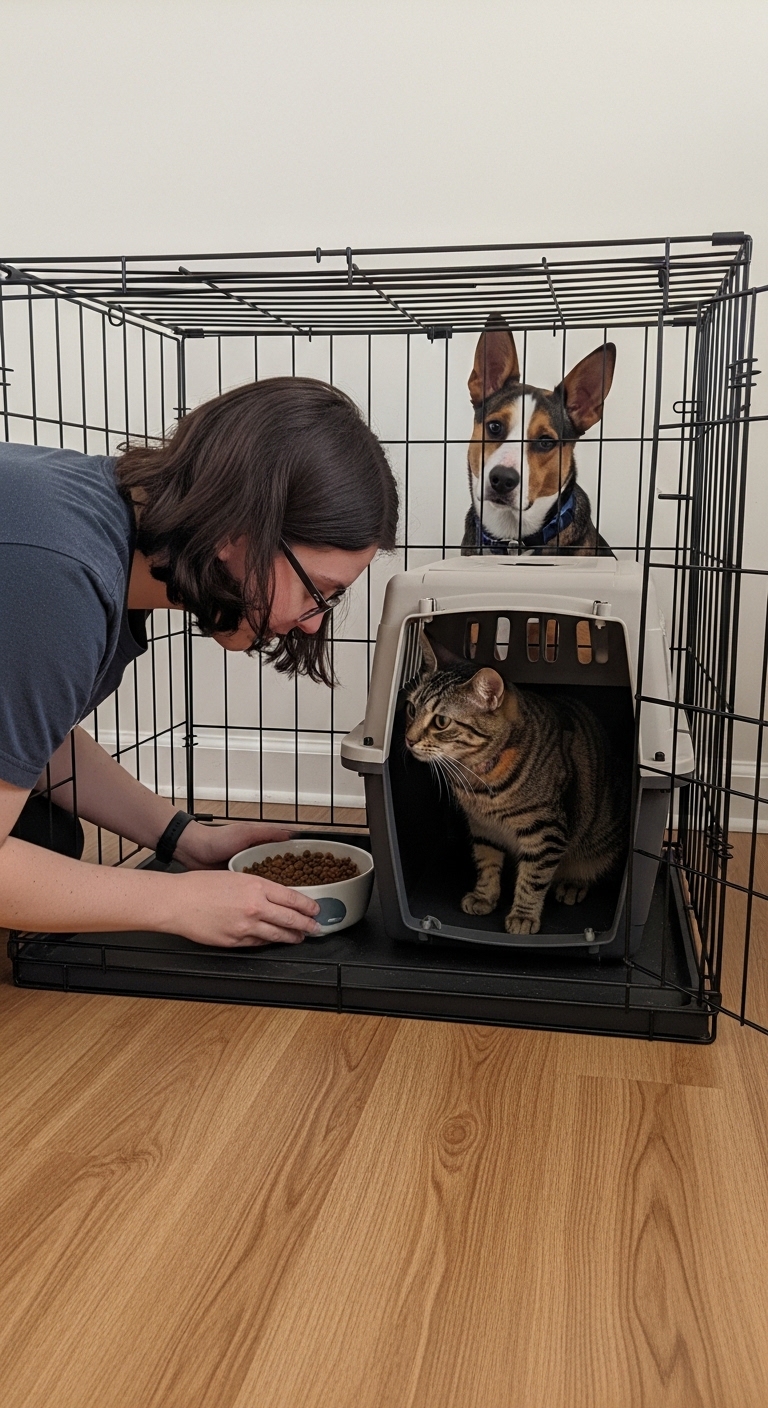
Keep cat food stored securely where your dog can’t access it. Use separate feeding areas for cats and dogs to avoid accidental sharing. Train your dog to avoid the cat’s food bowl if they’re prone to sneaking bites.
Alternatives to Cat Food
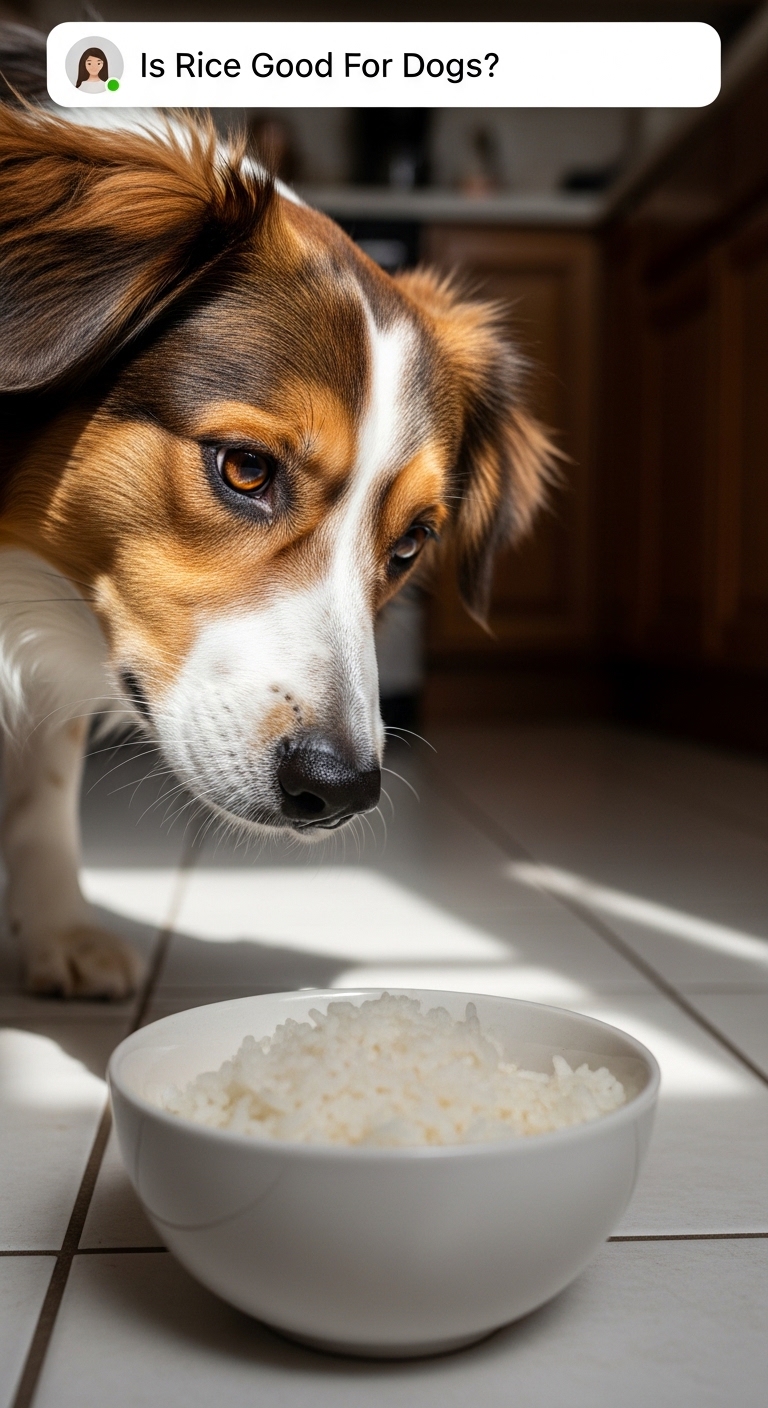
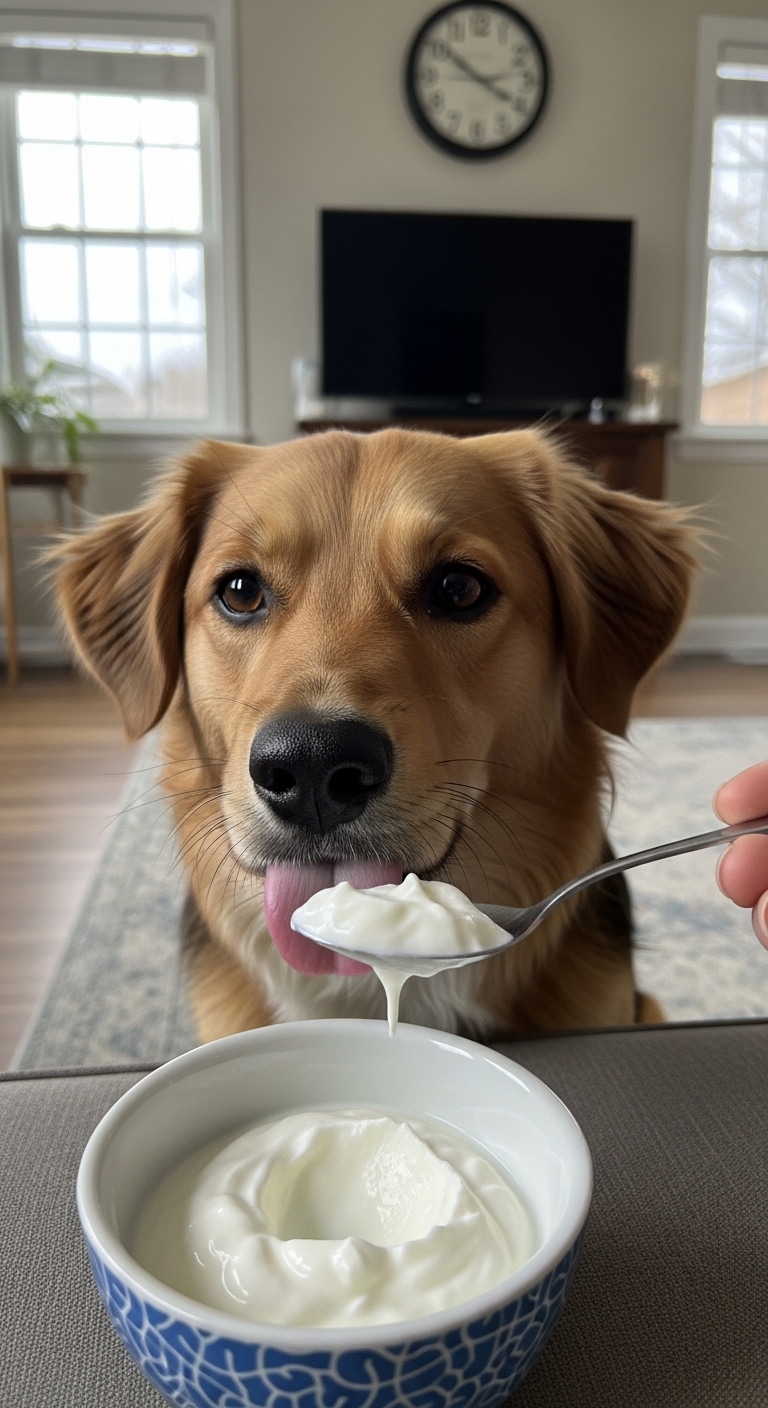
If you’re out of dog food, consider plain cooked chicken or rice as a temporary meal. Always check with your vet before introducing new foods. Some dog-safe commercial treats can also work in a pinch.
Your dog’s health depends on a balanced diet tailored to their needs. When in doubt, always choose food made specifically for dogs.
Frequently Asked Questions
- → Why can't dogs eat cat food regularly?
Cat food contains higher protein and fat levels designed for felines, which can lead to obesity, pancreatitis, or nutrient imbalances in dogs over time.
- → What happens if my dog eats cat food once?
Occasional ingestion usually causes no harm, but watch for digestive upset like vomiting or diarrhea. Monitor your dog for 24-48 hours.
- → Is cat food toxic to dogs?
Not inherently toxic, but excessive vitamin A or high fat content can cause health issues. Taurine in cat food is unnecessary for dogs.
- → Can puppies eat cat food?
No, puppies should never eat cat food as it lacks essential nutrients for their growth and can cause developmental problems.
- → What should I feed my dog instead?
Choose high-quality dog food formulated for your pet's age, breed, and health needs. Consult your vet for personalized recommendations.
- → How much cat food is dangerous for dogs?
Even small amounts can cause issues if fed regularly. Large quantities may lead to immediate digestive upset or long-term health problems.