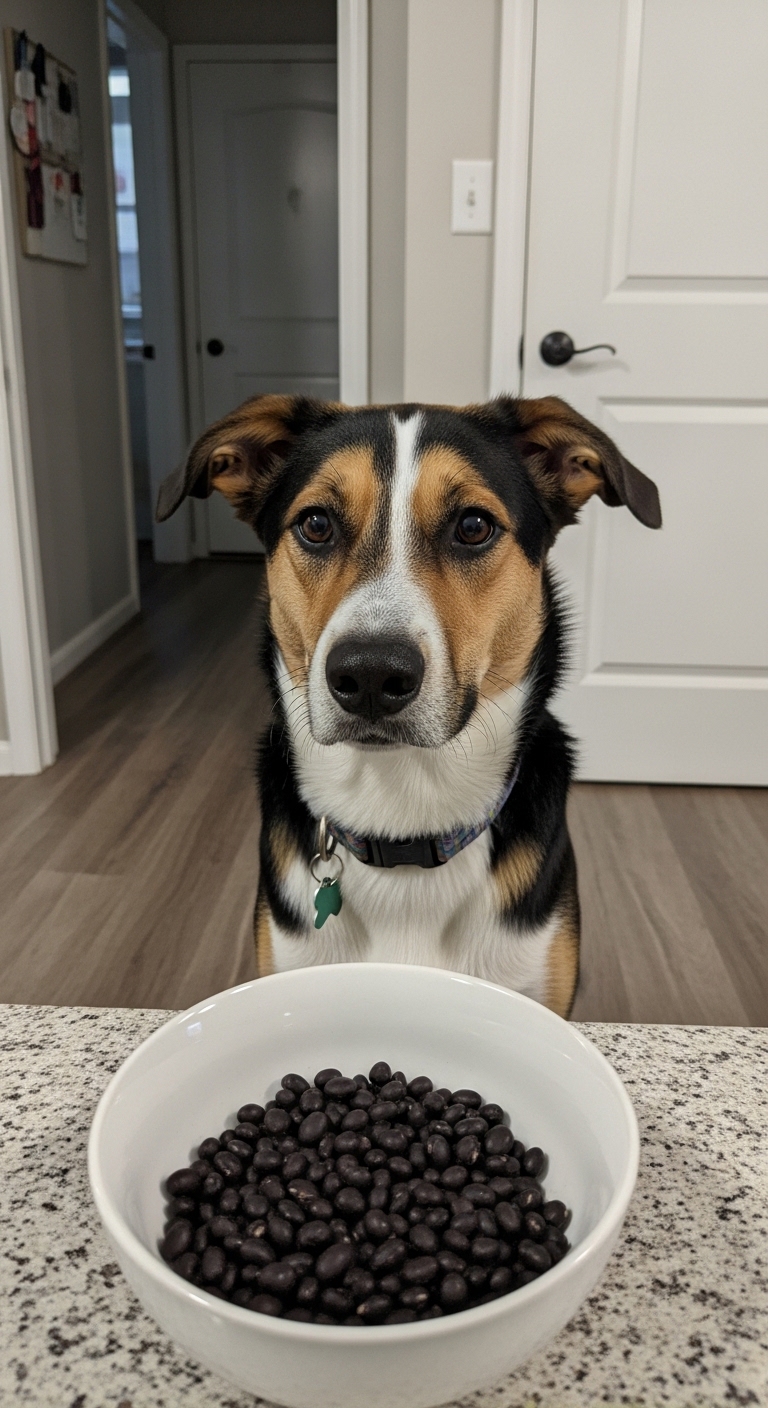
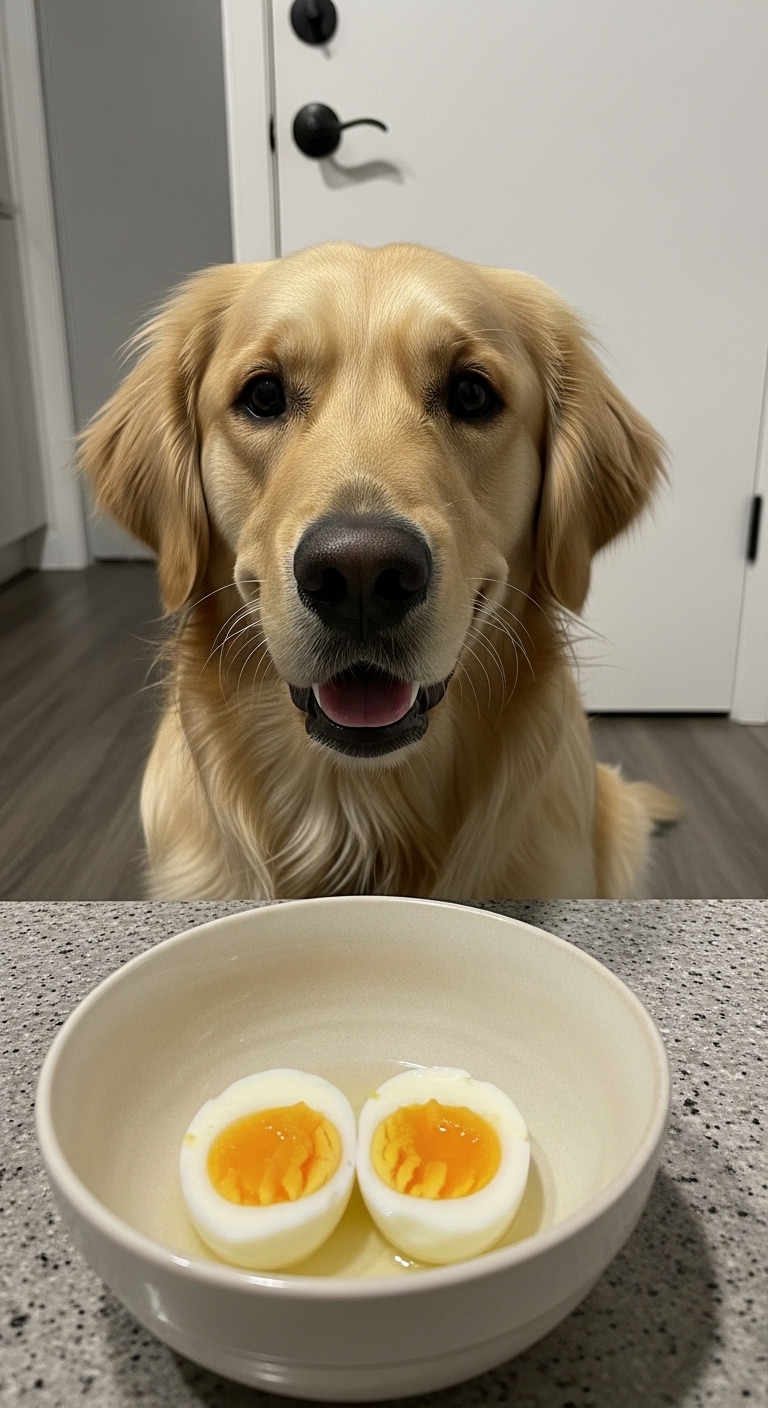
For many pet owners, sharing food with their dogs feels like a natural way to bond. Whether it’s a scrap from dinner or a special treat, the question of what’s safe often comes up. What seems harmless to us can sometimes be risky for our pets, so knowing the difference helps keep them healthy and happy.
I still remember the first time my dog sniffed at my plate of grapes, thankfully I caught myself before offering any. That moment taught me how easy it is to forget that some foods we love are dangerous for them.
Key Things to Understand
- Grapes and raisins: even small amounts can cause kidney failure
- Chocolate: contains theobromine, which is toxic to dogs and can lead to serious health issues
- Onions and garlic: damage red blood cells and should be avoided in all forms
- Xylitol: a sugar substitute, is extremely dangerous and can cause rapid insulin release
- Avocado: contains persin, which may cause vomiting or diarrhea in some dogs
What to Look For
Pay attention to how your dog reacts after eating something new. If they start vomiting, have diarrhea, or seem lethargic, those are clear signs something might be wrong. Some reactions happen quickly, while others take hours to show up, so it’s important to watch for changes in behavior or appetite. When in doubt, check the ingredient list on any packaged food before sharing it with your pet.
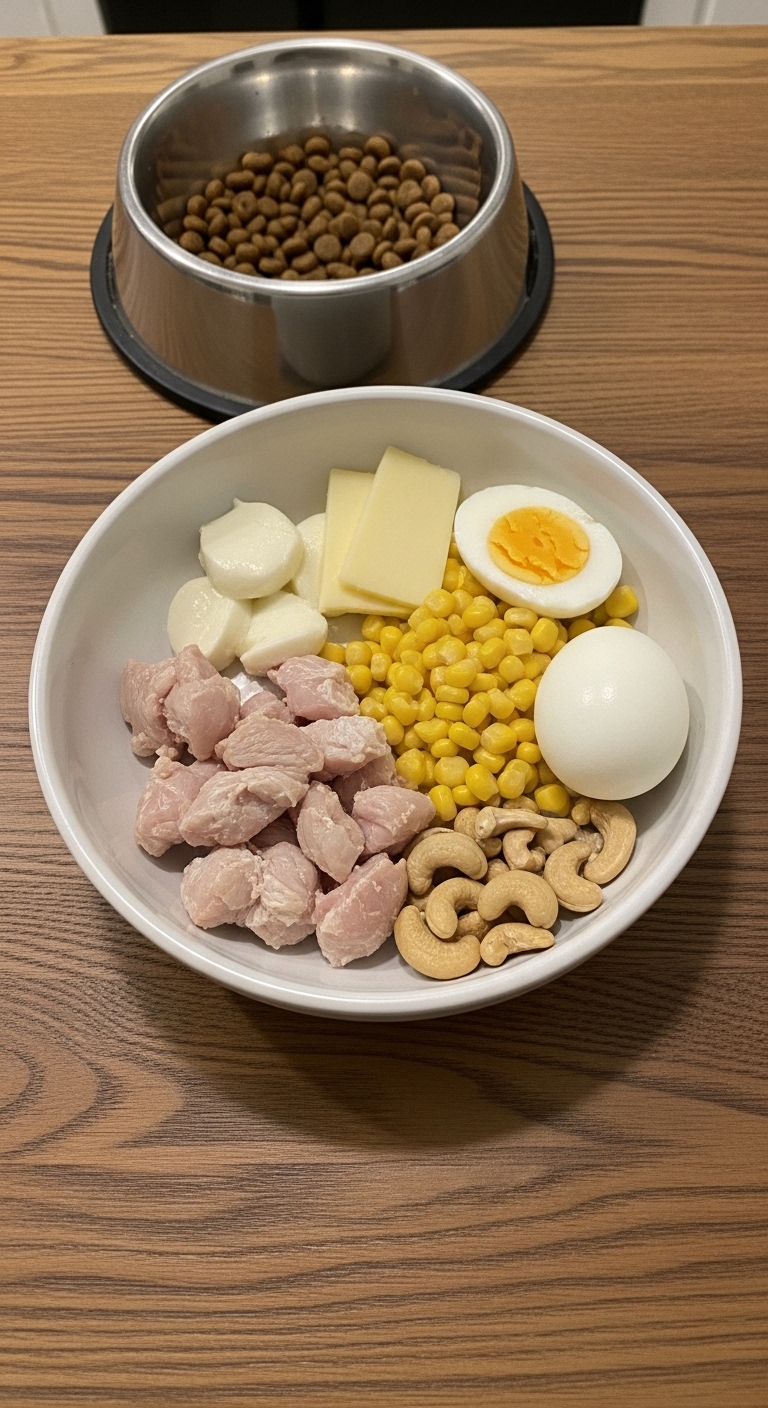
I once had a friend who thought peanut butter was safe for dogs, only to find out it contained xylitol. That mistake led to an emergency vet visit, which could have been avoided with a quick label check. It’s a reminder that even common foods can hide dangers.
Daily care habits
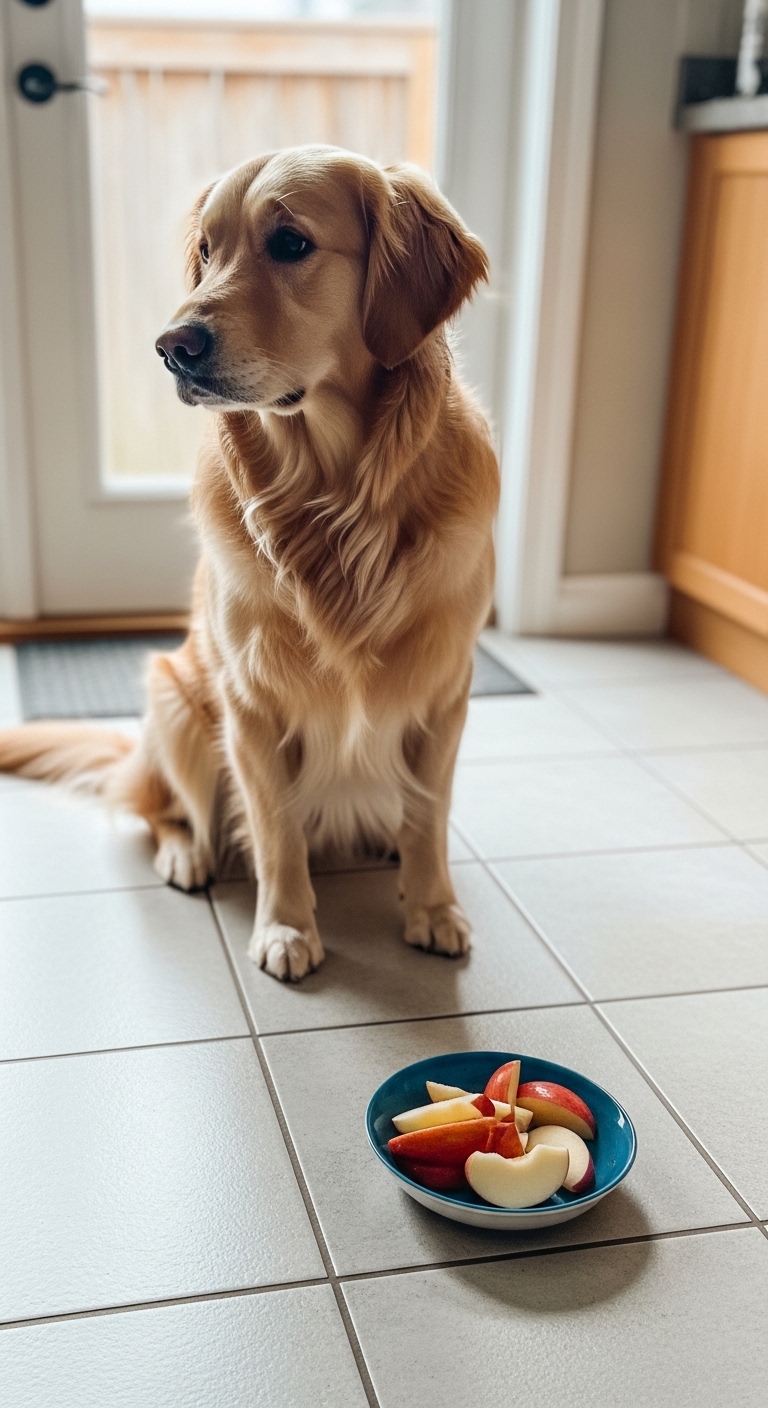
Instead of sharing your meal, set aside a portion of dog-safe food before adding seasoning. This way, your dog gets a treat without the risk of harmful ingredients. Keep a list of safe human foods like carrots, apples (without seeds), and plain cooked chicken handy for quick rewards. Rotate these options to keep mealtime interesting while staying safe.
Choosing the right product
When buying commercial dog treats, look for simple ingredient lists without added sugars or artificial flavors. Avoid products with vague terms like “natural flavors” that don’t specify what they contain. Check for certifications like AAFCO approval to ensure the treat meets nutritional standards. Smaller treats work better for training, while larger ones can satisfy chewing needs.
Safety and comfort
Store human food securely in cabinets or high places where your dog can’t reach. Teach children in the household about foods that are off-limits to pets to prevent accidental sharing. If your dog sneaks something they shouldn’t, watch for symptoms like drooling, restlessness, or difficulty breathing. Keep the number of your local emergency vet saved in your phone just in case.
Common mistakes to avoid
Assuming all fruits and vegetables are safe, some like grapes and citrus can be harmful. Feeding cooked bones, which can splinter and cause internal injuries. Sharing foods with high fat content, like bacon or cheese, which can lead to pancreatitis. Ignoring portion sizes when giving treats, which can unbalance their diet.
I’ve seen dogs get sick from eating just one grape, so it’s better to be overly cautious. Even if your dog has eaten something before without issues, their tolerance can change over time.
Cleaning and hygiene
Wipe down counters and tables after meals to remove crumbs or residue that might tempt your dog. Store trash cans with tight lids to prevent scavenging. If your dog gets into something they shouldn’t, clean up any spills immediately to avoid lingering smells that could encourage repeat attempts.
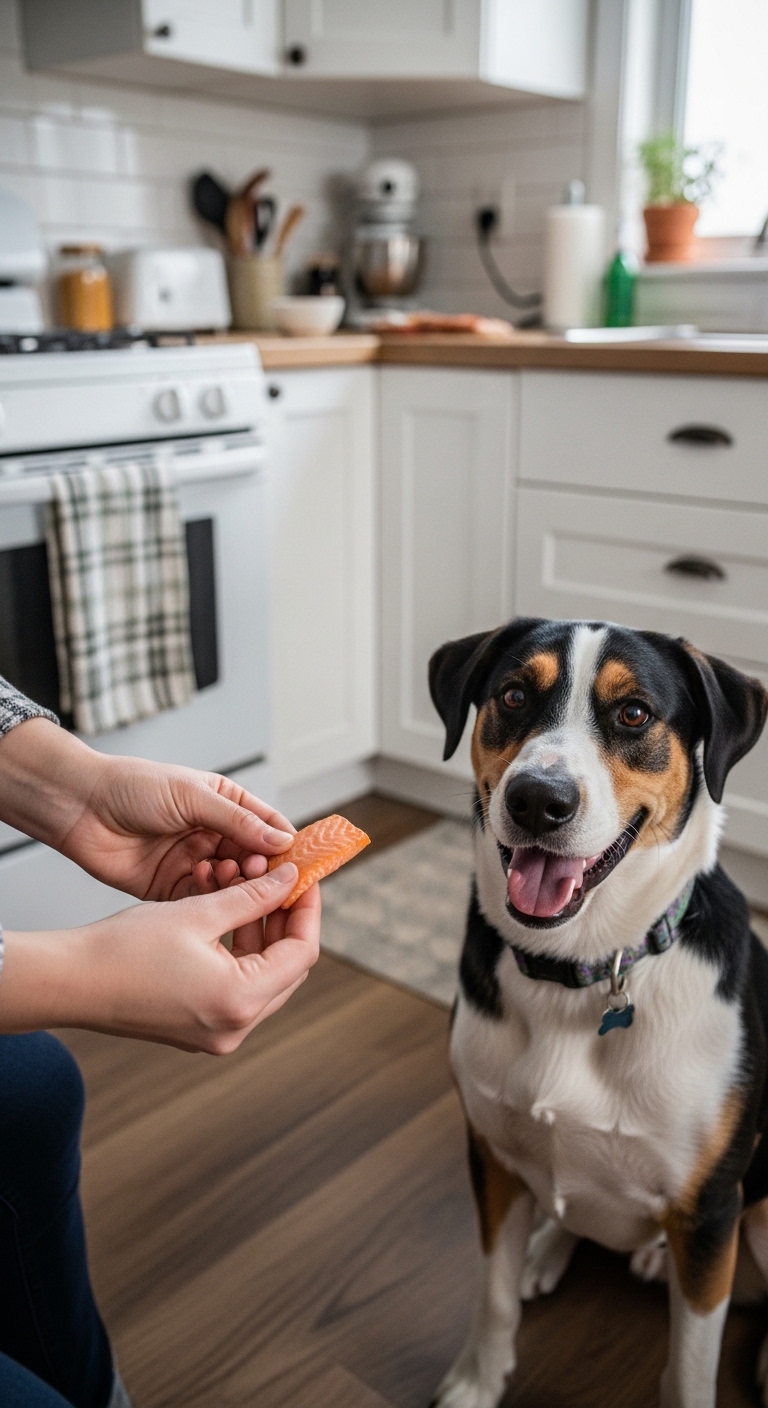
When in doubt, stick to dog-specific treats and foods designed for their dietary needs. It’s the simplest way to keep them safe while still showing love through shared moments.
Frequently Asked Questions
- → Is peanut butter safe for all dogs?
Peanut butter is safe for most dogs, but it depends on the ingredients. Always choose xylitol-free and unsweetened varieties. Dogs with peanut allergies or sensitivities should avoid it entirely.
- → How much peanut butter can I give my dog?
Peanut butter should be given in moderation. A general guideline is to limit treats, including peanut butter, to no more than 10% of your dog's daily caloric intake. For small dogs, a teaspoon or less is sufficient, while larger dogs can have up to a tablespoon.
- → Can peanut butter help with dog training?
Yes! Peanut butter is often used as a high-value training reward because many dogs love its taste and texture. It can be spread on a lick mat or used in a puzzle toy to keep your dog engaged during training sessions.
- → What are the risks of feeding peanut butter to dogs?
The primary risks include xylitol poisoning, obesity from overfeeding, and digestive upset. Always check the label for xylitol and avoid brands with added sugars or artificial sweeteners. Introduce peanut butter slowly to monitor for allergies or sensitivities.
- → Can dogs with diabetes eat peanut butter?
Dogs with diabetes should only eat peanut butter in very small amounts and under veterinary supervision. Peanut butter contains natural fats and proteins, which can affect blood sugar levels. Opt for natural, unsweetened varieties and consult your vet for personalized advice.
- → How should I store peanut butter for my dog?
Store peanut butter in a cool, dry place away from direct sunlight. Once opened, keep it refrigerated to prevent spoilage, especially if it contains natural oils. Always check for mold or an off smell before serving it to your dog.