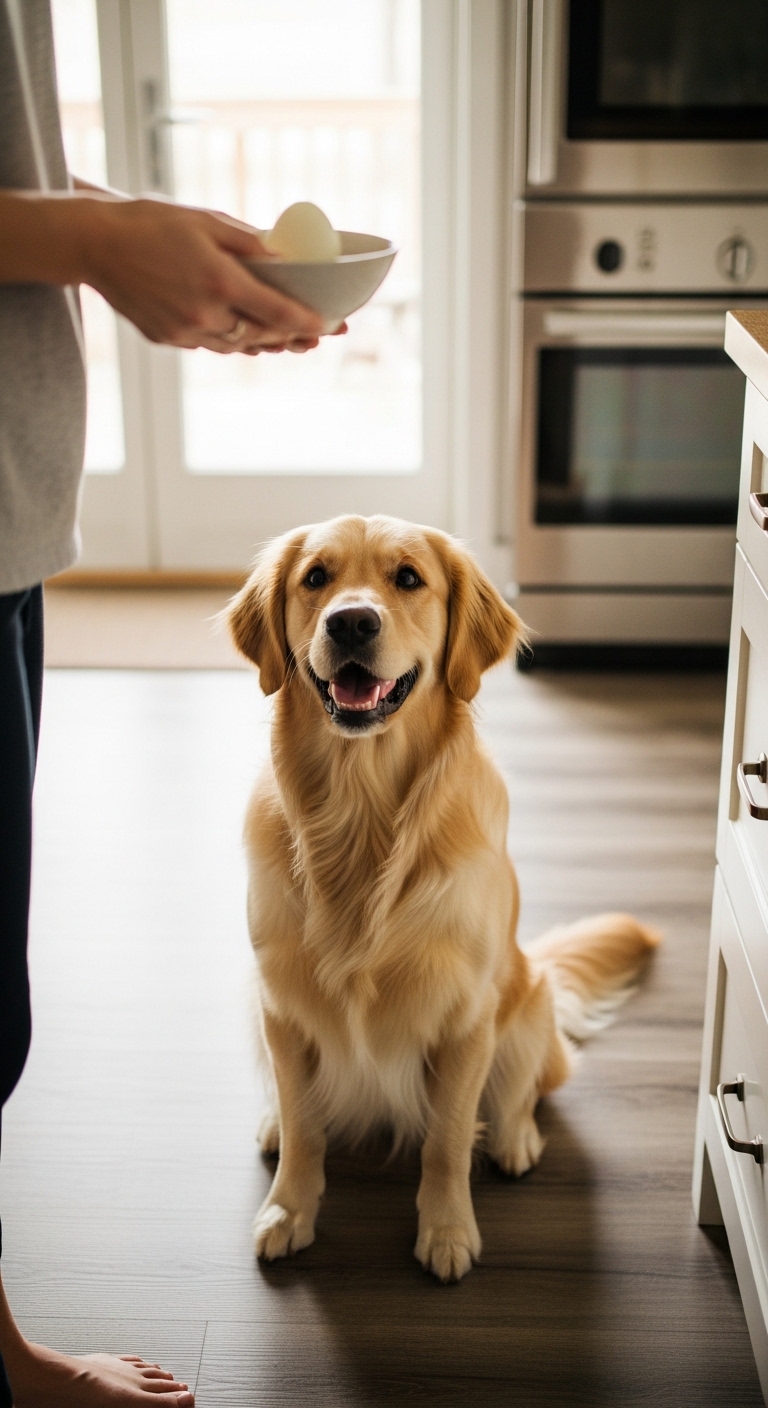
Can dogs have pork? It’s a question many pet owners ask when considering adding variety to their dog’s diet. Pork is a lean protein source that can be beneficial in moderation, but it’s important to understand the risks and best practices before sharing it with your furry friend. Knowing how to safely prepare and serve pork can make a big difference in keeping your dog healthy and happy.
When I first tried giving my dog a small piece of plain cooked pork, I noticed his energy levels stayed steady and his coat looked shinier. That’s when I realized how much quality protein can make a difference in a dog’s overall health.
Key Things to Understand
- Lean cuts only: Always choose lean cuts without added fats or seasonings.
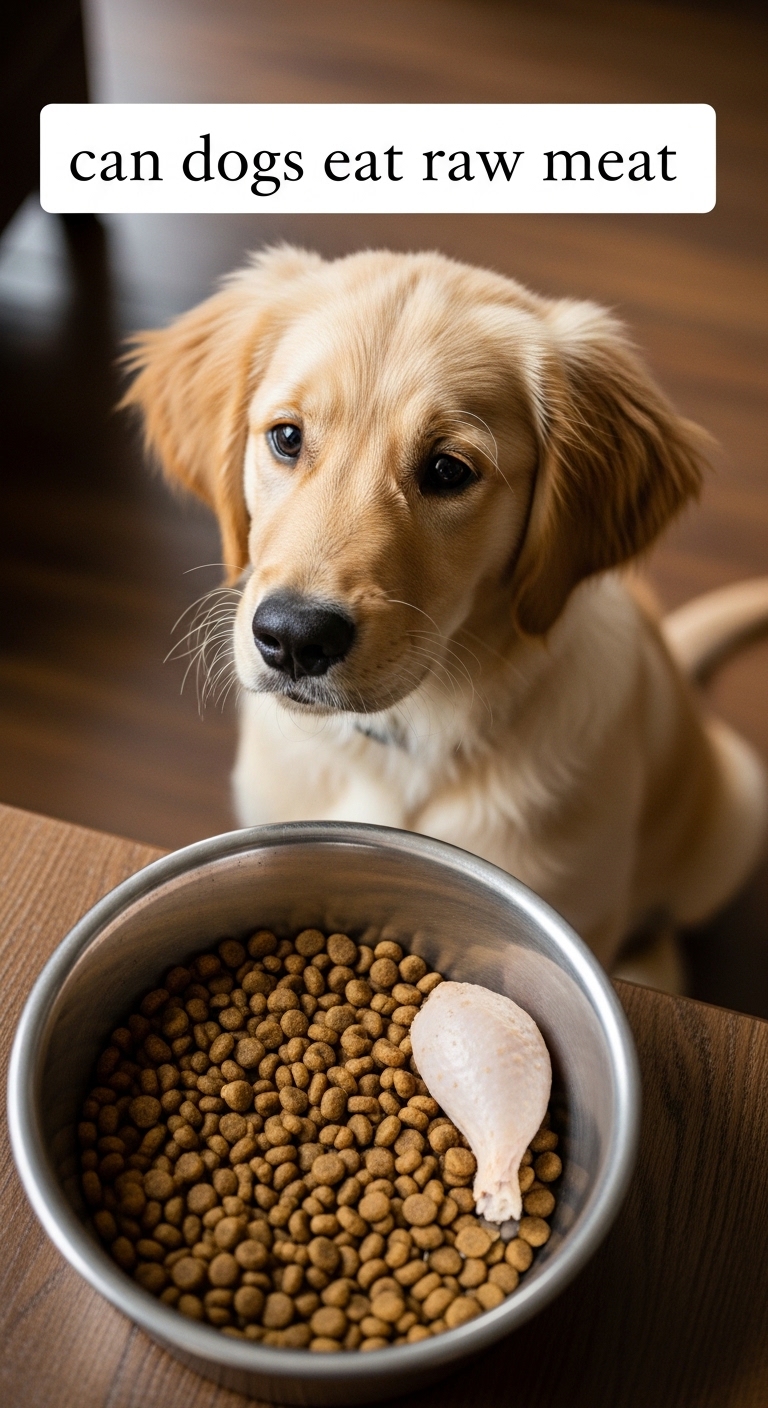
- Cook thoroughly: Avoid giving dogs raw or undercooked pork due to the risk of parasites like trichinella.
- Digestive risks: Even small amounts of seasoned or fatty pork can cause digestive upset or pancreatitis in dogs.
- Gradual introduction: Always introduce pork slowly into your dog’s diet to monitor for any adverse reactions.
What to Look For
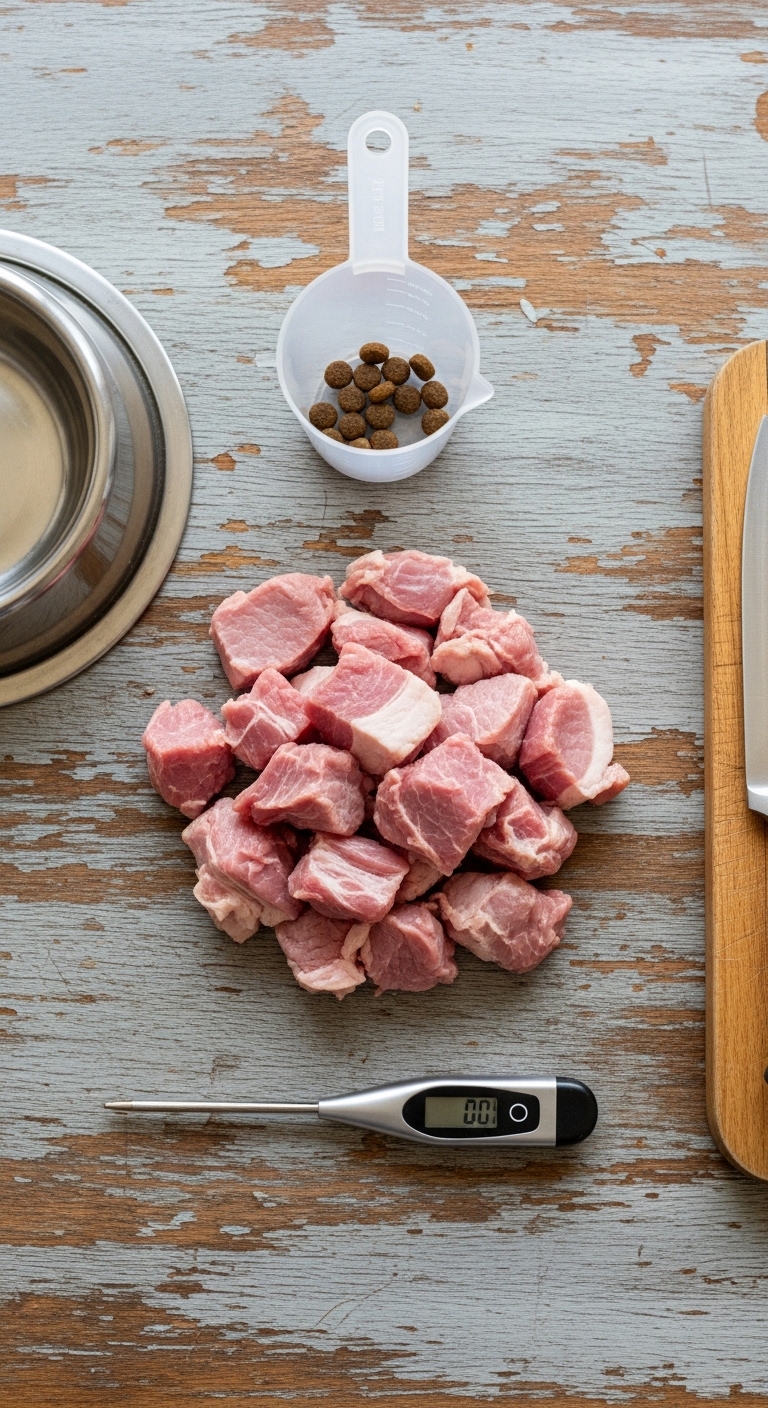
Watch for signs of food intolerance after introducing pork, such as vomiting, diarrhea, or excessive gas. If your dog has never eaten pork before, start with a tiny portion to see how they react. Look for lean cuts like tenderloin or pork chops with minimal marbling. Avoid processed pork products like bacon or sausages, as they often contain harmful additives, high salt content, and unhealthy fats. If your dog has a sensitive stomach or food allergies, pork might not be the best protein source for them.
I once saw a dog owner give their pup a large piece of fatty pork, only to deal with a week of digestive issues. It’s a reminder that even healthy foods can cause problems if not served correctly. Always prioritize your dog’s individual needs and health history when deciding what to feed them.
Feeding pork to dogs safely
When preparing pork for your dog, always cook it thoroughly to kill any potential parasites. Boiling or baking pork without added oils, salt, or spices is the safest method. Cut the pork into small, bite-sized pieces to prevent choking, especially for smaller breeds. Avoid giving your dog pork that’s been seasoned with garlic, onions, or other ingredients toxic to dogs.
Pork as part of a balanced diet
While pork can be a healthy addition to your dog’s diet, it shouldn’t replace their regular balanced meals. Rotate proteins like chicken, beef, and fish to provide a variety of nutrients. If your dog has a sensitive stomach, monitor their reaction closely when introducing pork for the first time. Some dogs may tolerate pork better than others, so it’s important to observe their individual response.
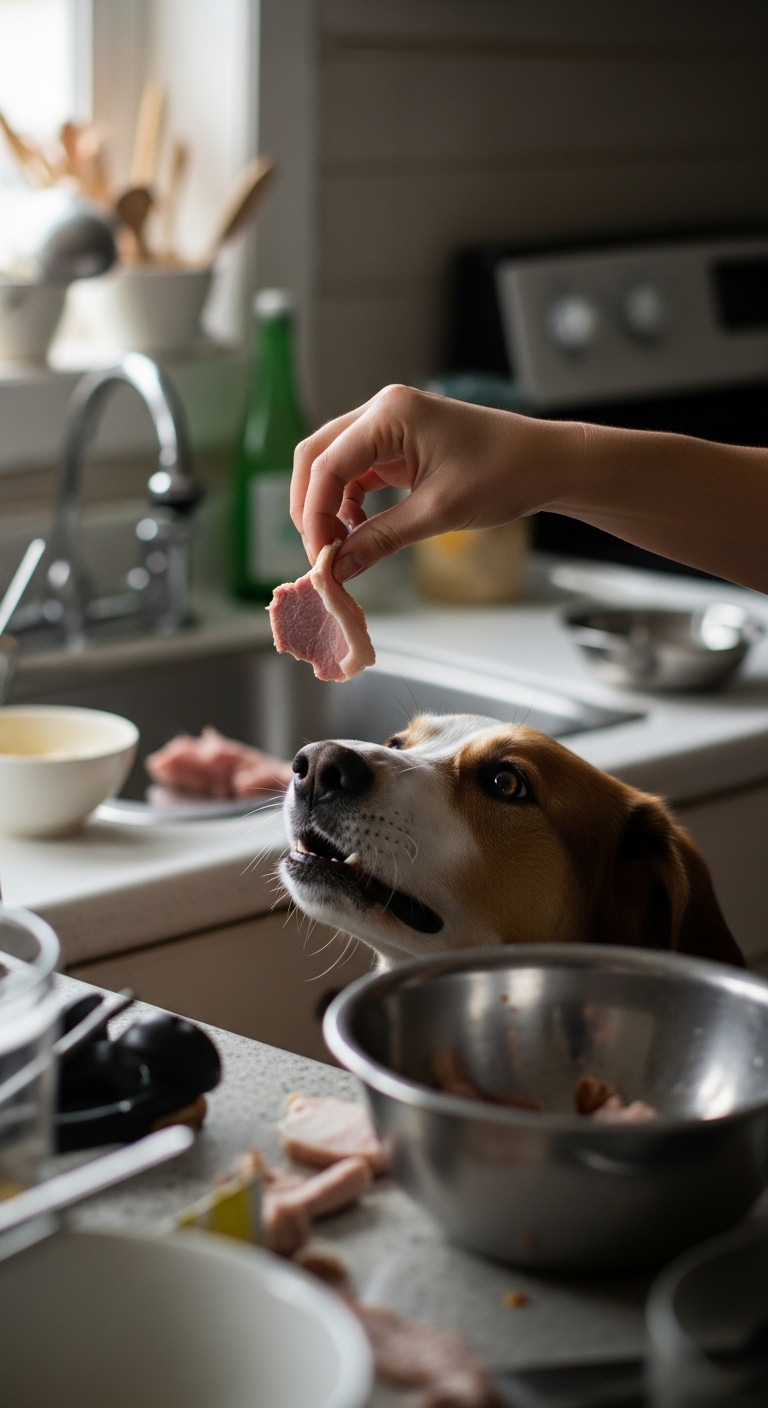
Pork can be a nutritious treat for dogs when prepared and served correctly. Always prioritize safety and moderation to keep your pet healthy.
Frequently Asked Questions
- → Can dogs eat raw pork safely?
No, raw pork should be avoided due to the risk of trichinosis, a parasitic infection that can cause severe illness in dogs. Cooking pork thoroughly kills parasites and bacteria, making it safer for consumption.
- → Is cooked pork good for dogs?
Yes, cooked pork can be beneficial for dogs as it provides high-quality protein and essential nutrients. Ensure it’s plain, unseasoned, and free from bones, fat, and additives like garlic or onions, which are toxic to dogs.
- → How much pork can I give my dog?
The amount of pork depends on your dog’s size, weight, and dietary needs. As a general guideline, treats like pork should make up no more than 10% of your dog’s daily caloric intake. Consult your vet for portion recommendations tailored to your pet.
- → What types of pork should dogs avoid?
Dogs should avoid processed pork products like bacon, ham, sausages, and deli meats. These often contain high levels of salt, preservatives, and spices that can harm your dog’s health, leading to issues like dehydration, pancreatitis, or sodium ion poisoning.
- → Can pork bones be given to dogs?
No, pork bones should never be given to dogs. Cooked bones can splinter and cause choking, intestinal blockages, or perforations. Even raw bones pose risks, as they can break teeth or cause digestive issues. Opt for safer chew alternatives designed for dogs instead.
- → How should I prepare pork for my dog?
Cook pork thoroughly by boiling, baking, or grilling without any seasoning, oil, or marinades. Remove all fat, bones, and skin before serving. Cut into small, bite-sized pieces appropriate for your dog’s size to prevent choking hazards.
- → Are there any risks of feeding pork to dogs?
Potential risks include pancreatitis from high-fat cuts, allergies, or sensitivities, and digestive upset if introduced too quickly. Always monitor your dog for adverse reactions after feeding pork for the first time. If your dog has pre-existing health conditions, consult your vet before adding pork to their diet.