Can dogs eat black beans? It’s a question many pet owners ask when looking for healthy, protein-packed additions to their dog’s diet. Black beans are a common human food, but are they safe for dogs? The answer isn’t as simple as yes or no: it depends on how they’re prepared and served. Many dog owners want to share nutritious foods with their pets, but it’s important to know which ingredients are safe and which could cause harm. Feeding your dog the wrong foods can lead to digestive upset, toxicity, or long-term health issues, so understanding what’s safe is key to keeping your pup happy and healthy.
I remember when I first tried adding black beans to my dog’s dinner: he sniffed it cautiously before deciding it wasn’t worth the effort. Not every dog will love the taste, but knowing the right way to serve them can make a difference if you want to experiment.
Key Things to Understand
- Black beans are non-toxic to dogs in moderation: but they should never be seasoned with salt, garlic, onions, or spices.
- Raw or undercooked black beans contain lectins: which can cause vomiting or diarrhea in dogs.
- Canned black beans often have high sodium content: which can lead to dehydration or sodium ion poisoning over time.
- Dogs with kidney issues or those prone to bladder stones: should avoid black beans due to their purine content.
- Introduce black beans slowly: to avoid sudden digestive upset, starting with small amounts.
What to Look For
When considering black beans for your dog, pay attention to how they react after eating them. Some dogs may experience gas, bloating, or loose stools, especially if they’re not used to high-fiber foods. Watch for signs of discomfort like pacing, whining, or reluctance to move after meals. If your dog has never eaten beans before, start with a tiny portion: about a teaspoon for small dogs or a tablespoon for larger breeds, and observe them for 24 hours. Also, check the ingredient list if you’re using canned beans: avoid any with added preservatives, artificial flavors, or excessive sodium. Freshly cooked, plain black beans are always the safest option, but even then, moderation is key.
I once gave my neighbor’s dog a spoonful of black beans as a treat, only to find out later they were seasoned with onion powder. The poor pup ended up at the vet that night: it was a hard lesson in always checking ingredients. Even “harmless” human foods can be dangerous if they contain hidden additives.
Serving Black Beans Safely
If you decide to include black beans in your dog’s diet, preparation matters. Start by rinsing canned beans thoroughly to reduce sodium, or better yet, cook dried beans from scratch without any seasoning. Mash them lightly to make digestion easier, especially for senior dogs or those with dental issues. Mix a small amount into their regular food to see how they tolerate it: some dogs might not like the texture or taste at all. If your dog has a sensitive stomach, black beans might not be the best choice, as their high fiber content can sometimes cause more harm than good.
Alternatives to Black Beans
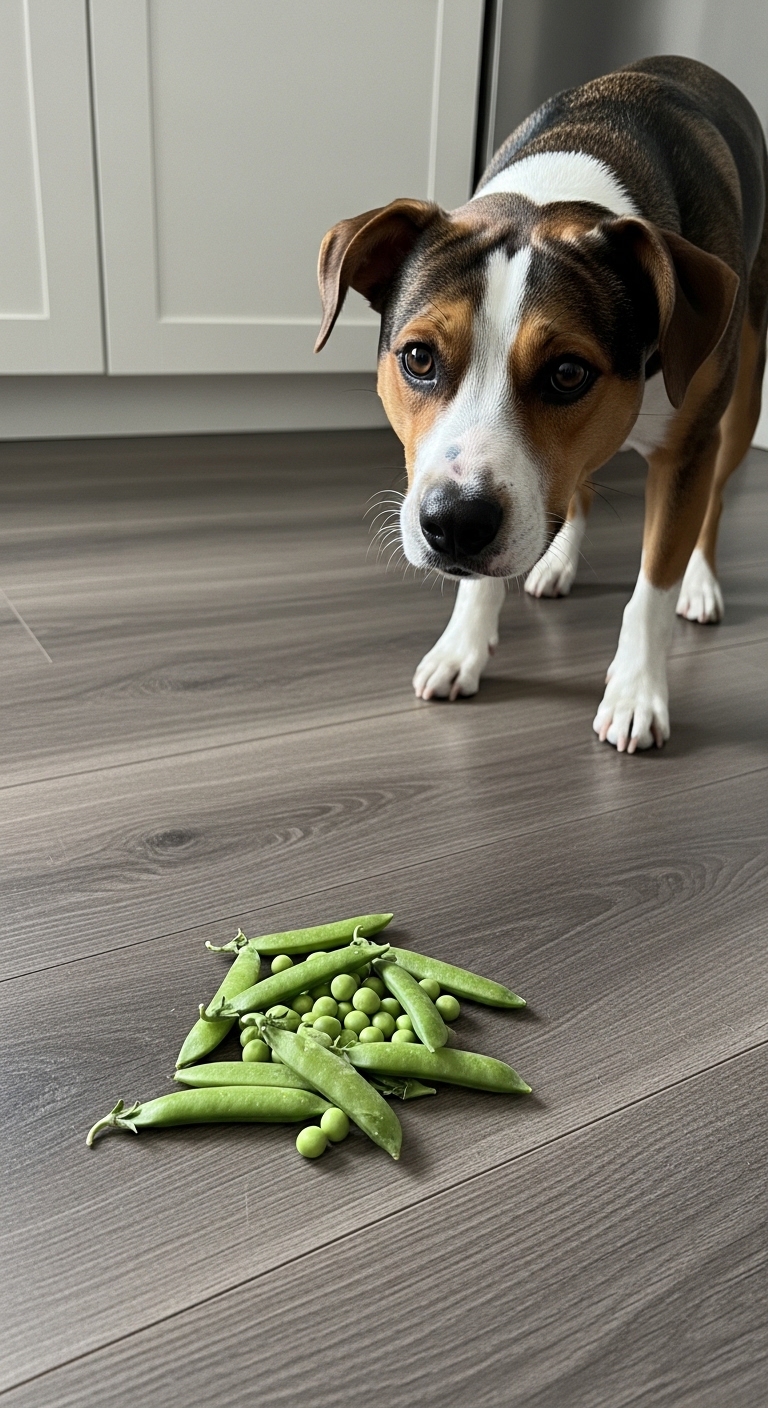
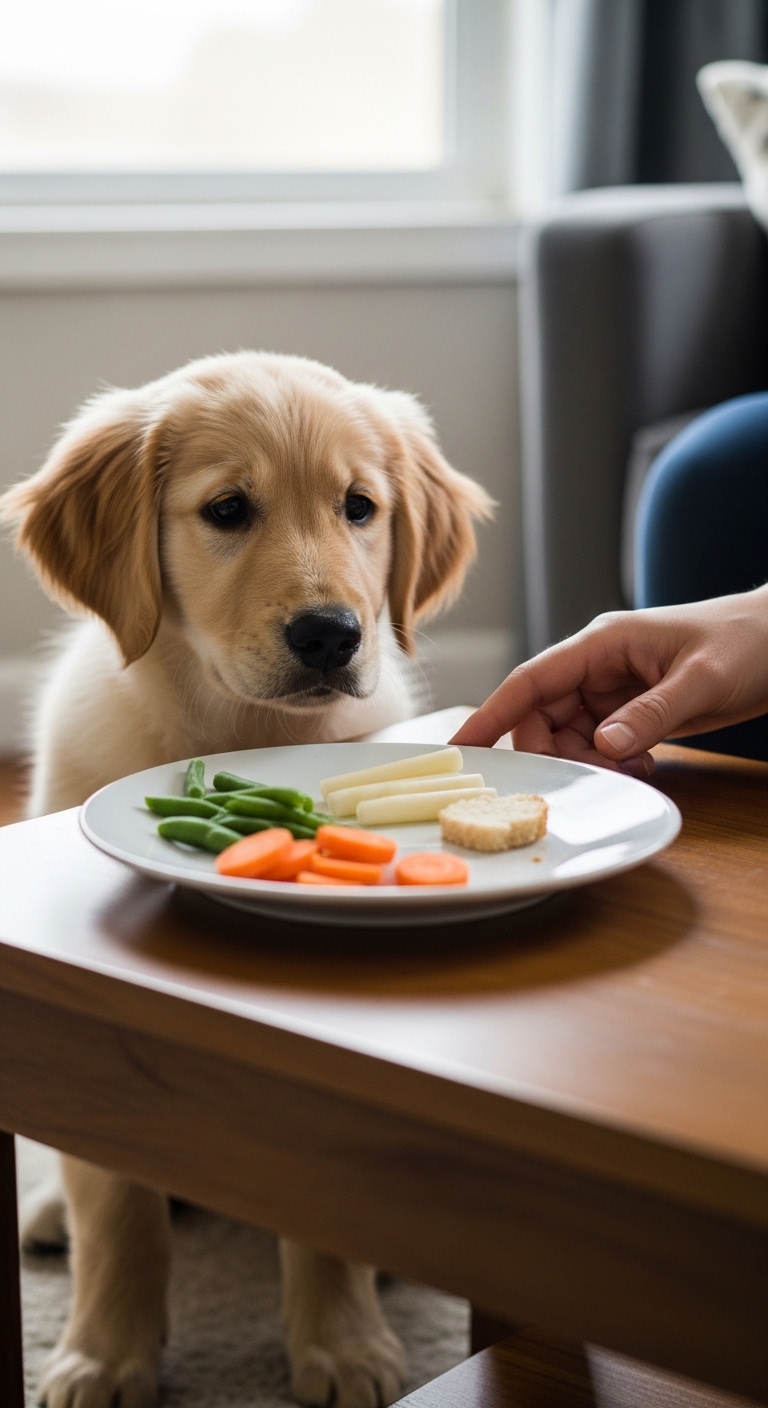
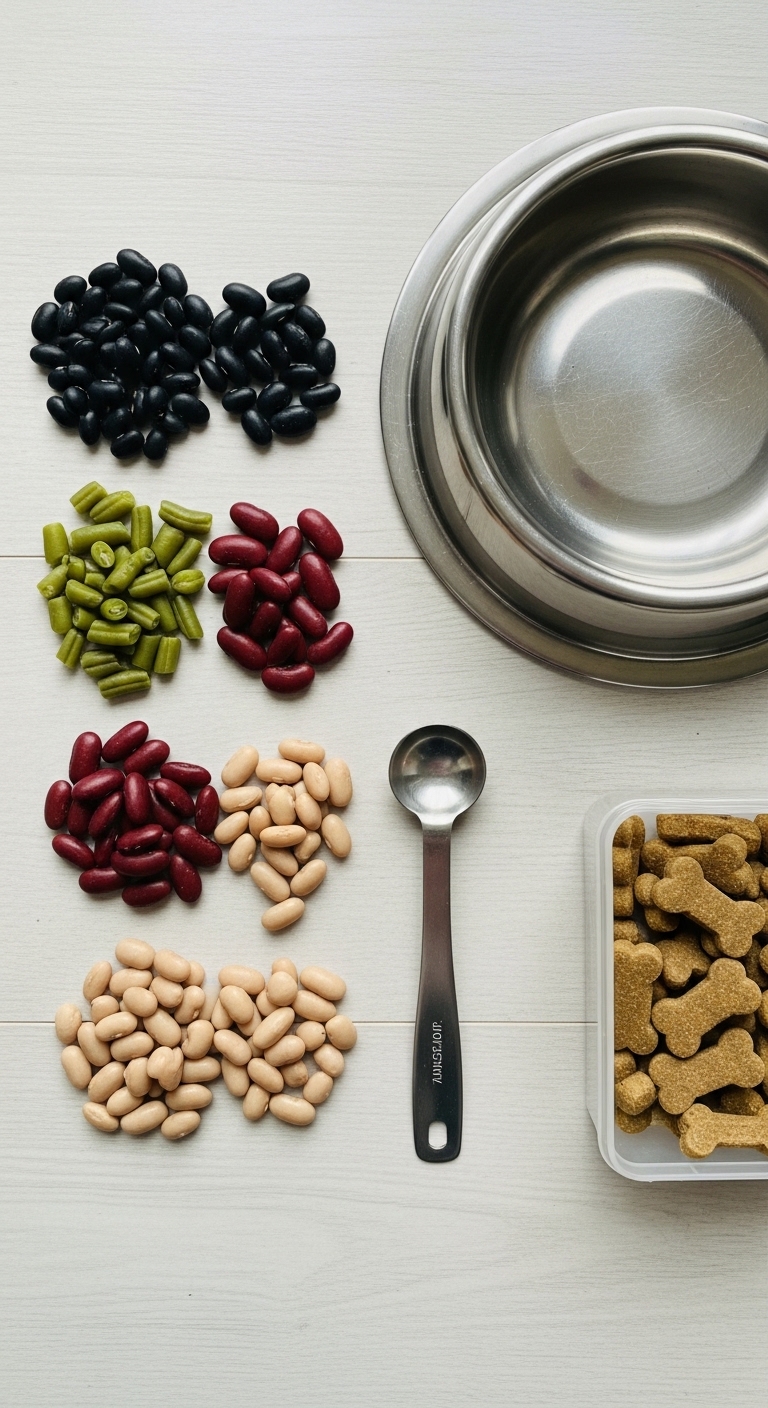
If black beans don’t agree with your dog, there are plenty of other safe and nutritious options. Green beans, for example, are low in calories and high in fiber, making them a great choice for weight management. Lentils are another protein-rich alternative that’s easy to digest. Sweet potatoes are packed with vitamins and can be served cooked and mashed. Always introduce new foods gradually and in small portions to avoid digestive upset.
When to Skip Black Beans Altogether
Some dogs should never eat black beans, no matter how they’re prepared. Dogs with kidney disease need to avoid high-purine foods like beans to prevent further strain on their organs. Puppies and very small breeds may struggle with the fiber content, leading to bloating or constipation. If your dog has a history of gastrointestinal issues, it’s best to consult your vet before adding beans to their diet.
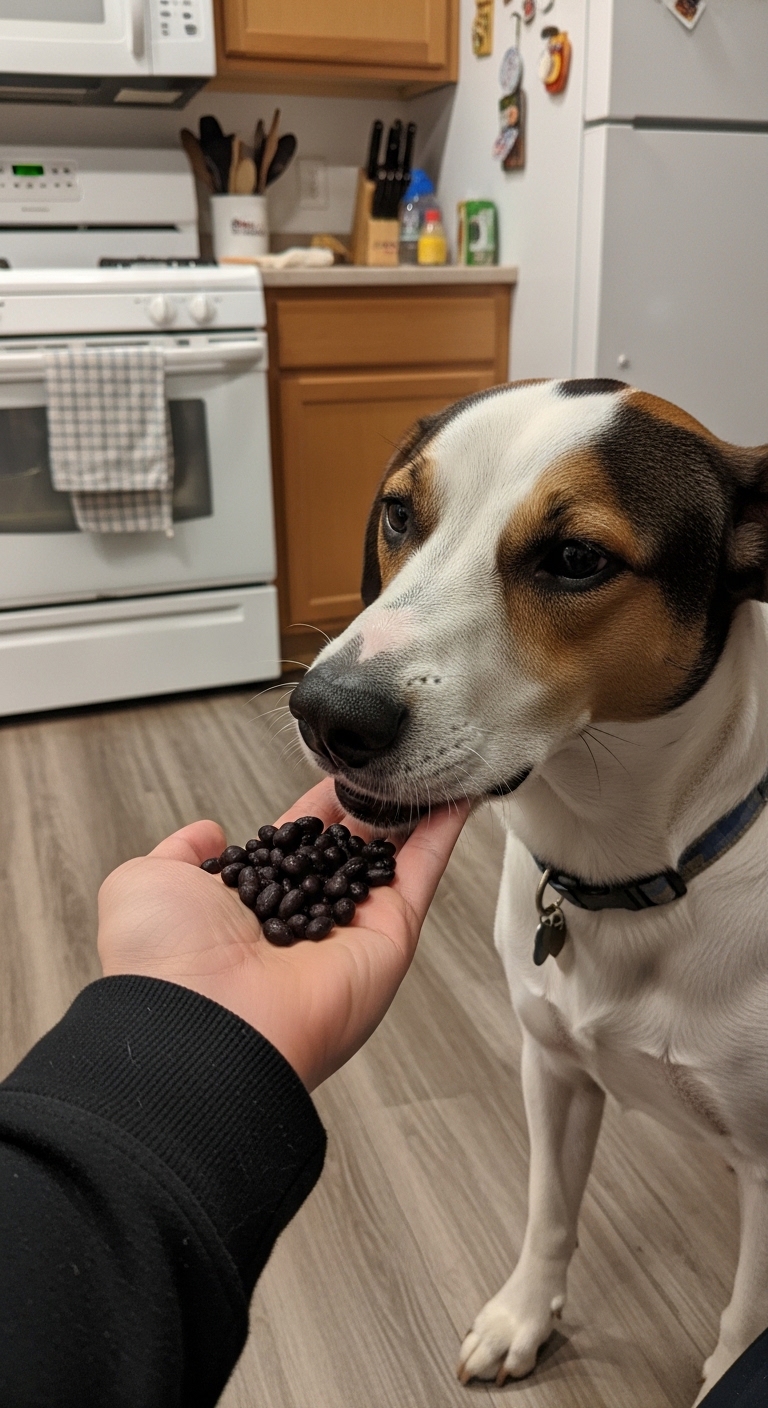
Feeding your dog the right way ensures their health and happiness.
Frequently Asked Questions
- → Are black beans safe for all dogs?
While black beans are generally safe for most dogs, individual tolerance varies. Some dogs may experience digestive upset, especially if they have sensitive stomachs or are not used to high-fiber foods. Always introduce black beans slowly and in small amounts to assess your dog's reaction.
- → How should I prepare black beans for my dog?
Cook black beans thoroughly by boiling or steaming until soft, with no added salt, spices, or seasonings. Avoid canned beans, as they often contain sodium and preservatives. Rinse dried beans well before cooking to remove any dirt or debris.
- → Can puppies eat black beans?
Puppies can eat black beans in moderation, but their digestive systems are more sensitive. Start with a very small amount (e.g., a teaspoon) and monitor for any signs of discomfort. Consult your vet before introducing new foods to puppies.
- → What are the benefits of black beans for dogs?
Black beans are rich in protein, fiber, folate, and magnesium, which support muscle health, digestion, and energy levels. They can also help manage weight by providing a low-calorie, nutrient-dense snack. However, they should complement, not replace, a balanced diet.
- → How much black beans can I give my dog?
Portion sizes depend on your dog's size. Small dogs can have up to a teaspoon of mashed black beans, while larger breeds can handle up to a tablespoon. Black beans should make up no more than 10% of your dog's daily caloric intake to avoid digestive issues.
- → What are the risks of feeding black beans to dogs?
Raw or undercooked black beans contain lectins and phytates, which can cause toxicity or digestive upset. Canned beans may have high sodium content, leading to dehydration or sodium ion poisoning. Always cook black beans thoroughly and avoid seasonings.
- → Can black beans help with my dog's digestion?
The fiber in black beans can support healthy digestion and regular bowel movements. However, too much fiber can cause gas or diarrhea, so introduce black beans gradually and in moderation. Monitor your dog's stool consistency after feeding.