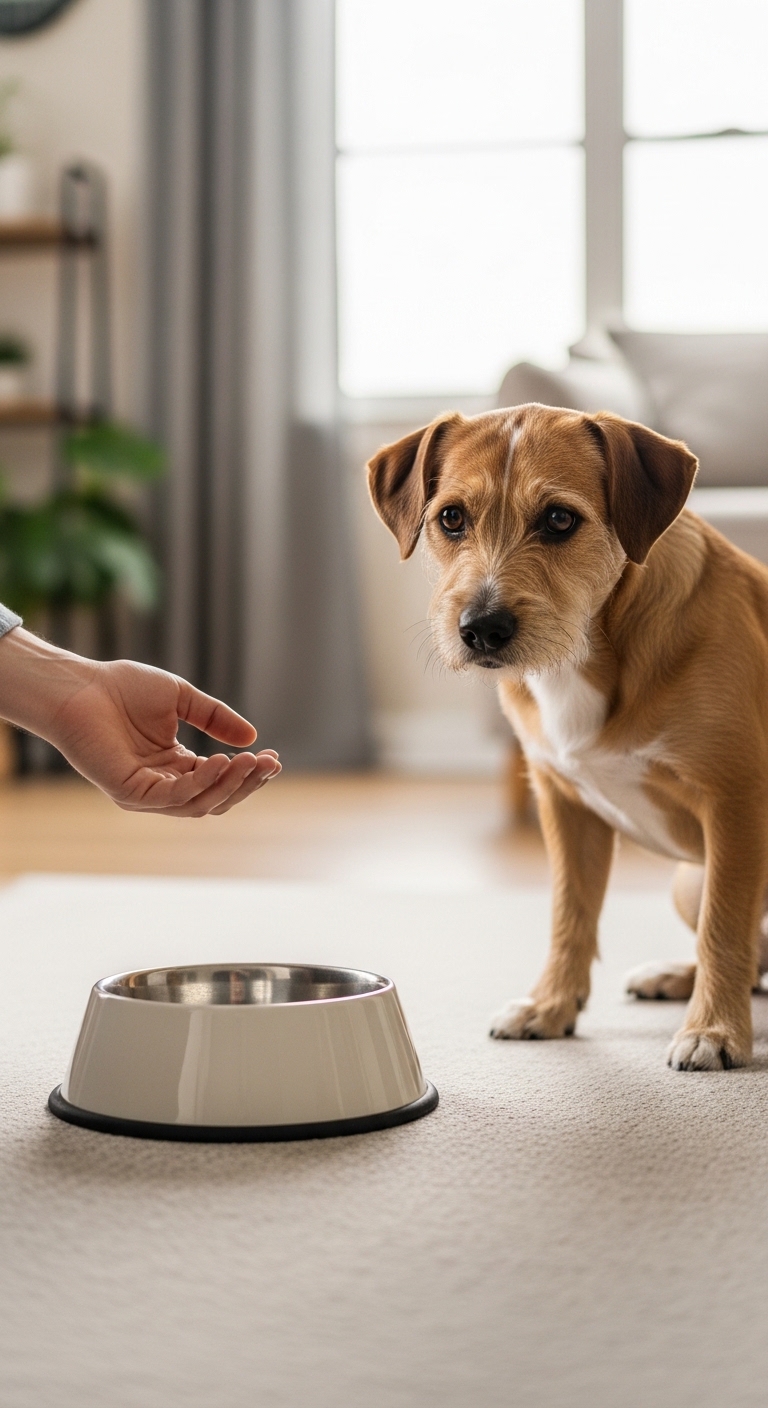
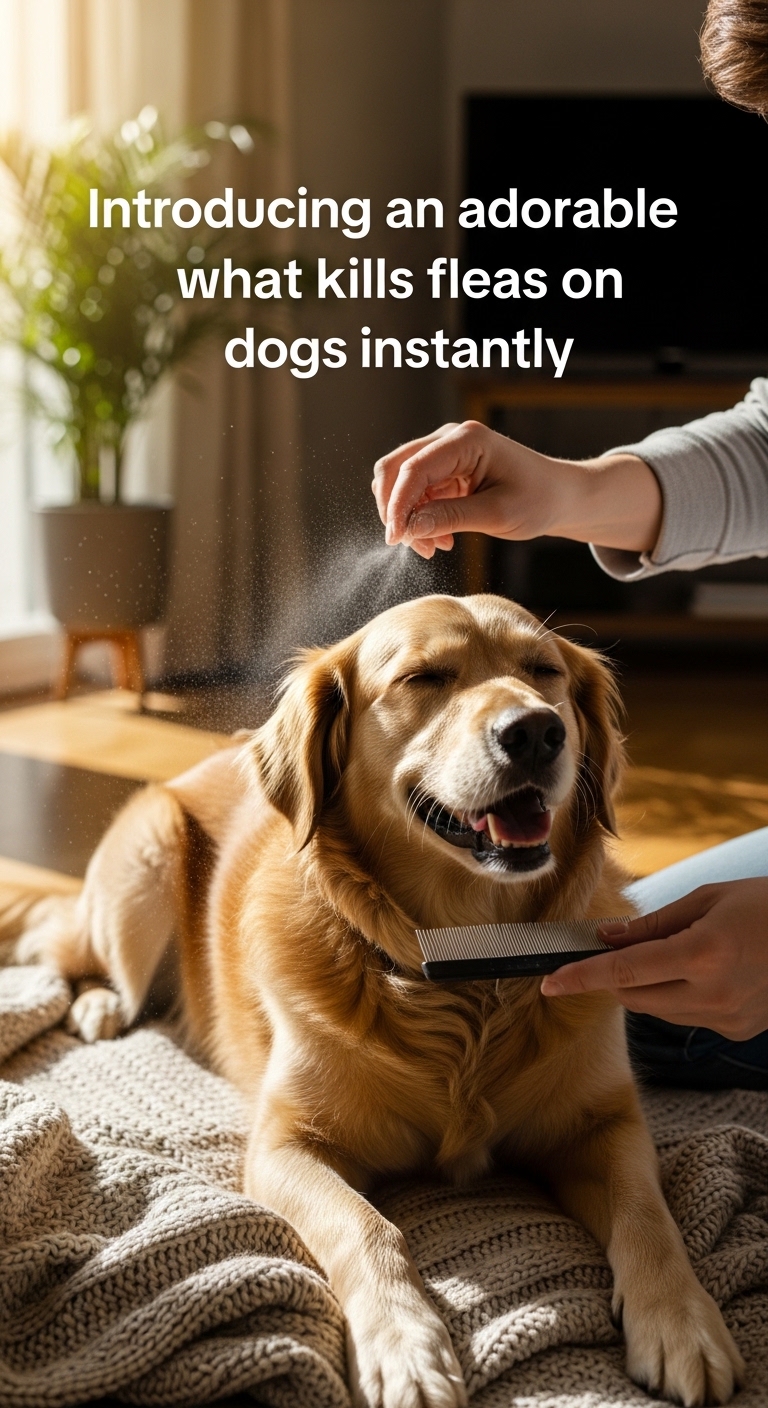
Must love dogs. They bring joy, routine, and a little chaos into our lives. Whether it’s the wagging tail after work or the way they seem to know exactly when dinner is served, dogs have a way of making everyday moments feel special. But loving a dog also means understanding their needs, from the food they eat to the way they move and play. It’s not just about affection: it’s about creating a life that works for both of you.
Think of it like this: the more you notice about your dog’s habits, the easier it is to catch small changes before they become big problems.
Key Things to Understand
- A dog’s happiness often starts with their daily routine: Feeding times, walks, and play should happen at consistent times to avoid stress or anxiety.
- Their diet plays a huge role in energy levels and health: Cheap food might save money now, but it can lead to bigger issues later.
- Exercise isn’t just about burning energy: It’s about mental stimulation too. A tired dog is usually a well-behaved dog.
- Pay attention to their body language: Excessive scratching or hiding can signal discomfort or illness. Even small changes in their environment, like new furniture or loud noises, can affect them more than you realize.
What to Look For
Watch how your dog interacts with their surroundings. A dog that suddenly avoids certain areas of the house might be dealing with pain or anxiety. Notice their coat and skin: dull fur, flakes, or red patches can mean allergies or skin infections. Their eyes should be clear and bright, not watery or cloudy. Pay attention to their energy levels: a dog that’s sleeping more than usual or seems uninterested in play might not be feeling well. Also, observe their eating habits. A sudden loss of appetite or excessive thirst can be early signs of health issues. Even their poop tells a story: changes in color, consistency, or frequency are worth noting.
Daily Care Habits
Small routines add up to a happier dog. Brushing their teeth a few times a week prevents dental disease, which is one of the most common health issues in dogs. Keeping their paws clean after walks removes dirt and chemicals that can irritate their skin. Even something as simple as trimming their nails regularly saves them from pain and posture problems later. A quick daily check for ticks or burrs after outdoor time can prevent bigger issues down the road.
Choosing the Right Product
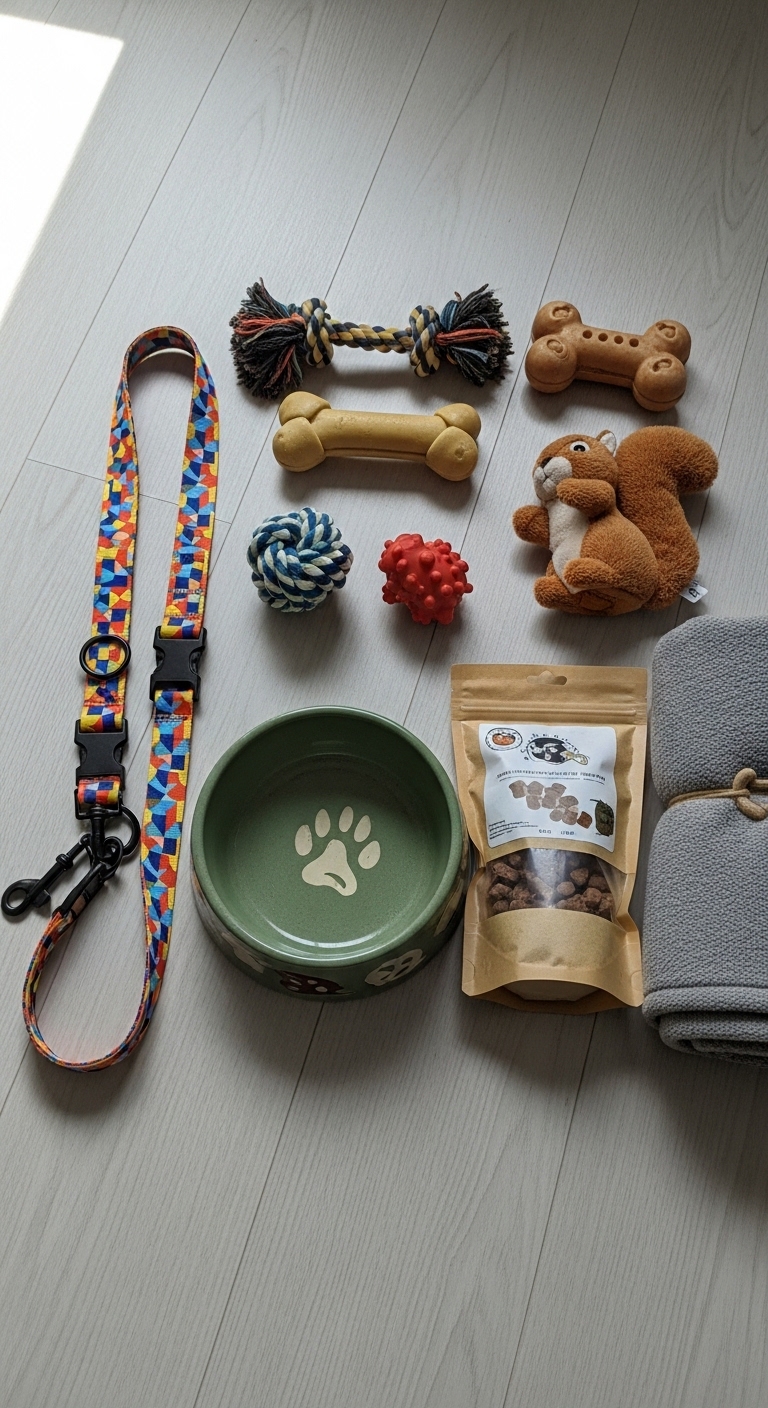
Not all dog products are created equal. When picking food, look for real meat as the first ingredient and avoid artificial additives. For toys, choose durable materials like rubber or nylon over flimsy plastic that can break and become a choking hazard. Beds should be supportive but easy to clean, especially if your dog sheds a lot. Collars and leashes should fit snugly but not too tight: you should be able to fit two fingers between the collar and their neck. Always read reviews and ask other dog owners for recommendations before buying anything new.
Safety and Comfort
Your home should be a safe space for your dog. Keep toxic plants, cleaning supplies, and small objects out of reach. Secure trash cans to prevent scavenging, which can lead to dangerous blockages. If you have stairs, consider a ramp or gate to help older dogs or those with joint issues. During hot weather, watch for overheating: panting, drooling, or lethargy are signs to act fast. In colder months, check their paws for ice buildup or cracks. Even something as simple as a cozy bed in a quiet corner can make a world of difference in their comfort.
Understanding your dog’s needs is the first step to a happier, healthier life together. Small changes make a big difference.
Frequently Asked Questions
- → What are the best foods to show love to my dog?
High-quality dog food rich in protein, healthy fats, and essential vitamins is key. Consider adding occasional treats like boiled chicken, carrots, or dog-safe peanut butter for extra love.
- → How often should I groom my dog?
It depends on the breed, but generally, brushing 2-3 times a week and bathing once a month is ideal. Regular grooming prevents matting, reduces shedding, and keeps their skin healthy.
- → What’s the best way to bond with my dog?
Spend quality time together through walks, playtime, or training. Positive reinforcement, like treats and praise, helps build trust and strengthens your connection.
- → How much exercise does my dog need daily?
Most dogs need at least 30 minutes to 2 hours of exercise, depending on their breed and energy level. Short walks, fetch, or agility games can keep them active and happy.
- → Why does my dog follow me everywhere?
Dogs are pack animals and naturally want to stay close to their loved ones. It’s a sign of affection and trust—they see you as their protector and companion.
- → Can I share human food with my dog?
Some human foods are safe in moderation, like plain cooked chicken or carrots, but avoid toxic foods like chocolate, grapes, and onions. Always check with your vet first.