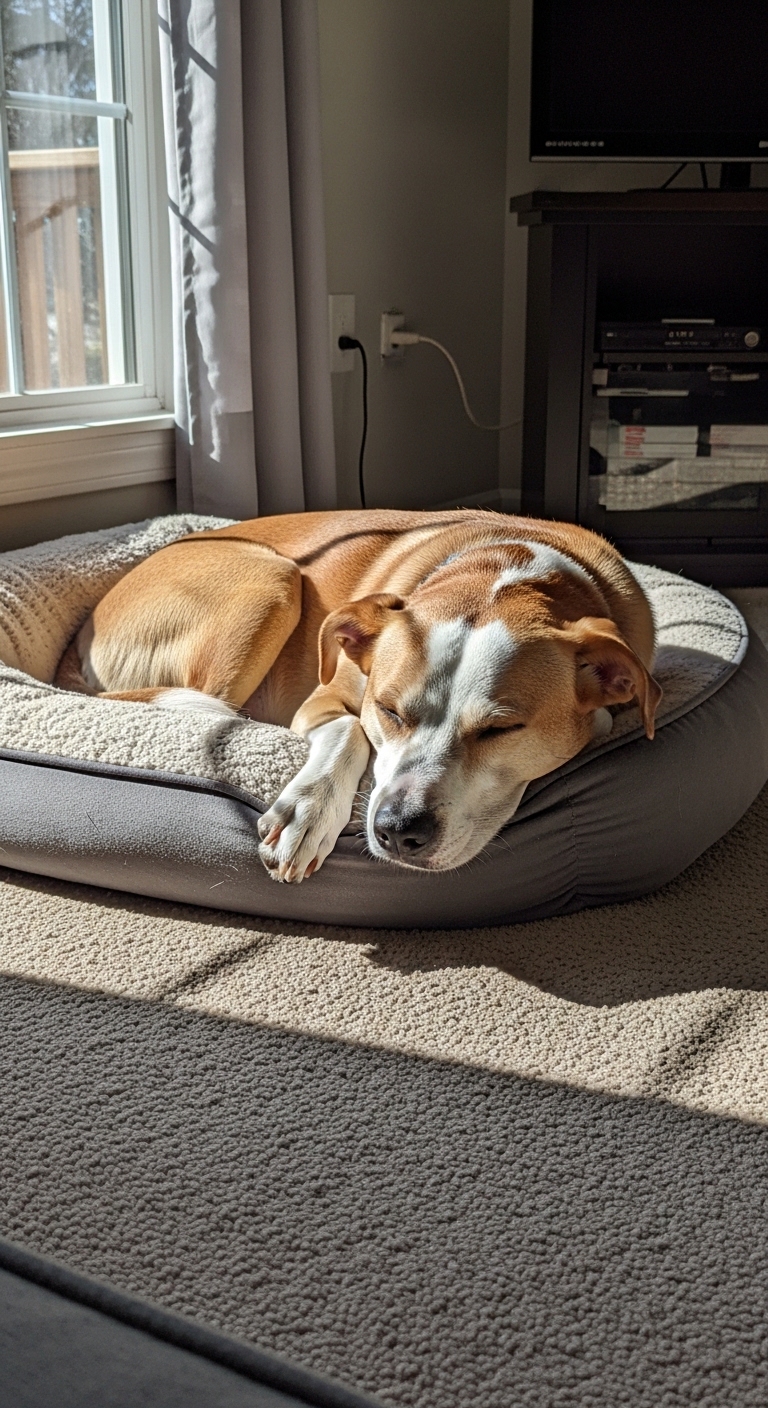
Fleas are more than just a nuisance: they can turn your dog’s life into a constant itch fest and even bring stress to your household. A single flea bite can trigger relentless scratching, skin infections, or allergies, while an infestation spreads quickly through carpets, bedding, and furniture. Left unchecked, fleas can also transmit tapeworms or cause anemia in severe cases, especially in puppies or small breeds. Finding a fast, effective solution isn’t just about comfort: it’s about protecting your dog’s health and keeping your home peaceful.
I remember once treating my neighbor’s dog with a natural spray that worked in hours: no harsh chemicals, just a quick solution that left the pup happy and the fleas gone.
Key Things to Understand
- Fleas multiply fast, so speed matters: An adult flea can lay up to 50 eggs a day, meaning an infestation can spiral out of control in days if not addressed immediately.
- Not all flea treatments work the same: Some kill only adult fleas, while others disrupt the life cycle by targeting eggs and larvae, which is key to long-term control.
- Natural remedies like diatomaceous earth or essential oils can help: They aren’t always reliable for severe infestations and work best as a supplementary measure.
- Prescription treatments from your vet: Oral medications or topical spot-ons often provide the fastest and most thorough results.
- Environmental cleanup is just as important as treating your dog: Flea eggs and larvae hide in carpets, furniture, and outdoor spaces, so vacuuming and washing bedding are critical steps.
What to Look For
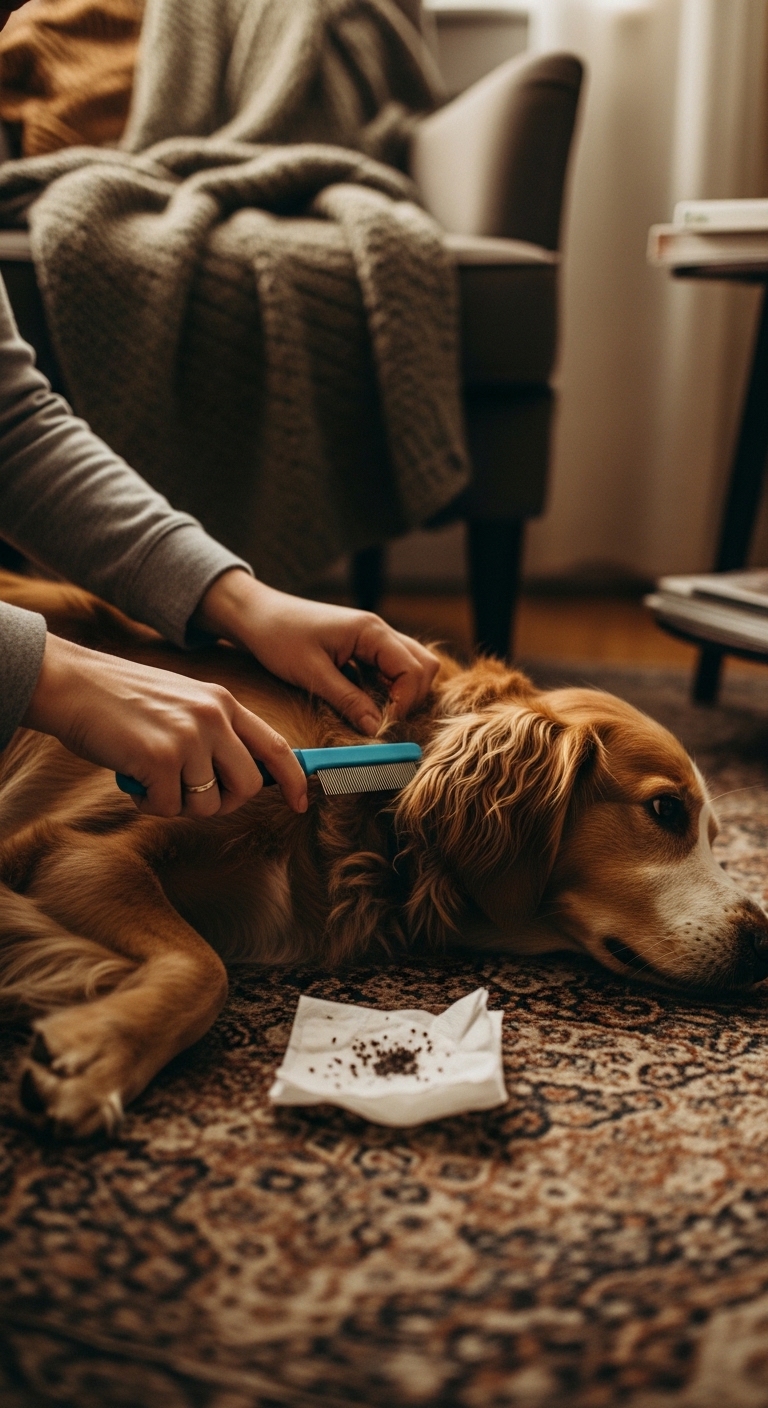
Watch for excessive scratching, biting, or licking, especially around the tail, groin, or ears. These are prime flea hotspots where they feed and hide. If you see tiny black specks (flea dirt) on your dog’s skin or bedding, it’s a sign of an active infestation: flea dirt is actually digested blood and a clear indicator you need to act fast.
Check your dog’s coat regularly, especially after walks or playtime in grassy or wooded areas. Fleas thrive in warm, humid environments, so pay extra attention during summer months or in humid climates.
Look for red, irritated skin or hair loss, which can develop from constant scratching or flea allergy dermatitis. Some dogs are highly sensitive to flea saliva, leading to severe reactions even from a single bite.
Inspect your home for signs of fleas, like tiny jumping insects or eggs in carpets, pet bedding, or furniture seams. Flea eggs resemble grains of salt and are often found in clusters near where your dog rests.
I once saw a client stop treatment after a week, only to have fleas return within days because they missed a hidden batch of eggs. Consistency is key.
Fast-Acting Flea Treatments
When fleas strike, you need solutions that work quickly to relieve your dog’s discomfort and stop the infestation in its tracks. Over-the-counter sprays with ingredients like fipronil or selamectin can kill fleas within 24 hours, while oral medications like nitenpyram start working in as little as 30 minutes. For severe cases, your vet might recommend stronger prescription treatments that provide near-instant relief. Always follow the dosage instructions carefully to avoid under- or over-treating your dog.
Natural Remedies That Actually Work
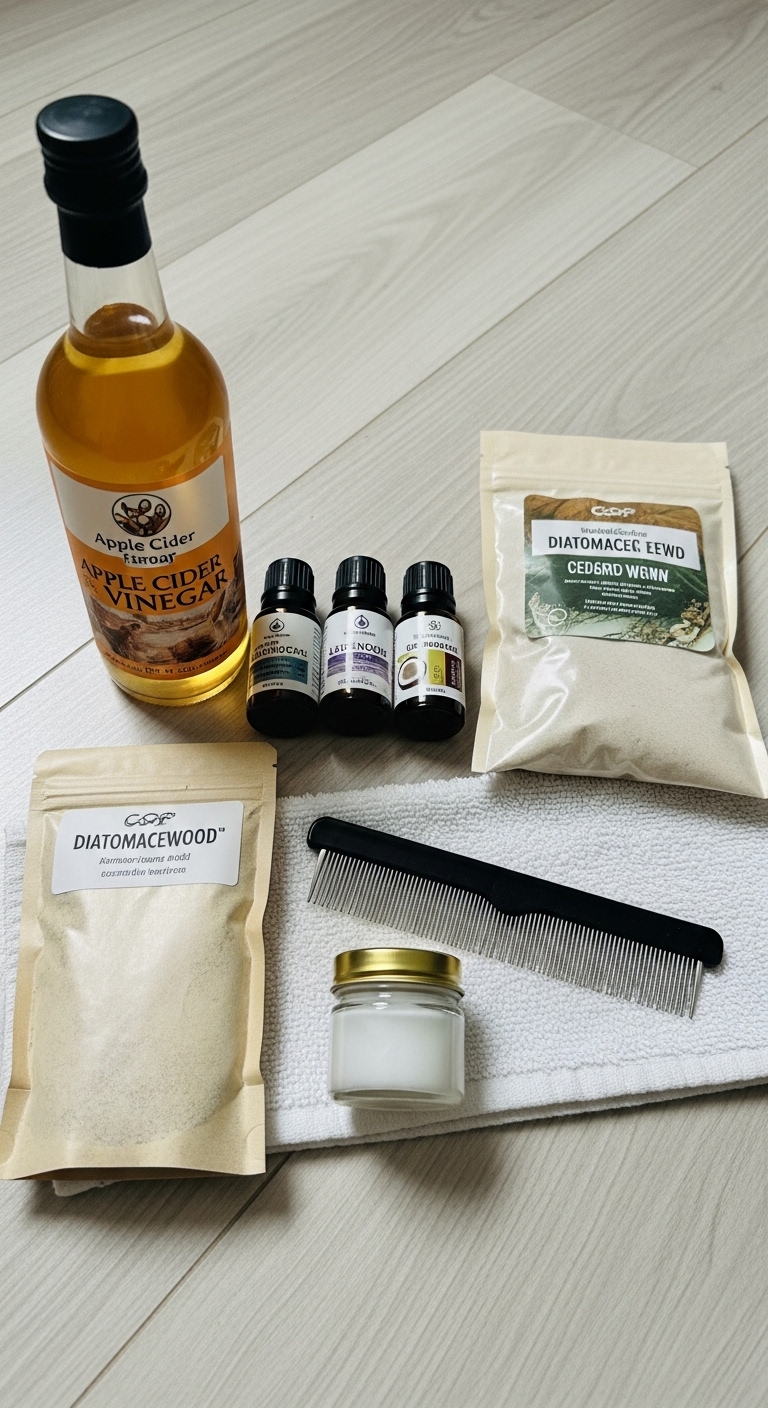
If you prefer a gentler approach, some natural remedies can help repel or kill fleas without harsh chemicals. Diatomaceous earth, a fine powder made from fossilized algae, dehydrates fleas on contact and is safe for dogs when used correctly. Essential oils like lavender or cedarwood can also act as natural repellents, but they must be diluted properly to avoid skin irritation. While these methods can be effective for mild infestations, they often work best when combined with other treatments for full control.
Breaking the Flea Life Cycle
Fleas don’t just live on your dog: they infest your home, too. To truly eliminate them, you need to target all stages of their life cycle: eggs, larvae, pupae, and adults. Use a flea comb daily to remove live fleas and eggs from your dog’s coat, and vacuum carpets, furniture, and pet bedding thoroughly to pick up hidden pests. Washing your dog’s bedding in hot water and using flea sprays on upholstery can also help. Without addressing the environment, fleas will keep coming back, no matter how many times you treat your dog.
When to Call the Vet
While many flea treatments are available over the counter, some situations require professional help. If your dog has a severe allergic reaction to flea bites, develops open sores from scratching, or shows signs of anemia (pale gums, lethargy), it’s time to see the vet. Puppies, senior dogs, or those with pre-existing health conditions also need extra caution when using flea treatments. Your vet can recommend safe, effective options tailored to your dog’s needs and may prescribe stronger medications if necessary.
Fleas are a persistent problem, but with the right approach, you can protect your dog and restore peace to your home.
Frequently Asked Questions
- → What kills fleas on dogs instantly?
Fast-acting flea treatments include vet-approved spot-on medications, oral tablets, and flea shampoos. Products containing fipronil, selamectin, or nitenpyram are designed to kill fleas within hours of application.
- → Are natural remedies effective for killing fleas quickly?
Some natural options like diatomaceous earth or diluted essential oils may help, but results vary. They often take longer to work and may not eliminate fleas as effectively as chemical treatments. Always test on a small area first to check for skin irritation.
- → Can I use flea collars for instant flea relief?
Flea collars can provide long-term protection but are not always the fastest solution. Some collars take up to 48 hours to start working. For immediate relief, combine a collar with a fast-acting topical or oral treatment.
- → How do I treat my home for fleas after using dog treatments?
Wash your dog’s bedding in hot water, vacuum carpets and furniture thoroughly, and use flea sprays or powders in problem areas. Consider professional pest control if the infestation is severe.
- → Are flea treatments safe for puppies?
Not all flea treatments are safe for puppies. Always check the product label for age and weight requirements. Consult your vet before using any flea treatment on young or small dogs to avoid toxicity.
- → How often should I apply flea treatments to my dog?
Follow the product instructions, but most topical treatments last about a month. Oral medications may need monthly or quarterly dosing. Consistency is key to preventing reinfestation.