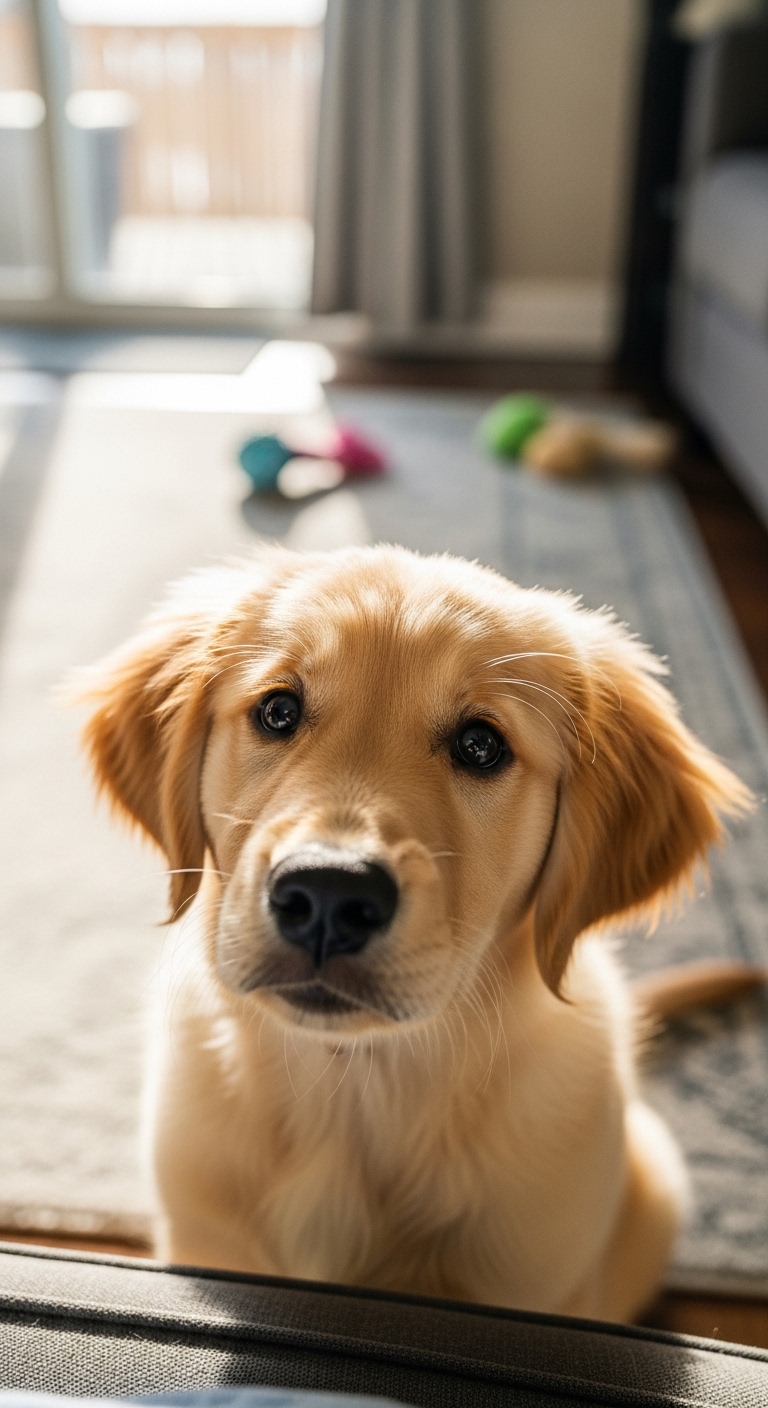
Many pet owners wonder if their dog’s eating habits are normal or if they should be concerned. Understanding what’s typical and what’s not can help you spot issues early and keep your dog healthy.
I remember when my own dog suddenly refused his favorite kibble. At first, I thought he was just being picky, but it turned out to be a sign of an upset stomach. That moment taught me how important it is to pay attention to small changes in eating behavior.
Key Things to Understand
- Dogs have different nutritional needs than humans: Human food isn’t always safe for them.
- Portion control matters: Overfeeding leads to weight gain and health problems.
- Sudden changes in appetite: Can signal illness, stress, or dental issues.
- Toxic foods: Chocolate, grapes, and other harmless human foods can be dangerous for dogs.
- Eating speed: Dogs eat faster than humans, which can cause digestive issues or choking.
What to Look For
Watch for signs that your dog is eating normally, like finishing meals within 10 to 20 minutes without gulping air or regurgitating. A healthy dog should show interest in food at mealtime but not act frantic or aggressive. If your dog skips a meal occasionally, it’s usually not a cause for concern, but frequent refusal could mean something’s wrong. Pay attention to how your dog chews: if they’re suddenly avoiding hard kibble or favoring one side of their mouth, it might point to dental pain. Also, check their stool after meals. Loose or unusually colored stools can indicate food sensitivities or digestive upset.
I once saw a friend’s dog steal a whole chocolate bar off the counter. Within hours, the dog was vomiting and lethargic. That scary moment made me realize how quickly a simple mistake can turn serious. Always keep human snacks out of reach and stick to dog-safe treats.
Daily Care Habits
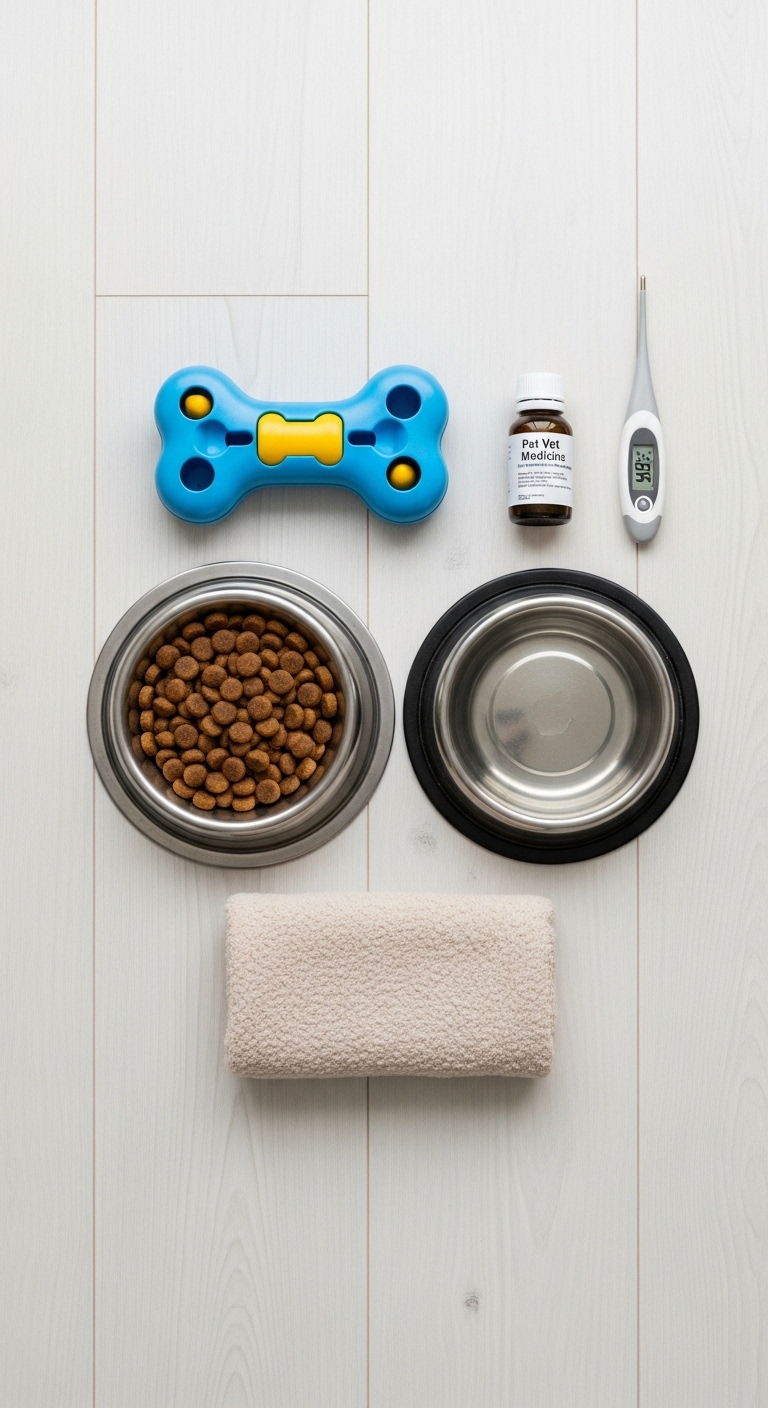
A consistent feeding schedule keeps your dog’s digestion on track and prevents overeating. Most adult dogs do well with two meals a day, while puppies may need three or four smaller portions. Avoid free-feeding dry kibble unless your vet recommends it, as it makes it harder to monitor how much your dog is actually eating. If you work long hours, consider a timed feeder or a puzzle toy to slow down fast eaters and provide mental stimulation.
Choosing the Right Product
Not all dog foods are created equal. Look for brands that list a real meat source as the first ingredient, like chicken, beef, or fish. Avoid foods with vague terms like “meat meal” or excessive fillers such as corn or wheat. Wet food can be a good option for picky eaters or dogs with dental issues, but dry kibble helps clean teeth naturally. If your dog has allergies, grain-free options aren’t always the answer: some dogs do better with limited ingredient diets instead.
Safety and Comfort
Always supervise your dog while they eat, especially if they’re fast eaters. A raised bowl can help large breeds, but it’s not necessary for every dog. Make sure their eating area is quiet and free from distractions, as stress can affect appetite. If your dog gulps their food, try a slow-feeder bowl or scatter kibble on the floor to encourage slower eating. Keep fresh water available at all times, but avoid letting your dog drink too much right after exercise to prevent bloat.
Common Mistakes to Avoid
Giving in to those puppy-dog eyes and feeding table scraps can lead to begging and weight gain. Another mistake is switching foods too quickly, which can upset your dog’s stomach. Don’t assume that because a food is marketed as “natural” or “premium,” it’s the right choice for your dog: always check the ingredients. Also, avoid feeding your dog bones, especially cooked ones, as they can splinter and cause serious internal damage.
Cleaning and Hygiene
Wash your dog’s food and water bowls daily to prevent bacterial growth. Stainless steel or ceramic bowls are easier to clean than plastic, which can harbor germs. If your dog eats wet food, wipe their face after meals to avoid residue buildup that can attract flies or cause skin irritation. Store dry food in an airtight container to keep it fresh and prevent pests. Also, clean the area where your dog eats regularly to discourage ants or rodents.
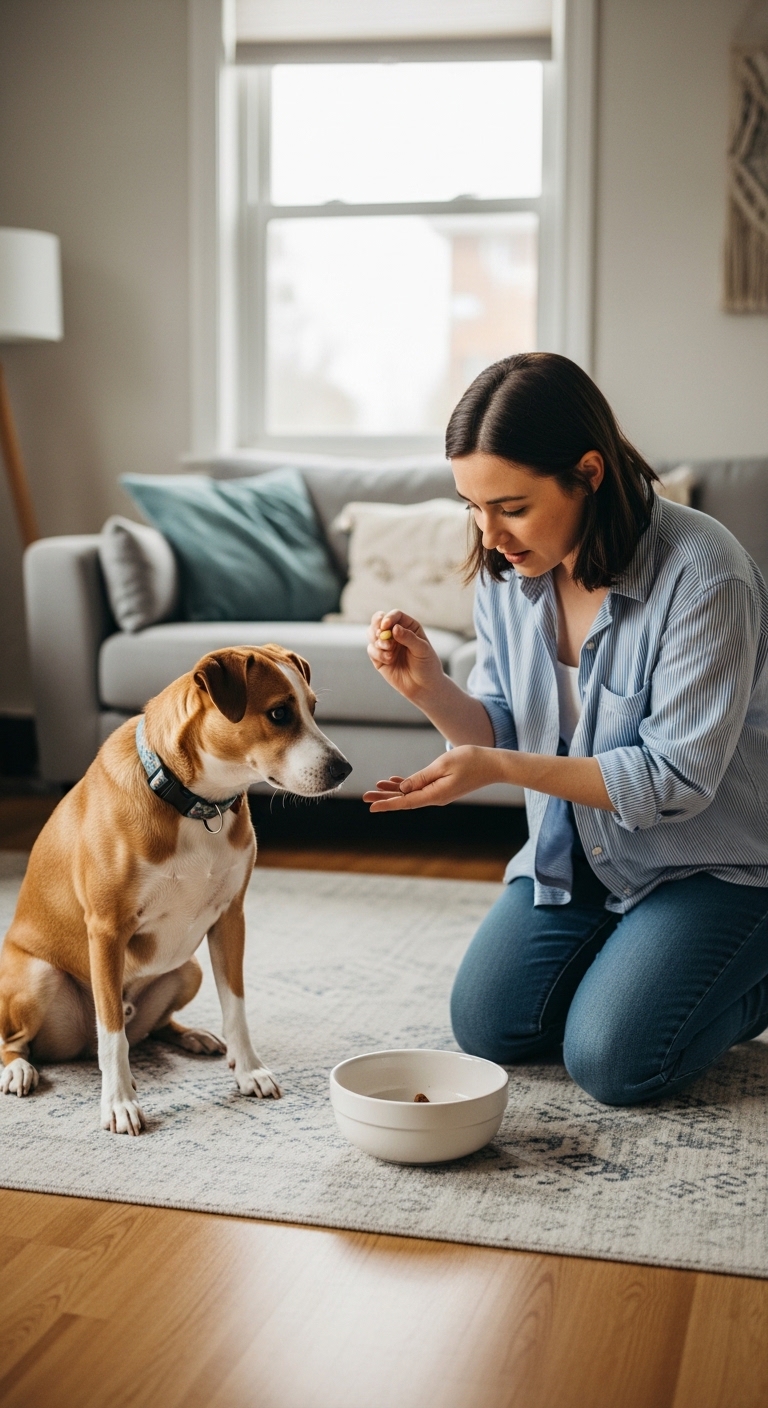
Paying attention to your dog’s eating habits is one of the simplest ways to ensure their long-term health and happiness.
Frequently Asked Questions
- → What human foods are safe for dogs?
Safe human foods for dogs include cooked chicken, turkey, plain rice, carrots, green beans, apples (without seeds), and plain yogurt. Always serve these in moderation and avoid seasonings or additives.
- → Can dogs eat cooked eggs?
Yes, dogs can eat cooked eggs in moderation. Eggs are a good source of protein and healthy fats, but avoid adding salt, pepper, or oil during cooking.
- → Is it safe for dogs to eat chocolate?
No, chocolate is highly toxic to dogs due to theobromine and caffeine. Even small amounts can cause vomiting, diarrhea, or more severe health issues. Keep chocolate out of reach.
- → How should I introduce new foods to my dog?
Start with small portions and monitor your dog for any adverse reactions like vomiting, diarrhea, or lethargy. Introduce one new food at a time to identify potential allergies or sensitivities.
- → Are grapes and raisins safe for dogs?
No, grapes and raisins can cause kidney failure in dogs, even in small amounts. Avoid feeding these fruits to your pet entirely.
- → Can dogs eat peanut butter?
Yes, plain peanut butter without xylitol (a toxic sweetener) is safe for dogs in moderation. It’s a great source of protein and healthy fats, but check the label for additives.