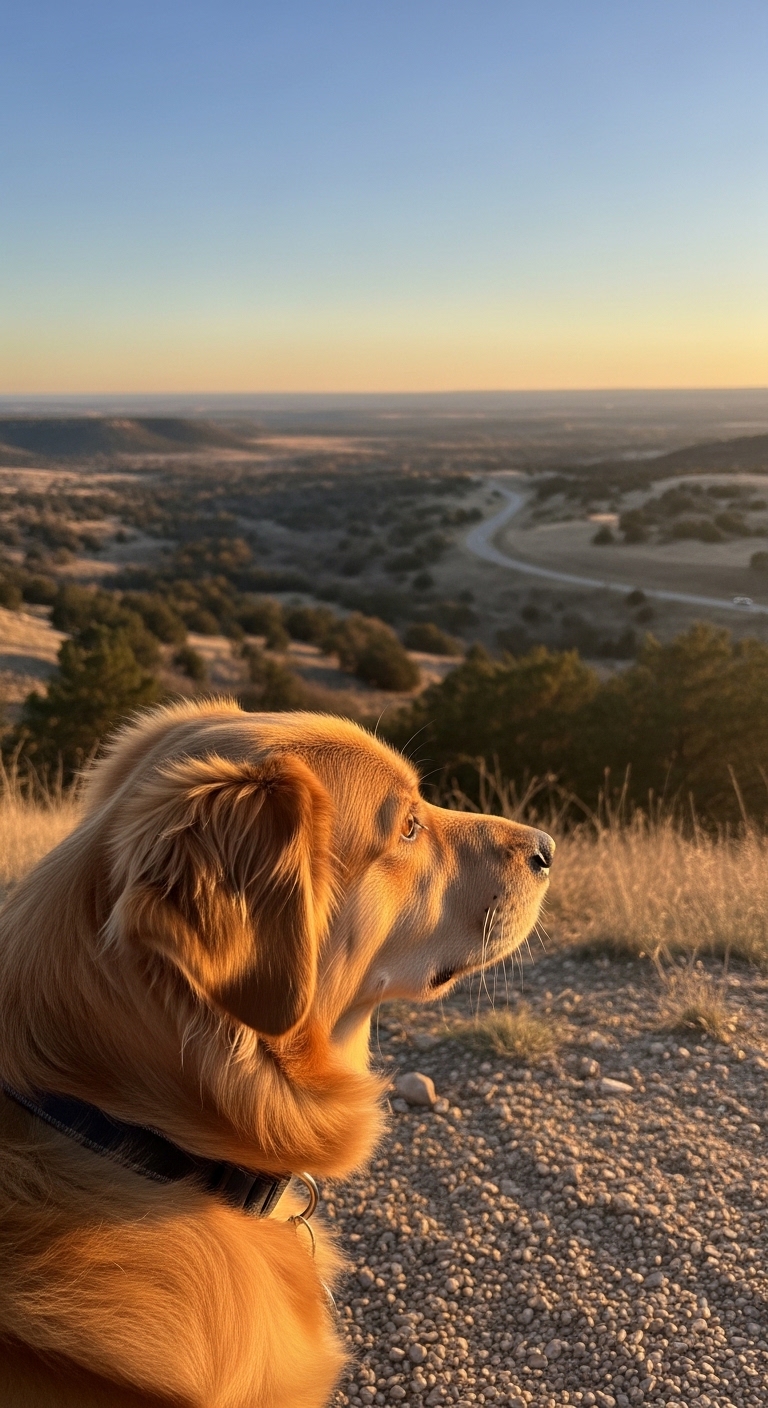
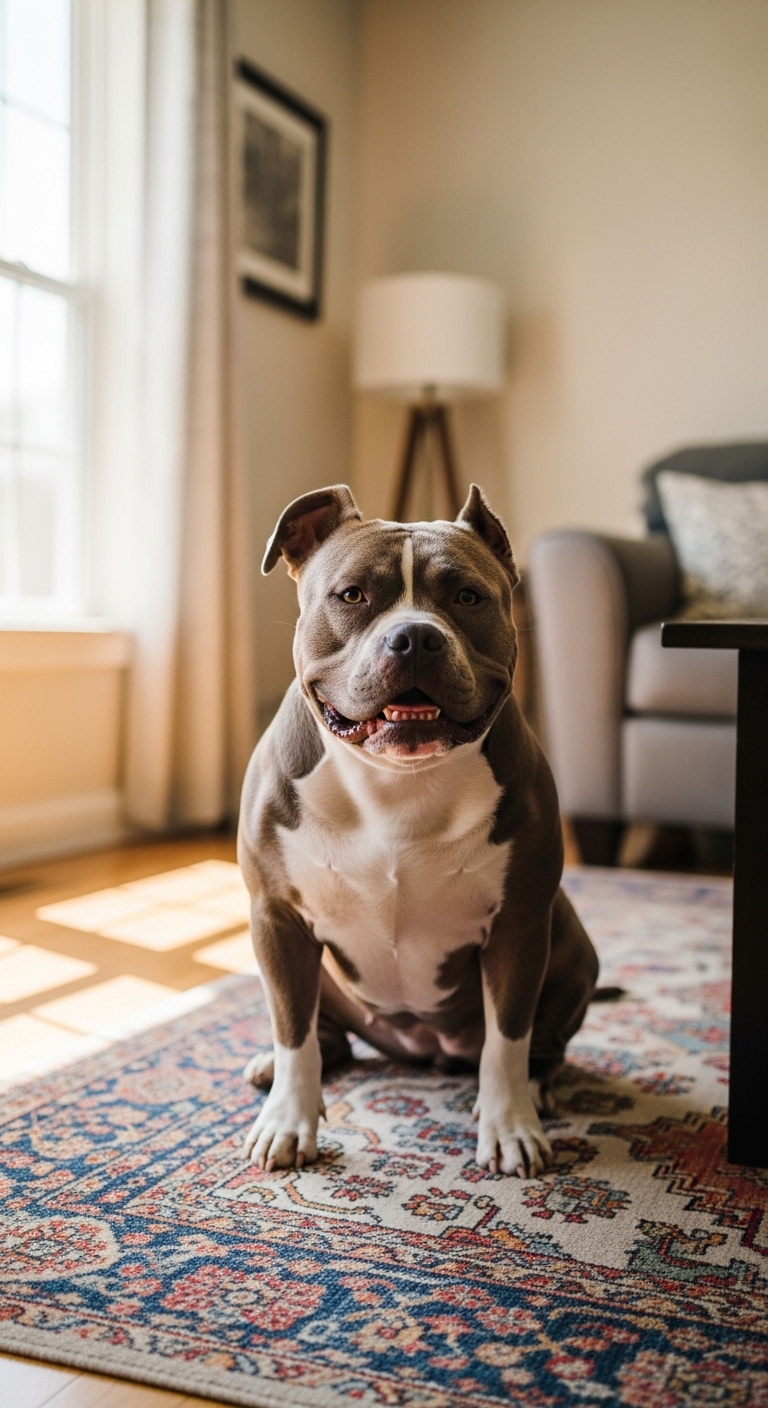
Why do dogs pant isn’t just a random quirk: it’s one of the most common ways they communicate their needs, regulate their temperature, and even signal stress. If you’ve ever wondered why your dog’s tongue is hanging out after a walk or why they seem to breathe heavily when you’re not even around, you’re not alone. Panting is normal in many situations, but it can also hint at deeper issues when it feels excessive or out of place. Understanding this behavior helps you respond better to your dog’s comfort and health, making everyday interactions smoother for both of you.
I’ve seen dogs pant after playtime and after a scary thunderstorm, and those two situations couldn’t feel more different. One is about fun and exercise, the other about stress and relief.
Key Things to Understand
- Panting is your dog’s built-in air conditioner when they’re too warm: Their primary cooling mechanism since they don’t sweat like humans.
- Panting can also be a way to self-soothe when they’re anxious or excited: A behavioral response to emotional states.
- Excessive panting that doesn’t match the situation might point to pain, heatstroke, or an underlying health issue: Always assess context and duration.
- Some breeds with short snouts, like bulldogs or pugs, pant more simply because they struggle to breathe efficiently: Brachycephalic breeds have unique respiratory challenges.
- Older dogs or those with heart or lung conditions may pant more often than younger, healthier dogs: Age and health play a significant role.
What to Look For
Watch how your dog pants after different activities. A quick recovery after a short walk usually means they’re just cooling off, while panting that lingers long after they’ve stopped moving could signal overheating. Notice the sound: loud, raspy breathing might indicate a respiratory problem, while a softer, rhythmic pant is often just normal. Pay attention to the context: if your dog pants heavily during a car ride or vet visit, it’s likely stress rather than exercise. Also, check their gums and tongue color. Bright red or pale gums alongside heavy panting can be an emergency sign.
I once ignored a dog’s heavy panting after a long hike because I thought it was normal. By the time we got home, they were clearly overheated and needed cooling measures right away. It was a good reminder that even familiar panting can cross into risky territory.
When to Worry About Panting
Panting that lasts for hours without explanation is worth a call to your vet. Sudden, unexplained panting in a dog that’s usually calm could signal pain or illness. Panting at night when your dog is normally settled might point to heart or respiratory issues. If your dog’s panting is accompanied by coughing, blue gums, or collapse, treat it as an emergency.
How to Help Your Dog Cool Down
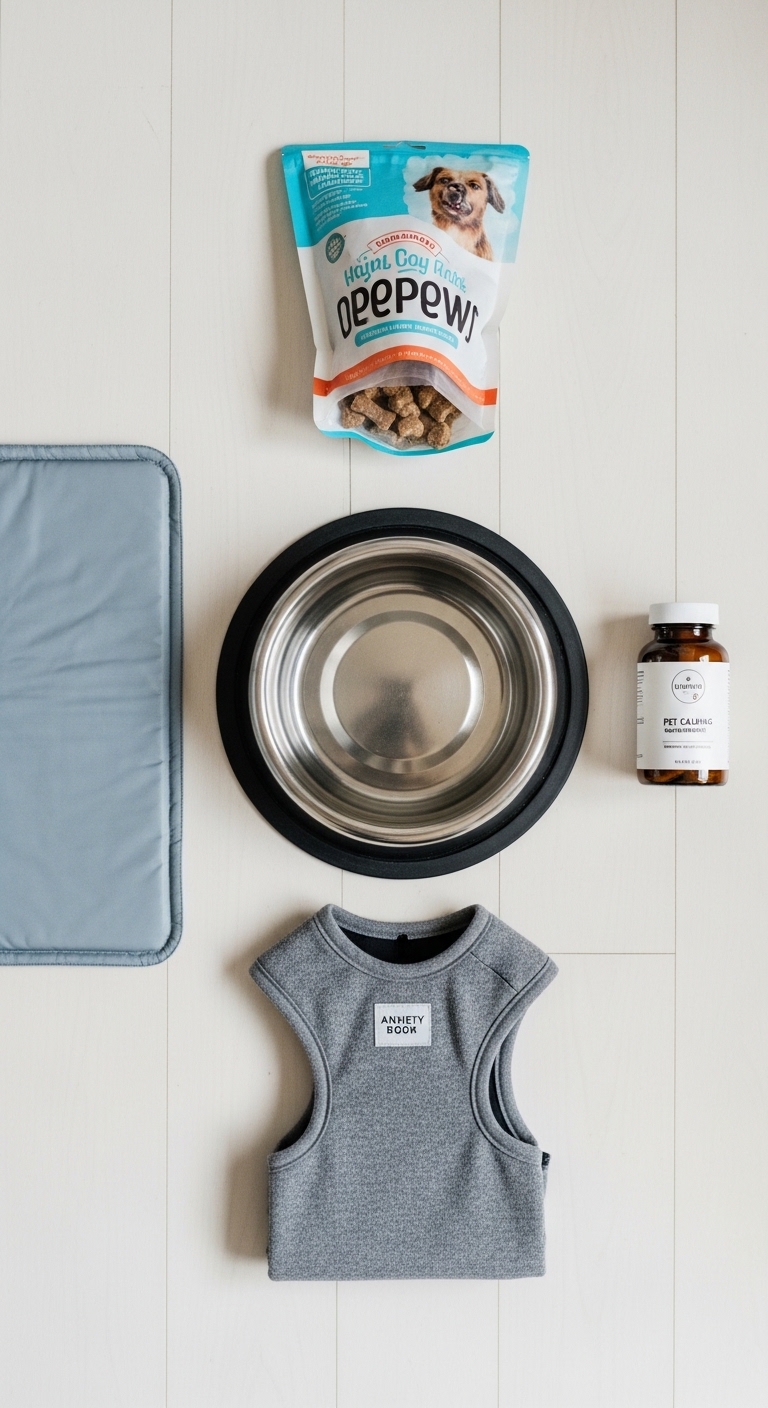
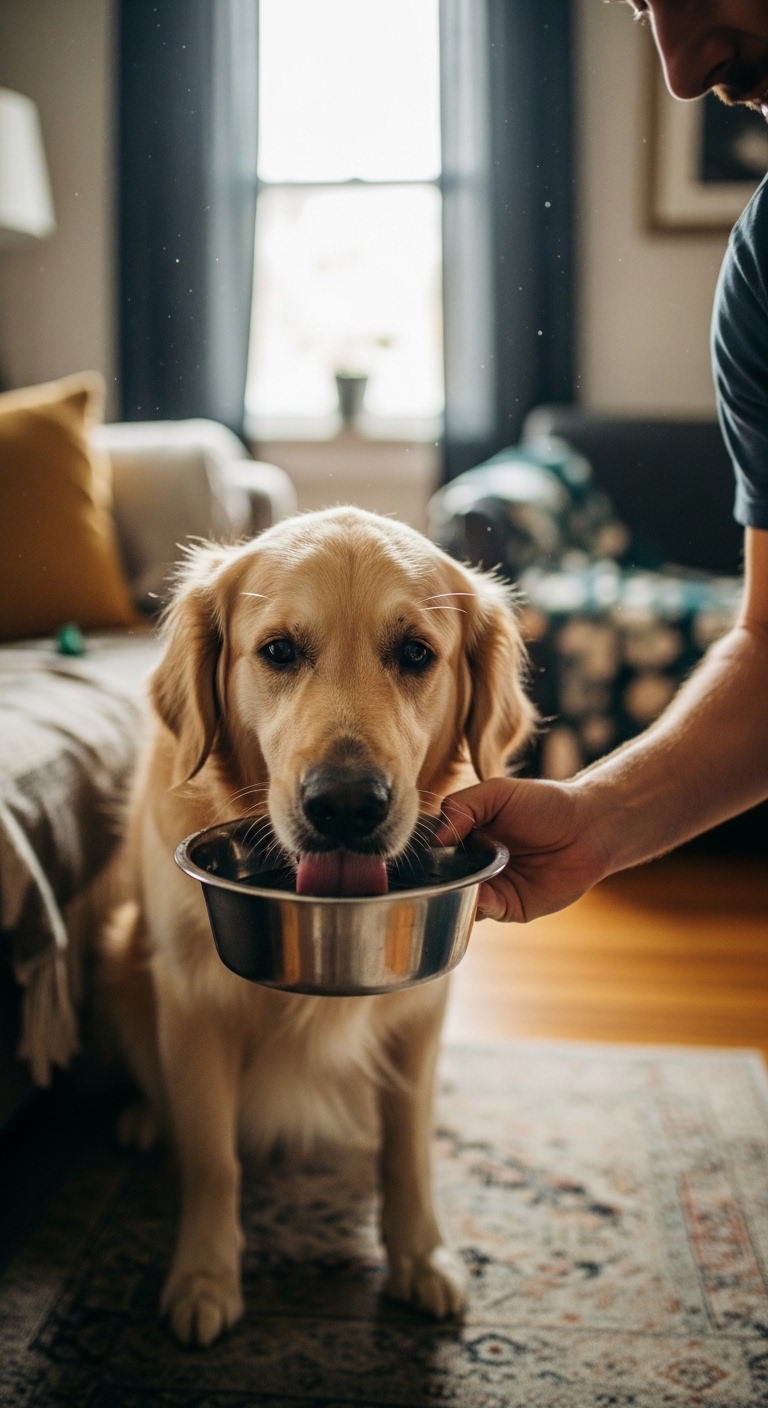
Offer fresh water and move them to a shaded or air-conditioned space. Use a damp towel to gently wipe their paws and belly, helping lower their body temperature. Avoid ice-cold water or ice packs, which can cause shock. Limit outdoor activity during the hottest parts of the day, especially for brachycephalic breeds.
Panting in Older Dogs
Senior dogs often pant more due to arthritis pain or reduced lung capacity. Medications they take can also increase panting as a side effect. A gradual increase in panting over weeks is worth mentioning at your next vet visit.
Recognizing your dog’s panting patterns helps you act quickly when something’s off. Stay observant, and you’ll keep them safer and more comfortable.
Frequently Asked Questions
- → Why do dogs pant heavily after exercise?
Heavy panting after exercise is normal as dogs cool down by releasing heat through their mouth. It helps regulate their body temperature, especially if they’ve been running or playing vigorously.
- → Can anxiety cause panting in dogs?
Yes, anxiety or stress can trigger panting in dogs. Loud noises, unfamiliar environments, or separation anxiety may lead to rapid breathing as a response to fear or discomfort.
- → When should I worry about my dog’s panting?
Seek veterinary care if panting is excessive, occurs at rest, or is accompanied by symptoms like vomiting, collapse, or blue gums. These could indicate heatstroke, pain, or a serious health issue.
- → Do all dogs pant the same way?
No, panting patterns vary by breed, size, and health. Brachycephalic breeds (like Bulldogs) pant more due to their shorter airways, while older dogs may pant more due to reduced stamina or health conditions.
- → How can I help my dog stop panting excessively?
Ensure they’re hydrated, in a cool environment, and not overexerted. If panting persists, check for signs of illness or consult a vet to address potential underlying causes.
- → Is panting a sign of pain in dogs?
Yes, panting can indicate pain, especially if it’s sudden or accompanied by other symptoms like limping, whining, or changes in appetite. A vet should evaluate persistent panting with pain-like behavior.