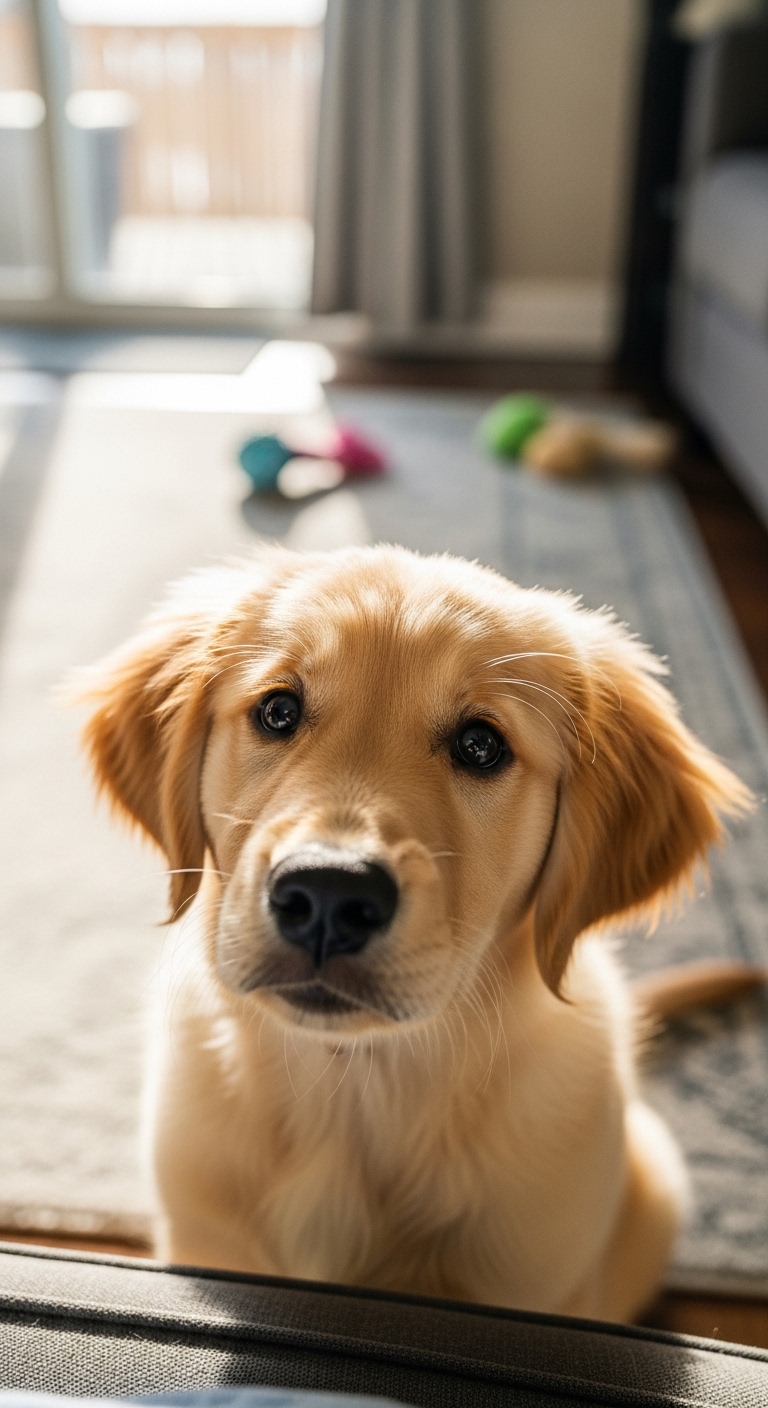
A dog’s season, also called heat, is one of those things every pet owner should understand but often gets overlooked until it’s too late. It’s not just about the mess or the extra walks: it’s about keeping your dog healthy, preventing unwanted pregnancies, and spotting potential health issues early. Whether you’re a first-time dog owner or have been around the block, knowing the signs and timeline can save you stress and your pup discomfort.
I still remember my first dog’s first heat: waking up to a trail of blood across the kitchen floor, not knowing if it was an emergency or just part of the process. That’s why I’m sharing what I wish I’d known sooner.
Key Things to Understand
- The average heat cycle lasts between two to four weeks: but can vary by breed and individual dog
- There are four main stages: proestrus, estrus, diestrus, and anestrus, each with different signs and behaviors
- Bleeding is most noticeable in the early proestrus stage: but tapers off as the cycle progresses
- Swelling of the vulva and increased urination: are common early signs that your dog is entering heat
- Male dogs will be attracted to her scent during estrus: which is when she’s fertile and can become pregnant
- False pregnancies can occur after heat: and may cause nesting behaviors or milk production
What to Look For
During the first stage of heat, called proestrus, you’ll notice your dog’s vulva swelling and a bloody discharge that starts light and may become darker red over a few days. She might also lick herself more often and act restless or clingy. This is her body preparing for potential mating, even though she isn’t fertile yet. Keep an eye on how much she’s cleaning herself: excessive licking can lead to irritation or infection if not managed.
As she moves into estrus, the bleeding usually slows down and turns a lighter pink or straw color. This is when she’s fertile and will actively seek out male dogs or allow them to approach. You might see her flagging her tail to the side, a clear signal to males that she’s ready. It’s also common for her appetite to fluctuate or her energy levels to spike during this time.
After estrus comes diestrus, a quieter phase where her body either returns to normal if she didn’t conceive or prepares for pregnancy if she did. Even if she’s not pregnant, some dogs show nesting behaviors or even produce milk, which can be confusing. Watch for signs of discomfort like lethargy or loss of appetite, as these might indicate a false pregnancy or infection.
It’s easy to assume every bloody discharge means heat, but urinary tract infections or injuries can cause similar symptoms. I once rushed a dog to the vet only to find out it was a UTI, not her first heat: always worth checking with a professional if you’re unsure. Also, if your dog seems unusually lethargic or her vulva stays swollen long after her cycle, it’s better to get it checked out sooner rather than later.
Managing a Dog’s Season at Home
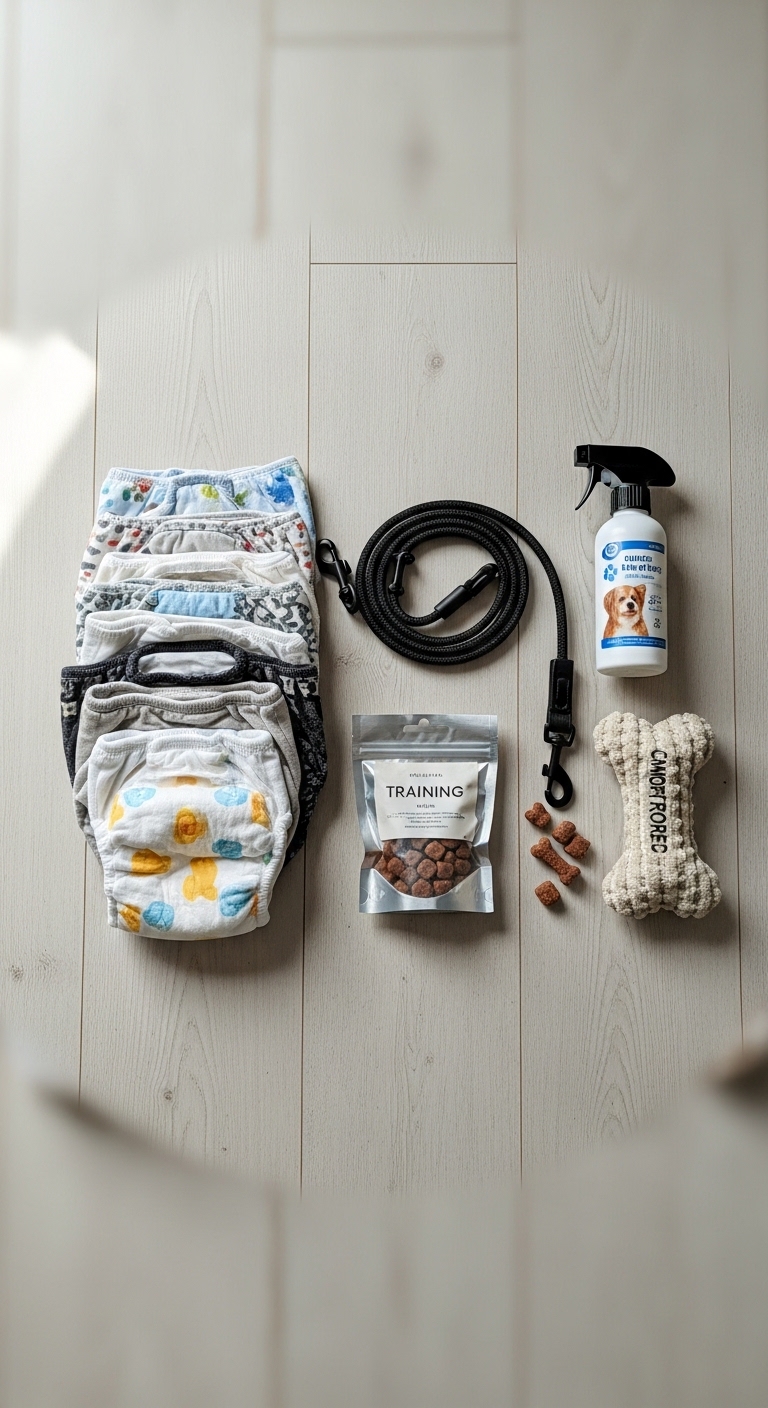
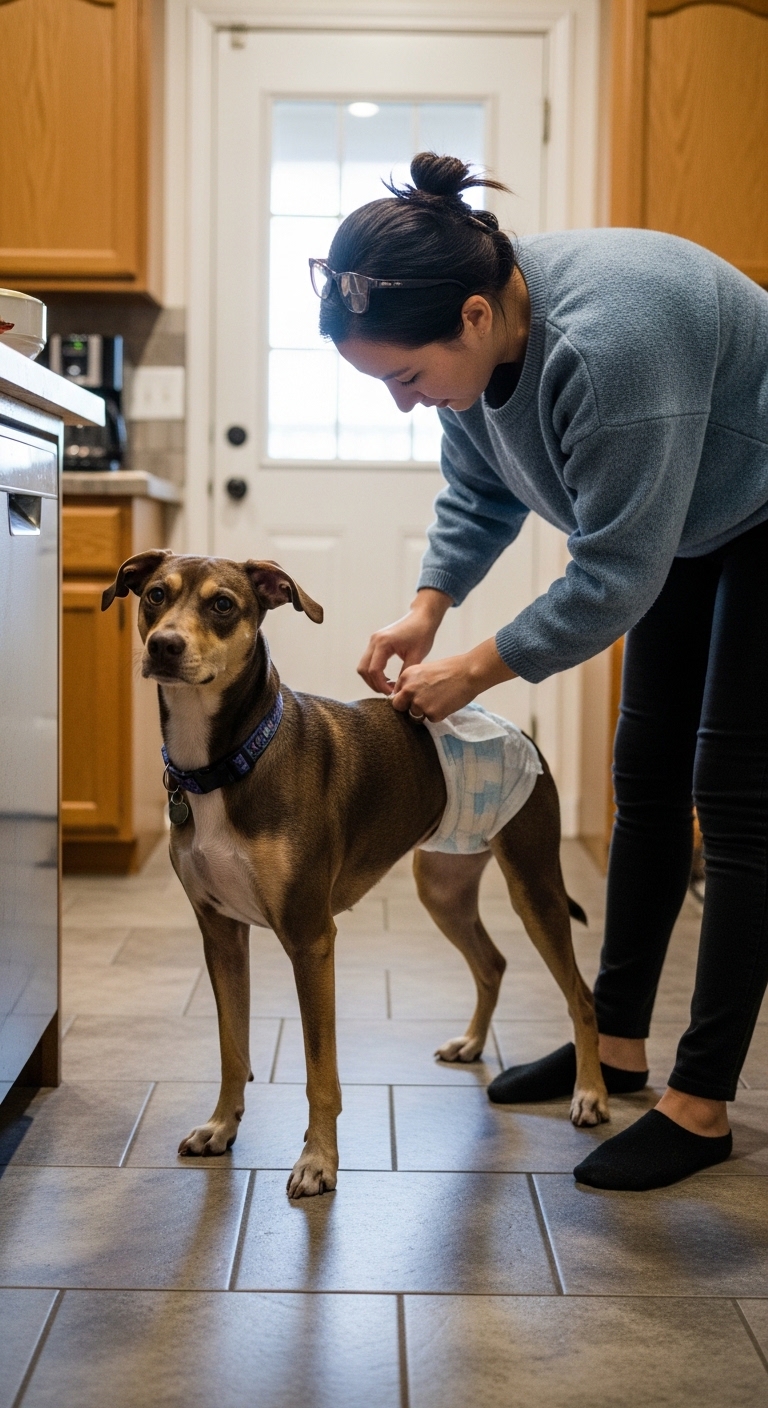
Keeping your home clean during heat means using dog diapers or washable bedding to handle the discharge. Washable pads are a lifesaver, especially if your dog sleeps on your furniture. Avoid scented products near her vulva, as they can cause irritation: plain water and a gentle wipe are best. Some owners swear by doggy pants or specially designed heat pants, but always check the fit to prevent chafing.
Behavioral Changes During Heat
Expect mood swings: your usually calm dog might become anxious, clingy, or even aggressive toward other dogs. This isn’t personal: it’s hormonal. Keep her away from intact males during estrus to prevent unwanted mating. If she’s overly restless, short walks and mental stimulation like puzzle toys can help burn off energy without over-exerting her.
When to See a Vet
If your dog’s heat lasts longer than four weeks or if the bleeding is excessive (soaking a pad every hour), it’s time for a vet visit. Other red flags include foul-smelling discharge, extreme lethargy, or signs of pain like whining or reluctance to move. These could point to infections, tumors, or other complications that need prompt attention.
Spaying Considerations
Spaying eliminates heat cycles entirely and reduces long-term health risks, but timing matters. Some vets recommend waiting until after the first heat for larger breeds to let them fully develop, while smaller breeds can often be spayed earlier. Discuss the best approach with your vet based on your dog’s breed, size, and overall health.
Heat isn’t just a phase: it’s a natural part of your dog’s life that requires attention and care. By understanding the stages, managing the mess, and knowing when to intervene, you can make this time smoother for both of you.
Frequently Asked Questions
- → How long does a dog's heat cycle typically last?
A dog's heat cycle usually lasts between 2 to 4 weeks, though this can vary depending on the breed and individual health. The cycle includes four stages: proestrus, estrus, diestrus, and anestrus.
- → What are the signs that my dog is in heat?
Common signs include swelling of the vulva, bloody discharge, increased urination, and behavioral changes like restlessness or clinginess. Some dogs may also become more affectionate or seek attention.
- → When do dogs usually have their first heat cycle?
Most dogs experience their first heat between 6 to 12 months of age. Smaller breeds may start earlier, while larger breeds often begin later. Factors like breed size and overall health play a role.
- → How often do dogs go into heat?
The frequency varies by breed. Small breeds may cycle every 4 to 6 months, while larger breeds may only cycle once or twice a year. Spaying can prevent heat cycles entirely.
- → What should I do if my dog is in heat?
Keep her indoors or in a secure area to prevent unwanted mating. Use doggy diapers during the early stages to manage discharge. Monitor for excessive bleeding or unusual symptoms and consult a vet if needed.
- → Can I spay my dog during her heat cycle?
Spaying during heat is possible but may increase the risk of complications and bleeding. Many vets recommend waiting until the cycle is complete for a safer procedure. Discuss the best timing with your veterinarian.
- → Why is my dog's heat cycle irregular?
Irregular cycles can result from health issues, stress, or breed-specific factors. If your dog's cycle is unusually short, long, or infrequent, consult a vet to rule out underlying conditions like infections or hormonal imbalances.