Drawing a dog can feel intimidating if you're just starting out, but breaking it down into simple shapes makes it way more approachable. Whether you're sketching for fun, creating a gift for a pet lover, or just practicing your art skills, knowing how to simplify a dog's features into basic forms helps you capture the essence without getting stuck on details too soon. It’s a great way to build confidence, especially if you’re not used to drawing animals.
I still remember the first time I tried drawing a dog as a kid: my lines were all over the place, but once I started using circles and ovals as a base, it suddenly felt doable. That small shift made all the difference.
Key Things to Understand
- Start with basic shapes: Use circles and ovals to map out the dog’s body and head.
- Focus on the head first: It’s the easiest part to get right.
- Use light, sketchy lines: This lets you erase and adjust as you go.
- Pay attention to proportions: Dogs have different head shapes depending on the breed.
- Don’t worry about perfection: The goal is to capture the dog’s personality, not make it flawless.
What to Look For
When you start sketching, look for the overall silhouette of the dog rather than getting caught up in tiny details. Notice how the ears, tail, and legs connect to the body in a way that feels balanced. A dog’s head is usually round or slightly oval, so if you can get that shape right, the rest will follow more naturally. Also, watch how the eyes and snout sit on the face: most dogs have their eyes positioned about halfway between the top of the head and the nose. This placement helps give the face expression, even in a simple drawing.
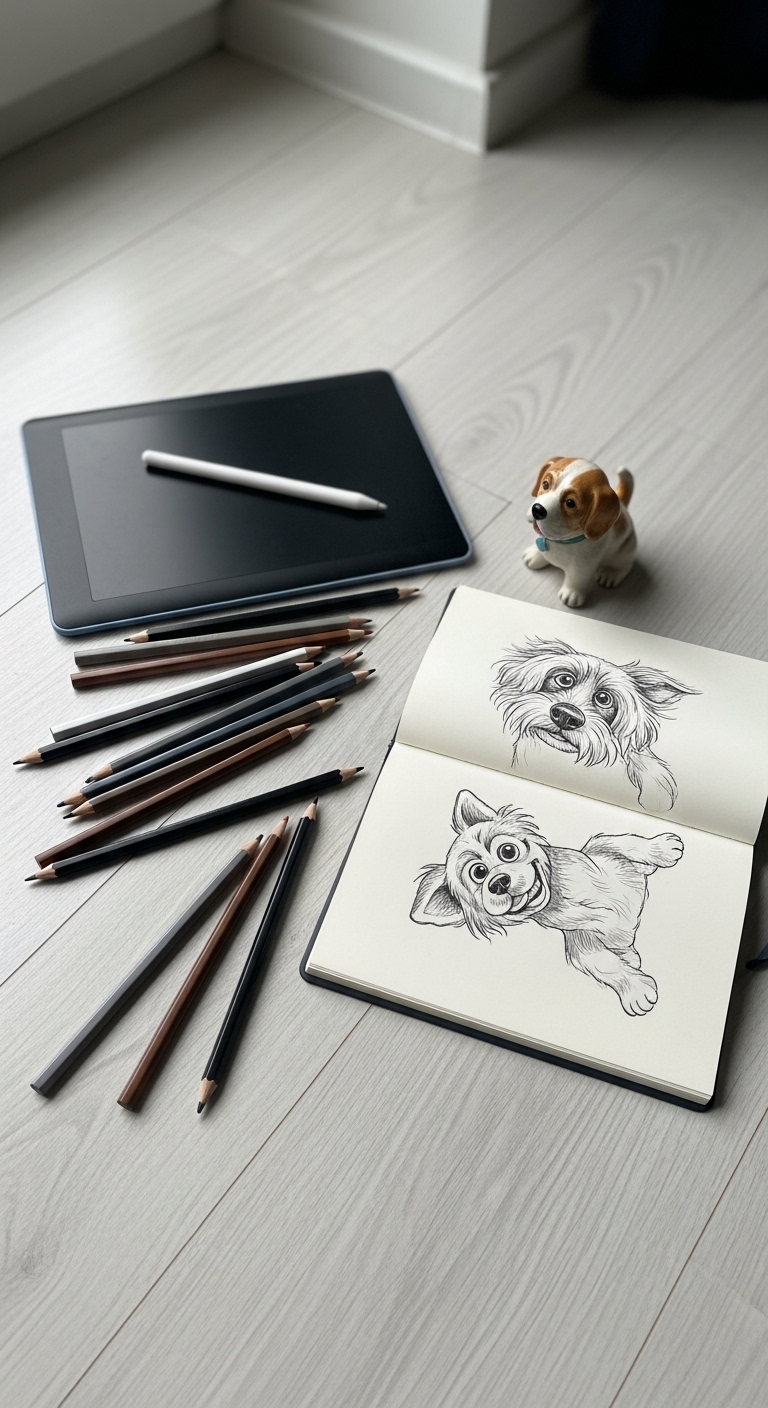
I’ve seen so many people give up too soon because they expected their first drawing to look like a professional’s. The truth is, even simple lines can turn into something charming once you add personality. Just keep at it, and you’ll see improvement faster than you think.
Breaking Down the Head Shape
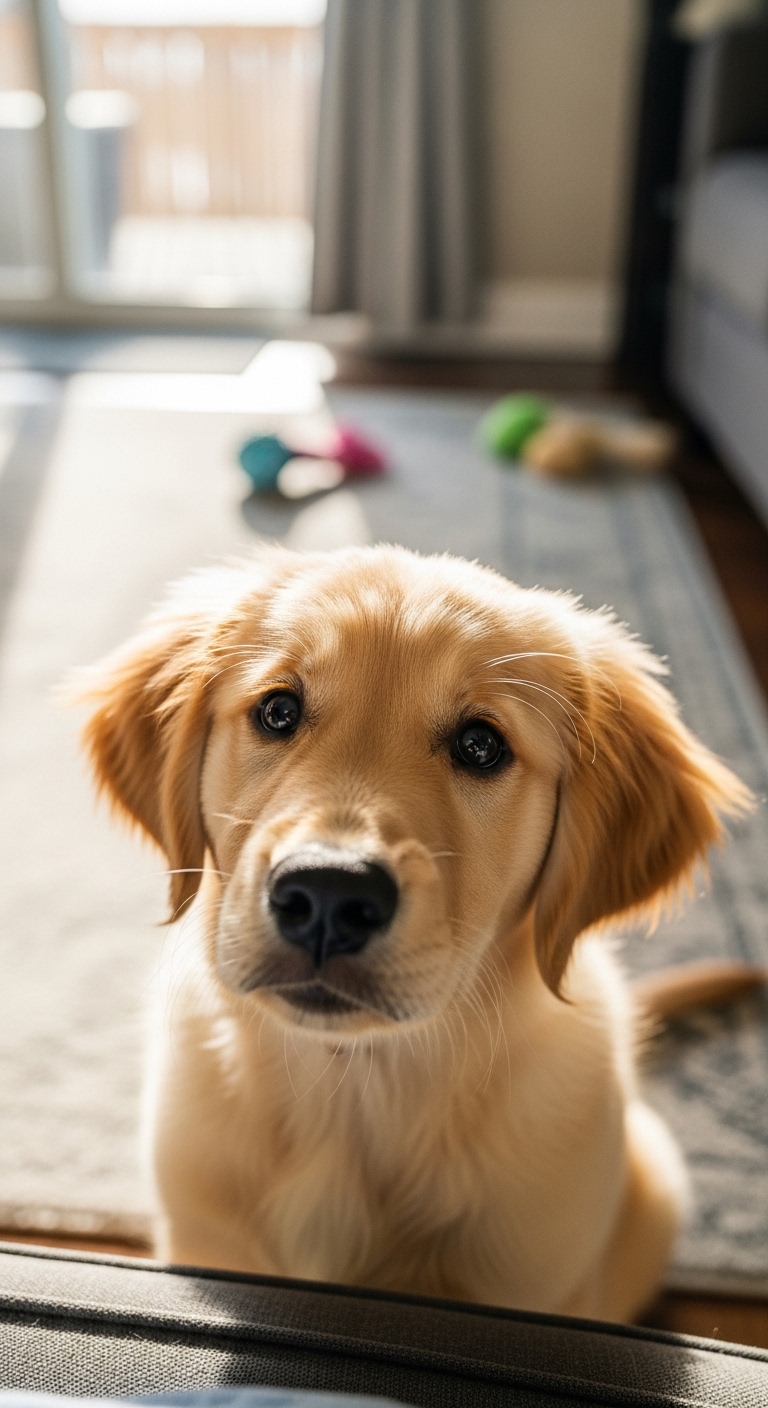
Start by drawing a circle for the head and a smaller oval or circle for the snout. The size of the snout compared to the head depends on the breed: some dogs have long snouts, while others have flatter faces. If you’re drawing a puppy, the head might look more like a single big circle because their features aren’t as defined yet. For older dogs, you can add more detail to the snout to show wrinkles or a more pronounced nose.
Adding the Ears and Eyes
Ears can be tricky, but they’re usually just triangles or floppy shapes attached to the sides of the head. Some dogs have pointy ears, while others have long, droopy ones: pick the shape that matches your dog. The eyes are typically almond-shaped and sit just above the snout line. If you’re drawing a happy dog, the eyes might look a little squinty, while a serious dog could have more defined, open eyes.
Sketching the Body and Legs
Once the head is in place, draw a larger oval or circle for the body. The size of this shape will depend on whether you’re drawing a small dog like a Chihuahua or a bigger breed like a Labrador. Legs are usually just straight or slightly curved lines connecting the body to the ground. Don’t worry about making them perfect: focus on getting the general position right. A dog’s legs aren’t usually super long compared to their body, so keep them proportional.
Finishing Touches with Fur and Tail
Fur can be as simple as a few wavy lines around the neck, legs, and tail. The tail is often just a curved line that matches the dog’s energy: high for excitement, low for calmness. If you’re drawing a fluffy dog, you can add more texture to the fur by making the lines a little thicker and more detailed. For short-haired dogs, keep the lines smooth and close to the body.
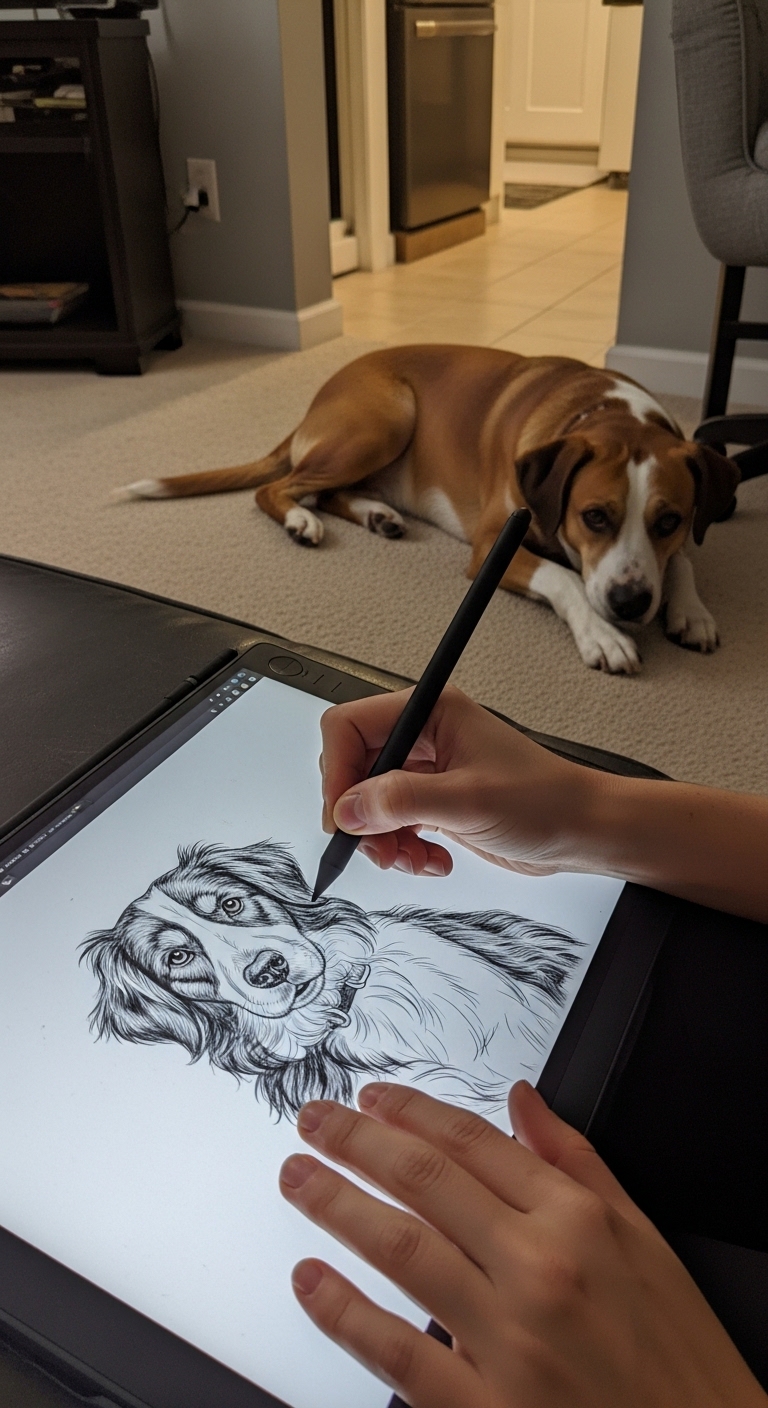
Drawing a dog doesn’t have to be complicated. With a little practice and patience, you’ll be creating charming sketches in no time.
Frequently Asked Questions
- → What basic shapes should I start with when drawing a dog?
Begin with simple shapes like circles for the head, ovals for the body, and small rectangles for the legs. These foundational shapes help you map out the dog’s proportions before adding details.
- → How can I make my dog drawing look more realistic?
Focus on the dog’s unique features, such as ear shape, snout length, and tail position. Study reference images to understand fur patterns and muscle structure. Use shading to add depth and texture.
- → What’s the easiest breed to draw for beginners?
Cartoon-style dogs like bulldogs or dachshunds are great for beginners because their exaggerated features simplify the drawing process. Start with a side profile to practice proportions.
- → Do I need special tools to draw a dog?
No special tools are required! A pencil, eraser, and paper are enough to start. As you progress, you might explore markers, colored pencils, or digital tools for added creativity.
- → How do I draw a dog’s fur realistically?
Use short, directional strokes to mimic fur texture. Vary the pressure on your pencil to create lighter and darker areas. For short fur, keep strokes close together; for long fur, use longer, flowing lines.
- → Can I draw a dog without tracing?
Absolutely! Tracing can help with proportions, but freehand drawing improves your skills. Start by lightly sketching the basic shapes, then gradually refine the details without relying on tracing.