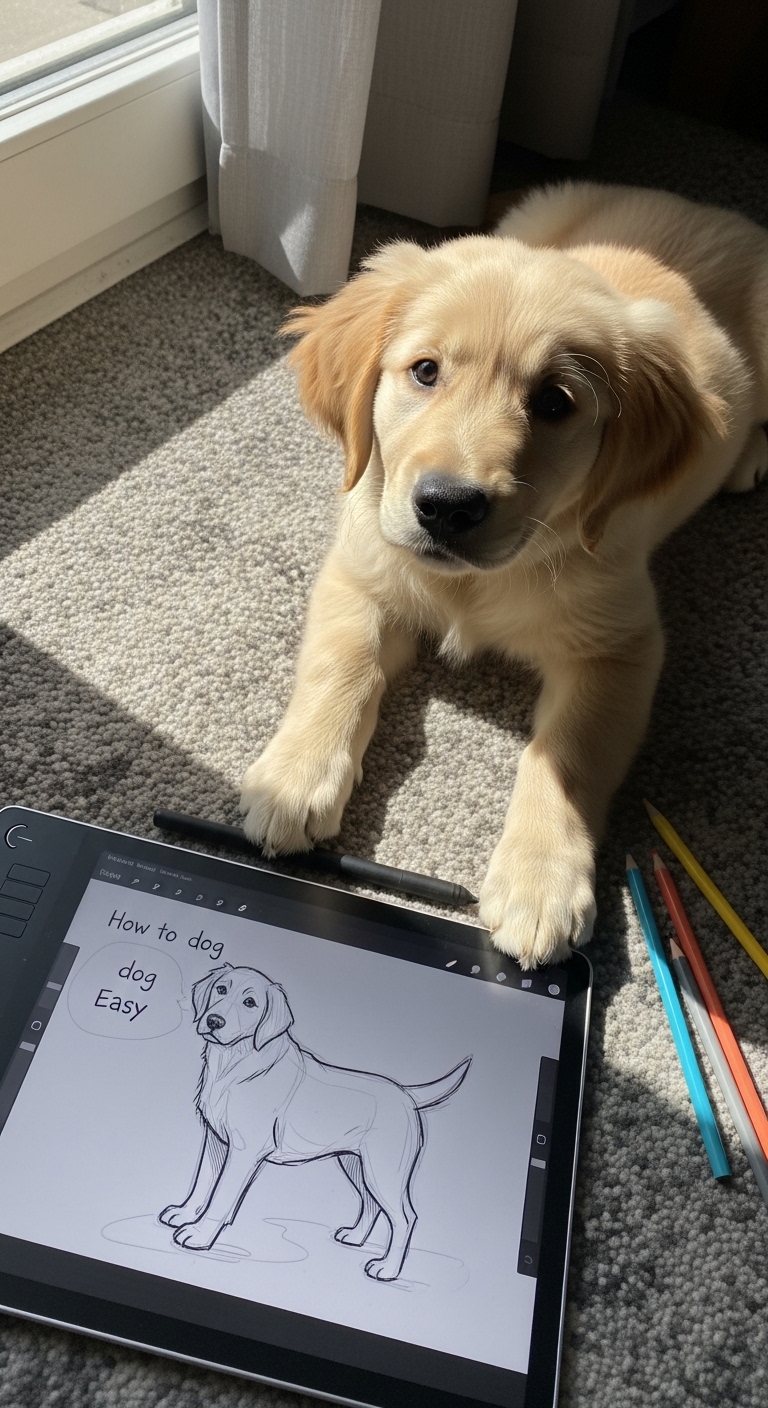
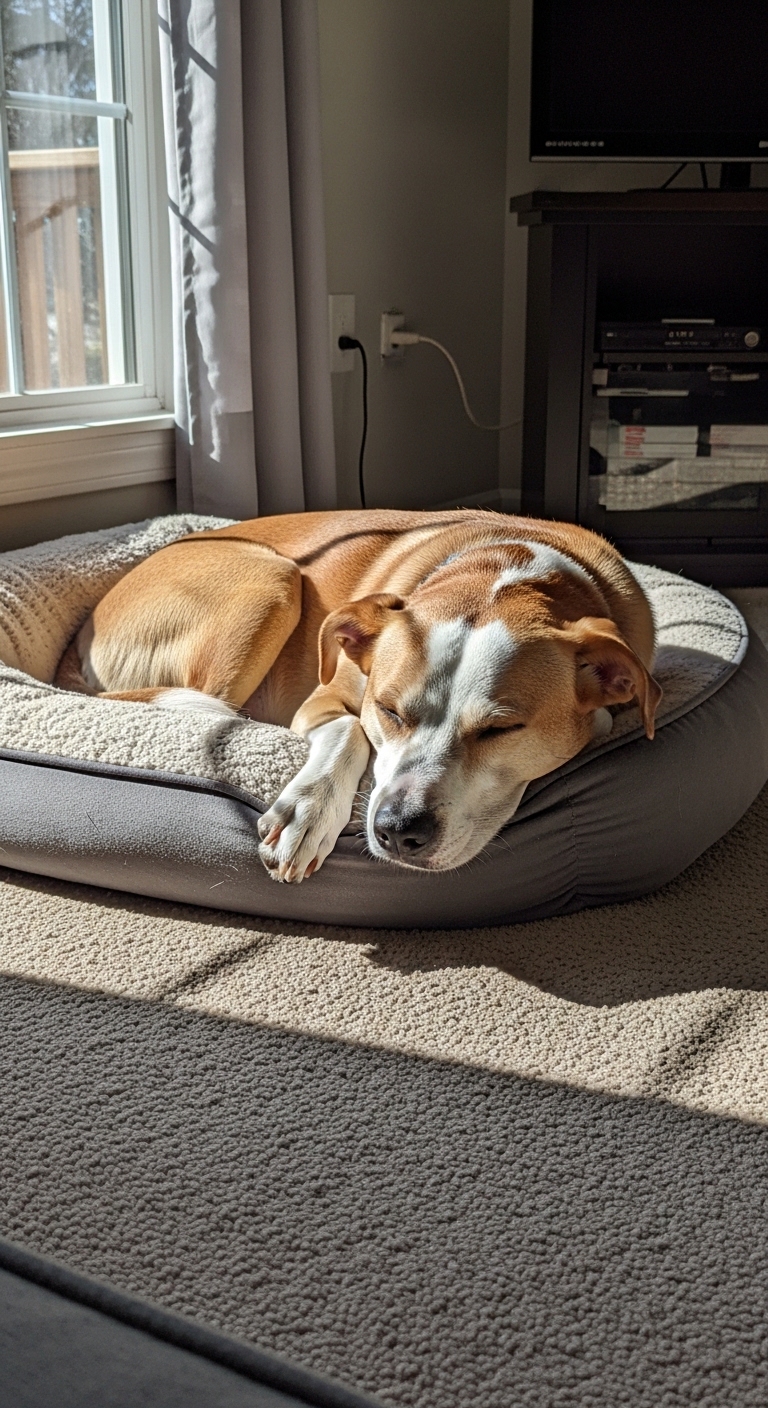
Why do dogs have whiskers? They’re more than just cute facial hair: they’re essential tools that help your dog navigate the world safely and confidently. Whiskers aren’t just for show; they’re packed with nerve endings that act like a built-in radar system, giving your dog crucial information about their surroundings. Whether it’s judging if they can fit through a tight space or sensing changes in air currents, whiskers play a silent but vital role in your dog’s daily life.
I’ve noticed that dogs with trimmed whiskers often seem more hesitant or anxious in new environments. It’s like taking away their built-in GPS: suddenly, every doorway or step feels uncertain.
Key Things to Understand
- Whiskers are called vibrissae: deeply rooted in your dog’s face, connected to a dense network of nerves and blood vessels.
- They help your dog detect air currents: which is how they sense nearby objects or movement even in the dark.
- Whiskers can indicate your dog’s mood: forward-facing whiskers often mean curiosity or alertness, while pulled-back whiskers can signal fear or stress.
- Damaged or missing whiskers: may not grow back immediately, which can temporarily disorient your dog.
- Overgrooming or trimming whiskers: should be avoided unless medically necessary, as it can affect your dog’s spatial awareness.
What to Look For
Pay attention to how your dog moves through spaces. If they suddenly hesitate at doorways or bump into furniture more often, their whiskers might not be functioning properly. Watch their facial expressions too: whiskers that twitch or fan out can show excitement or focus, while stiff, forward-pointing whiskers might mean your dog is on high alert. If you notice whiskers that look broken, bent, or unusually short, it’s worth checking if they’ve been damaged during play or grooming.
I once saw a dog owner trim their dog’s whiskers for a "neat" look, only to realize the dog became clumsy and anxious for weeks. It’s a reminder that sometimes, what seems like a small grooming choice can have a big impact on your dog’s comfort. Always ask your vet before altering your dog’s whiskers unless it’s part of a medical treatment.
How whiskers work like a built-in GPS
Whiskers are packed with sensory cells that pick up on the slightest changes in airflow. When your dog walks into a room, their whiskers help them map out the space before they even get close to objects. This is especially useful in low light or when your dog is exploring a new area. If you’ve ever seen your dog pause and sniff the air before moving forward, that’s their whiskers working in real time to guide them.
Signs your dog’s whiskers need attention
If your dog’s whiskers are constantly wet or matted, it could be a sign of an underlying skin issue that needs care. Similarly, whiskers that are unusually long or brittle might break easily, which can affect their function. Keep an eye on how your dog interacts with their food bowl: if they’re struggling to eat or drink, their whiskers might be getting in the way due to poor positioning or damage.
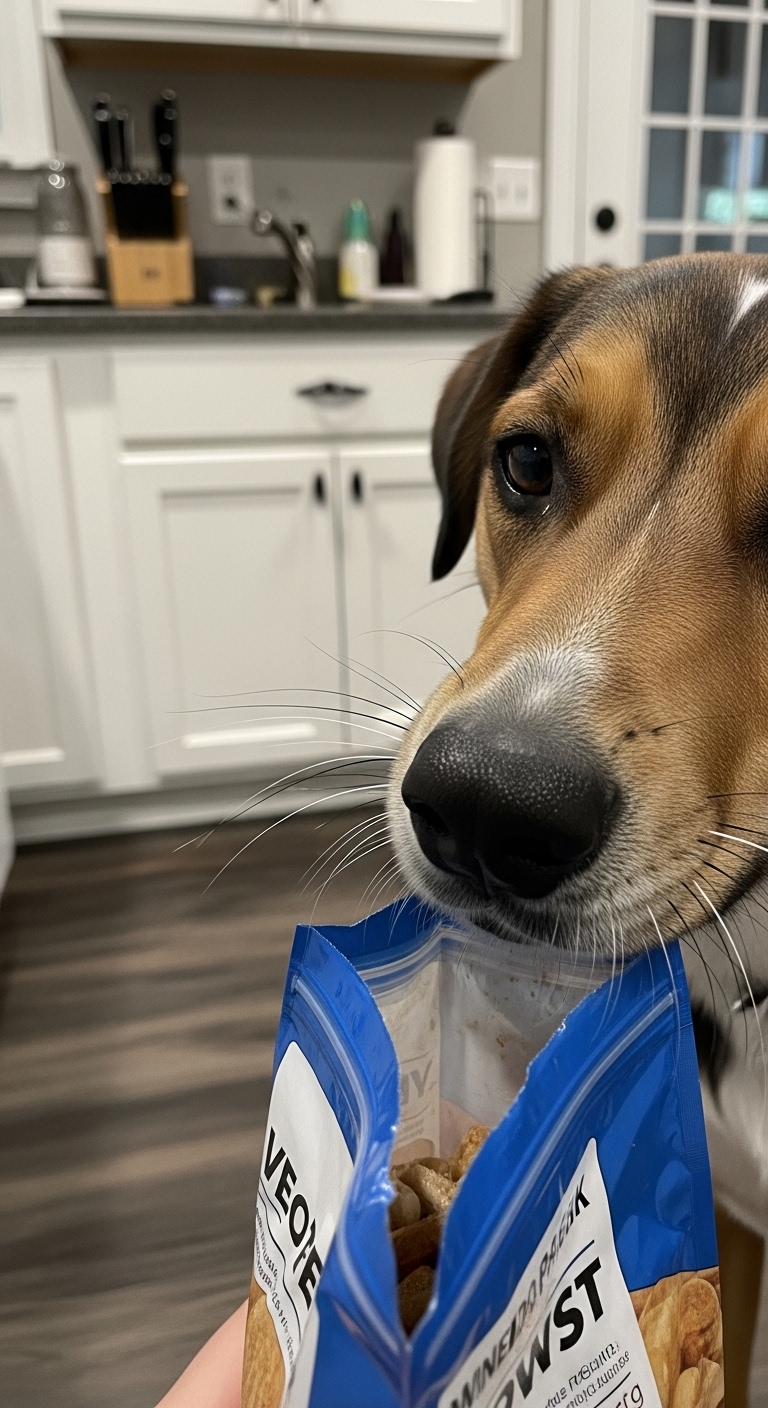
Understanding your dog’s whiskers helps you see the world from their perspective. Small details make a big difference in their comfort and confidence.
Frequently Asked Questions
- → What is the main purpose of a dog's whiskers?
Dog whiskers primarily serve as sensory tools to help them navigate their surroundings, detect objects, and sense changes in their environment. They act like a built-in radar system.
- → Can trimming a dog's whiskers harm them?
Yes, trimming whiskers can impair a dog's ability to sense their surroundings, leading to stress, disorientation, or even injury. It's best to avoid cutting them.
- → How do whiskers help dogs communicate?
Dogs may use whisker movements to express emotions or intentions. For example, whiskers pulled back can signal fear or aggression, while relaxed whiskers indicate calmness.
- → Are whiskers sensitive to touch?
Extremely sensitive. Whiskers are connected to nerve endings, making them highly responsive to even the slightest touch or air movement.
- → Do all dog breeds have whiskers?
Yes, all dog breeds have whiskers. They are a natural and essential part of their anatomy, regardless of coat type or breed size.
- → Can whiskers grow back if damaged?
Whiskers do regrow if broken or damaged, but the process can take several weeks. It's important to avoid pulling or cutting them to prevent unnecessary stress.