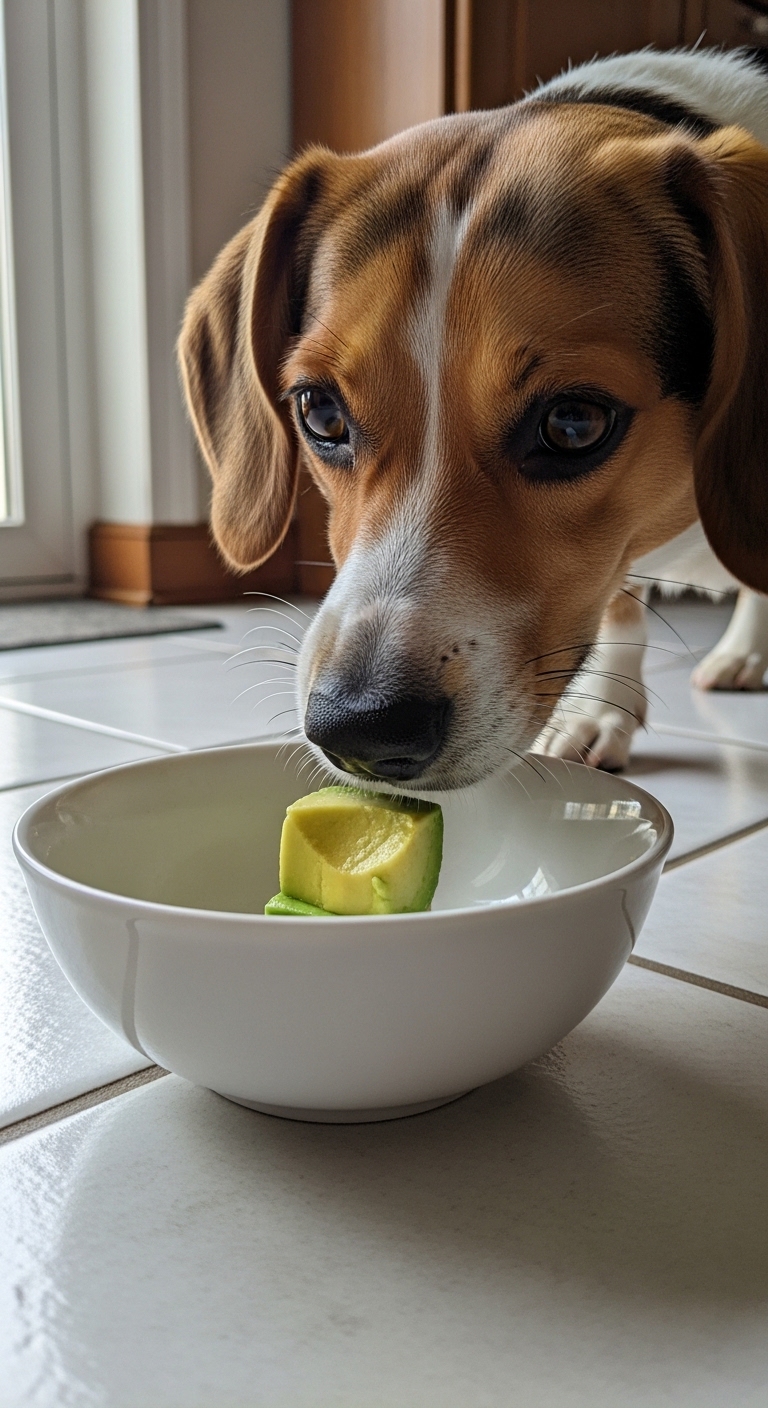
How to make a dog throw up safely is something every pet owner hopes they’ll never need, but accidents happen. Whether your dog swallowed something toxic, a small object, or spoiled food, acting fast can prevent serious harm. Knowing the right steps could save your dog’s life, so it’s worth understanding before an emergency arises.
I still remember the first time my dog ate a whole bar of chocolate: my heart dropped until I remembered the hydrogen peroxide method. Having that knowledge made all the difference in those first critical minutes.
Key Things to Understand
- Hydrogen peroxide 3%: the safest and most recommended way to make a dog vomit at home
- Dosage: 1 teaspoon per 5 pounds of body weight, but never exceed 3 tablespoons total
- Timing: vomiting is most effective within 2 hours of ingestion, though some toxins may require longer
- Avoid: salt, mustard, or other home remedies as they can cause dangerous side effects
- Second dose: if your dog doesn’t vomit within 15 minutes of the first dose, you can give a second dose once
What to Look For
Watch for signs your dog has ingested something dangerous: vomiting, drooling, pawing at the mouth, lethargy, or diarrhea. If you notice these symptoms, check the area for chewed packaging, missing food, or unusual items. Time is critical, so act quickly if you suspect poisoning. Keep an eye on their gums: they should stay pink and moist, not pale or dry, which could signal shock or severe dehydration. If your dog seems unusually tired or unresponsive after eating something questionable, don’t wait for vomiting to start before taking action.
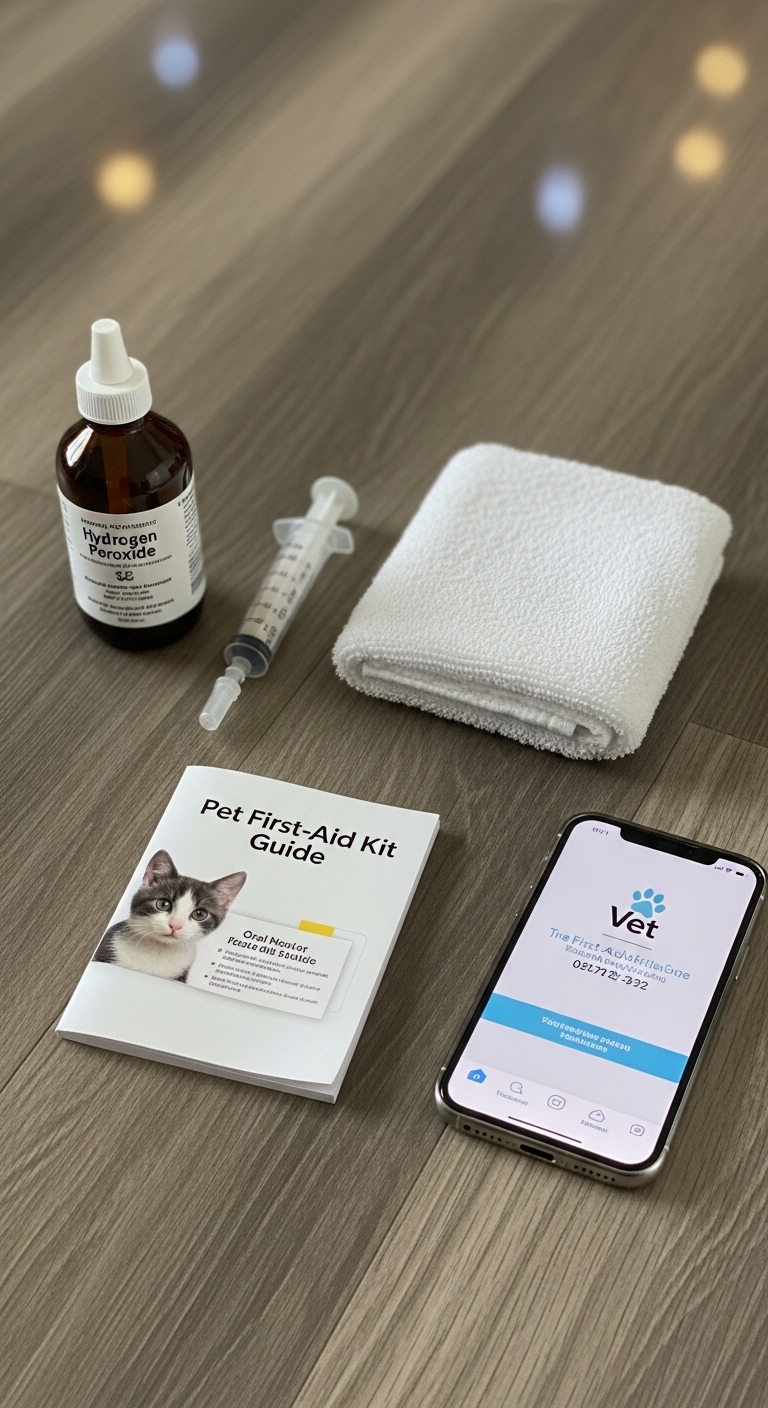
I once thought my dog was fine after eating a small piece of onion, but within hours, she became weak and refused to eat. Calling the vet and acting fast made all the difference. It’s better to be cautious than sorry when it comes to poisoning.
When to Use This Method
This technique is only for emergencies involving non-corrosive, non-sharp items swallowed recently. It’s not a substitute for professional care, especially for large or dangerous ingestions. If your dog is small, very young, or has health issues, skip home methods and go straight to the vet. Always have the vet’s number saved in your phone before you need it.
Safety First
Keep hydrogen peroxide stored safely away from pets and children, as it can cause stomach upset if ingested accidentally. Use a syringe or turkey baster to administer the dose precisely, avoiding the throat to prevent choking. After vomiting, offer small amounts of water to prevent dehydration but don’t force them to drink. Monitor them closely for the next few hours, watching for signs of distress or continued illness.

Being prepared can turn a panic-filled emergency into a manageable situation. Always prioritize your dog’s safety and consult a professional when in doubt.
Frequently Asked Questions
- → When should I make my dog throw up?
Only induce vomiting if your dog has ingested something toxic within the last 2 hours and your vet confirms it's safe. Common poisons include chocolate, xylitol, grapes, or medications.
- → What is the safest way to induce vomiting?
The safest method is using 3% hydrogen peroxide at a dosage of 1 teaspoon per 10 pounds of body weight (max 3 tablespoons). Administer via syringe or turkey baster into the side of the mouth.
- → How much hydrogen peroxide should I give?
Give 1 teaspoon (5ml) per 10 pounds of your dog's weight. For example, a 30-pound dog needs 3 teaspoons. Do not exceed 3 tablespoons total.
- → What if my dog doesn't vomit after hydrogen peroxide?
Wait 10-15 minutes. If vomiting doesn't occur after the first dose, you may give a second dose. If still no vomiting, seek immediate veterinary care—do not repeat doses.
- → What are signs my dog needs emergency vet care instead?
Seek vet care immediately if your dog shows seizures, difficulty breathing, excessive drooling, or if the ingestion involved sharp objects, batteries, or chemicals like bleach.
- → Can I use salt water to make my dog vomit?
No—salt water is dangerous and can cause sodium ion poisoning. Stick to hydrogen peroxide or veterinary-approved methods only.