Constipation in dogs isn’t just uncomfortable: it can signal deeper health issues or lead to serious complications if ignored. Many pet owners don’t realize how common this problem is, especially in dogs with dietary sensitivities, older pets, or those who don’t get enough exercise. Recognizing the signs early and knowing how to respond can save your dog from unnecessary discomfort and even a trip to the vet.
I still remember when my neighbor’s golden retriever couldn’t go for two days. She thought he was just being stubborn until she noticed he wasn’t eating. A quick call to the vet and a change in his diet fixed it, but it could’ve been much worse.
Key Things to Understand
- Constipation definition: fewer bowel movements or hard, dry stools
- Red flags: straining without results or frequent small dribbles
- Normal frequency: dogs should poop at least once a day, depending on diet and routine
- Risks: chronic constipation can lead to blockages, which are life-threatening
- High-risk groups: older dogs and certain breeds are more prone to digestive issues
What to Look For
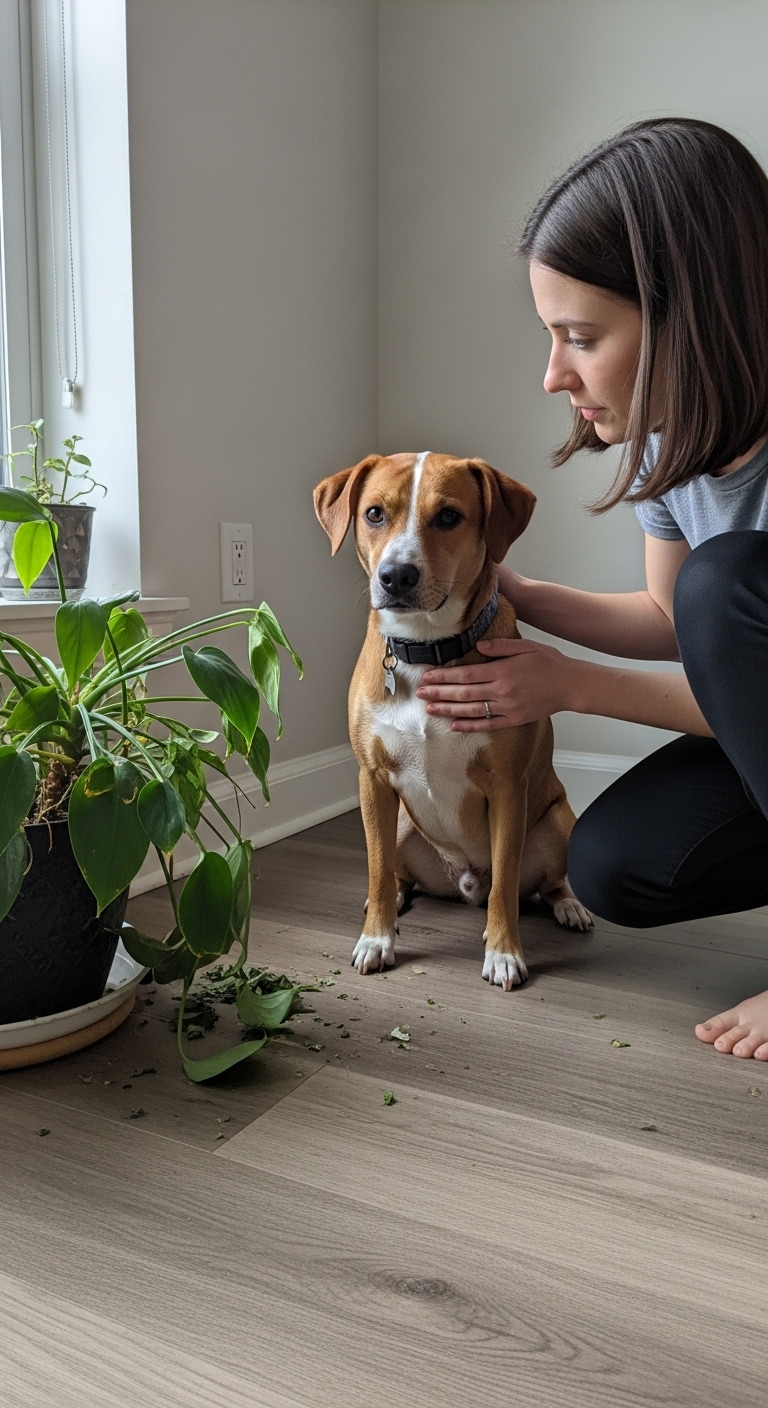
Watch for changes in your dog’s bathroom habits. If they’re taking longer than usual in their usual spot, circling more, or whining while trying to go, those are clear signs something’s off. Pay attention to the consistency of their stool: small, hard pellets or unusually large, dry masses mean they’re struggling. Some dogs will also lose interest in food or show lethargy when constipated, which can be easy to miss if you’re not tuned into their normal behavior. If you notice any of these signs for more than 24 hours, it’s time to take action.
I once tried giving my dog a spoonful of olive oil to help, only to realize later that too much fat can actually worsen digestive upset. A little goes a long way: always start with small amounts and monitor their reaction.
Dietary Adjustments for Prevention
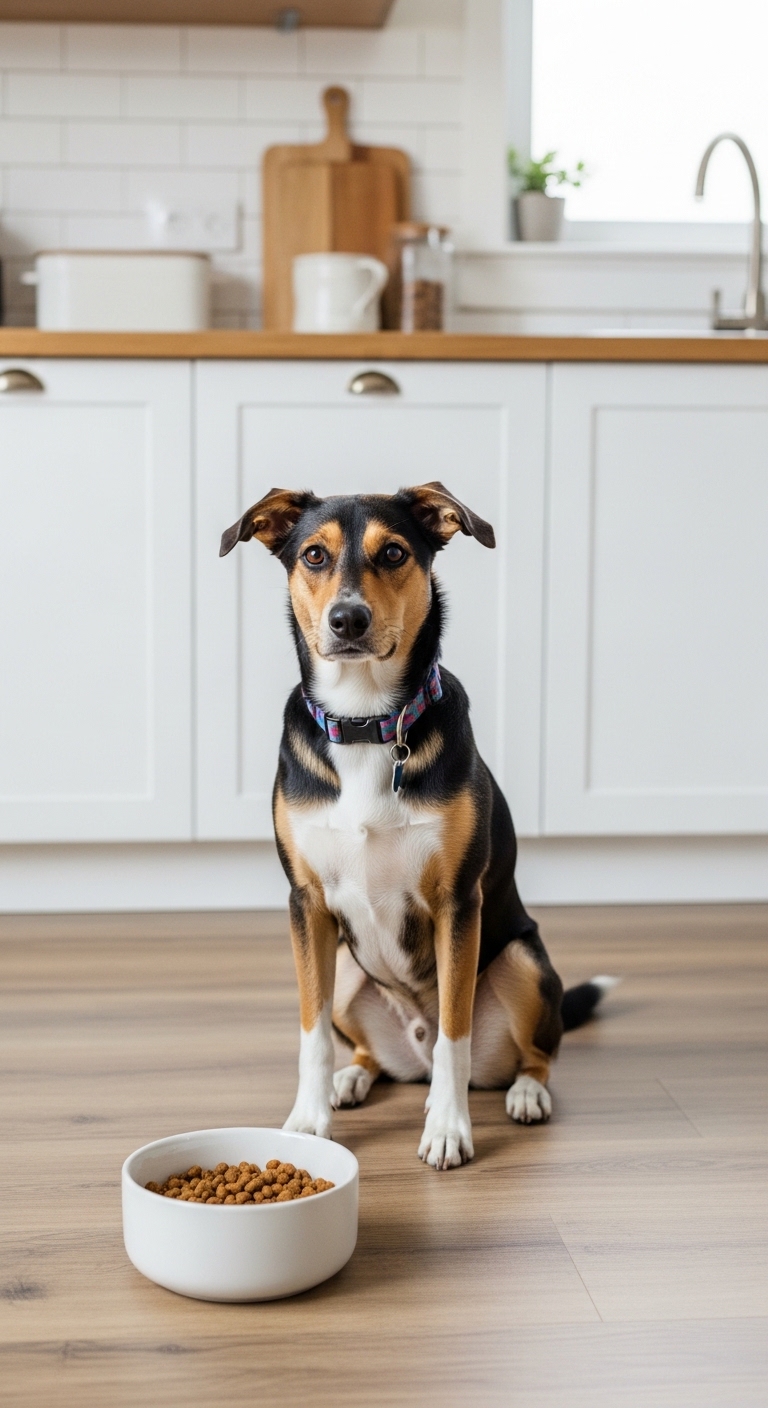
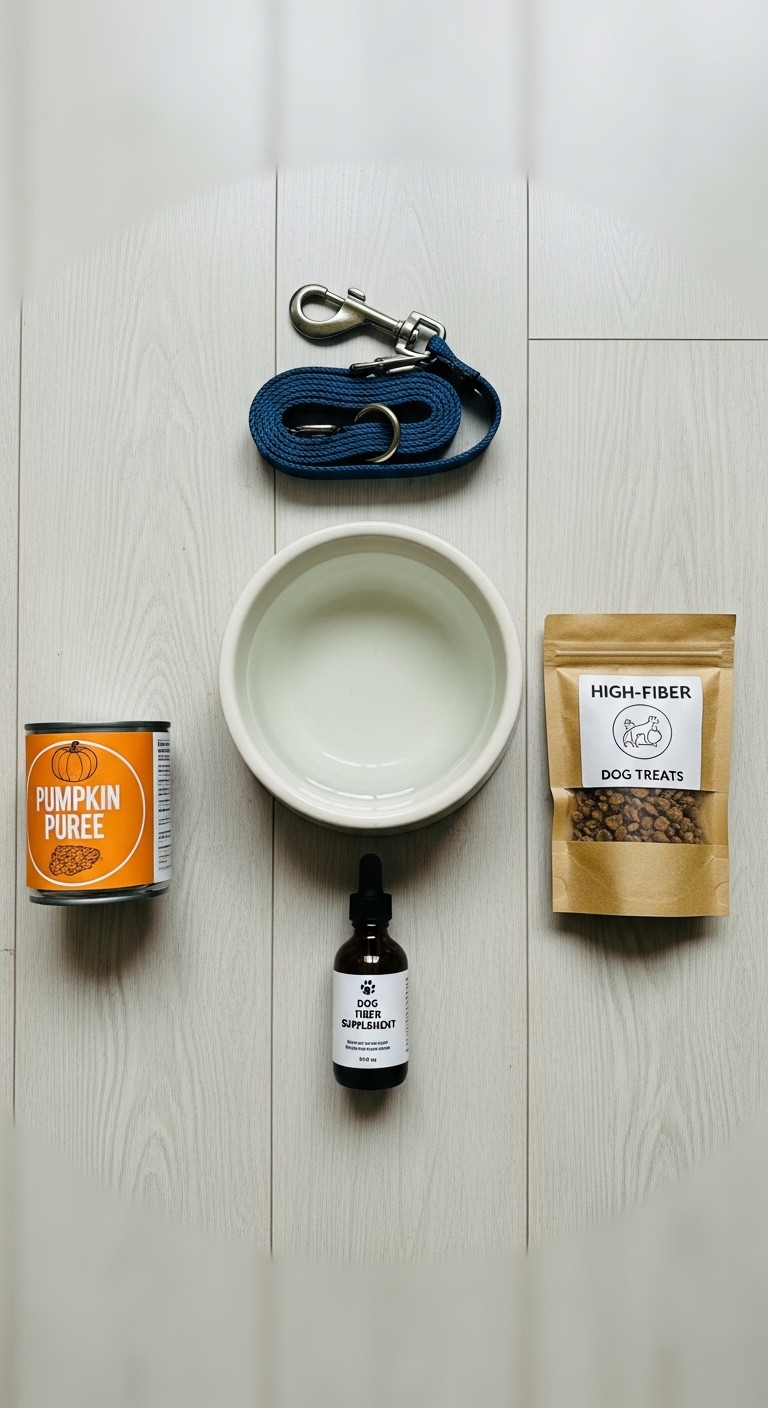
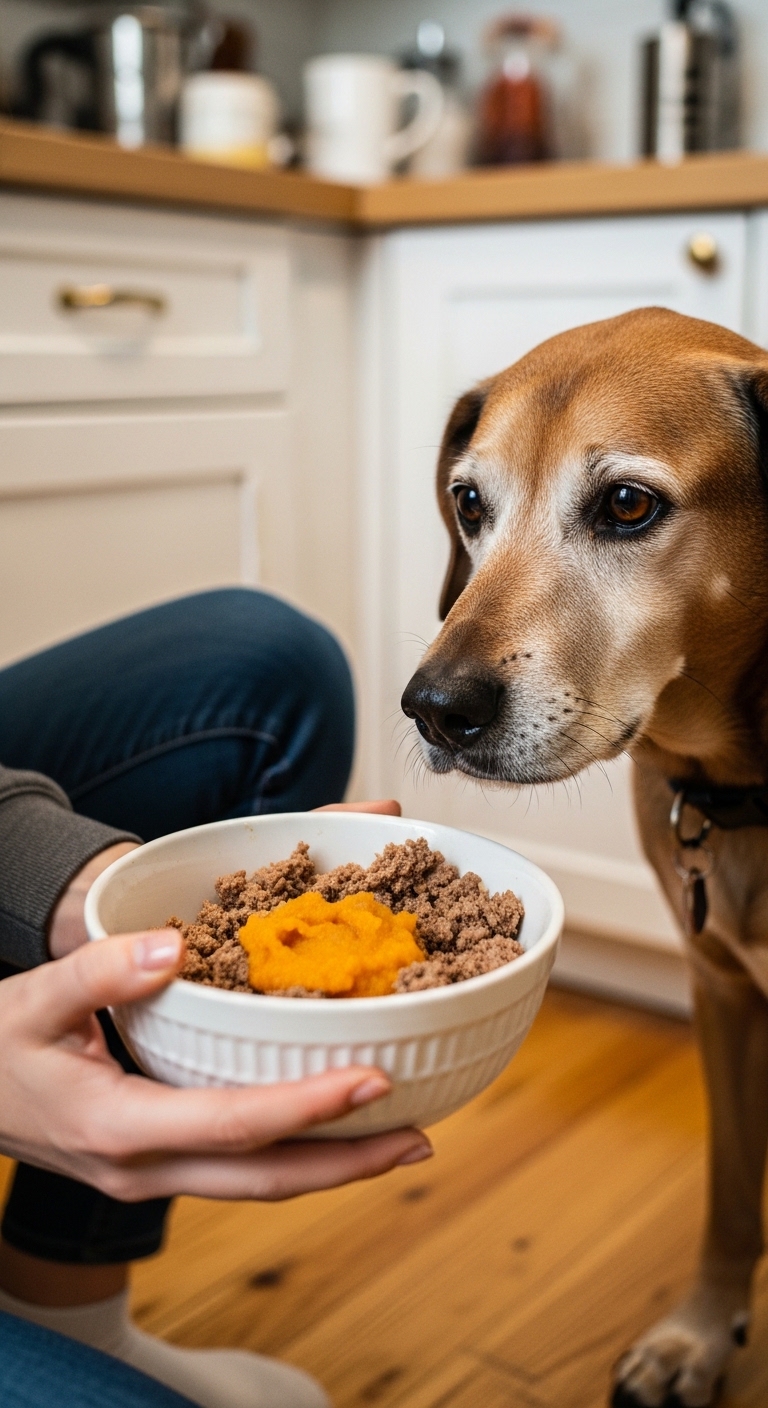
Diet plays a huge role in preventing constipation. High-fiber foods like cooked sweet potatoes, green beans, or plain canned pumpkin can get things moving naturally. Make sure your dog has access to fresh water at all times, as dehydration is a common cause of hard stools. If your dog’s regular food is low in fiber, switching to a formula designed for digestive health might help long-term.
The Role of Exercise
Exercise is another key factor. A 15-minute walk after meals can stimulate bowel movements, especially in less active dogs. If your dog spends most of their time indoors, try adding short play sessions to encourage movement. Even small changes in routine can make a big difference in their digestive regularity.
Safe Remedies and When to Use Them
Some over-the-counter remedies can help, but not all are safe. Miralax (in small doses) is often recommended by vets for dogs, but it should never be used without consulting your vet first. Natural options like psyllium husk can also work, but the dosage needs to be precise based on your dog’s size. Always introduce new remedies gradually to avoid shocking their system.
If home remedies don’t work within 24 hours, don’t wait. Early intervention prevents more serious complications.
Frequently Asked Questions
- → What causes constipation in dogs?
Common causes include dehydration, lack of fiber, ingestion of indigestible items (like bones or hair), obesity, or underlying conditions such as megacolon or tumors. Senior dogs and those with limited mobility are also more prone to constipation.
- → How much pumpkin should I give my constipated dog?
Start with 1-4 tablespoons of plain, unsweetened pumpkin puree per meal, depending on your dog’s size. Monitor their response and adjust as needed. Always introduce dietary changes gradually to avoid digestive upset.
- → Can I use mineral oil to help my dog poop?
While mineral oil is sometimes recommended, it’s not the safest option. It can interfere with nutrient absorption and may cause aspiration pneumonia if inhaled. Stick to vet-approved remedies like pumpkin or vet-approved laxatives instead.
- → When should I take my dog to the vet for constipation?
Seek veterinary care if constipation lasts more than 48 hours, if your dog is vomiting, refusing food, or showing signs of pain. Chronic constipation or straining without results warrants a professional evaluation to rule out serious issues.
- → Are there dog-safe laxatives I can use?
Yes, vet-approved options like Miralax (PEG 3350) can be safe when used as directed. Always consult your vet before giving any medication, as dosage depends on your dog’s weight and health status.
- → How can I prevent future constipation in my dog?
Ensure your dog stays hydrated, eats a balanced diet rich in fiber, and gets regular exercise. Avoid feeding bones or high-fat foods that can contribute to digestive issues. Regular vet check-ups can also help catch potential problems early.