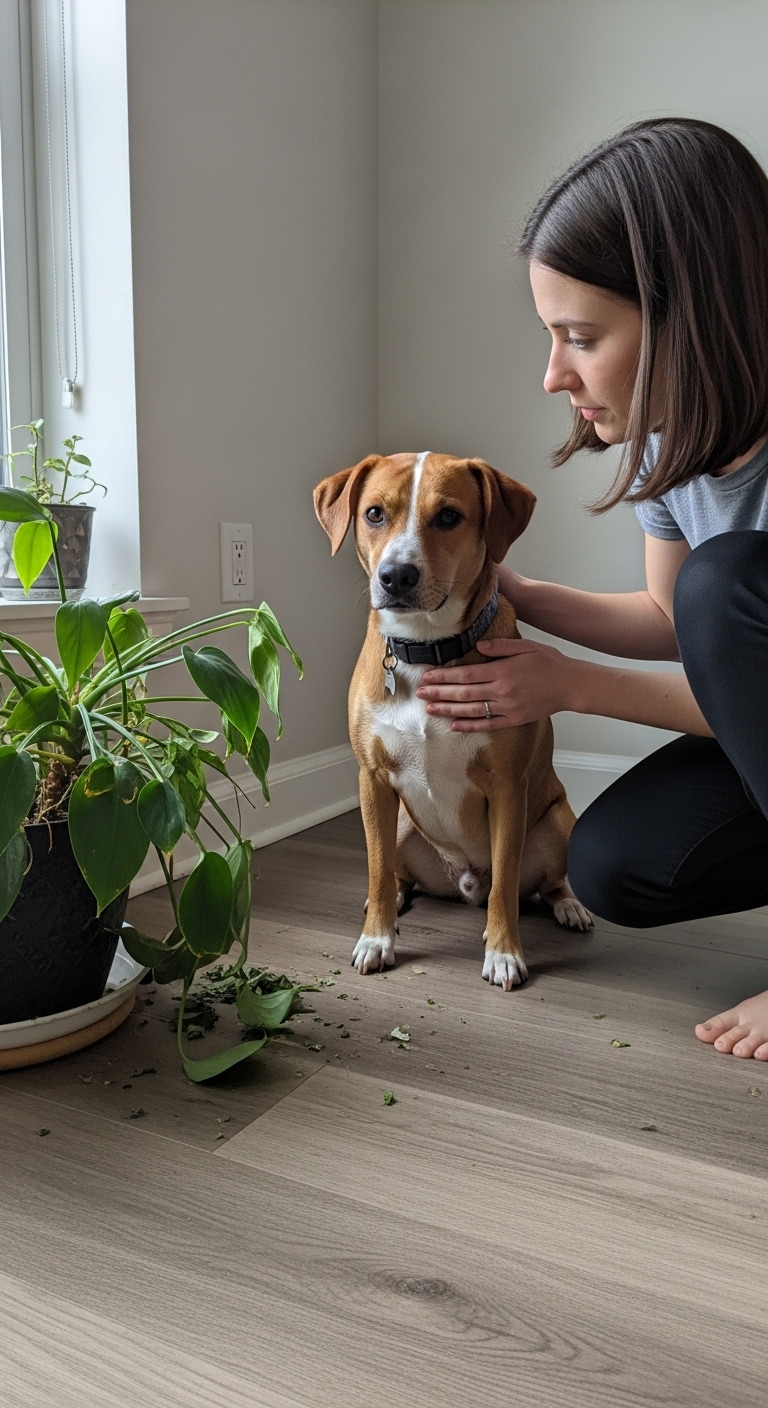
Accidents happen, and sometimes our dogs get into things they shouldn’t, whether it’s a toxic plant, spoiled food, or a swallowed object. Knowing how to safely induce vomiting at home can make all the difference in an emergency, but it’s not something you want to figure out in the moment. This skill could save your dog’s life, especially if you live far from a vet or have limited access to immediate care.
I’ll never forget the first time my dog ate a whole chocolate bar. My heart raced until I remembered the hydrogen peroxide trick—it worked, but only because I’d read about it beforehand. That’s the kind of peace of mind this guide gives you.
Key Things to Understand
- Always call your vet or a pet poison hotline before inducing vomiting: Some substances, like certain chemicals or sharp objects, can cause more damage coming back up than staying down.
- Use only 3% hydrogen peroxide, nothing stronger or weaker: The concentration matters for safety and effectiveness.
- Never use salt or mustard to induce vomiting: These can cause dangerous imbalances or burns in your dog’s system.
- The right dosage is 1 teaspoon per 5 pounds of body weight, up to a maximum of 3 tablespoons: Giving too much can lead to further complications.
- Watch for signs that vomiting worked: If nothing comes up after the first attempt, you may need to try once more after 10 minutes.
What to Look For
Pay attention to your dog’s behavior right after they swallow something questionable. Restlessness, drooling, vomiting, or diarrhea are clear signs they’ve ingested something harmful. If they seem lethargic or disoriented, it could mean the substance is already affecting their system.
Check the label or packaging of anything your dog might have eaten. Some items, like xylitol (found in sugar-free gum), can be deadly even in small amounts. Others, like grapes or chocolate, have different toxicity levels based on your dog’s size.
Look for physical signs in your dog after giving hydrogen peroxide. Gagging, retching, or drooling are normal reactions. If they seem to be in distress beyond that, stop and contact your vet immediately.
Monitor the vomit closely. If you see pieces of the ingested item, that’s a good sign the method worked. If the vomit is mostly liquid or foam without any traces of what they ate, it may not have been effective.
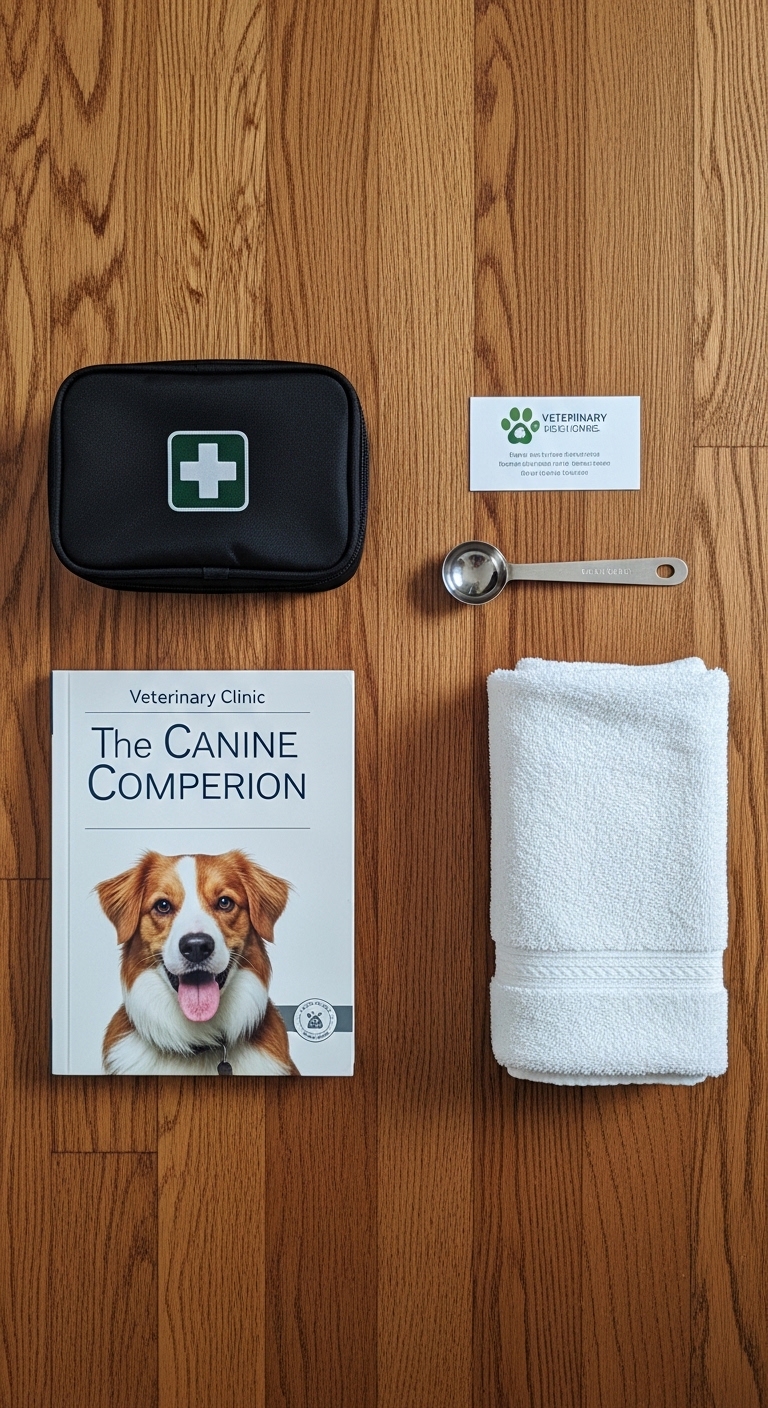
I once knew someone who tried to induce vomiting in their dog after eating a sock using salt. The dog ended up with severe sodium poisoning and had to be hospitalized. That’s why it’s so important to stick to the safe methods. Also, always have the ASPCA Poison Control number (888-426-4435) saved in your phone—it’s a lifesaver for quick advice.
When to Use This Method
This technique is most effective within 2 hours of ingestion. After that window, the substance may have already passed into the intestines, making vomiting less helpful.
If your dog is small or very young, the risks of inducing vomiting increase. Puppies and tiny breeds should always be seen by a vet instead of treated at home.
Some breeds, like brachycephalic dogs (pugs, bulldogs), have a harder time vomiting due to their anatomy. For these dogs, professional help is always the safer choice.
Alternative Options
If you don’t have hydrogen peroxide, some vets recommend apomorphine, but this requires a prescription and is usually given by a professional.
Activated charcoal can sometimes be used to absorb toxins, but it’s not a substitute for vomiting in cases of recent ingestion.
Always follow up with your vet after inducing vomiting, even if your dog seems fine. Some toxins can cause delayed reactions.

Being prepared can turn a panic-filled emergency into a manageable situation. Always prioritize your vet’s guidance to ensure your dog’s safety.
Frequently Asked Questions
- → When should I induce vomiting in my dog?
Only induce vomiting if instructed by a veterinarian or poison control center, typically within 2 hours of ingestion of a known toxin. Never attempt this for sharp objects, corrosive substances, or if your dog is unconscious or showing severe symptoms.
- → What is the safest way to induce vomiting?
The most common method is using 3% hydrogen peroxide at a dose of 1 teaspoon per 5 pounds of body weight (up to 3 tablespoons). Administer it with a syringe or turkey baster into the side of the mouth, not down the throat. Follow with a small meal to help the process.
- → Can I use salt water to make my dog vomit?
No, salt water is not recommended as it can cause dangerous electrolyte imbalances. Hydrogen peroxide is the preferred method when approved by a professional. Always consult your vet before attempting any home remedy.
- → What should I do after inducing vomiting?
Rinse your dog's mouth with water, offer small amounts of water, and monitor for signs of distress. Contact your vet immediately if vomiting persists, your dog seems weak, or symptoms like seizures occur. Bring a sample of the vomit to the vet if possible.
- → Are there substances I should never induce vomiting for?
Yes, never induce vomiting for corrosive substances (like bleach or drain cleaner), sharp objects, petroleum products, or if your dog is unconscious. These can cause severe damage on the way up or down. Always call your vet or poison control first.
- → How can I prevent accidental poisoning in my dog?
Pet-proof your home by keeping toxic foods, plants, medications, and chemicals out of reach. Use childproof locks on cabinets, store trash securely, and be cautious with human foods. Keep emergency vet contacts and the ASPCA Poison Control number (888-426-4435) saved in your phone.