How much Benadryl to give a dog isn’t just a random question: it’s something many pet owners wonder about when their dog starts sneezing, itching, or showing signs of an allergic reaction. Whether it’s seasonal allergies, bug bites, or an unexpected reaction to something they ate, knowing the right dosage can make a big difference in keeping your dog comfortable and safe. Accidentally giving too much can lead to serious problems, so getting this right matters more than you might think.
I remember the first time my own dog started scratching nonstop after a walk: panicking and second-guessing the dosage only made it worse. Having the right info upfront would have saved me those extra minutes of worry.
Key Things to Understand
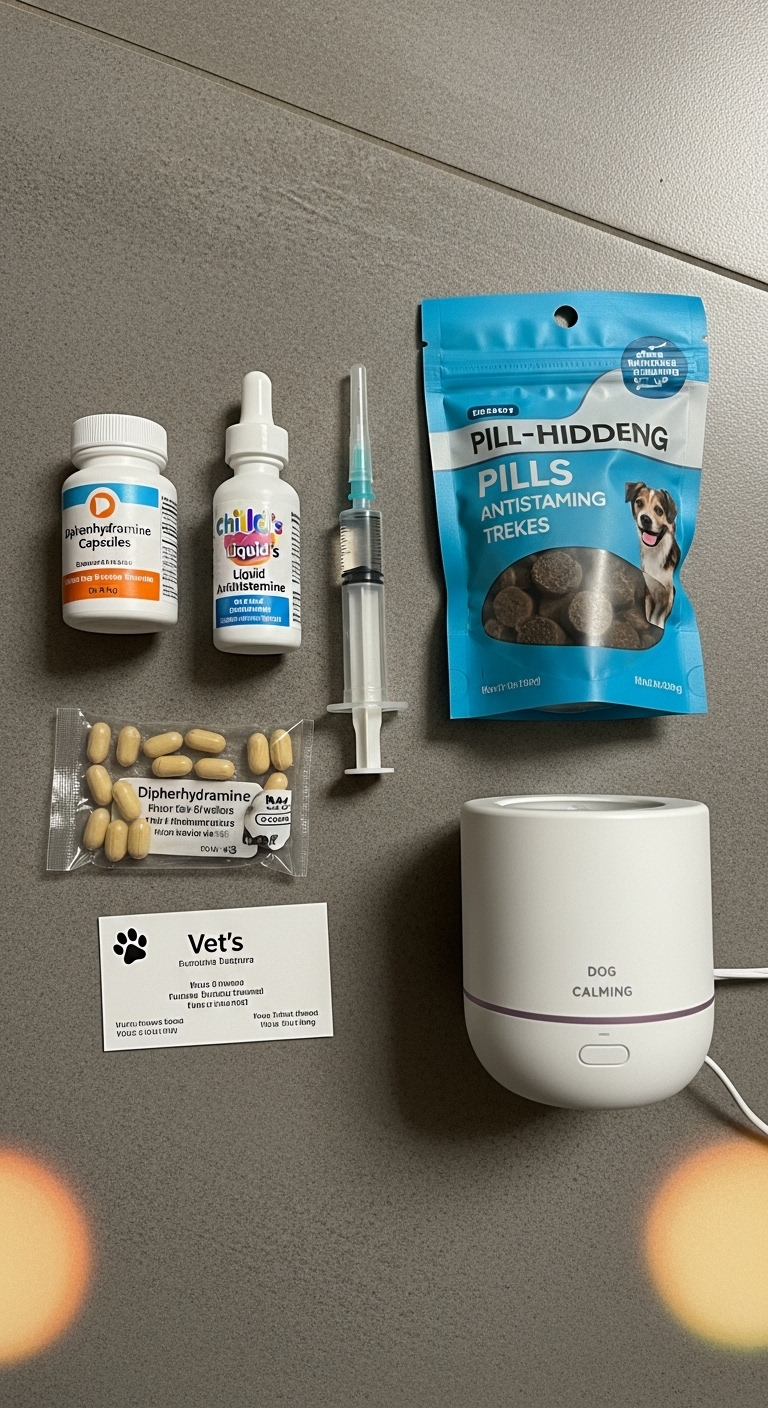
- Active ingredient: Always check the Benadryl label to ensure it’s diphenhydramine without added pain relievers or decongestants
- Dosage: The standard safe dosage is 1 milligram per pound of body weight, but this can vary based on your dog’s health and any medications they’re taking
- Use cases: Benadryl works best for mild allergic reactions like itching or hives, not for severe symptoms like difficulty breathing or swelling of the face
- Formats: Liquid Benadryl can be easier to dose accurately for smaller dogs, but chewable tablets are often more convenient for larger breeds
- Safety: Never give your dog children’s Benadryl that contains alcohol or other additives
What to Look For
Watch for signs that your dog might need Benadryl, such as constant scratching, red or inflamed skin, sneezing, or pawing at their face. These reactions often appear after exposure to pollen, dust, certain foods, or insect bites. If your dog’s symptoms seem mild and localized, Benadryl could help calm their immune response. However, if you notice swelling around the eyes or mouth, persistent vomiting, or trouble breathing, these are red flags that require immediate veterinary attention. Also pay attention to how your dog reacts to the medication: some may become drowsy while others might show increased excitability, which is why starting with a smaller dose can help you gauge their tolerance.
I once gave my neighbor’s dog a dose based on what I’d read online, only to realize later that the dog was on heart medication that could interact badly with Benadryl. That mistake taught me to always double-check with a professional, even for something that seems straightforward.
When to Call the Vet Instead
If your dog’s allergic reaction seems severe or doesn’t improve within a few hours of giving Benadryl, it’s time to seek professional help. Swelling around the face or throat, persistent vomiting, or any signs of respiratory distress are emergencies that require immediate care. Some dogs may have underlying conditions that make Benadryl unsafe, so if your dog has a history of health issues, it’s better to be cautious and ask your vet first.
How to Give Benadryl Safely
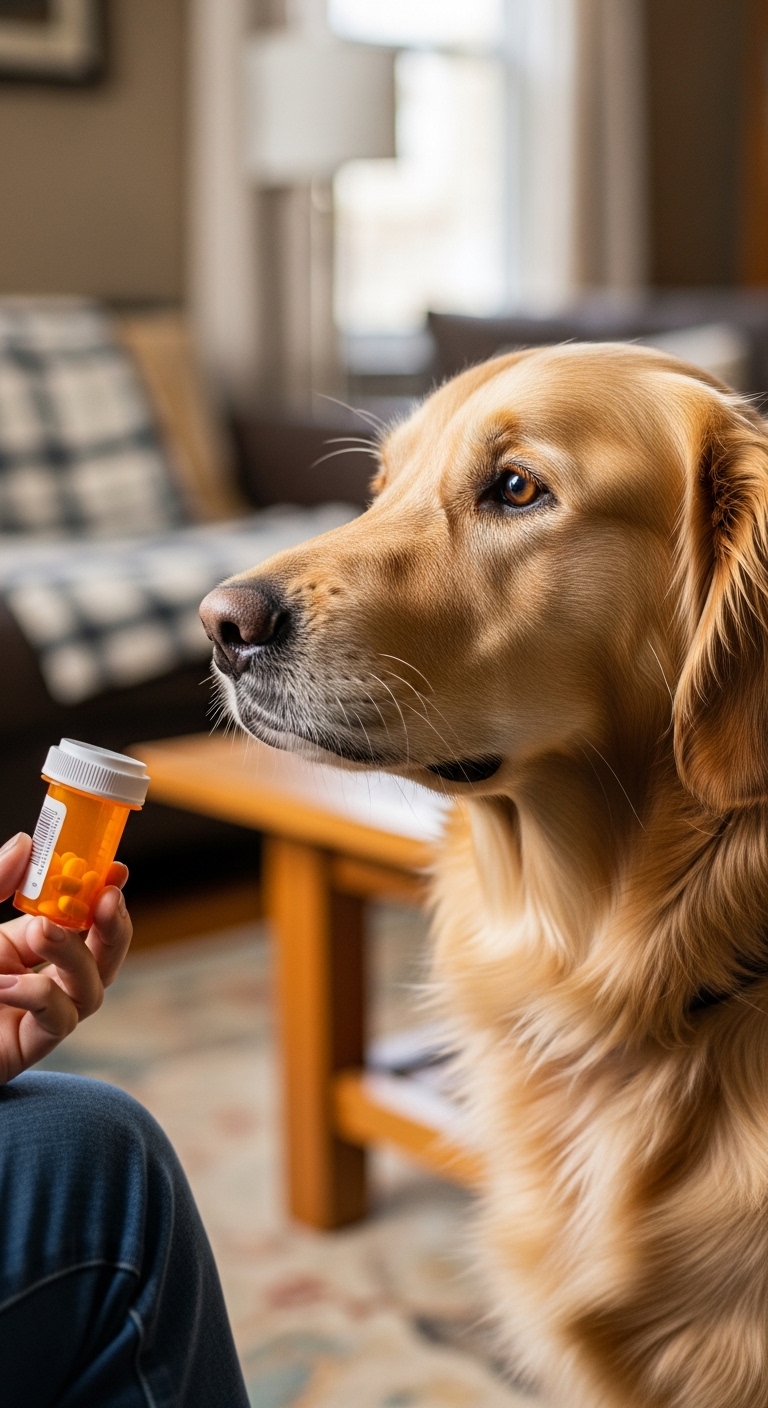
Start by confirming your dog’s weight, as this is the key factor in dosing. For most dogs, 1 mg of diphenhydramine per pound of body weight is safe every 8 to 12 hours, but never exceed three doses in 24 hours. If you’re unsure about the concentration in the liquid form, ask your vet or pharmacist to help you measure the correct amount. Giving the medication with a small treat can make it easier, especially if your dog is picky about taking pills.
Liquid vs. Tablet vs. Chewable
Liquid Benadryl allows for more precise dosing, which is helpful for small dogs or those who struggle with pills. Tablets are convenient for larger dogs but can be harder to split accurately. Chewables are often flavored, making them a good choice for dogs who resist other forms, though they may contain additional ingredients you’ll want to check.
Signs of an Overdose
If your dog becomes unusually lethargic, stumbles when walking, or has seizures after taking Benadryl, these could be signs of an overdose. Other warning signs include rapid heartbeat, dilated pupils, or extreme agitation. If you suspect an overdose, contact your vet or an emergency pet hotline immediately.
Knowing the right Benadryl dosage for your dog can turn a stressful situation into a manageable one. Always prioritize safety and consult your vet when in doubt.
Frequently Asked Questions
- → How much benadryl can I give my dog?
The typical dosage is 1mg of benadryl per pound of your dog’s body weight, given every 8-12 hours. Always confirm the dosage with your vet, especially for puppies, pregnant dogs, or those with health conditions.
- → Can I give my dog children’s benadryl?
Yes, children’s benadryl is safe as long as it contains only diphenhydramine. Avoid formulas with added ingredients like acetaminophen or alcohol. Double-check the concentration to ensure accurate dosing.
- → What if my dog’s symptoms don’t improve after giving benadryl?
If symptoms persist beyond 24 hours or worsen, seek veterinary care immediately. Benadryl provides temporary relief, and persistent issues may indicate a more serious condition requiring professional treatment.
- → Are there side effects of benadryl in dogs?
Common side effects include drowsiness, dry mouth, or urinary retention. In rare cases, dogs may experience agitation or gastrointestinal upset. If severe reactions occur, contact your vet promptly.
- → Can I give benadryl to my puppy?
Puppies can take benadryl, but consult your vet first to determine the correct dosage and ensure it’s safe for their age and weight. Avoid giving benadryl to very young puppies without professional advice.
- → How often can I give my dog benadryl?
Benadryl can be given every 8-12 hours, but never exceed the recommended dosage or frequency. If you need to administer it frequently, consult your vet to address the underlying cause of your dog’s symptoms.