Avocado often pops up in our kitchens as a healthy snack for humans, but when your dog gives you those big, hopeful eyes, it’s hard not to wonder if sharing a bite is okay. The truth is, avocado can be tricky for dogs, and knowing the facts helps you keep your pup safe without missing out on treats they can enjoy.
I remember the first time my neighbor’s dog got into an avocado pit: thankfully, they caught it early, but it was a good reminder that even small pieces can cause big trouble.
Key Things to Understand
- Avocado contains persin: a compound that can be toxic to dogs in large amounts
- The pit is the most dangerous part: because it’s a choking hazard and can cause blockages
- The flesh has less persin: but still isn’t ideal for dogs in big servings
- Guacamole often includes onions or garlic: which are extra risks for pets
- Even small pieces can upset a dog’s stomach: leading to vomiting or diarrhea
What to Look For
Watch how your dog reacts after eating any new food, especially avocado. Some pets might show no issues at all, while others could develop mild stomach upset within hours. Look for signs like lethargy, loss of appetite, or unusual drooling, which could mean they’ve had too much. If your dog has a history of sensitive digestion, it’s best to avoid avocado entirely. Also, check their stool for any changes in consistency or color, as this can hint at digestive trouble.
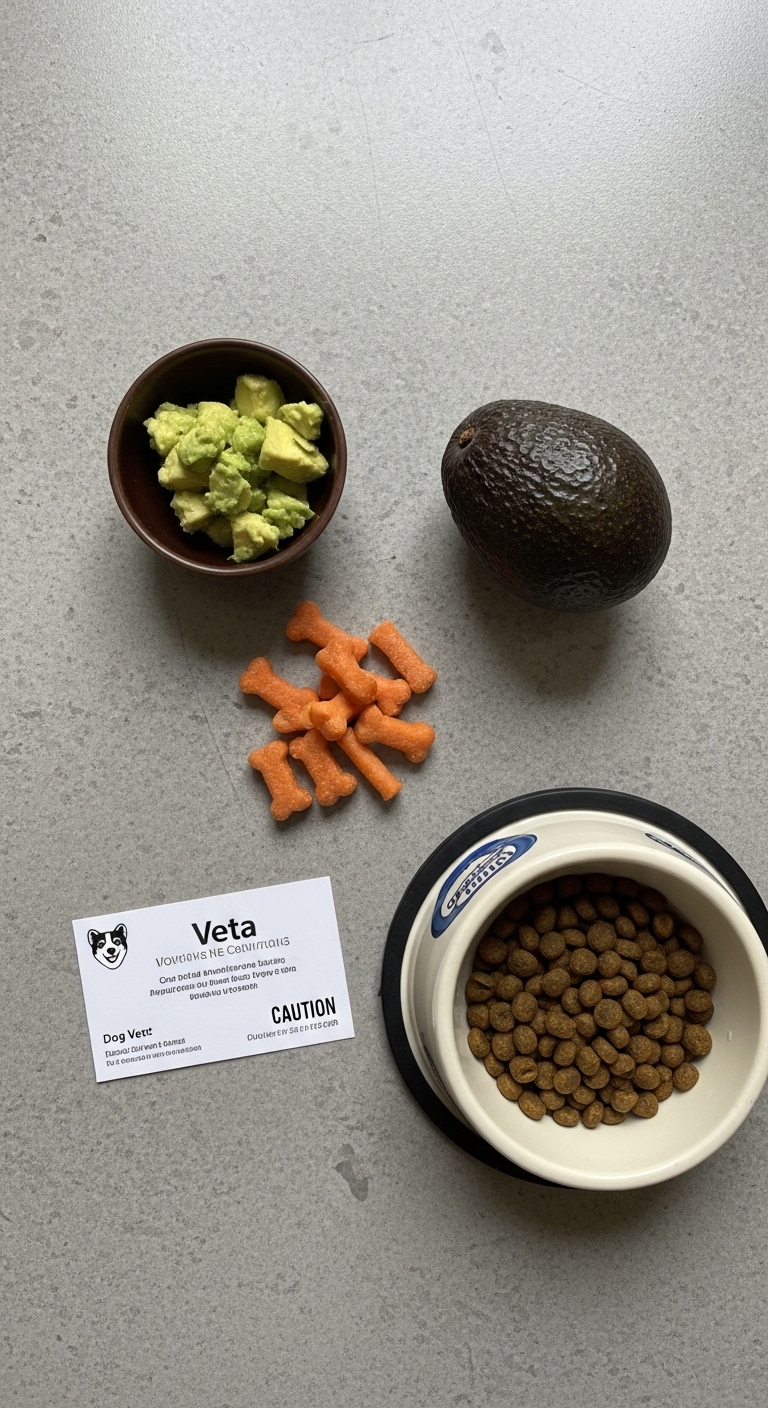
I once saw a dog owner assume their pet could handle avocado because it’s “natural,” only to deal with a vet visit later. It’s a reminder that just because something is healthy for us doesn’t mean it’s safe for them.
Daily care habits
Instead of avocado, try offering your dog small pieces of apple or banana as a sweet treat. These fruits are gentler on their stomachs and still provide a tasty reward. If you’re set on sharing avocado, stick to tiny amounts: think a teaspoon or less and watch for any reactions. Always remove the pit and skin first, as these parts pose the biggest risks.
Safety and comfort
If your dog sneaks a bite of avocado, don’t panic, but do act quickly. Remove any remaining pieces from their reach and offer plenty of water. Keep an eye on their energy levels and bathroom habits for the next day. If they seem off or show signs of distress, call your vet right away. Prevention is always easier than dealing with the aftermath.
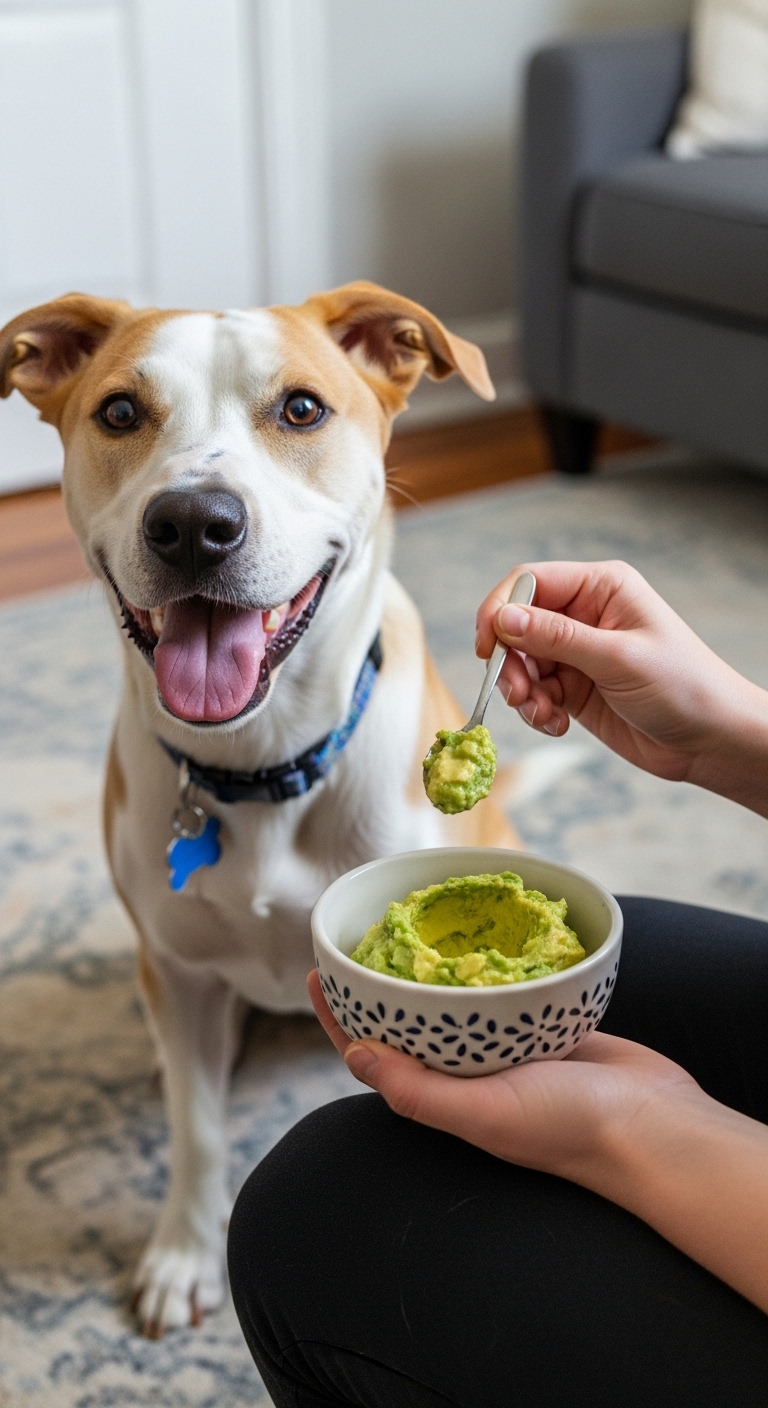
When in doubt, it’s always better to play it safe. Your dog’s health is worth more than a quick snack, and there are plenty of other ways to treat them without risking trouble.
Frequently Asked Questions
- → Can dogs eat avocado safely?
While the flesh of the avocado is generally non-toxic, it's best to avoid feeding it to dogs due to the high fat content and potential risks like gastrointestinal upset or pancreatitis.
- → What parts of the avocado are toxic to dogs?
The pit, skin, and leaves of the avocado contain persin, which can be harmful to dogs in large quantities. The flesh is less risky but still not recommended.
- → What should I do if my dog eats avocado?
If your dog eats a small amount of avocado flesh, monitor them for symptoms like vomiting or diarrhea. If they ingest the pit or skin, contact your vet immediately.
- → Are there any benefits to feeding avocado to dogs?
Avocado contains healthy fats and nutrients, but these can be obtained from other safer sources. The risks often outweigh the benefits for dogs.
- → Can avocado cause pancreatitis in dogs?
Yes, the high fat content in avocado can contribute to pancreatitis in dogs, especially if consumed in large amounts. It's best to avoid feeding it to them.
- → What are the symptoms of avocado poisoning in dogs?
Symptoms may include vomiting, diarrhea, lethargy, or loss of appetite. If your dog shows these signs after eating avocado, contact your veterinarian.