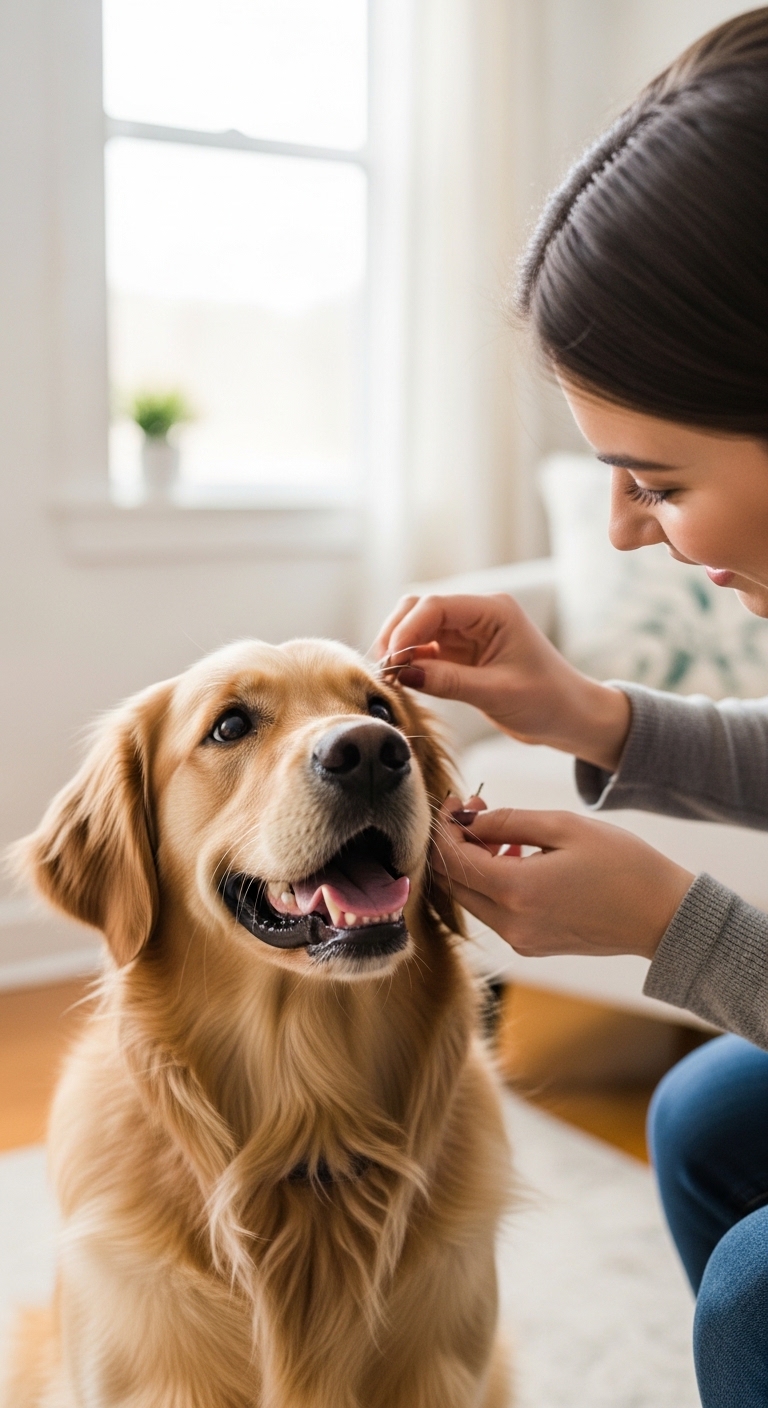
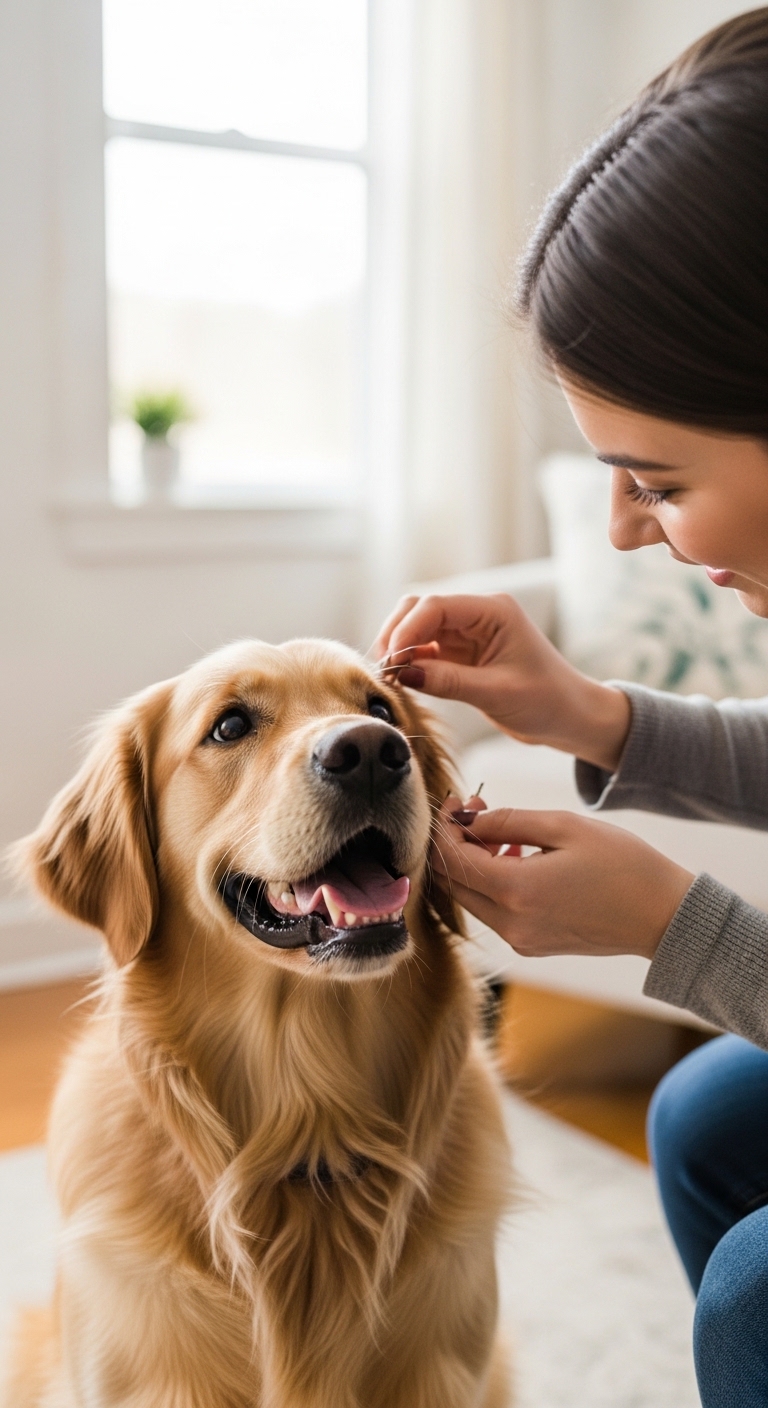
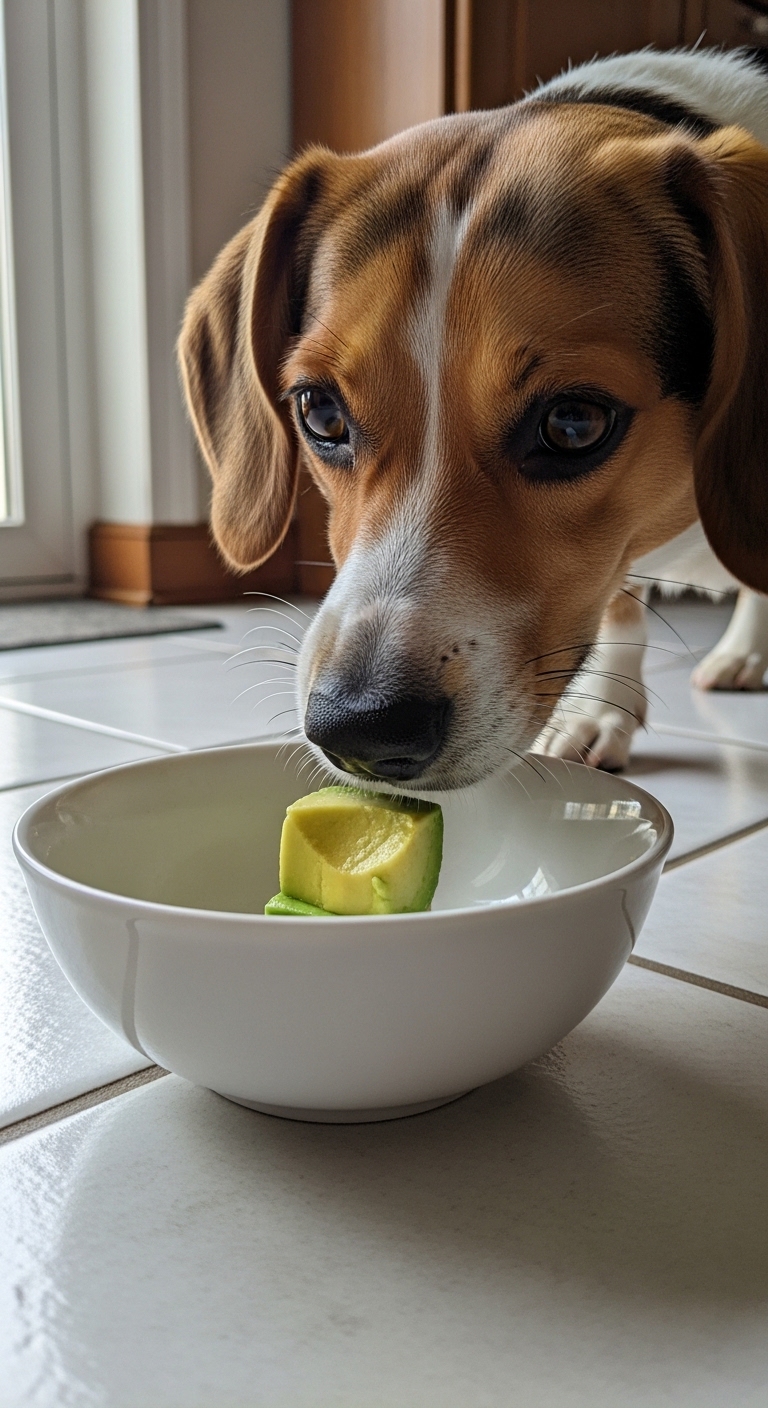
Is lavender safe for dogs? Many pet owners wonder about this when they see their pup sniffing around a fragrant garden or when they’re tempted to use lavender-scented products at home. Lavender is often used in aromatherapy, candles, and even some pet products, but its safety for dogs isn’t always clear. The wrong exposure can lead to discomfort or even health risks, so it’s important to know how to use it safely or when to avoid it altogether.
I once used a lavender-scented laundry detergent without thinking twice, only to notice my dog sneezing and scratching more than usual. A quick vet check confirmed it was the detergent, and switching to an unscented version made a big difference in his comfort.
Key Things to Understand
- Lavender essential oil: The most concentrated form and can be toxic to dogs if ingested or inhaled in large amounts.
- Dried lavender flowers: Generally safer but should still be used in moderation.
- Lavender-scented products: Shampoos or sprays may contain oils that could irritate your dog’s skin or respiratory system.
- Sensitivity varies: Some dogs are more sensitive to scents than others, so reactions can vary widely.
- Indirect exposure: Even small amounts of lavender oil on your hands or clothes can transfer to your dog and cause issues.
What to Look For
Pay attention to how your dog reacts when you bring lavender into your home. If you notice excessive sneezing, coughing, or watery eyes, it could be a sign that the scent is bothering them. Watch for changes in behavior too: some dogs become restless or lethargic when exposed to strong fragrances. If you’re using lavender-scented grooming products, check the label for essential oils and opt for milder, pet-safe alternatives if needed. Also, keep an eye on your dog’s skin after bath time; redness, itching, or irritation might mean the product isn’t a good fit.
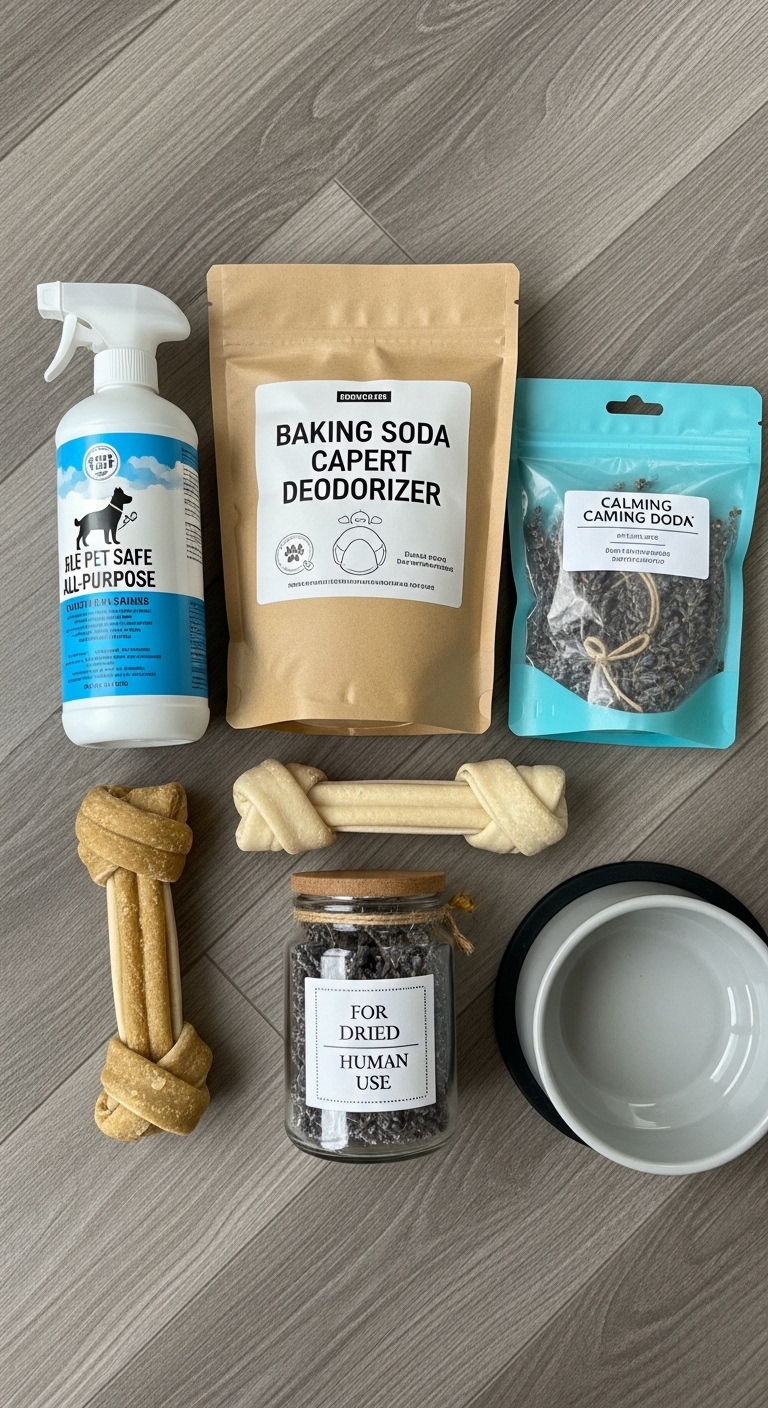
A common mistake is assuming that because lavender is a natural plant, it’s automatically safe for dogs. Many pet owners don’t realize that concentrated oils or synthetic fragrances can cause problems. I’ve seen cases where dogs developed rashes after walking on freshly laundered lavender-scented bedding. Always err on the side of caution and introduce new scents gradually to see how your dog responds.
Daily care habits
If you love the smell of lavender, consider using it in ways that minimize direct contact with your dog. For example, placing dried lavender sachets in drawers or closets can freshen up spaces without putting your pup at risk. Just make sure they can’t access the sachets to chew on them. Another option is to use lavender-infused sprays on curtains or furniture, keeping the scent out of your dog’s immediate environment.
Choosing the right product
When shopping for lavender-scented pet products, look for labels that specify "pet-safe" or "non-toxic." Avoid anything with terms like "pure essential oil" or "fragrance oil," as these can be too strong. Instead, opt for products with mild, natural ingredients and no added synthetic fragrances. If you’re unsure, ask your vet for recommendations: some brands specialize in gentle, dog-friendly scents.
Safety and comfort
Never burn lavender candles or use diffusers in rooms where your dog spends a lot of time. The smoke or vapor can irritate their lungs and trigger allergies. If you’re using lavender in your garden, ensure your dog can’t dig up or eat the plants. Some dogs are curious chewers, and even non-toxic plants can cause stomach upset if ingested in large quantities.
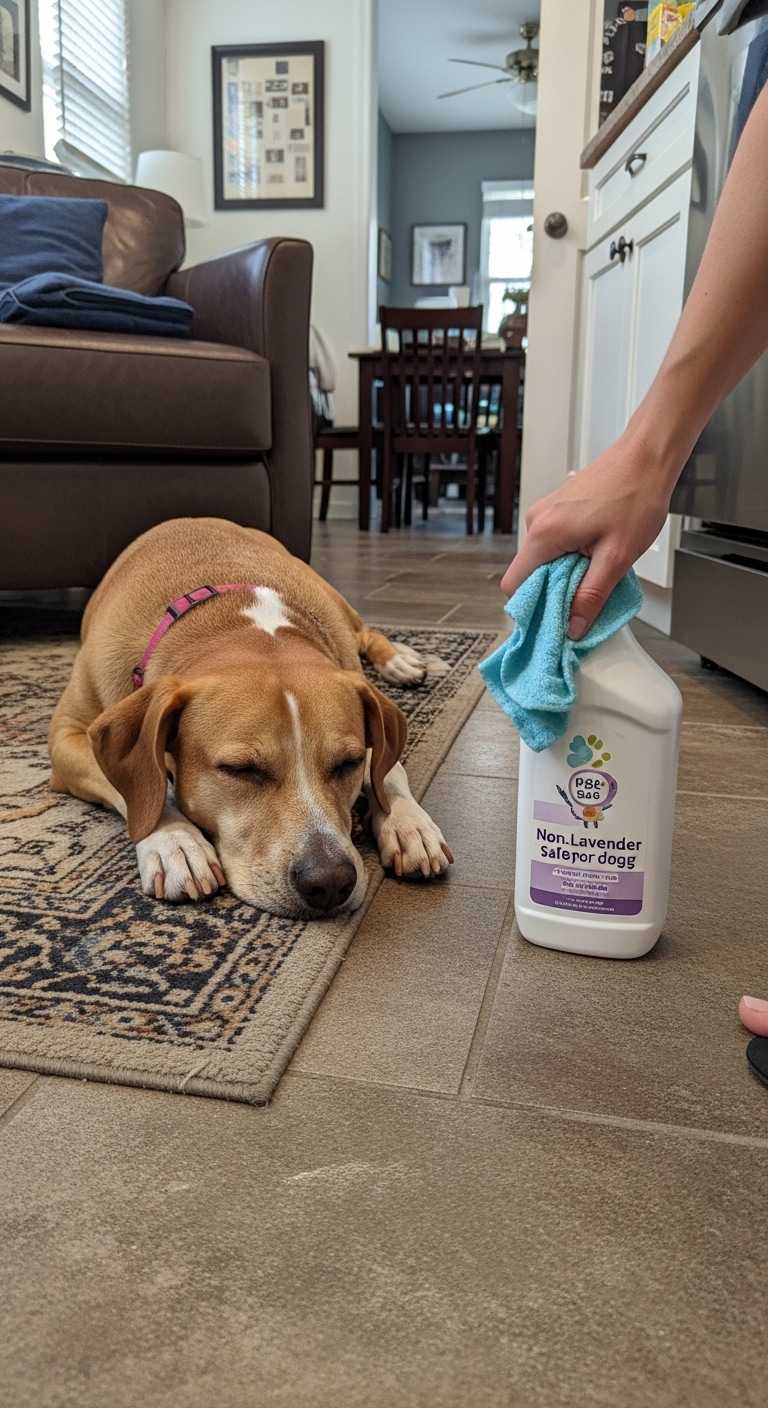
Lavender can be a pleasant addition to your home, but your dog’s safety should always come first. Use it wisely and in moderation.
Frequently Asked Questions
- → Can dogs safely ingest lavender?
Dogs should not ingest lavender in large quantities. While small amounts of fresh or dried lavender may not harm most dogs, lavender essential oils are highly concentrated and toxic if swallowed. Symptoms of lavender poisoning include vomiting, diarrhea, lethargy, or loss of appetite. Always keep lavender products out of reach and consult your vet before offering any herbal remedies.
- → Is lavender essential oil safe for dogs?
Lavender essential oil is not safe for dogs in its undiluted form. It can cause skin irritation, respiratory issues, or even poisoning if ingested. If you choose to use lavender oil, it must be heavily diluted (1 drop per 1 tablespoon of carrier oil) and used sparingly. Avoid direct application to the skin, paws, or face, and never diffuse it in an enclosed space where your dog cannot leave.
- → How can I safely use lavender around my dog?
To safely use lavender around your dog, opt for fresh or dried lavender plants in areas your dog cannot access. If using lavender oil, diffuse it in a well-ventilated room for short periods (10-15 minutes) and ensure your dog can leave the area. Alternatively, use lavender-infused pet-safe products like shampoos or sprays formulated specifically for dogs.
- → What are the signs of lavender toxicity in dogs?
Signs of lavender toxicity in dogs include vomiting, diarrhea, drooling, lethargy, weakness, uncoordinated movements, or skin irritation. In severe cases, ingestion of large amounts of lavender essential oil can lead to liver damage or neurological issues. If you suspect your dog has ingested lavender oil or is showing adverse reactions, contact your veterinarian or an emergency pet poison hotline immediately.
- → Are there safer alternatives to lavender for calming dogs?
Yes, safer alternatives to lavender for calming dogs include chamomile (in tea or diluted oil form), valerian root, or CBD products formulated for pets. Always introduce new calming aids gradually and monitor your dog’s reaction. Other non-herbal options include pheromone diffusers, calming chews, or behavioral training to reduce anxiety.
- → Can lavender help with my dog’s anxiety?
Lavender may help reduce mild anxiety in some dogs when used appropriately, such as through diffusion or diluted topical application. However, its effectiveness varies by dog, and some pets may find the scent overwhelming or irritating. For dogs with severe anxiety, consult your vet for tailored solutions like prescription medications, behavioral therapy, or vet-approved calming supplements.