Olive oil isn’t just a kitchen staple: it can be a simple way to boost your dog’s health too. Many pet owners don’t realize that a little good-quality olive oil can do more than just make their dog’s coat shine. From supporting digestion to easing joint discomfort, it’s a natural supplement worth considering. But before you start pouring, it’s important to understand how to use it safely and effectively.
I remember when I first tried adding olive oil to my senior dog’s food. Within a few weeks, his energy picked up and his coat felt softer. It wasn’t a miracle cure, but it was a small change that made a noticeable difference.
Key Things to Understand
- Healthy fats: Olive oil is high in healthy fats that support skin and coat health
- Antioxidants: It contains antioxidants that can help reduce inflammation in joints
- Best type: Extra virgin olive oil is the safest choice because it’s least processed
- Moderation: Too much can lead to weight gain or loose stools, so moderation is key
- Allergies: Some dogs may have allergies or sensitivities, so introduce it slowly
- Vet check: Always check with your vet before adding new supplements to your dog’s diet
What to Look For
Pay attention to your dog’s energy levels after introducing olive oil. If they seem more playful and their coat looks shinier, it’s likely working well. Watch for any changes in their stool: if it becomes too soft or frequent, you may be giving too much. Also notice their skin condition. Olive oil can help with dryness or flakiness, but if irritation appears, it might not agree with them.
The type of olive oil matters too. Extra virgin olive oil is the best option because it’s less processed and retains more nutrients. Avoid flavored or infused oils that might contain additives harmful to dogs.
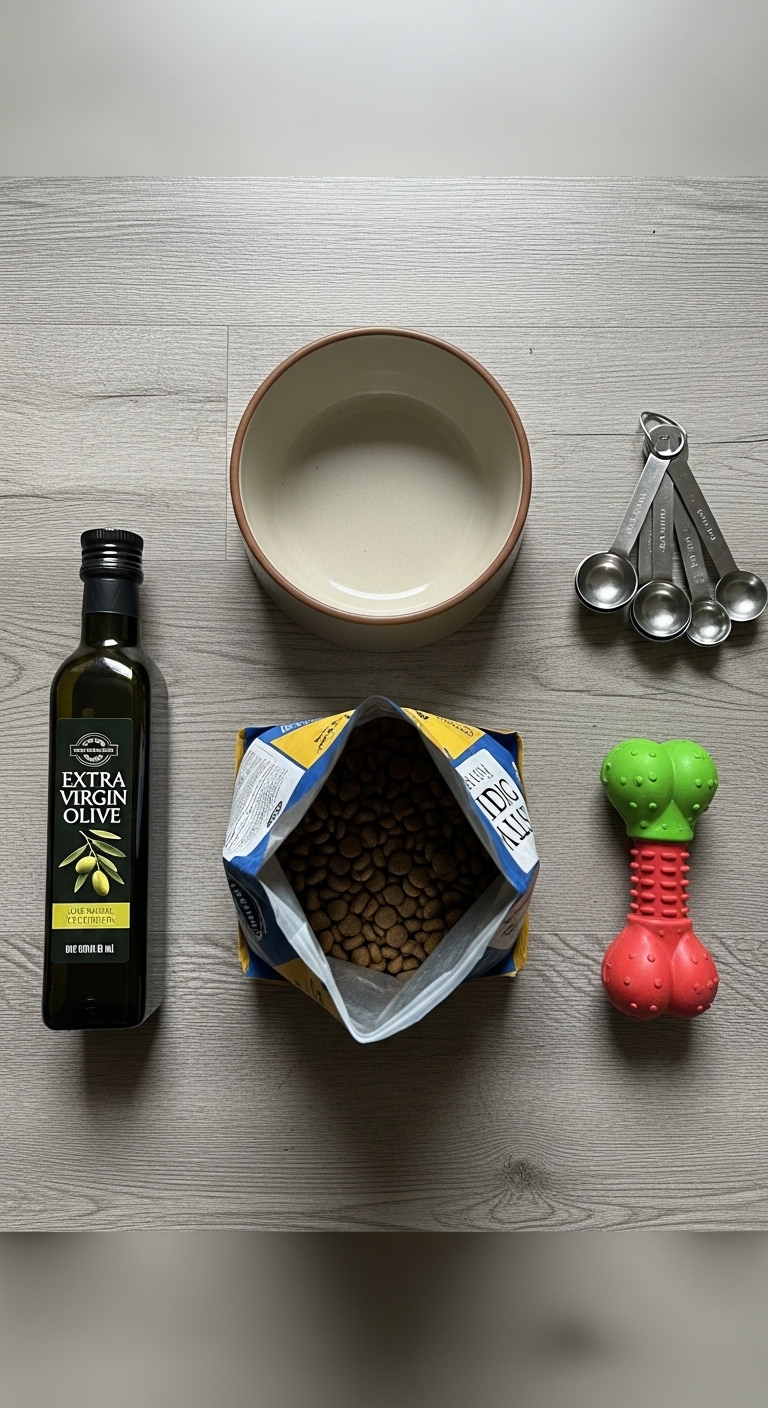
I once gave my neighbor’s advice to add olive oil to their overweight dog’s food, only to realize later that it wasn’t the best fit. Their dog gained even more weight because they didn’t adjust the meal portions. Always consider your dog’s overall diet and activity level before adding extras. If your dog has health conditions, a quick vet check can prevent unwanted surprises.
Daily care habits
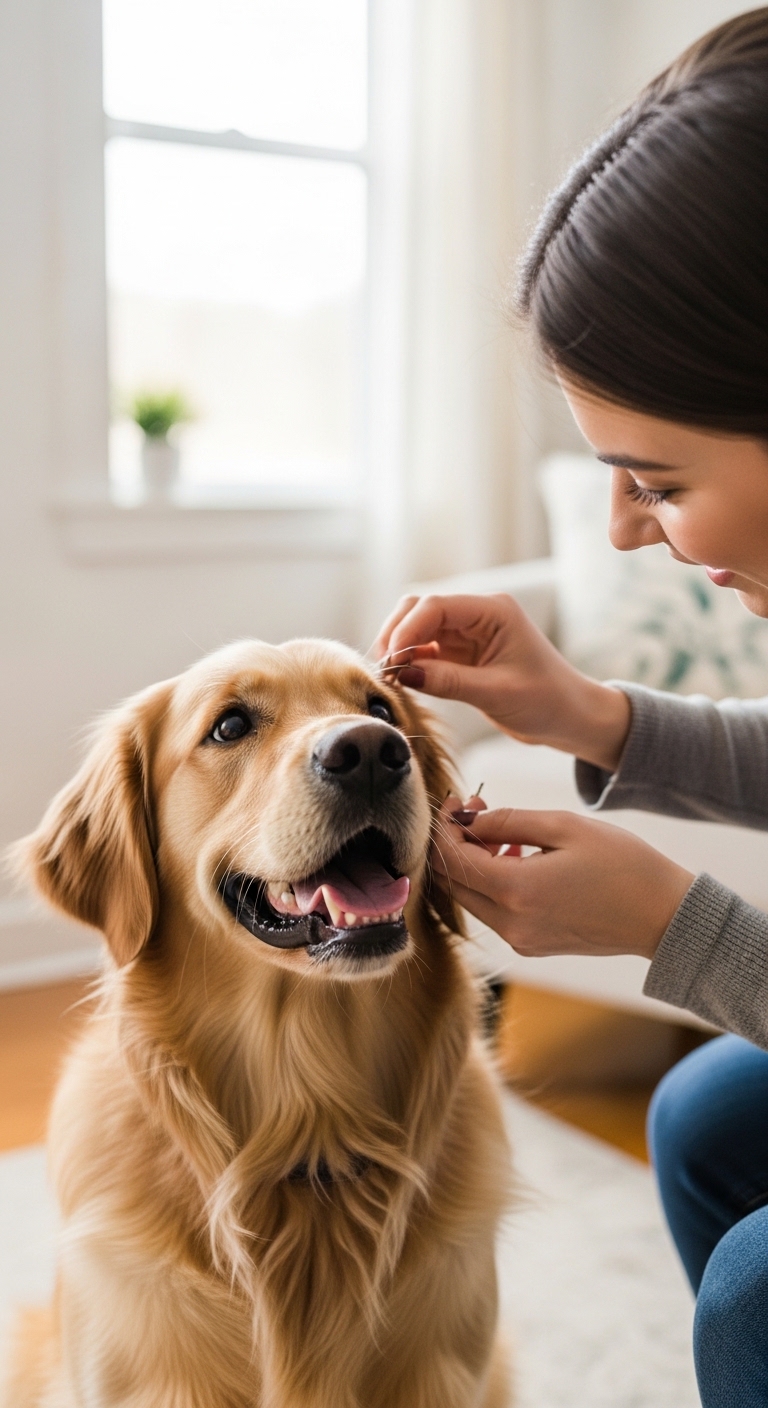
Adding a teaspoon of olive oil to your dog’s meal a few times a week can make their coat softer and reduce shedding. It’s an easy habit to build into their routine, especially during colder months when dry skin is more common. Just mix it in with their regular food and watch their skin and fur improve over time.
Choosing the right product
Not all olive oils are the same. Extra virgin olive oil is the safest because it’s made without chemicals or high heat that can strip away nutrients. Look for cold-pressed labels and avoid anything labeled 'light' or 'pure,' as these are often refined and less beneficial. A trusted brand with minimal ingredients is always the best choice.
Safety and comfort
Olive oil is generally safe, but moderation is key. Start with a small amount: about a quarter teaspoon for small dogs and up to a teaspoon for larger breeds, and increase slowly. If your dog has a sensitive stomach, begin with even less to avoid digestive upset. Always store olive oil in a cool, dark place to keep it fresh for your dog’s meals.
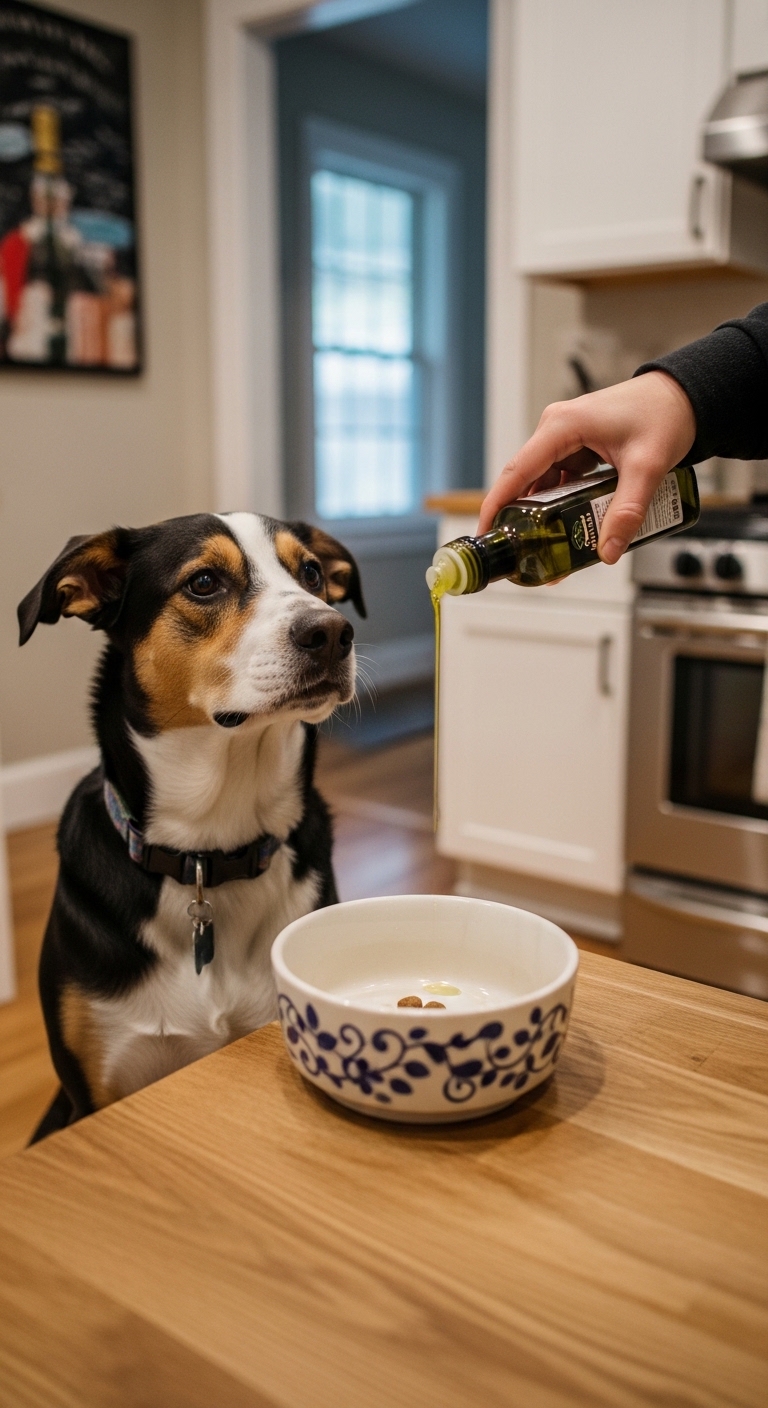
Olive oil can be a simple yet effective addition to your dog’s diet when used correctly. Always prioritize quality and moderation for the best results.
Frequently Asked Questions
- → Can dogs eat olive oil safely?
Yes, dogs can safely eat olive oil in small amounts. It's non-toxic and offers several health benefits when given in moderation. Always introduce it gradually to avoid digestive upset.
- → How much olive oil should I give my dog?
Start with 1/4 teaspoon per 10 pounds of body weight, 2-3 times per week. For small dogs, 1/8 teaspoon is sufficient. Monitor your dog's weight and adjust accordingly.
- → What are the benefits of olive oil for dogs?
Olive oil improves skin and coat health, reduces itching and flakiness, aids digestion, boosts immune function, and may help with joint pain due to its anti-inflammatory properties.
- → Can olive oil help my dog's dry skin?
Yes, olive oil's healthy fats nourish the skin from within and can reduce dryness and flakiness. You can also apply a small amount topically to soothe dry patches.
- → Are there any risks of giving olive oil to dogs?
While generally safe, too much olive oil can lead to diarrhea, vomiting, or weight gain due to its high fat content. Always use plain, unseasoned olive oil and consult your vet if your dog has pancreatitis or is overweight.
- → Can I cook my dog's food with olive oil?
Yes, you can lightly cook your dog's food with olive oil to enhance flavor and nutrient absorption. Use it sparingly to avoid excess calories and always avoid seasonings or additives.