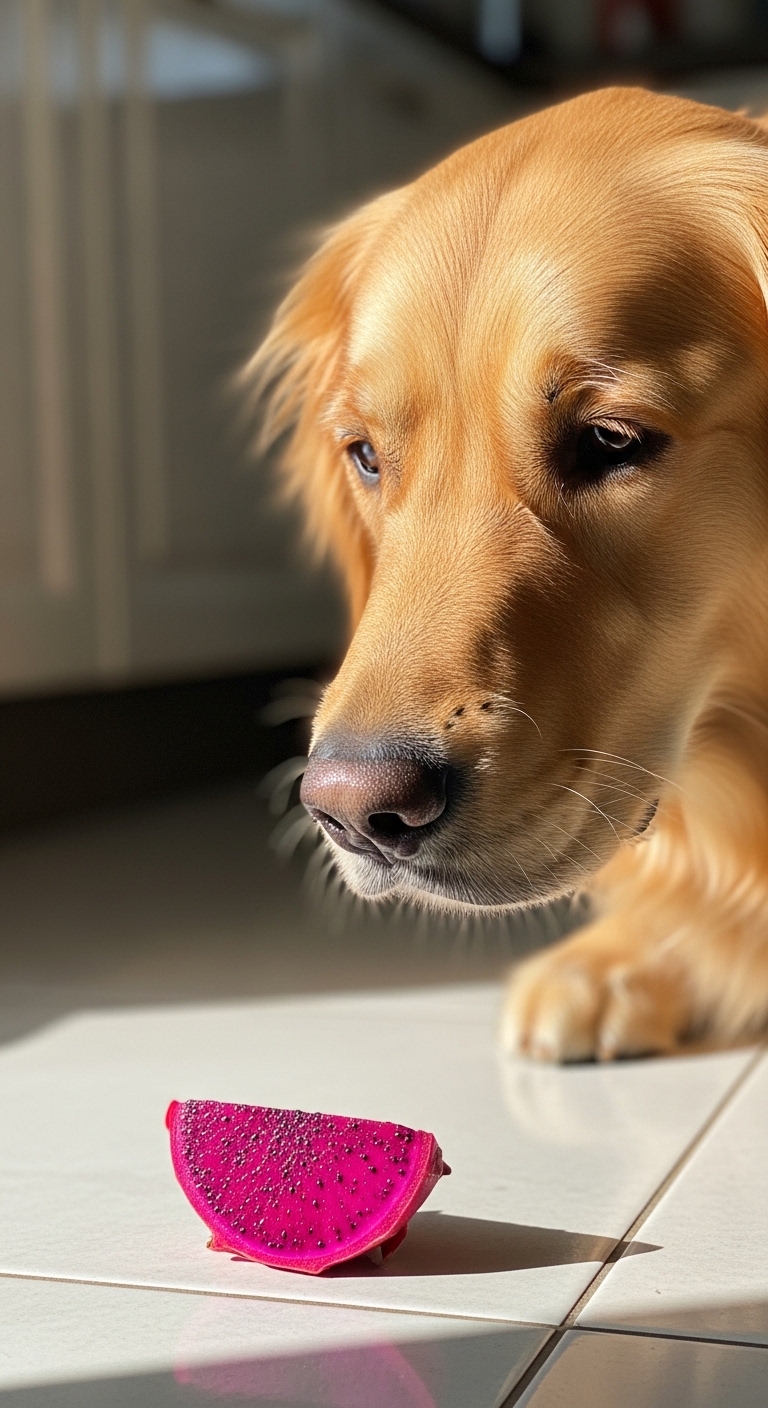
Are almonds bad for dogs? It’s a question many pet owners ask when they’re snacking on almonds and their pup gives them those big, hopeful eyes. While almonds might seem like a harmless treat, they can actually pose risks to your dog’s health. Small amounts might not cause immediate harm, but certain types of almonds and how they’re prepared can lead to serious issues. Understanding the risks helps you make safer choices for your pet’s diet.
I once saw a friend’s dog get sick after eating a handful of almonds from a trail mix. The dog ended up at the vet with an upset stomach and needed fluids. That moment made me realize how easy it is to overlook the dangers of human snacks.
Key Things to Understand
- Plain almonds in small amounts: may not poison your dog but can still cause digestive upset
- Flavored almonds: almonds flavored with garlic, onion, or spices are especially dangerous and should never be given
- Salted or seasoned almonds: can lead to sodium ion poisoning, which is serious and requires immediate care
- Almond shells: can splinter and cause choking or internal damage if swallowed
- Store-bought almond butter: might contain xylitol, a sugar substitute that is toxic to dogs
What to Look For
Watch for signs of discomfort like vomiting, diarrhea, or lethargy after your dog eats almonds. These symptoms can appear within hours and may indicate an upset stomach or something more serious. If your dog shows repeated vomiting or seems weak, it’s time to contact your vet. Also, check the ingredient list on any almond-based products before sharing them with your pet. Even small amounts of harmful additives can cause problems quickly.
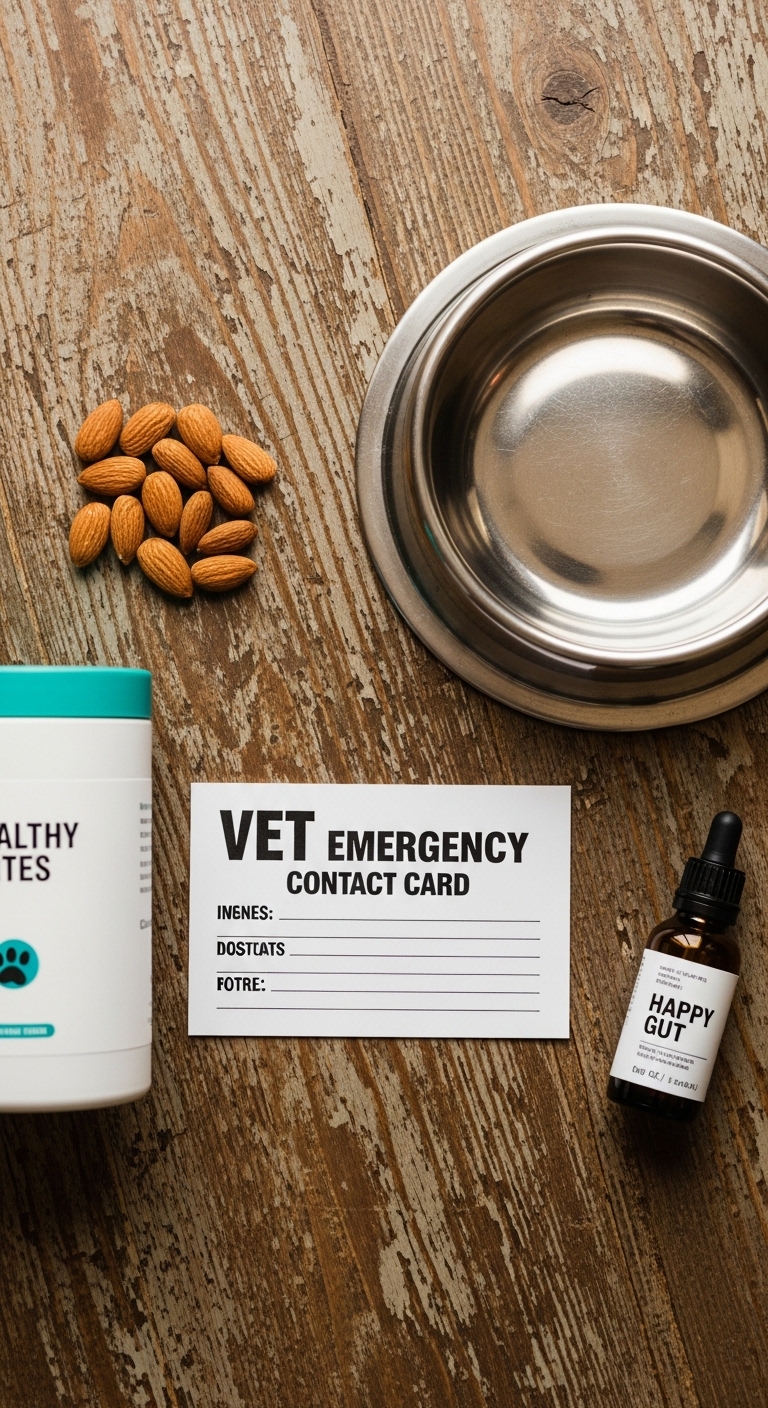
A common mistake is assuming all nut butters are safe because they’re made for dogs. Many store-bought versions contain xylitol, which is deadly even in tiny amounts. Always read labels carefully and stick to plain, unsweetened options if you’re unsure.
Daily Care Habits
Instead of sharing almonds, offer your dog dog-safe treats like carrots or apple slices. These are crunchy, low-calorie, and much easier on their digestive system. If you’re looking for something similar to almonds in texture, try roasted pumpkin seeds. They’re a safe alternative that many dogs enjoy.
Choosing the Right Product
If you want to give your dog a nut-based treat, look for products labeled specifically for pets. Avoid anything with added flavors, salt, or artificial sweeteners. Check the packaging for clear instructions on serving size and ingredients. When in doubt, ask your vet for recommendations tailored to your dog’s breed and size.
Safety and Comfort
Keep almonds and other nuts out of reach to prevent accidental ingestion. Store them in high cabinets or sealed containers where your dog can’t access them. If you suspect your dog has eaten almonds, monitor them closely for the next few hours. Signs like excessive drooling, restlessness, or a bloated belly mean it’s time for a vet visit.
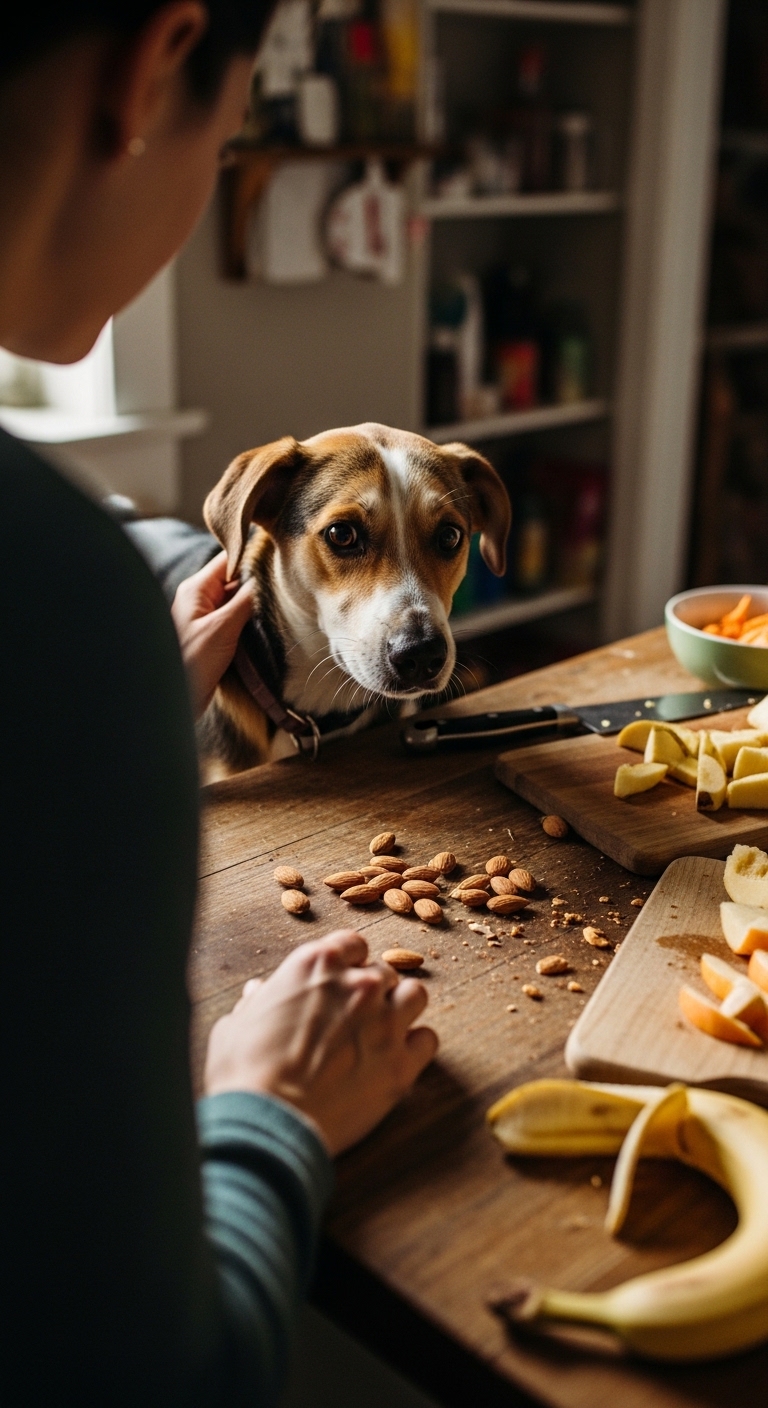
Always prioritize your dog’s safety by choosing treats designed for them. When in doubt, consult your vet for the best advice.
Frequently Asked Questions
- → Can dogs eat almonds safely?
No, almonds are not safe for dogs. They can cause digestive issues, blockages, and even cyanide poisoning in large amounts.
- → What happens if a dog eats almonds?
Symptoms may include vomiting, diarrhea, lethargy, loss of appetite, or abdominal pain. Severe cases could lead to intestinal blockages or poisoning.
- → Are there any safe nuts for dogs?
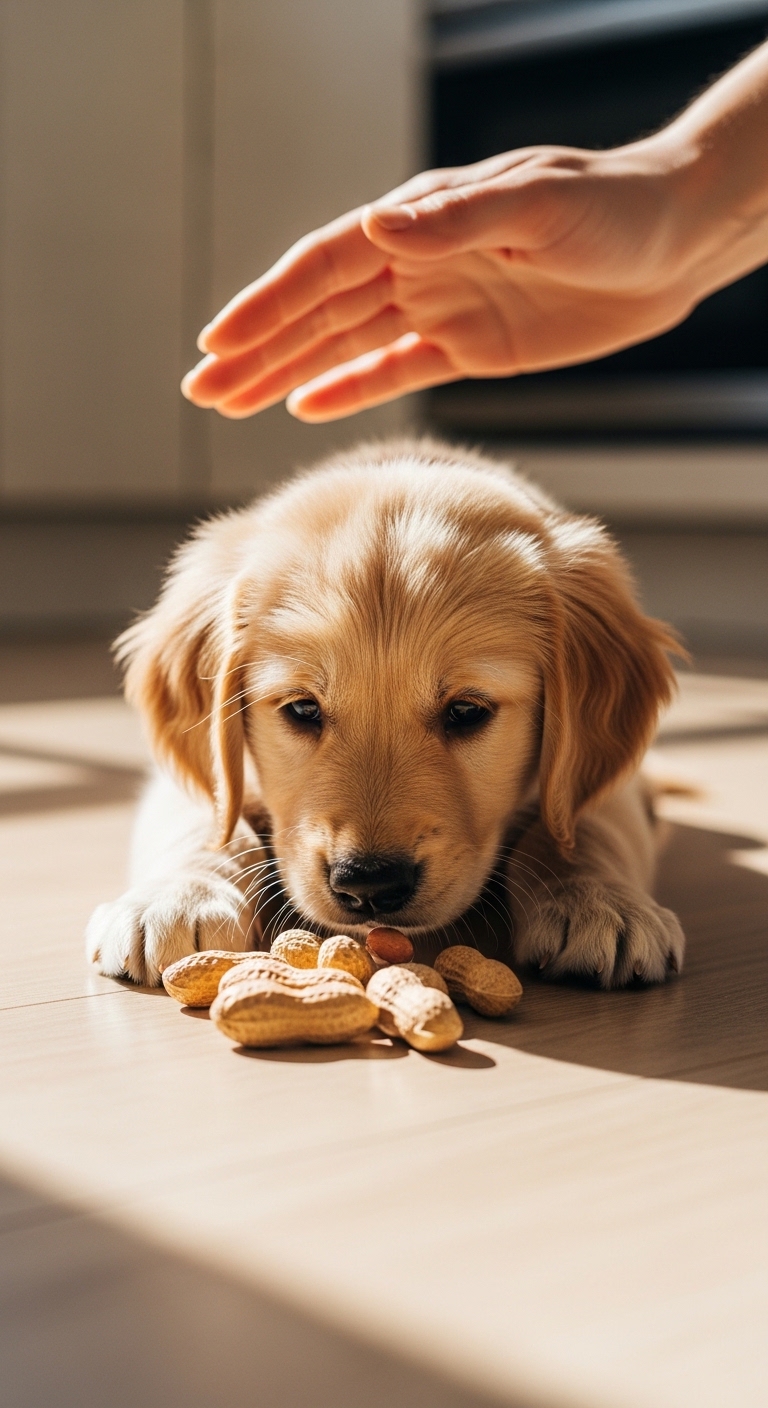
Yes, plain peanuts (without shells) and cashews in moderation are generally safe. Always avoid salted or flavored nuts.
- → How much almond is toxic to dogs?
The exact amount varies by size, but even a few almonds can cause issues. Larger dogs may tolerate small amounts better, but it's best to avoid them entirely.
- → What should I do if my dog eats almonds?
Contact your vet immediately, especially if your dog shows symptoms. Do not induce vomiting unless instructed by a professional.
- → Are almond butter or almond milk safe for dogs?
Almond butter in small amounts may be safer than whole almonds, but almond milk is not recommended due to potential additives and low nutritional value for dogs.