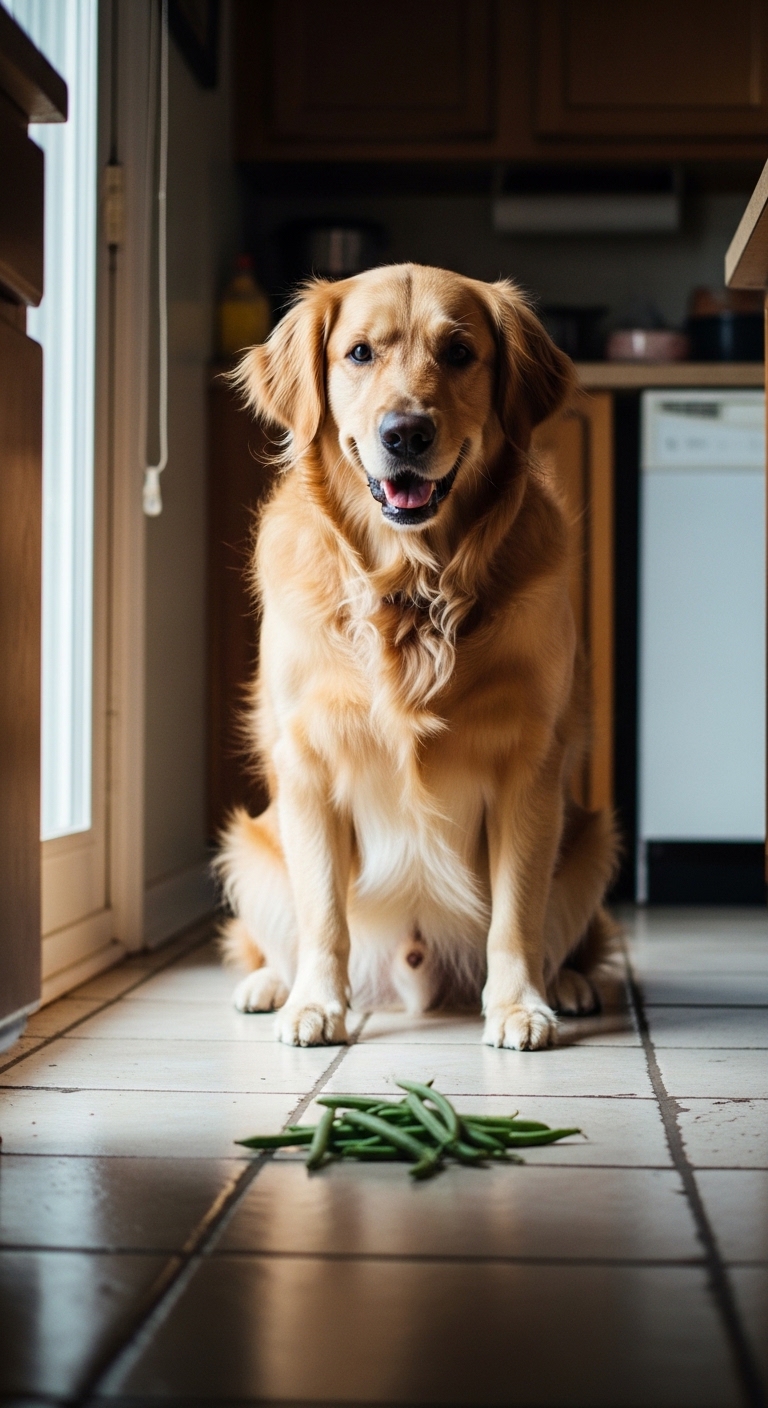
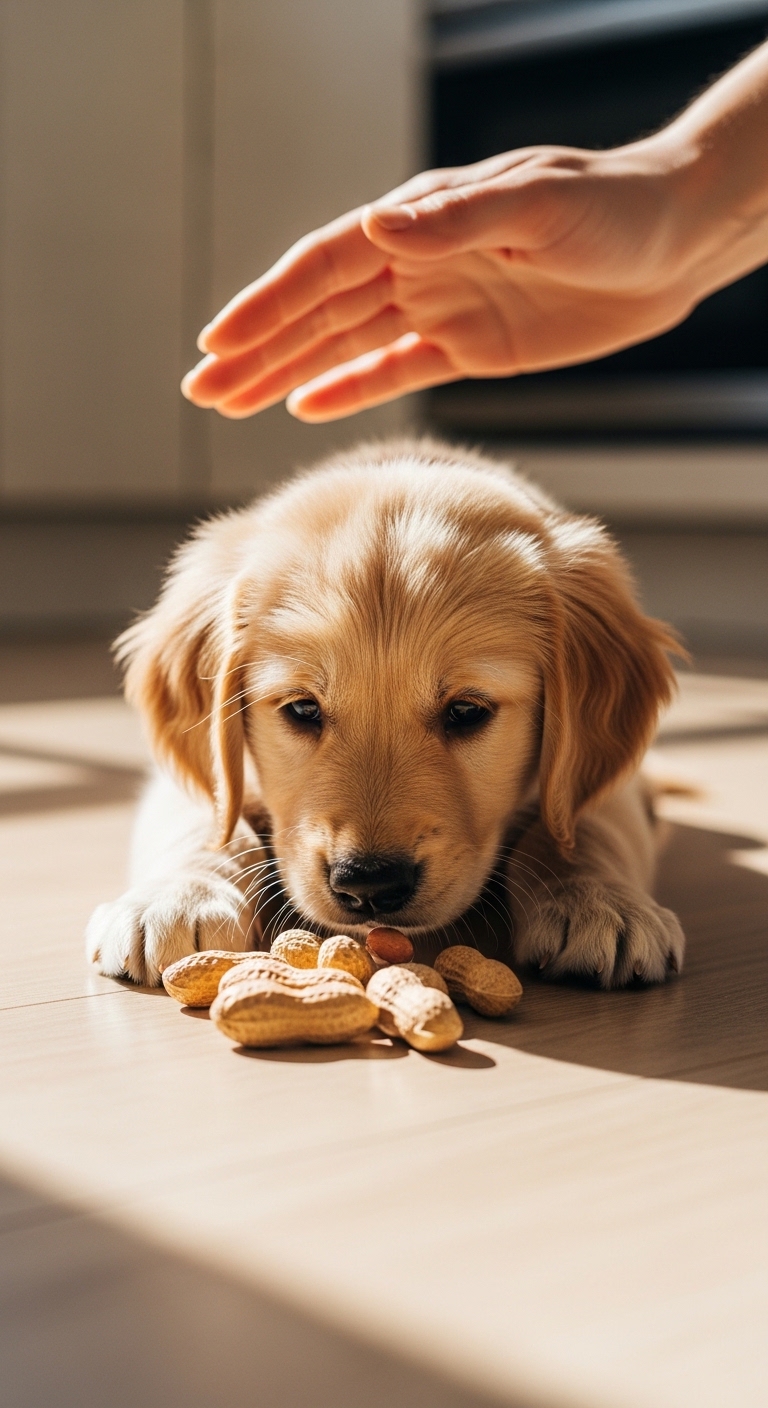
What dogs can’t eat isn’t just a random list: it’s the difference between a happy, healthy pup and an emergency vet trip. Chocolate, grapes, onions, garlic, xylitol, and alcohol are all common foods that can seriously harm dogs, but the risks go beyond these obvious ones. Many pet owners don’t realize that even small amounts of certain foods can cause long-term damage or sudden illness. Understanding what to avoid helps you protect your dog without overcomplicating their diet.
I once watched a friend’s dog get sick after eating a single grape, something she didn’t think was dangerous until it was too late. That moment taught me how easy it is to overlook the risks in our own kitchens.
Key Things to Understand
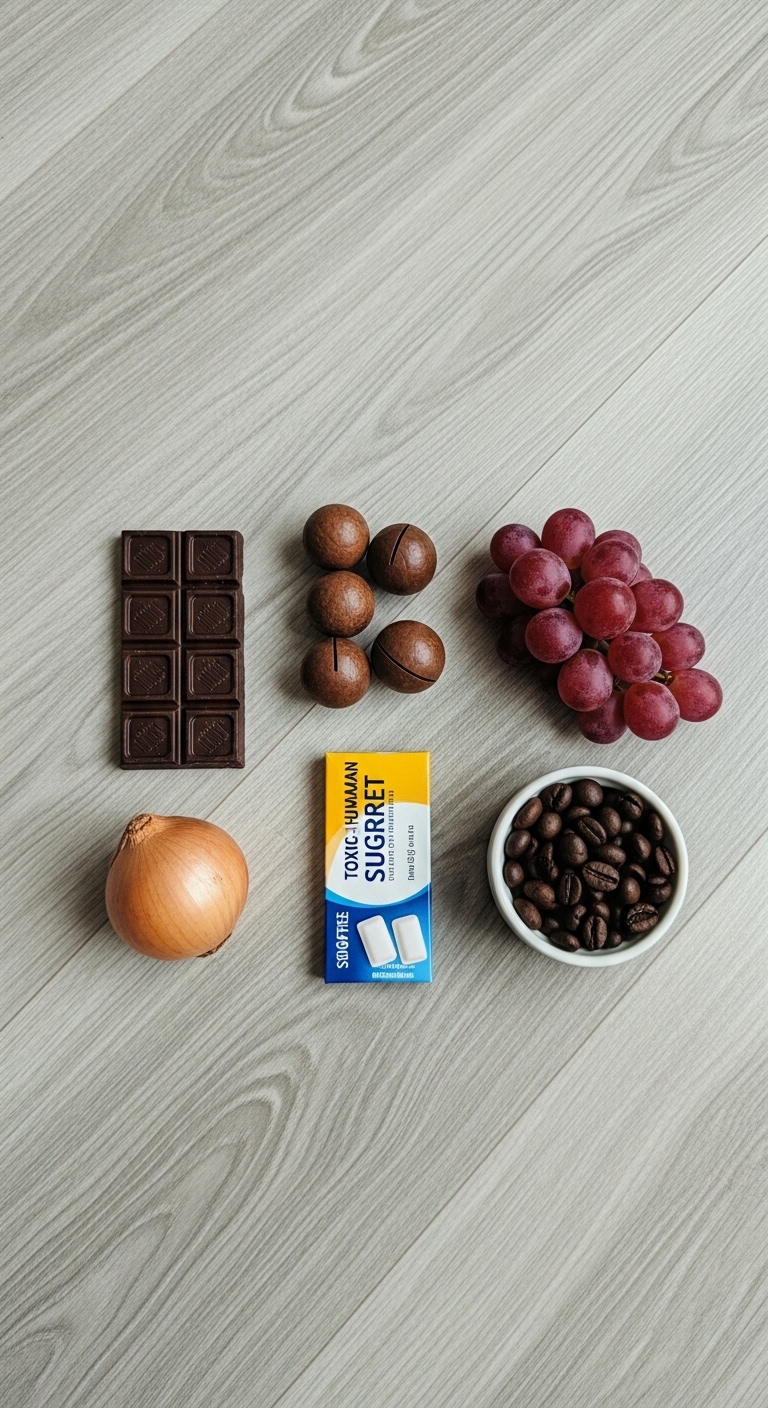
- Chocolate: contains theobromine, which dogs can’t metabolize, leading to vomiting, seizures, or worse.
- Grapes and raisins: can cause kidney failure even in small amounts, with no clear safe dose.
- Onions and garlic: damage red blood cells, causing anemia that may not show up for days.
- Xylitol: a sugar substitute in gum and peanut butter, can drop blood sugar dangerously low in minutes.
- Alcohol: affects dogs faster than humans, leading to dangerous drops in body temperature and coordination.
- Bones (especially cooked): can splinter and cause choking or internal injuries.
What to Look For
Watch for signs of food toxicity like drooling, vomiting, diarrhea, lethargy, or tremors after your dog eats something new. If your dog gets into the trash or steals food from the counter, check their behavior closely for the next few hours. Some symptoms, like weakness or collapse, can appear suddenly even if your dog seemed fine at first. If you suspect your dog has eaten something toxic, don’t wait for symptoms to show: call your vet or a pet poison hotline right away.
I’ve seen dogs recover quickly from mild food reactions when owners acted fast, but others needed intensive care because they waited too long. If your dog sneaks a bite of something questionable, call your vet even if they seem fine: it’s better to be safe than sorry.
Common Mistakes to Avoid
Feeding your dog table scraps without checking if the ingredients are safe. Assuming that because a food is healthy for humans, it’s safe for dogs. Ignoring the size of your dog when considering portion sizes of “safe” foods. Trusting online advice without verifying with a vet or reliable source.
Daily Care Habits
Keep human food out of reach by storing it in closed cabinets or high places your dog can’t access. Train your dog early to avoid counter-surfing or begging at the table, as this reduces the chance they’ll grab something dangerous. If you’re unsure about a food, stick to dog-specific treats or vet-approved snacks instead of guessing.
Seasonal Adjustments
During holidays or family gatherings, be extra cautious about dropped food, unattended plates, and trash cans that might contain toxic leftovers. Summer barbecues often include foods like onions, garlic, and alcohol, which are all dangerous for dogs. Keep a close eye on your dog around grills or picnic tables where food is easily accessible.
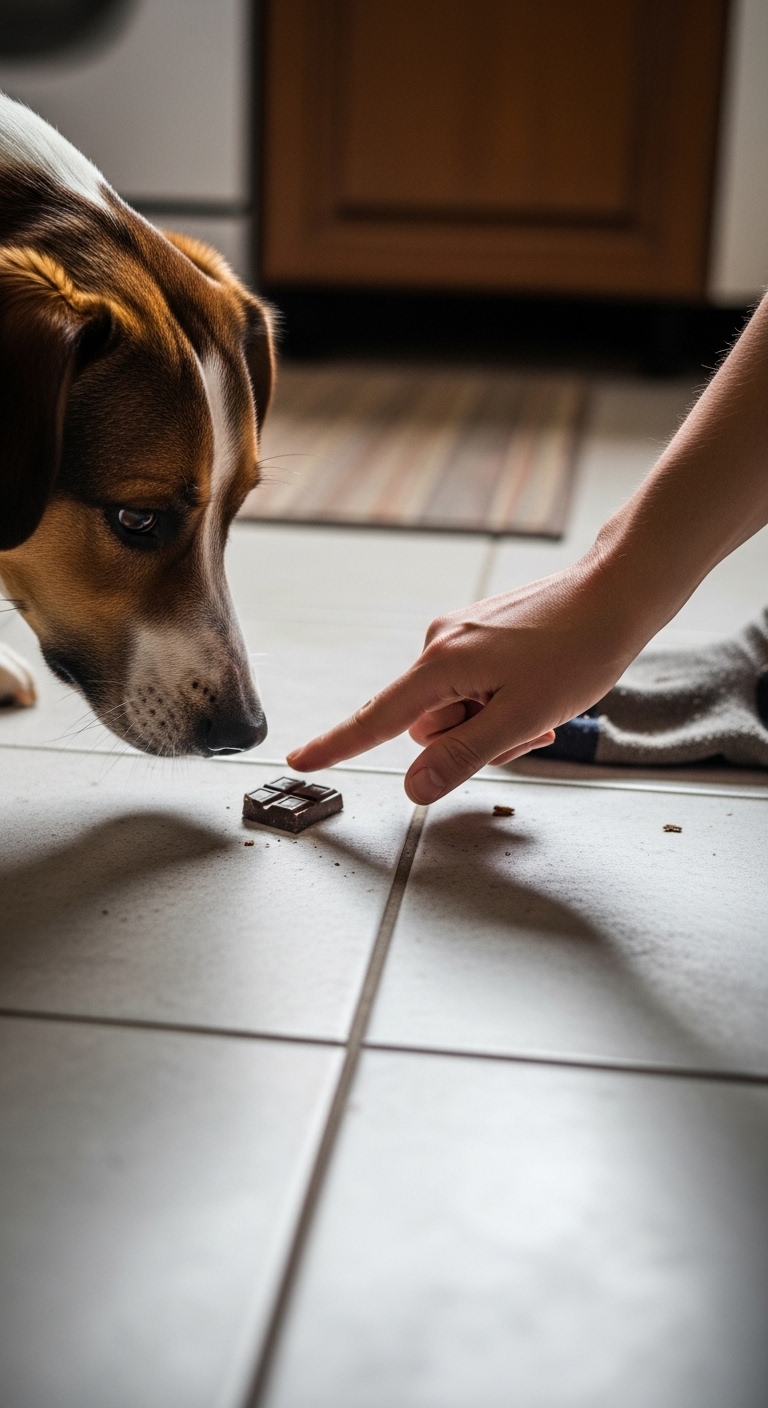
The best way to keep your dog safe is to stay one step ahead: know the risks, keep dangerous foods locked away, and trust your instincts if something feels off. A little awareness goes a long way in preventing accidents and keeping your pup healthy for years to come.
Frequently Asked Questions
- → Why can't dogs eat chocolate?
Chocolate contains theobromine and caffeine, which dogs metabolize much slower than humans. Even small amounts can cause vomiting, diarrhea, rapid breathing, or seizures. Dark chocolate and baking chocolate are especially dangerous due to higher theobromine levels.
- → Are grapes toxic to dogs?
Yes, grapes and raisins can cause kidney failure in dogs, even in small quantities. Symptoms like vomiting, lethargy, and decreased appetite may appear within 24 hours. The exact toxic substance is unknown, so it's best to avoid them entirely.
- → Can dogs eat onions or garlic?
No, onions, garlic, leeks, and chives contain compounds that damage red blood cells in dogs, leading to anemia. Both raw and cooked forms are dangerous, as well as powders found in some seasonings. Symptoms may take days to appear but can be life-threatening.
- → What should I do if my dog eats something toxic?
Remove any remaining food from their mouth and check for symptoms. Call your vet or a pet poison control hotline (like ASPCA Animal Poison Control) immediately. Do not induce vomiting unless instructed by a professional, as some substances can cause more harm if regurgitated.
- → Are there any safe human foods for dogs?
Yes, some human foods are safe in moderation, such as plain cooked chicken, carrots, apples (without seeds), and plain yogurt. Always introduce new foods gradually and in small amounts to avoid digestive upset. Avoid seasonings, sauces, or additives.
- → How much chocolate is dangerous for a dog?
The toxicity depends on the dog's size and the type of chocolate. For example, 1 ounce of milk chocolate per pound of body weight can be lethal for small dogs. Dark chocolate and baking chocolate are far more toxic—just 0.1 ounces per pound can cause poisoning in some cases.