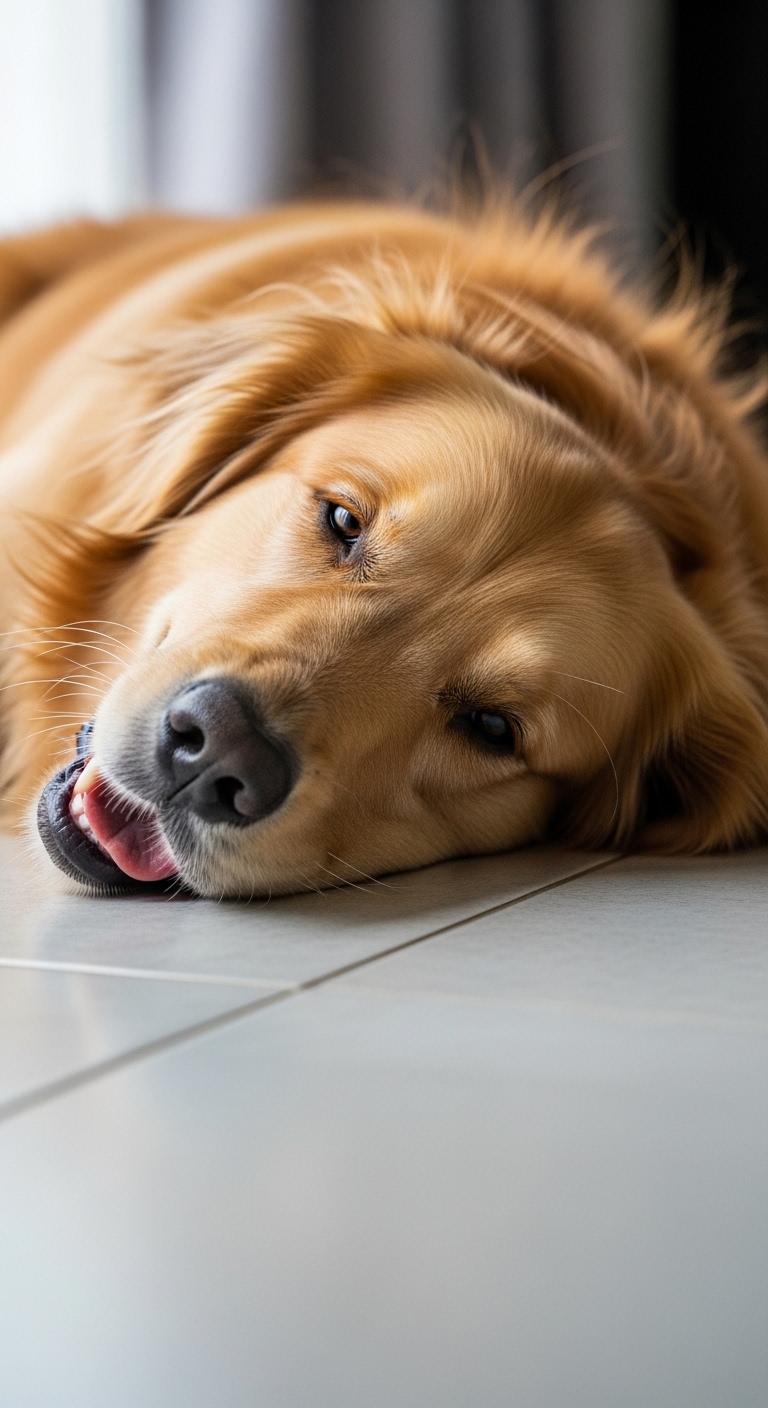
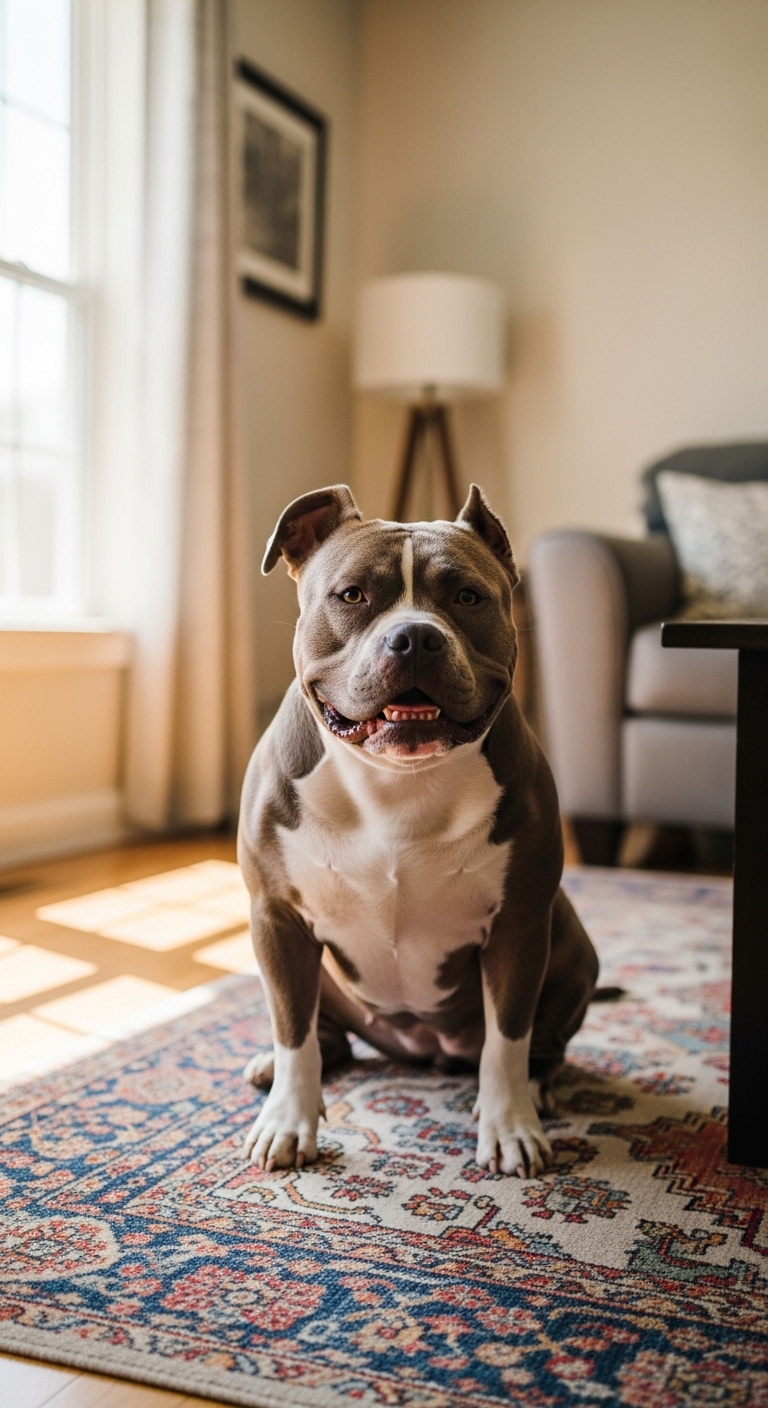
Dogs spend a huge chunk of their day snoozing, often 12 to 14 hours, sometimes even more. It’s easy to wonder if this is normal or if something’s wrong. But sleep is a big part of a dog’s life, tied to their energy levels, age, breed, and health. Understanding why dogs sleep so much can help you spot when rest becomes too much, when it’s just part of their routine, and how to support their well-being.
I remember when my old Labrador, Max, started sleeping more than usual. At first, I panicked, thinking he was sick. But after talking to the vet, I realized his naps were just part of aging. It taught me how important it is to know what’s normal for your dog’s stage of life.
Key Things to Understand
- Dogs sleep more than humans: their bodies need time to recover from daily activity and mental stimulation
- Puppies and senior dogs: tend to sleep the most, while adult dogs usually settle into a more balanced routine
- Breeds like Bulldogs or Mastiffs: naturally sleep longer due to their lower energy levels and body structure
- Excessive sleep: can be a sign of illness, pain, or stress, especially if it’s sudden or paired with other changes
- Sleep cycles in dogs: include short bursts of deep sleep, which is when they dream and process the day
What to Look For
Watch how your dog moves when they wake up. If they seem stiff, slow to stand, or reluctant to move, it could point to joint pain or arthritis, especially in older dogs. Notice their breathing too: labored or noisy breathing during rest might signal respiratory issues. Pay attention to where they choose to sleep. A dog that suddenly avoids their favorite spot or seeks out cooler, darker areas may be trying to cope with discomfort or overheating. Also, observe their energy after naps. If they’re still sluggish or disinterested in activities they usually enjoy, it’s worth noting as a potential health clue.
I once had a client whose dog, Bella, started sleeping almost nonstop after a move to a new home. The stress of the change made her withdraw and rest more. It wasn’t an illness: just her way of adjusting. That’s why context matters so much when evaluating sleep changes.
Daily care habits
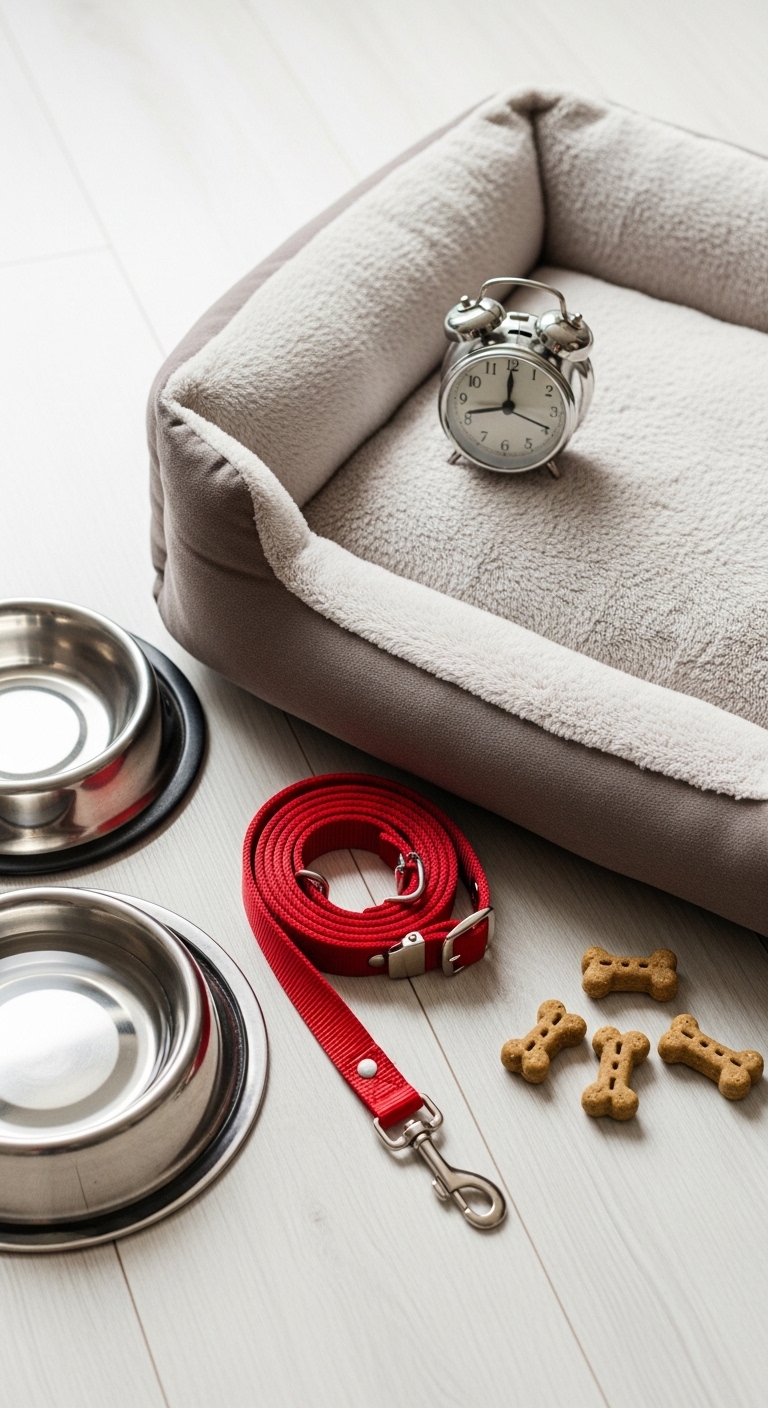
A consistent sleep schedule helps regulate your dog’s energy and mood. Try to keep bedtime and wake-up times similar each day, even on weekends. This routine supports their internal clock and makes it easier to notice when something’s off. If your dog is napping more than usual, check their diet too. Poor nutrition or sudden food changes can leave them feeling sluggish. Small, frequent meals can help maintain steady energy levels throughout the day.
Safety and comfort
Make sure your dog’s sleeping area is quiet, draft-free, and at a comfortable temperature. Older dogs or those with arthritis benefit from orthopedic beds that support their joints. Avoid placing their bed near noisy appliances or high-traffic areas where they might get startled awake. If your dog seems to wake up frequently, check for external disturbances like loud noises or bright lights that could be disrupting their rest.
Age specific advice
Puppies need up to 18 hours of sleep a day to support growth and brain development. Let them nap without interruption, but balance rest with short, gentle play sessions to prevent overtiredness. Senior dogs often sleep more due to lower energy and possible health issues. Keep an eye on their mobility and comfort, adjusting their bed or adding ramps if needed. If your older dog’s sleep patterns change drastically, it’s worth a vet check to rule out pain or illness.
Behavior and routine support
Dogs that sleep excessively after a busy day are usually just recovering. But if your dog seems to avoid interaction or shows little interest in walks or play, it could signal depression or anxiety. Try introducing new, low-key activities like sniffing games or gentle training to boost their mood. Sometimes, a simple change in routine like a new walking route or a calming chew toy can make a big difference in their energy and rest patterns.
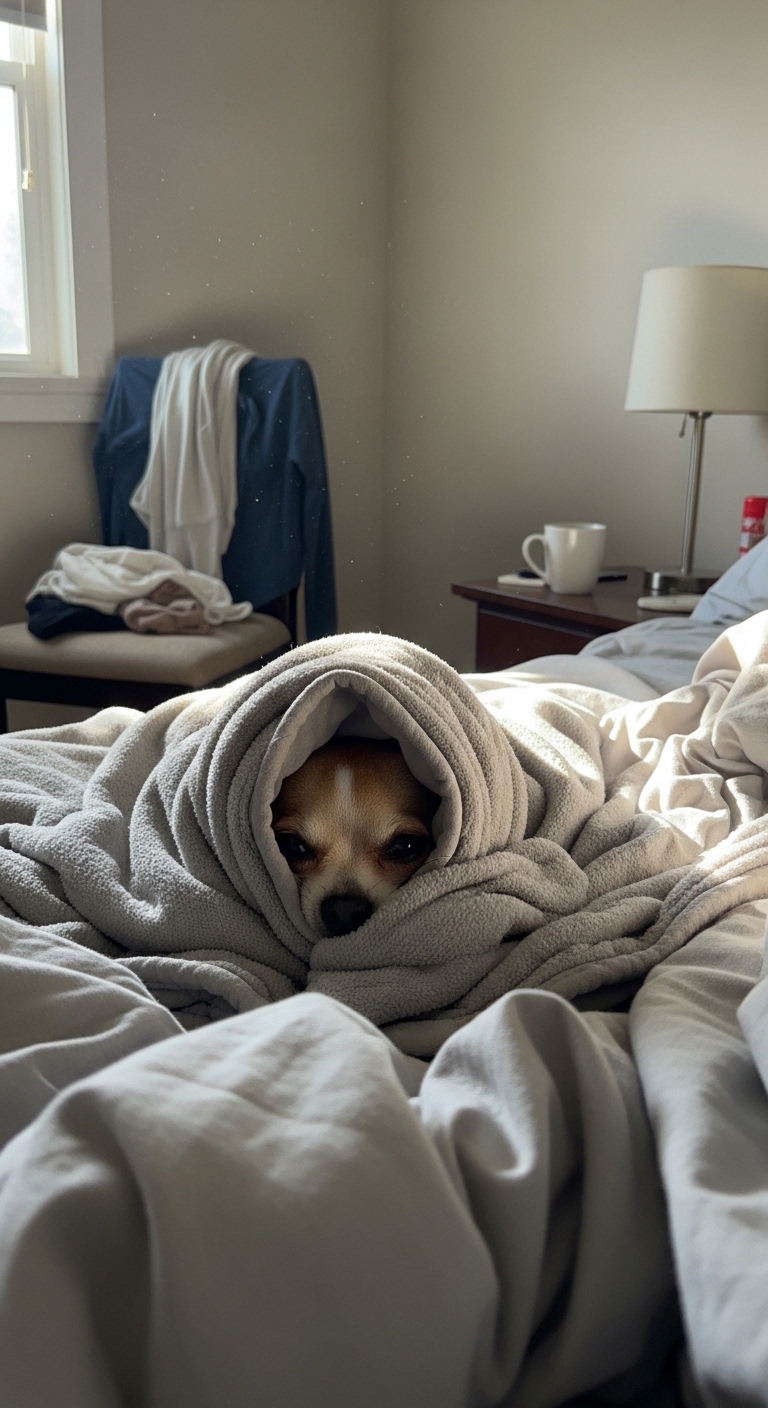
Sleep is a natural and essential part of your dog’s life. By understanding their patterns and knowing what to watch for, you can ensure they’re resting comfortably, not just sleeping too much.
Frequently Asked Questions
- → How many hours a day is normal for a dog to sleep?
Adult dogs typically sleep 12-14 hours daily, while puppies may sleep up to 18-20 hours. Senior dogs or breeds with high energy needs (e.g., Border Collies) may also exceed this range.
- → Why does my dog sleep more in winter?
Colder temperatures slow metabolism and conserve energy, mimicking natural hibernation tendencies. Reduced daylight hours also trigger sleep hormones like melatonin, making dogs drowsier.
- → Is excessive sleep a sign of illness in dogs?
Sudden increases in sleep duration paired with lethargy, loss of appetite, or behavioral changes may indicate health issues like hypothyroidism, diabetes, or pain. Always consult a vet if concerned.
- → Do certain dog breeds sleep more than others?
Yes. Brachycephalic breeds (e.g., Bulldogs) sleep more due to breathing difficulties, while giant breeds (e.g., Great Danes) conserve energy. Toy breeds may sleep less but nap frequently.
- → How can I help my dog sleep better at night?
Establish a consistent routine with evening walks, limit late-night feeding, and provide a comfortable, quiet sleeping area. Avoid stimulating activities before bedtime to promote deeper rest.
- → Can diet affect my dog’s sleep patterns?
High-protein diets or overfeeding can cause drowsiness, while nutrient deficiencies (e.g., omega-3s) may disrupt sleep. Consult your vet to tailor meals to your dog’s energy needs and age.