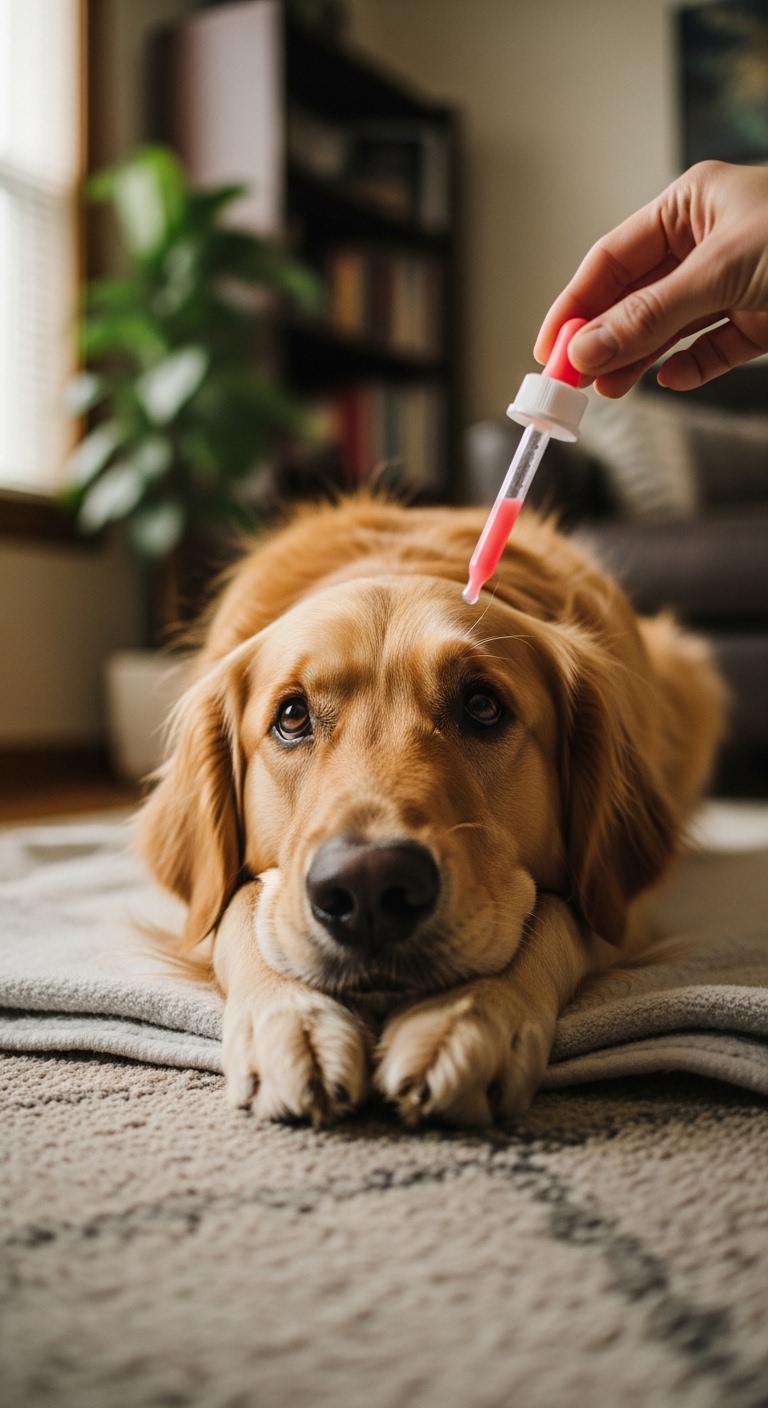
Every pet owner knows the phrase “don’t let’s go to the dogs tonight,” whether it’s a playful tease or a real struggle when plans change because of a furry friend’s needs. Pets aren’t just animals; they’re family, and their well-being shapes our daily lives in ways we don’t always notice until something goes wrong. From last-minute vet trips to rearranging work schedules for a sick pup, their health directly impacts ours. That’s why understanding how to keep them happy and healthy isn’t just about love: it’s about avoiding unnecessary stress and unexpected costs.
I’ll never forget the time my dog suddenly stopped eating. It turned out to be nothing serious, but the panic set in because I didn’t recognize the early signs of stress. Now, I pay closer attention to little changes: it’s made all the difference.
Key Things to Understand
- How to spot subtle changes in your pet’s eating habits before they become serious: Small shifts in appetite can indicate stress, illness, or dental pain.
- Why hydration levels matter more than you might think, especially in hot weather: Dehydration can escalate quickly and lead to serious complications like kidney strain.
- The importance of regular vet checkups even when your pet seems fine: Many conditions, like heart disease or early-stage cancer, show no obvious symptoms until they’re advanced.
- How to tell the difference between normal tiredness and concerning lethargy: Lethargy paired with other symptoms (vomiting, diarrhea, or labored breathing) warrants immediate attention.
- When to trust your gut feeling about your pet’s health versus waiting it out: If something feels “off” for more than 24 hours, it’s better to consult a vet than to risk delaying treatment.
What to Look For
Pay attention to how much water your pet drinks daily. A sudden increase or decrease can signal anything from a minor upset to something more serious like diabetes or kidney issues. Notice if they’re drinking from unusual places, like the toilet or sink, which might indicate dehydration or curiosity about new tastes. Also watch their gums: pale or bright red gums can hint at poor circulation or fever, while sticky gums suggest dehydration.
Another key sign is their energy levels. If your usually playful pup suddenly seems uninterested in walks or playtime, it could be more than just a bad day. Compare their current behavior to their usual routine. Have they been sleeping more? Are they reluctant to move after resting? These small shifts often reveal underlying discomfort that’s easy to overlook until it becomes a bigger problem.
I once assumed my cat’s reluctance to jump was just part of aging, only to find out she had early arthritis. Catching it early meant we could manage her pain better. Don’t dismiss small changes as “just getting older”: they’re often your pet’s way of telling you something’s wrong.
Daily Care Habits
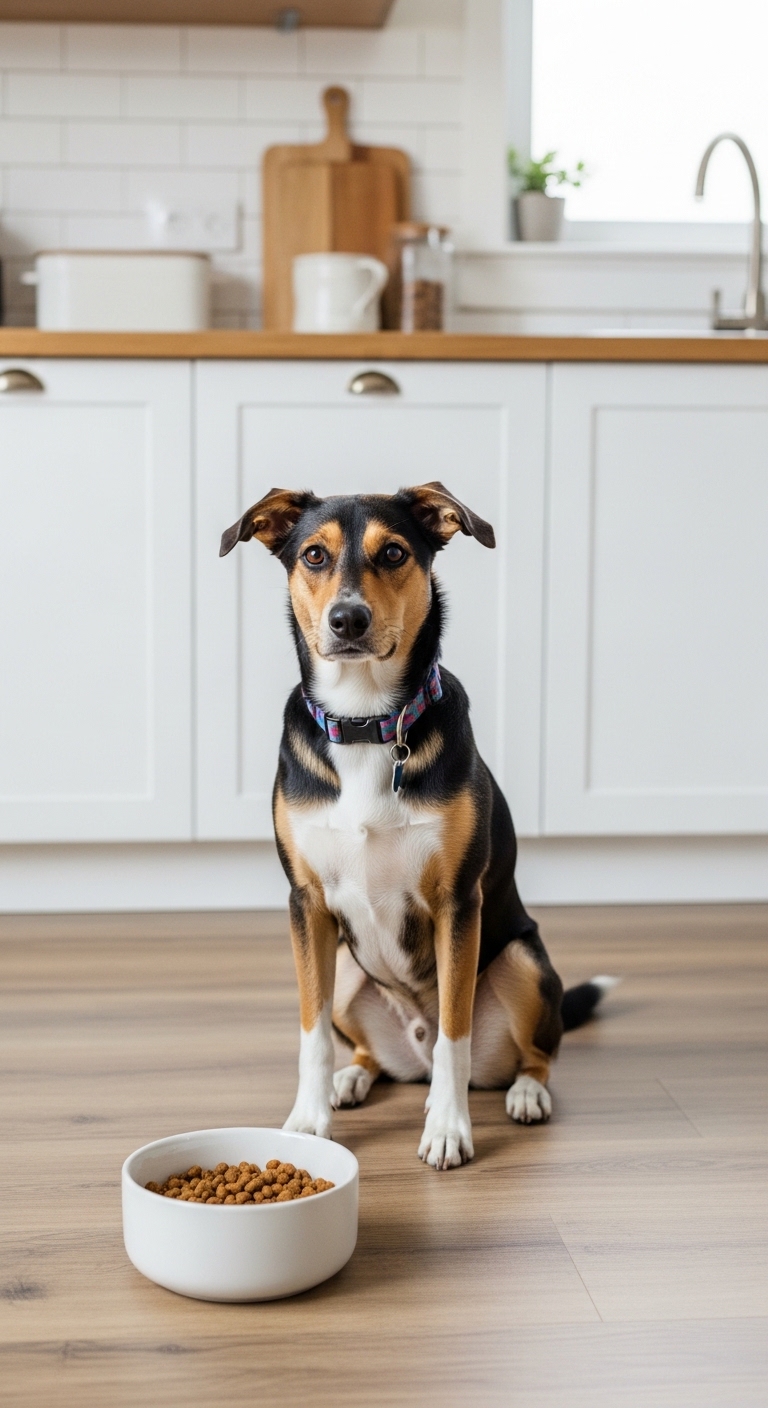
Small routines make a big difference in preventing health issues. Set a consistent feeding schedule so you can notice if your pet skips meals. Keep fresh water available at all times, especially after exercise or during hot days. Simple grooming like brushing their coat or checking their paws can reveal hidden problems like ticks, cuts, or dry skin before they worsen.
Choosing the Right Product
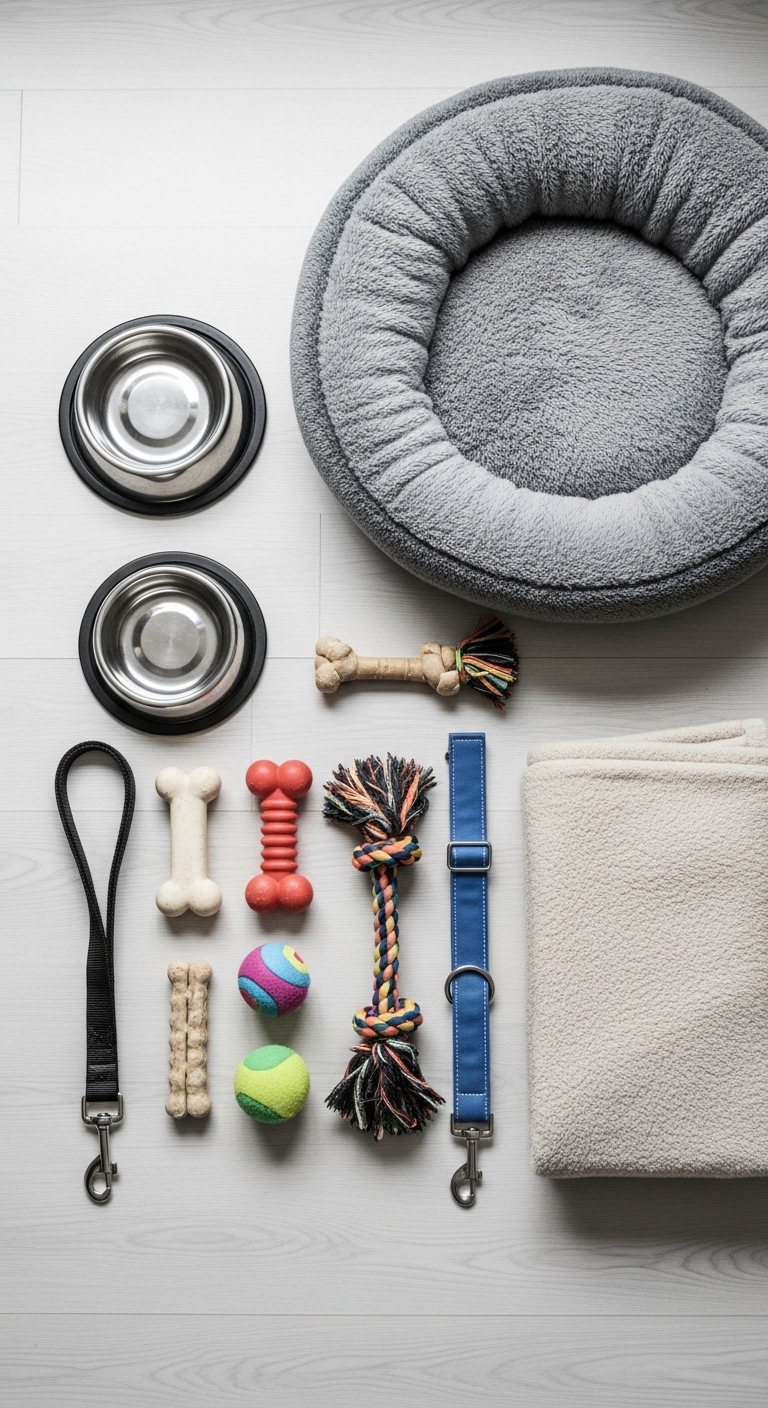
Not all pet foods or treats are created equal. Look for options with real, recognizable ingredients and avoid fillers like corn or by-products. If your pet has allergies, pay attention to protein sources: chicken and beef are common triggers. For toys, prioritize durability and safety over flashy designs. A chewed-up toy can become a choking hazard if it breaks into small pieces.
Safety and Comfort
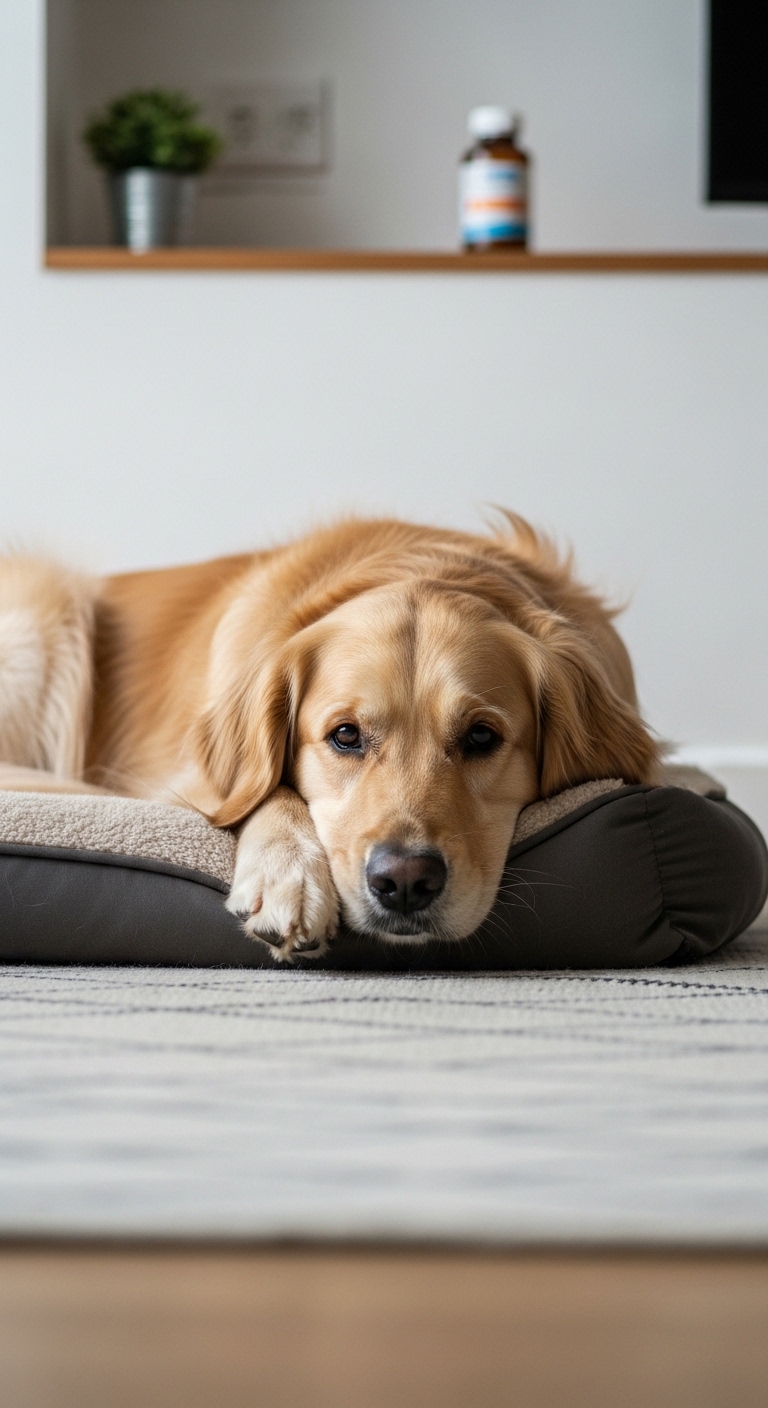
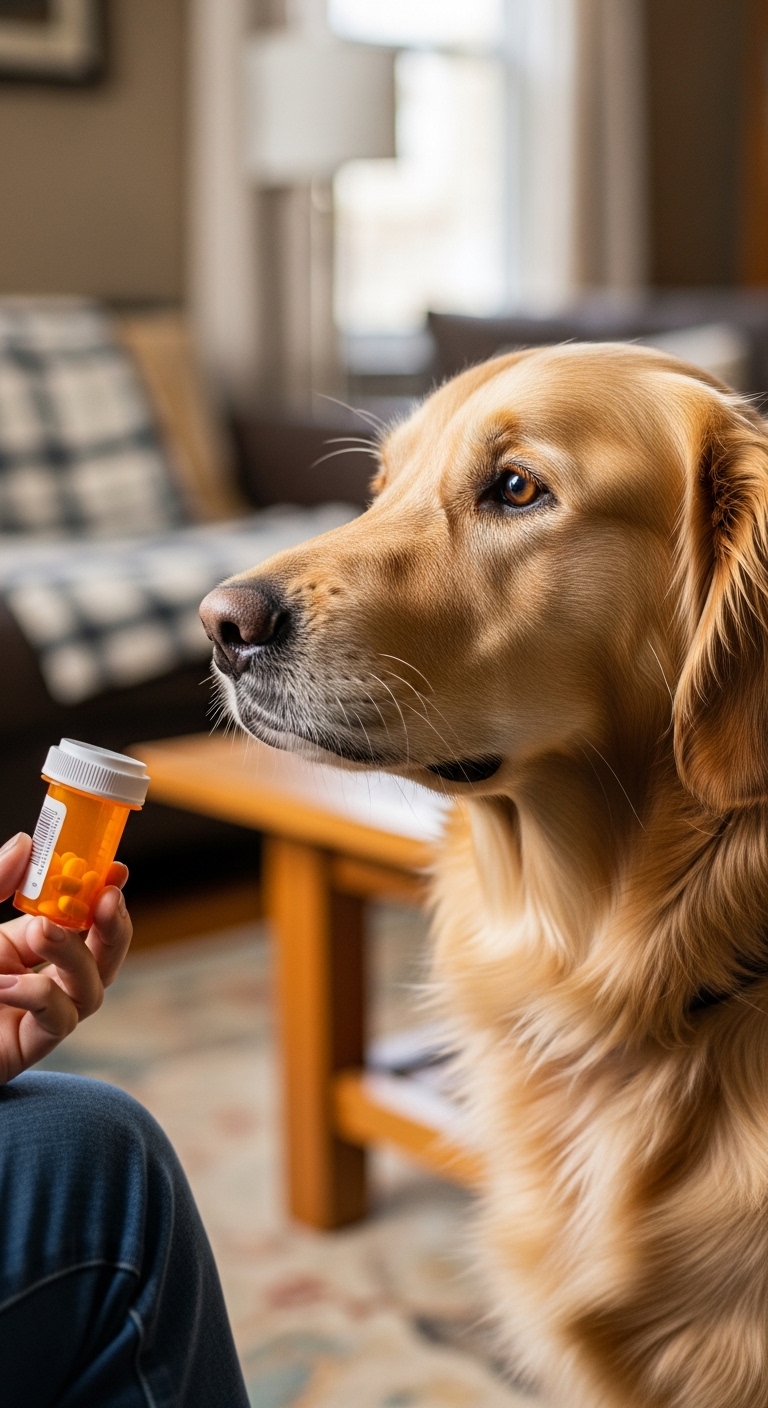
Your home might feel safe to you, but pets see the world differently. Secure loose wires, keep toxic plants out of reach, and store medications where they can’t be knocked over. If you have a curious chewer, consider pet-proofing cabinets and trash cans. Comfort extends to their sleeping area too: orthopedic beds help older pets with joint pain, while cozy blankets can ease anxiety in new environments.
Common Mistakes to Avoid
Waiting too long to address minor issues is a big one. What seems like a small limp today could turn into a serious injury if ignored. Another mistake is overfeeding treats, which can lead to obesity and related health problems. Don’t assume human food is safe: chocolate, grapes, and onions are toxic to pets. Lastly, skipping vet visits because “they seem fine” can mean missing early signs of illness.
Cleaning and Hygiene
Regular cleaning prevents infections and keeps pests away. Wash food and water bowls daily to avoid bacterial growth. Vacuum frequently if your pet sheds a lot, and clean their bedding weekly. If you notice persistent odors or dirt buildup, it might be time to deep clean their favorite spots. Also, keep their nails trimmed to avoid overgrowth, which can cause pain and mobility issues.
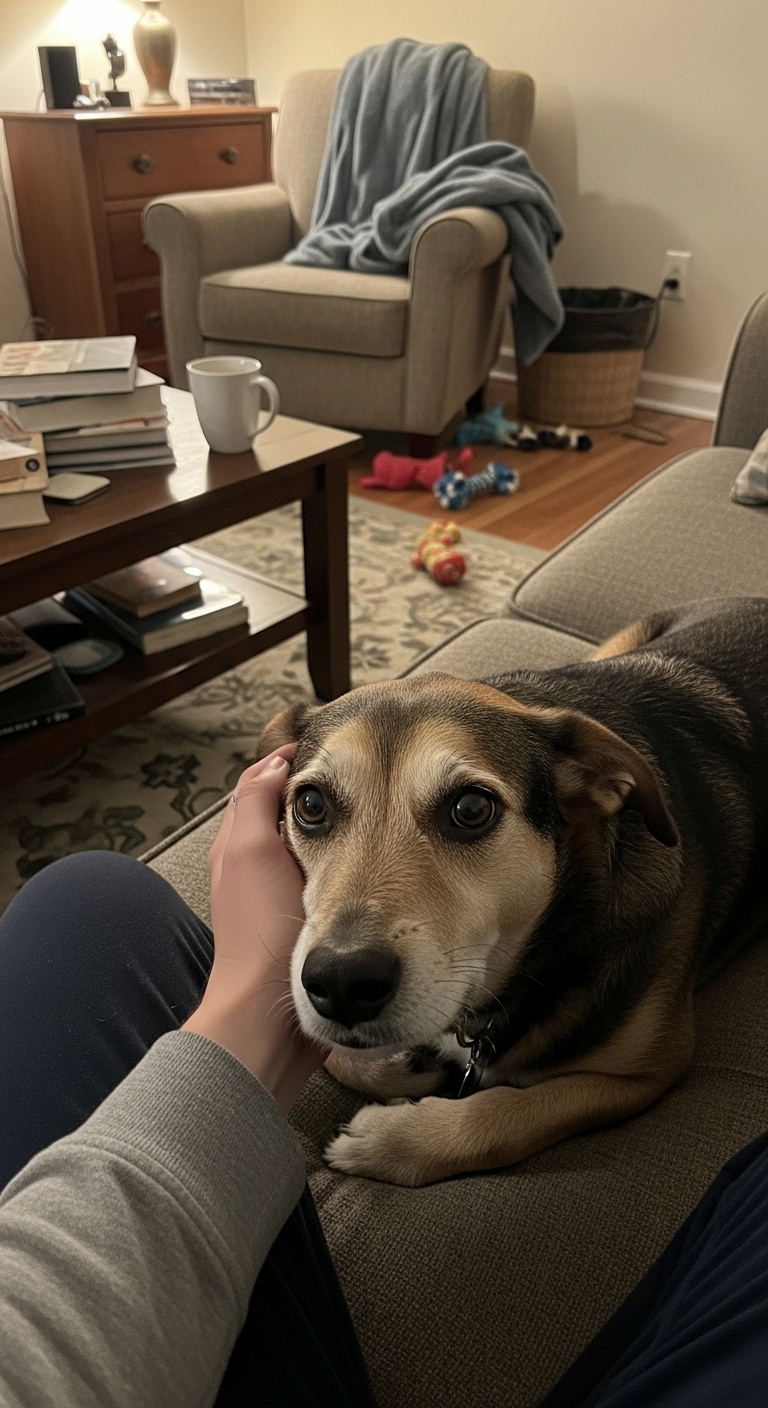
Your pet’s health is a daily commitment, but the effort pays off in their happiness and your peace of mind.
Frequently Asked Questions
- → How can I calm my dog down at night?
Establish a relaxing pre-bed routine, such as a short walk or gentle playtime, followed by a quiet space with their favorite bed or blanket. Soft lighting and calming music can also help reduce anxiety.
- → What’s the best bedtime routine for dogs?
Feed them a light meal a few hours before bed, take them for a short evening walk, and provide a comfortable sleeping area. Consistency in timing and activities signals to your dog that it’s time to wind down.
- → Should I give my dog treats before bed?
Opt for small, easily digestible treats or a chew toy to keep them occupied. Avoid heavy or sugary snacks that might disrupt their sleep or digestion.
- → How do I know if my dog is stressed at night?
Watch for pacing, whining, excessive barking, or restlessness. Some dogs may also seek extra attention or hide. Addressing their environment or routine can help alleviate their stress.
- → Can background noise help my dog sleep better?
Yes, gentle background noise like soft music or white noise can mask sudden sounds that might startle your dog, creating a more soothing atmosphere for sleep.
- → What type of bed is best for nighttime comfort?
A supportive, orthopedic bed or a cozy blanket in a quiet corner works well. Ensure it’s the right size for your dog to curl up comfortably without feeling cramped.