How long a dog can go without eating isn’t just a question pet owners ask when their pup turns up their nose at dinner. It’s a real concern that can signal health issues or even become an emergency if ignored. Most dogs will eat when they’re hungry, but when they refuse food for more than a day or two, it’s time to pay attention. Small changes in appetite can reveal bigger problems, so understanding what’s normal and what’s not helps you act before things get serious.
A dog’s appetite can drop for many reasons, from stress to illness, and recognizing the difference means you won’t dismiss something serious as just a picky day.
Key Things to Understand
- A healthy adult dog can usually go 3 to 5 days without food before serious risks appear: This is a general guideline, but individual dogs may vary.
- Puppies, senior dogs, and those with health conditions may need food sooner, sometimes within 24 to 48 hours: Their bodies are less resilient and require more frequent nourishment.
- Water is more critical than food: dehydration sets in faster and is harder to recover from: Always ensure fresh water is available, even if your dog isn’t eating.
- Sudden loss of appetite for more than a day or two often points to an underlying issue like infection, pain, or digestive upset: This is a red flag that shouldn’t be ignored.
- Dogs with preexisting conditions such as diabetes or kidney disease need closer monitoring and may require food sooner: These conditions can worsen quickly without proper nutrition.
What to Look For
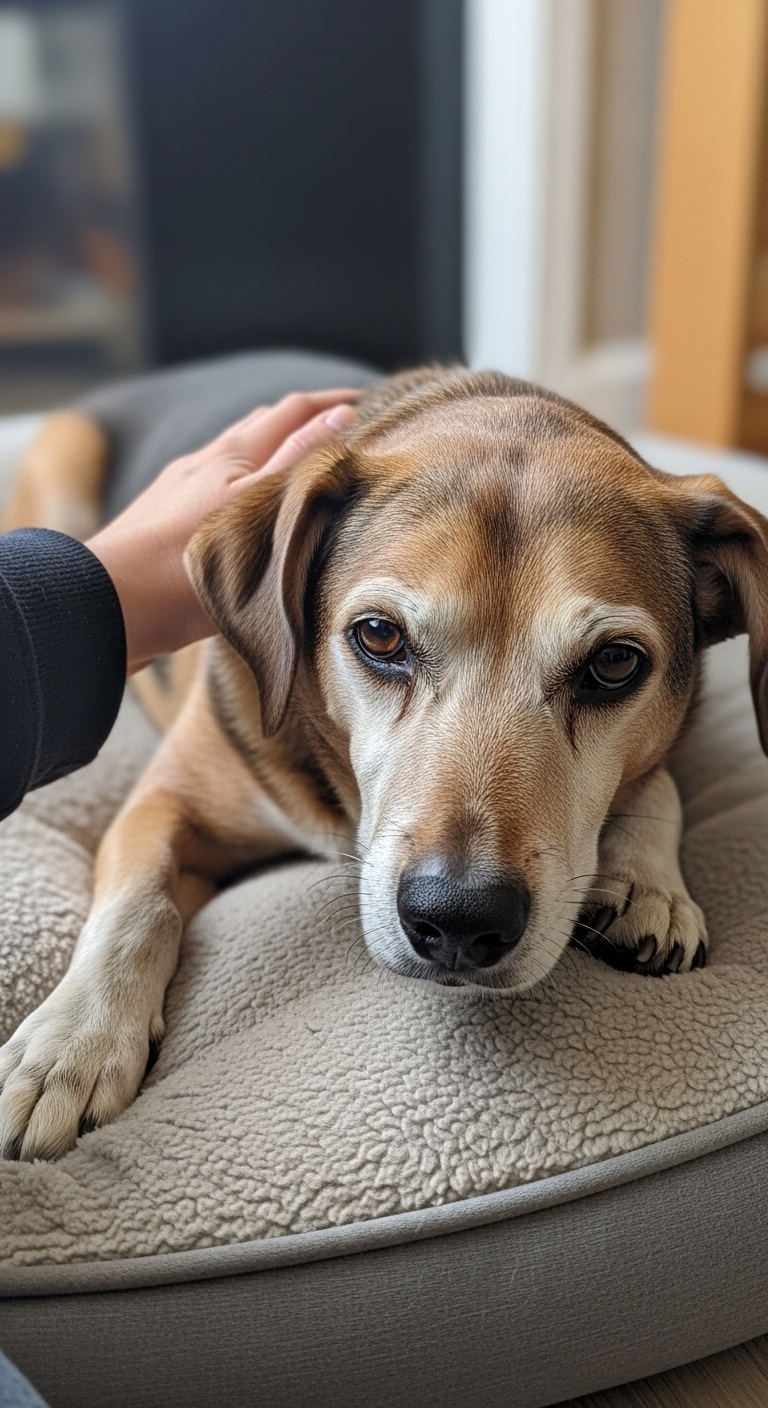
Watch for subtle changes in your dog’s eating routine, like taking longer to finish meals or only nibbling kibble instead of devouring it. A dog that normally greets you at the food bowl with excitement but now walks away may be feeling unwell. Notice if they’re licking their lips more often or drooling, which can signal nausea. Also pay attention to their energy level: lethargy paired with not eating is a stronger warning sign than appetite loss alone. If your dog skips one meal but acts normal otherwise, it might not be urgent, but two missed meals in a row should prompt a closer look.
I once saw a client’s senior terrier go two days without eating, only to discover a painful tooth abscess. By the time they brought him in, he was dehydrated and weak. Had they noticed the subtle signs earlier, like him chewing on one side of his mouth, they could have avoided the emergency visit.
Daily Care Habits
Keep a simple food journal for your dog, noting when they finish meals and how much they eat. This makes it easier to spot patterns over time. If your dog usually inhales their dinner but now picks at it, take note of any other changes in behavior or energy. Small shifts often happen before bigger problems arise, so consistency in observation is key.
Choosing the Right Food During Illness
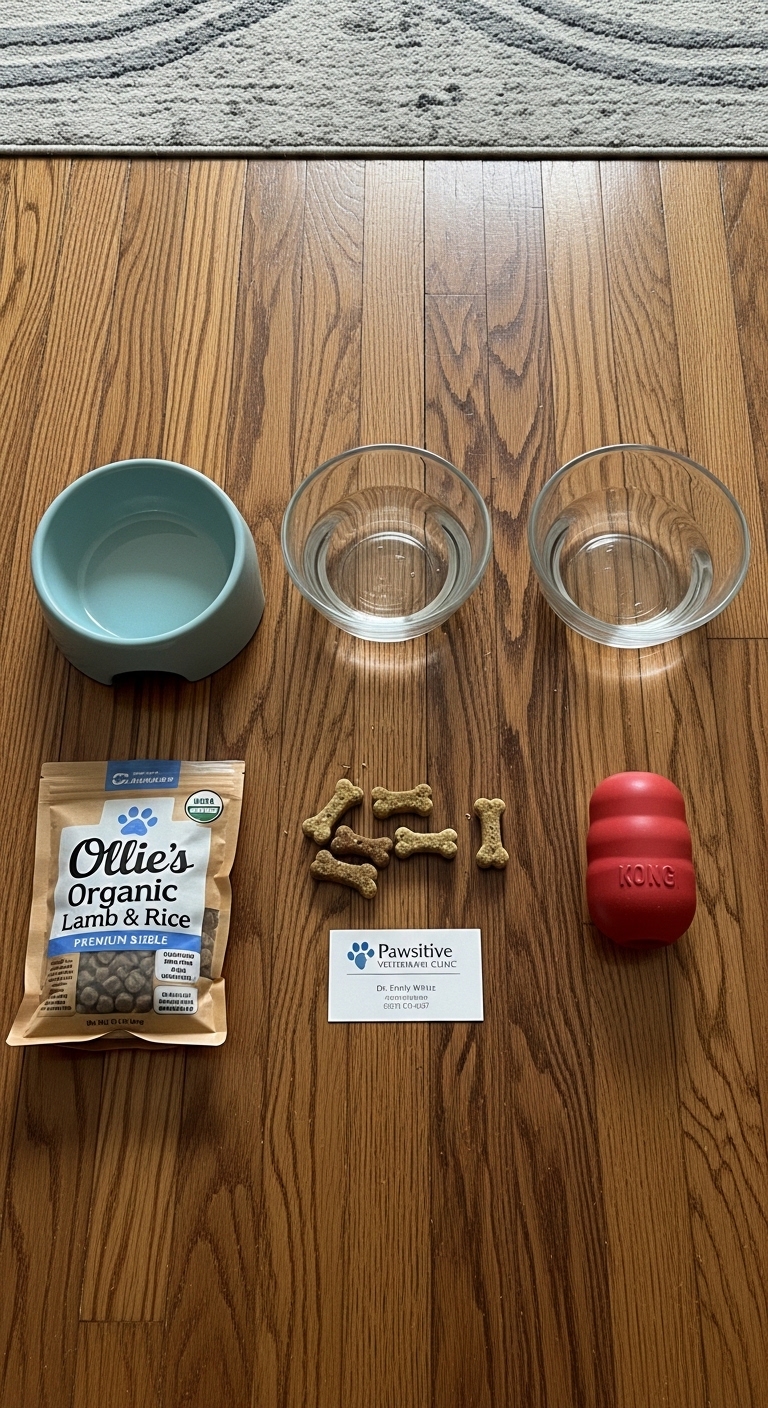
When a dog isn’t eating, bland foods like boiled chicken and rice can tempt them back to the bowl. Avoid rich or fatty foods that might upset their stomach further. If your dog refuses even bland options after a day, it’s a sign they need professional care. Always check with your vet before offering human food, as some ingredients can be toxic.
Safety and Comfort
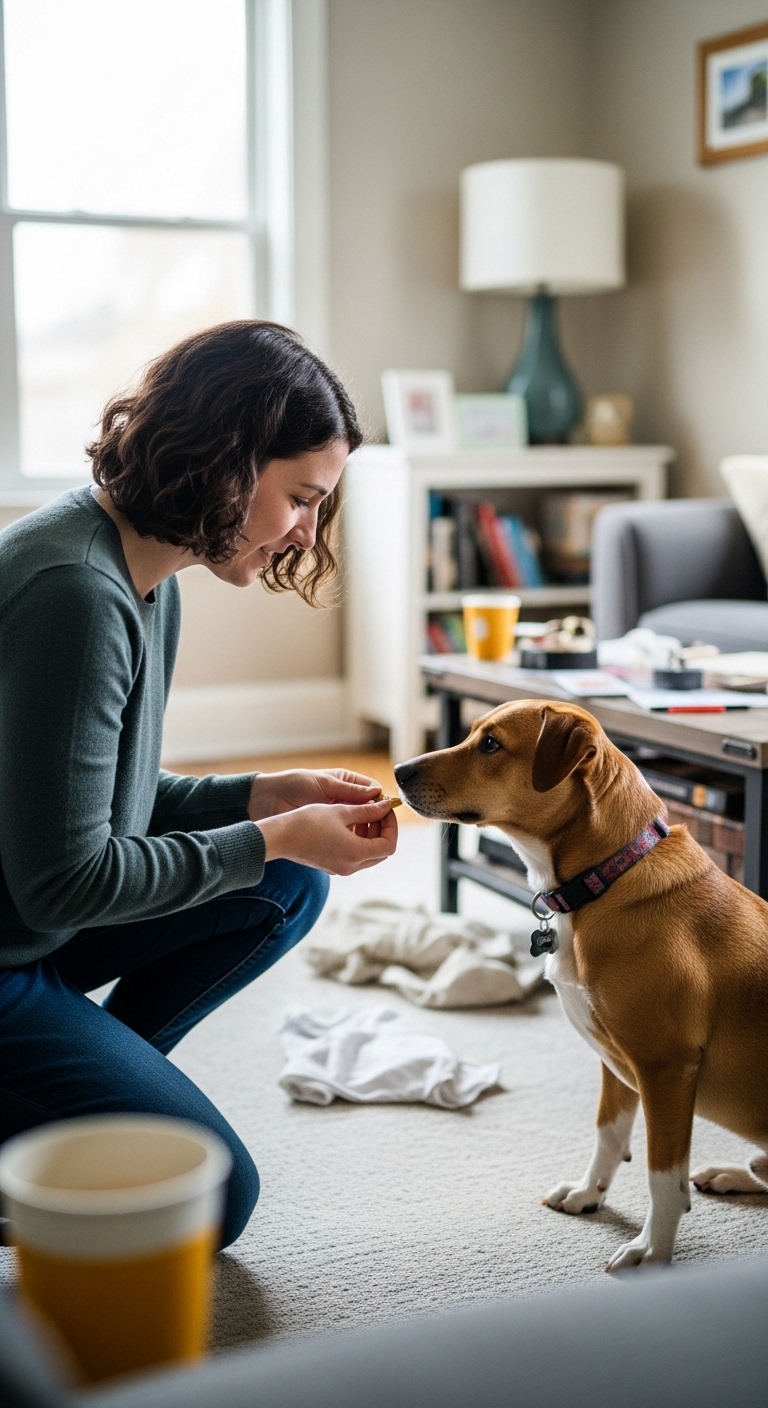
Never force-feed your dog, as this can cause choking or stress. Instead, offer small portions of tempting food or warm up their meal slightly to enhance the smell. If they’re refusing food due to nausea, a quiet, low-stress environment can help them relax enough to eat. Watch for signs of pain like whining, panting, or reluctance to move, which may indicate they need medical attention before focusing on food.
When in doubt, trust your instincts. If your dog’s appetite loss feels off or lasts more than a day, it’s better to call the vet than wait.
Frequently Asked Questions
- → How long can a healthy adult dog go without eating?
A healthy adult dog can usually go 48 to 72 hours without food, but this depends on hydration and overall health. Always provide water and monitor for signs of distress.
- → What are the signs my dog needs to eat sooner?
Watch for lethargy, vomiting, diarrhea, or refusal to drink water. Puppies, seniors, or dogs with health issues may need food within 24 hours.
- → Can I force-feed my dog if they won’t eat?
No. Force-feeding can cause choking or aspiration pneumonia. Offer small amounts of bland food (boiled chicken and rice) if they’re willing to eat voluntarily.
- → Does fasting affect dogs differently based on breed?
Smaller breeds and toy dogs may weaken faster due to lower energy reserves. Large breeds with higher body fat can tolerate longer fasting periods but still require monitoring.
- → What should I do if my dog skips a meal?
If your dog misses one meal, ensure they drink water. If they refuse food for 24+ hours or show symptoms, contact a vet to check for illness or stress-related causes.
- → Is it safe for puppies to fast?
No. Puppies under 6 months need frequent meals to prevent hypoglycemia. Even a few hours without food can be dangerous for their developing systems.