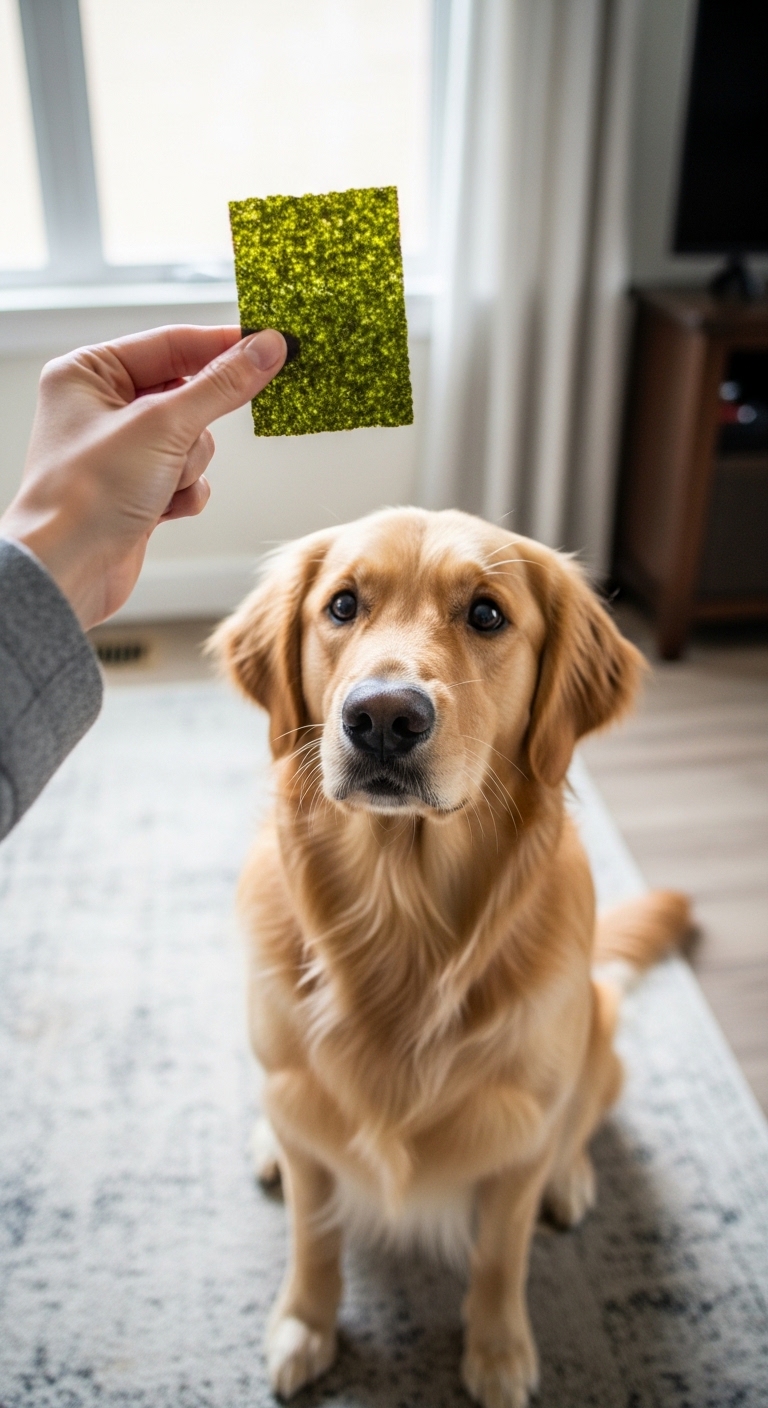
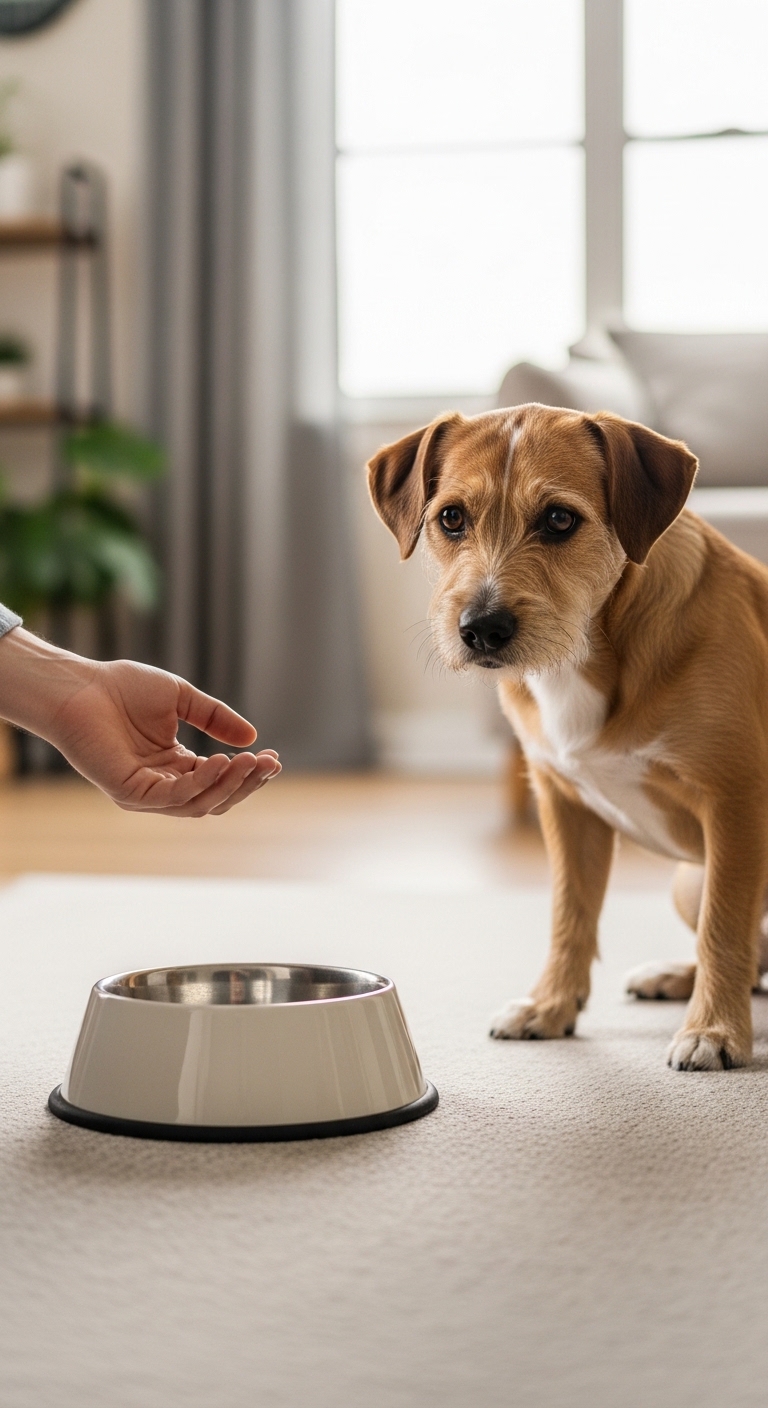
Can dogs have peppers? It’s a question many pet owners ask when looking for healthy snack options or trying to sneak in extra veggies. Peppers can be a great source of vitamins, but not all types are safe, and preparation matters. Knowing the right way to serve them can make a difference in your dog’s diet without risking their health.
I remember when I first tried giving my dog a slice of bell pepper it was a hit! But then I learned that spicy peppers are a no-go. That small discovery saved me from a messy cleanup later.
Key Things to Understand
- Bell peppers are generally safe for dogs in moderation: They provide vitamins without excess calories.
- Spicy peppers like jalapeños or chili peppers can cause stomach upset or irritation: Avoid these entirely to prevent discomfort.
- Remove seeds and stems before serving to avoid choking hazards: These parts are hard to digest and may pose risks.
- Introduce peppers slowly to check for any allergic reactions: Monitor your dog’s response before offering more.
- Cooked peppers are easier to digest than raw ones for some dogs: Light cooking can help sensitive stomachs.
What to Look For
When considering peppers for your dog, pay attention to the color and type. Red, yellow, and green bell peppers are all safe, but avoid any that have a strong spicy aroma or heat. If your dog has never had peppers before, start with a tiny piece to see how they react. Watch for signs of discomfort like excessive drooling, vomiting, or diarrhea. Some dogs may also show disinterest if the taste isn’t appealing to them. If your dog enjoys the pepper, you can gradually increase the portion size, but always keep it as a treat rather than a main meal.
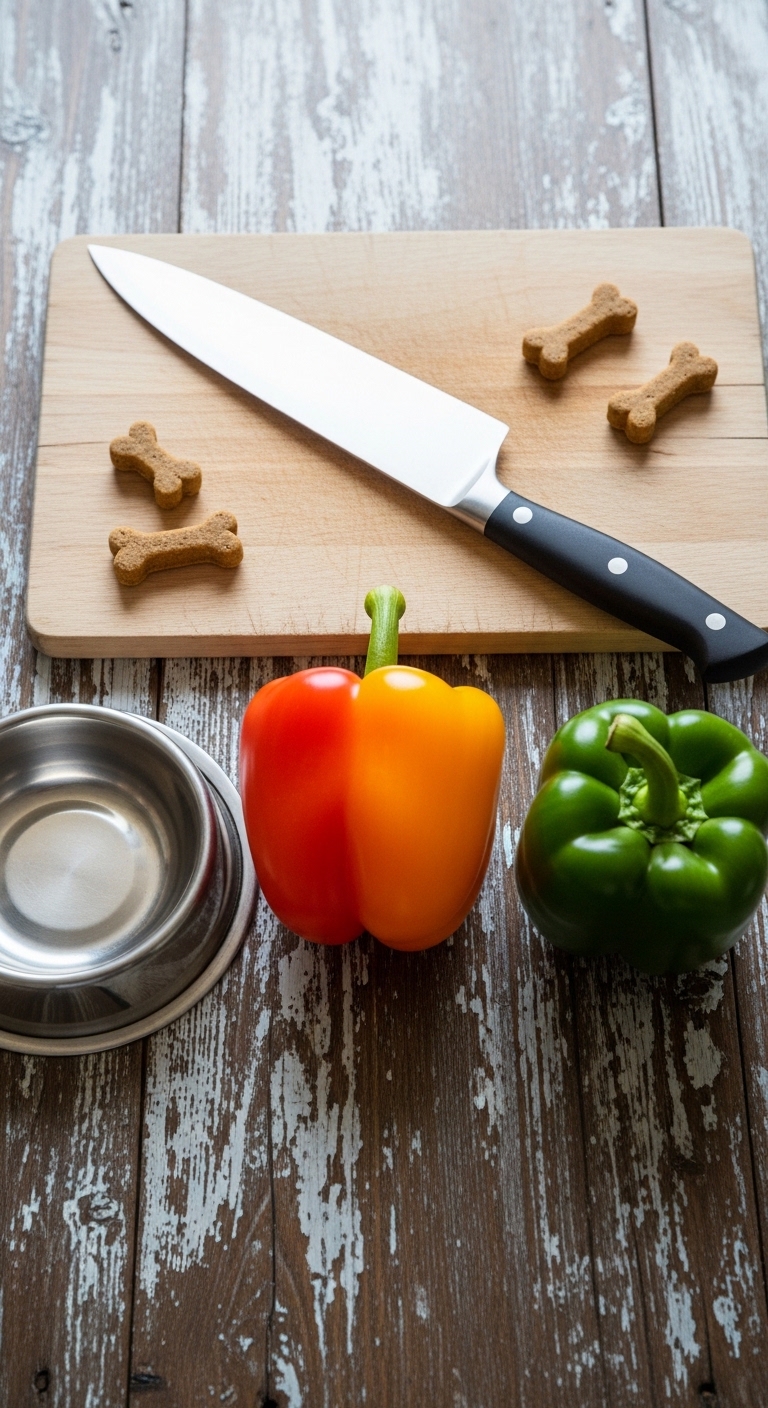
I once gave my neighbor’s dog a piece of bell pepper without checking first. It turned out the dog was sensitive to raw veggies. Lesson learned! Always introduce new foods one at a time and in small amounts. If your dog has a history of digestive issues, it’s best to consult your vet before adding peppers to their diet.
Daily care habits
Adding peppers to your dog’s routine can be a fun way to mix up their snacks. Try cutting them into small, bite-sized pieces that are easy to chew. If your dog is a fast eater, consider freezing the pepper slices for a crunchy treat. This can also help soothe teething puppies or dogs who love to gnaw. Just remember that peppers should only make up a small part of their diet. About 10% of their daily food intake is a good rule of thumb.
Choosing the right product
When buying peppers for your dog, opt for organic when possible to avoid pesticide residue. Look for firm, bright-colored peppers without any soft spots or wrinkles. If you’re unsure about the source, washing the pepper thoroughly can help remove any surface contaminants. For picky eaters, roasting the peppers lightly can enhance their natural sweetness and make them more appealing.
Safety and comfort
Peppers are generally safe, but always remove the seeds and stems first. These parts can be tough to digest and may pose a choking risk. If your dog has a history of allergies or digestive sensitivities, start with a very small amount and observe their reaction. Some dogs may experience gas or mild stomach upset, so it’s best to serve peppers in moderation. If your dog shows signs of discomfort, discontinue use and consult your vet.
Cleaning and hygiene
After serving peppers, wash your hands and any utensils used to prepare them. This prevents cross-contamination with other foods and keeps your kitchen clean. If you’re using peppers as training treats, store them in the fridge for up to a week or freeze them for longer shelf life. Thawing frozen pepper slices in the fridge overnight ensures they stay fresh and safe to eat.
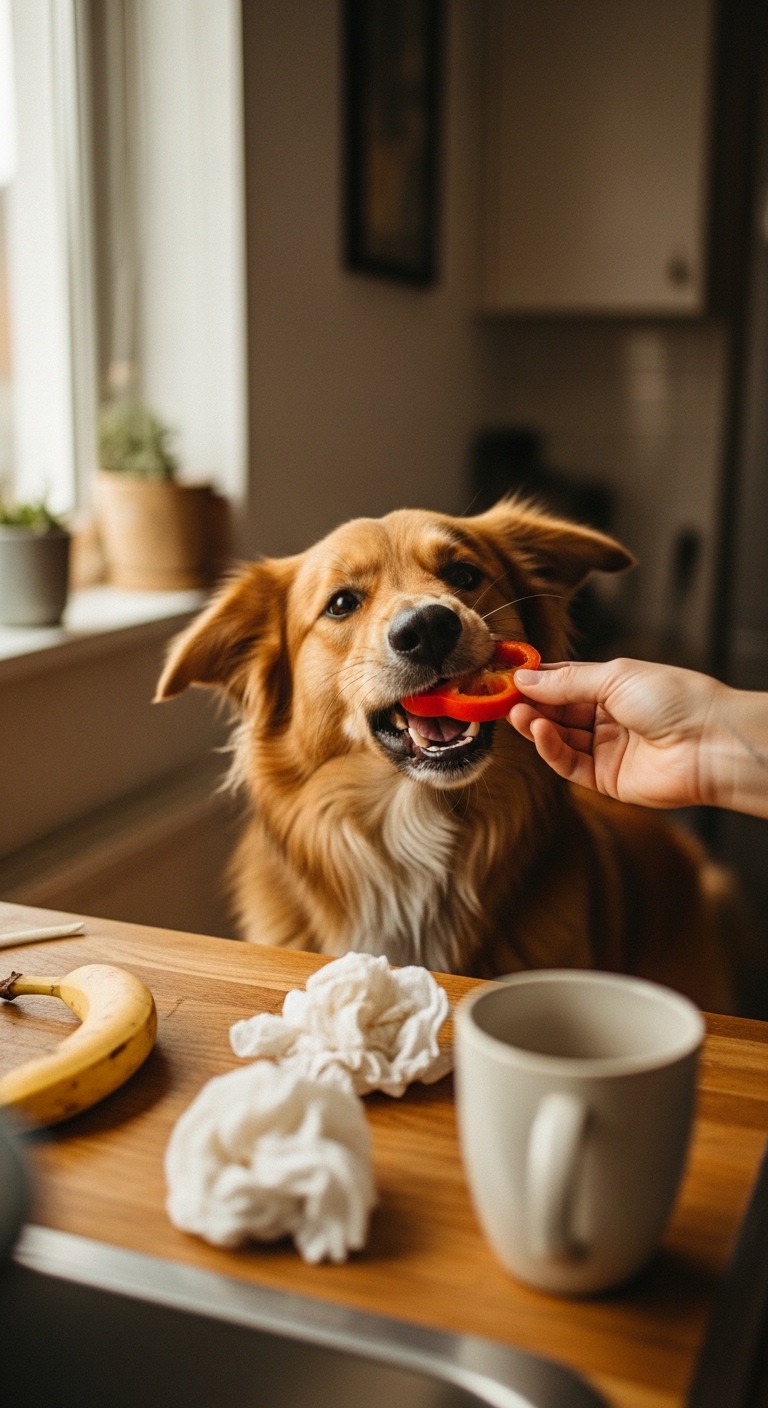
Peppers can be a healthy addition to your dog’s diet when served correctly. Always prioritize safety and moderation for a happy, healthy pet.
Frequently Asked Questions
- → Are all peppers safe for dogs?
No, not all peppers are safe. Bell peppers are generally safe, but spicy varieties like jalapeños, chili peppers, and cayenne should be avoided as they can cause stomach upset or irritation.
- → How should I prepare peppers for my dog?
Wash thoroughly, remove seeds and stems, and serve plain—no seasoning, oils, or spices. You can offer them raw, cooked, or steamed in small pieces to prevent choking.
- → Can dogs eat bell pepper seeds?
It’s best to remove seeds before feeding your dog. Seeds can pose a choking hazard and may contain trace amounts of toxins that could irritate their digestive system.
- → How much pepper can I give my dog?
Start with small amounts, such as a few small pieces, and monitor for any adverse reactions. Peppers should only make up a tiny portion of your dog’s diet—treat-sized servings are sufficient.
- → What are the benefits of feeding peppers to dogs?
Peppers, especially bell peppers, are rich in vitamins A and C, which support immune health and skin condition. They’re also low-calorie and hydrating, making them a healthy snack option.
- → Can puppies eat peppers?
Puppies can eat small amounts of plain, seedless bell peppers, but introduce them gradually. Avoid spicy peppers entirely, and always consult your vet before adding new foods to a puppy’s diet.