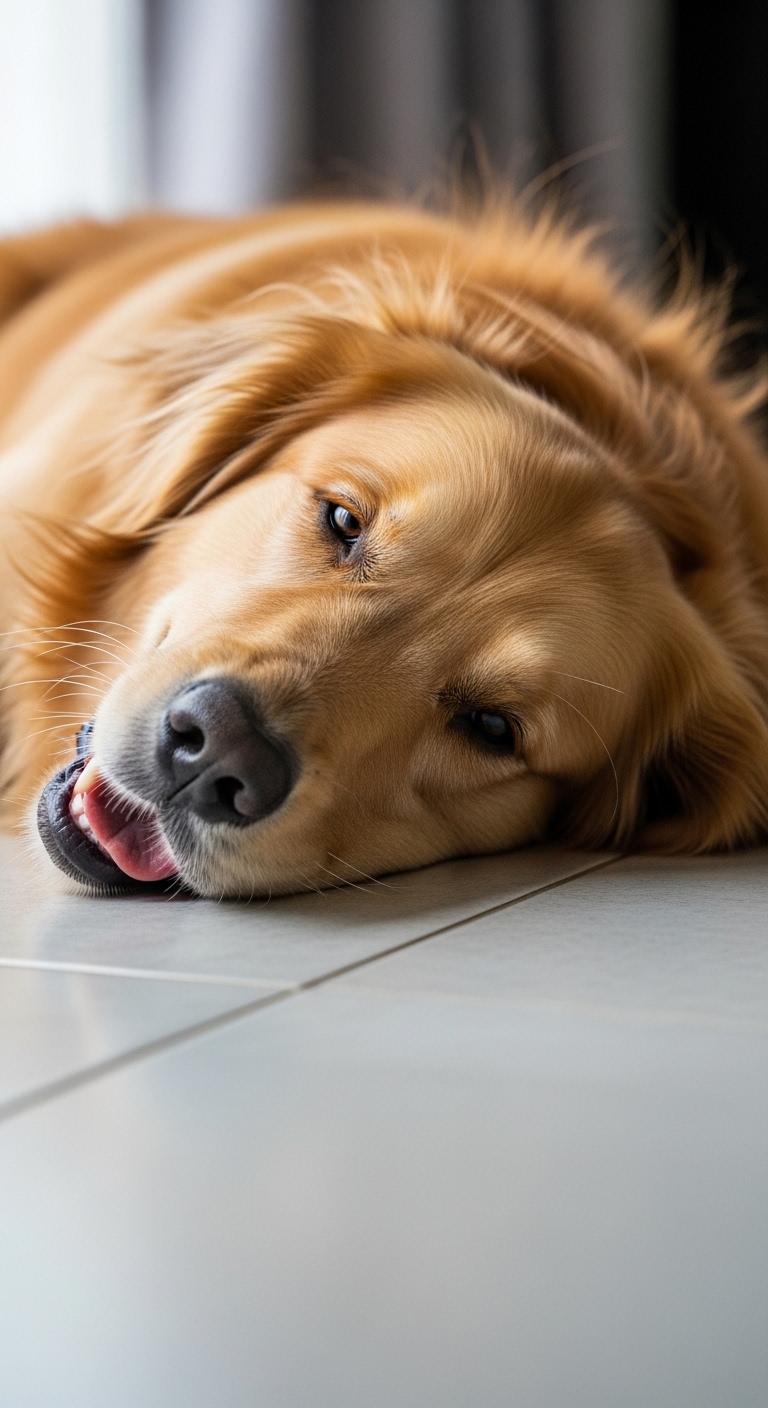
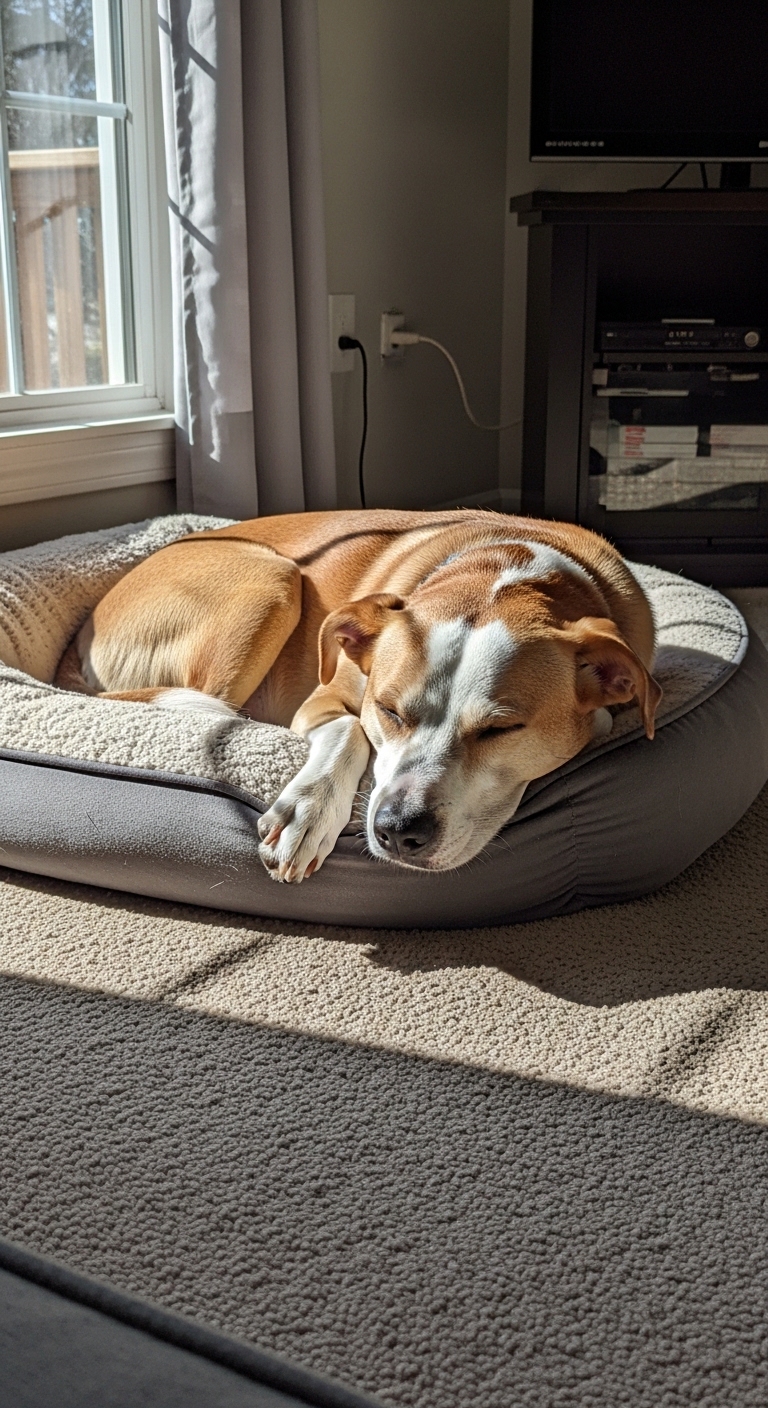
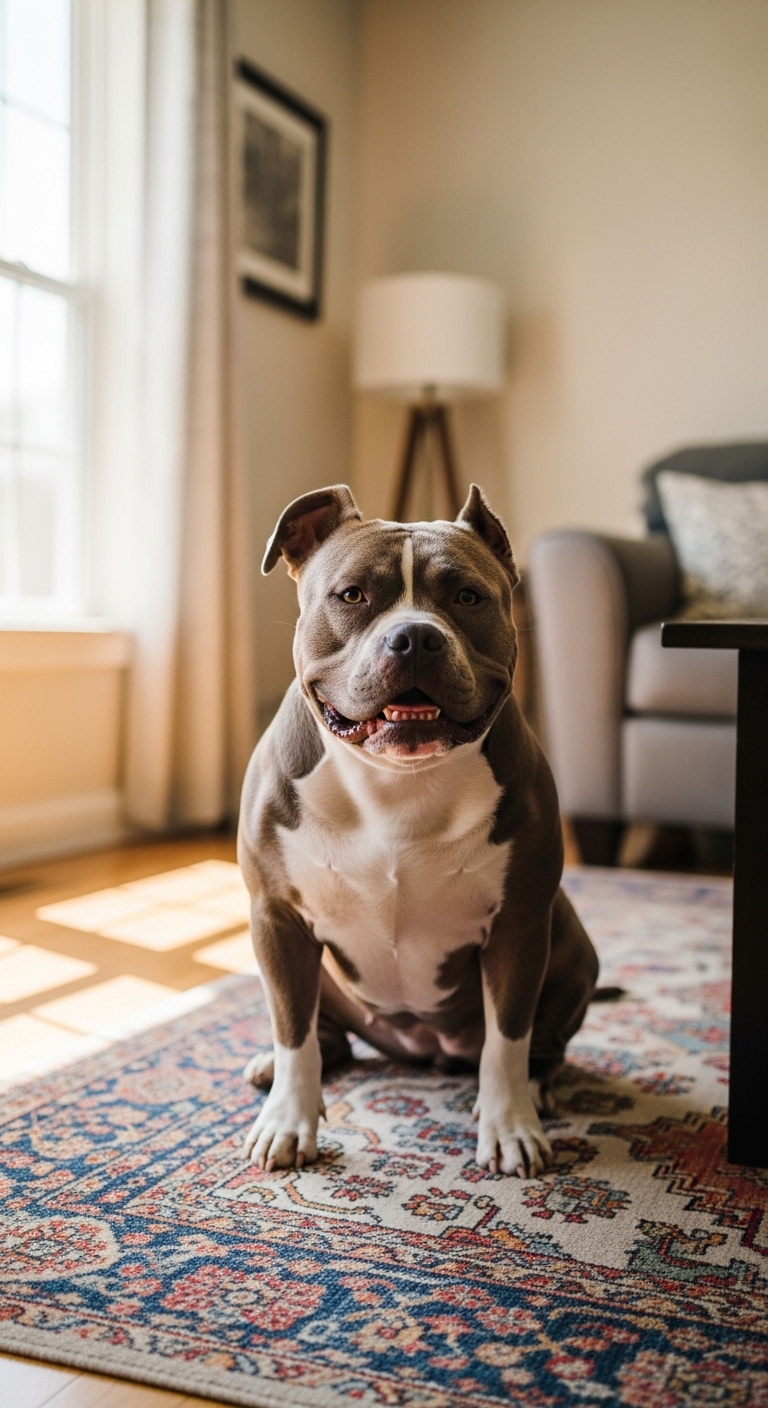
A dog’s way home isn’t just about finding the door: it’s about understanding how pets navigate their space, what they need to feel secure, and how small changes in our homes can make a big difference in their daily lives. Whether you’re bringing home a new puppy or adjusting to an older dog’s shifting habits, these details matter more than you might think. A well-planned space keeps them calm, prevents accidents, and strengthens the bond between you both.
You know your dog best, but sometimes the clues are in the little things: like where they choose to nap or how they react to certain sounds.
Key Things to Understand
- A dog’s sense of smell is 10,000 to 100,000 times stronger than a human’s: so strong scents can overwhelm them.
- Dogs rely on familiar paths and routines: to feel safe in their space.
- Clutter or sudden changes in furniture placement: can confuse them.
- Quiet areas with soft surfaces: help anxious dogs relax faster.
- Puppies and older dogs have different needs: when it comes to space and comfort.
What to Look For
Watch how your dog moves through your home. Do they hesitate before entering certain rooms? That could mean the flooring is too slippery or the space feels too open. Notice where they spend most of their time: near a window, by the door, or in a corner. These spots often reveal their comfort zones. Pay attention to their reactions to new objects or rearranged furniture. Some dogs adjust quickly, while others may need extra time to feel secure again. If your dog suddenly avoids a favorite spot, it might be time to check for drafts, loud noises, or even hidden hazards like loose wires.
I’ve seen dogs that used to nap in the living room suddenly refuse to enter after we rearranged the couch. It took weeks for them to feel comfortable again. If your dog seems off, check for small irritations first: like a drafty window or a new rug with an unfamiliar texture.
Daily Care Habits
A dog’s daily routine isn’t just about walks and meals: it’s also about how they move through your home. If your dog avoids certain areas, it might be because the flooring is too cold, too slippery, or too noisy under their paws. Adding rugs or non-slip mats in high-traffic zones can make a big difference. Also, keep pathways clear of obstacles. Dogs don’t plan their routes like we do, so a stray shoe or a low coffee table leg can become a tripping hazard.
Choosing the Right Product
When picking products for your dog’s space, think about their specific needs. For anxious dogs, a covered crate or a cozy bed in a quiet corner can be a game-changer. If your dog is older or has joint issues, orthopedic beds with raised edges make it easier for them to get in and out. Avoid anything with strong chemical smells, as these can overwhelm their sensitive noses. Instead, opt for natural, washable materials that are easy to clean.
Safety and Comfort
Safety isn’t just about locking up toxic foods or securing loose wires: it’s also about creating a space where your dog feels protected. Avoid placing their bed or crate in direct sunlight or near drafty windows. If you have stairs, consider adding a ramp or baby gate to prevent slips. Also, check for small objects they could swallow, like rubber bands or children’s toys. A dog’s curiosity can lead them to investigate with their mouths, so keeping floors clear is key.
Seasonal Adjustments
As the seasons change, so do your dog’s needs. In summer, make sure they have access to cool, shaded areas and plenty of water. In winter, watch for drafts and consider adding extra blankets or a heated pad to their favorite spots. If you use space heaters, place them where your dog can’t knock them over. Also, be mindful of holiday decorations: tinsel, candles, and small ornaments can be dangerous if ingested.
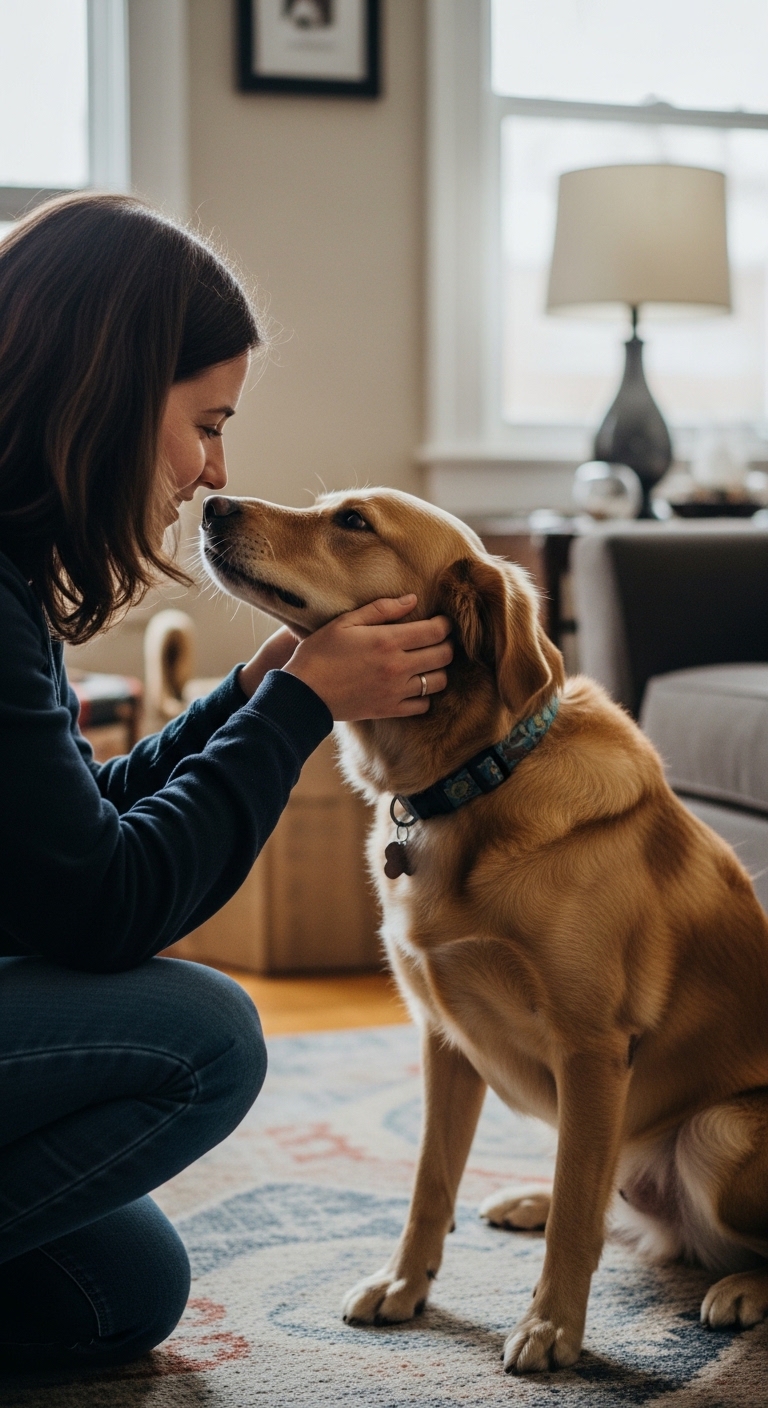
Every dog has their own way of making a house feel like home. Small changes can make a big difference in their happiness and yours.
Frequently Asked Questions
- → How did the dog get lost in the first place?
The dog, Bella, was accidentally left behind during a family road trip when she chased a squirrel off-leash and became disoriented in an unfamiliar area.
- → What challenges did the dog face on her journey home?
Bella encountered harsh weather conditions, busy highways, and wary strangers who mistook her for a stray. She also had to navigate through dense forests and urban areas.
- → How long did it take for the dog to find her way home?
Bella's journey spanned several weeks, covering over 400 miles of diverse terrain before she finally reunited with her family.
- → Did the dog receive any help during her journey?
Yes, Bella was aided by kind strangers who provided food and temporary shelter, as well as animal control officers who scanned her for a microchip.
- → What does this story teach us about pet behavior?
This heartwarming tale demonstrates the incredible homing instincts of dogs and their deep emotional connection to their human families. It highlights how pets rely on scent, memory, and determination to navigate back home.
- → How can pet owners prepare for unexpected separations?
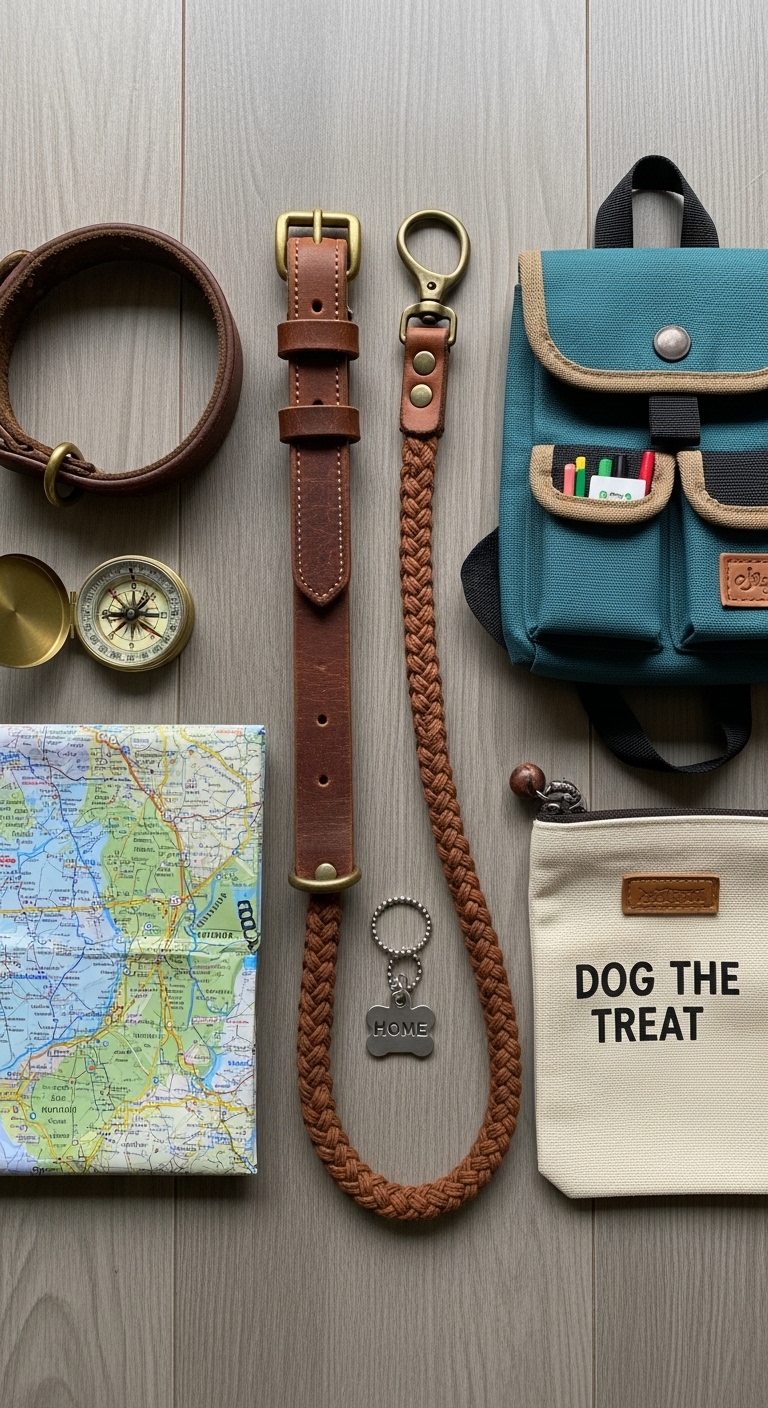
Pet owners should ensure their dogs wear collars with ID tags, have up-to-date microchips, and consider GPS trackers for added security during outdoor adventures.