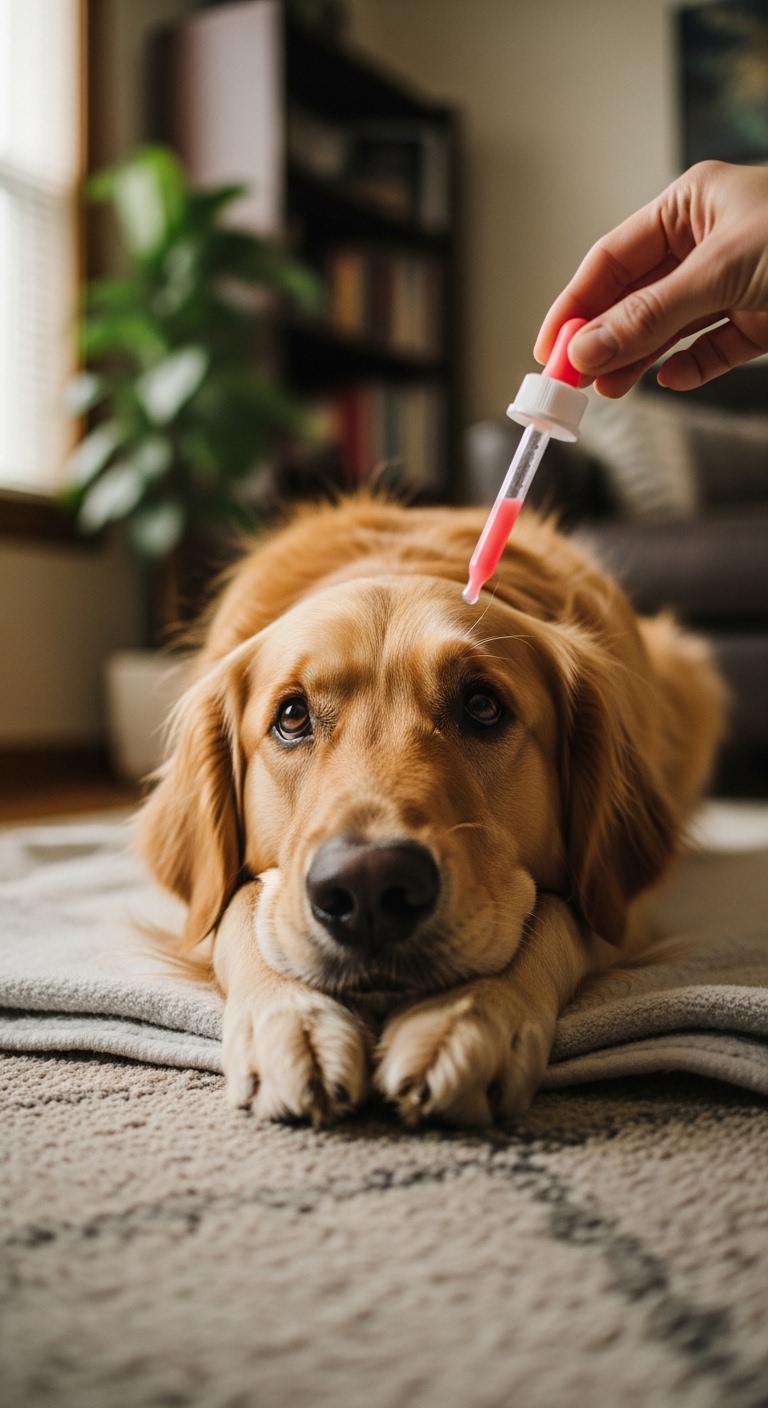
Can dogs have Tylenol? It’s a question that pops up when your pup seems sore or feverish, and you’re wondering if you can share your pain relief. Many pet owners face this dilemma, especially since dogs can’t tell us how they feel. Giving the wrong medication or even the right one in the wrong dose can turn a simple ache into a serious health risk. Knowing what’s safe and when to call the vet could save your dog from unnecessary suffering or even save their life.
I’ve seen firsthand how a quick online search can lead to panic when a dog accidentally gets into human meds. One friend’s dog ate a whole bottle of ibuprofen before she realized what happened. That’s why having this info at your fingertips isn’t just helpful: it’s a must.
Key Things to Understand
- Tylenol contains acetaminophen: which is toxic to dogs in any amount above a safe dose
- Even a single adult tablet: can cause liver failure or death in small dogs
- Symptoms of poisoning: include vomiting, lethargy, dark urine, and yellowing gums
- Never give Tylenol without consulting a vet: who can calculate a safe dose based on your dog’s weight
- Human formulations often contain additives: like xylitol which are deadly to dogs
What to Look For
Watch for subtle changes in your dog’s behavior after they’ve been injured or seem unwell. If they’re less interested in food, slower to get up, or panting more than usual, those could be early signs of pain or fever. Pay attention to how they move too: limping, reluctance to jump, or stiffness after resting often point to joint or muscle issues. When it comes to medication, always check the label for acetaminophen as the active ingredient, and avoid any products that include “extra strength” or “rapid release” formulas. If your dog has pre-existing liver or kidney problems, their body will process medications differently, so extra caution is needed.
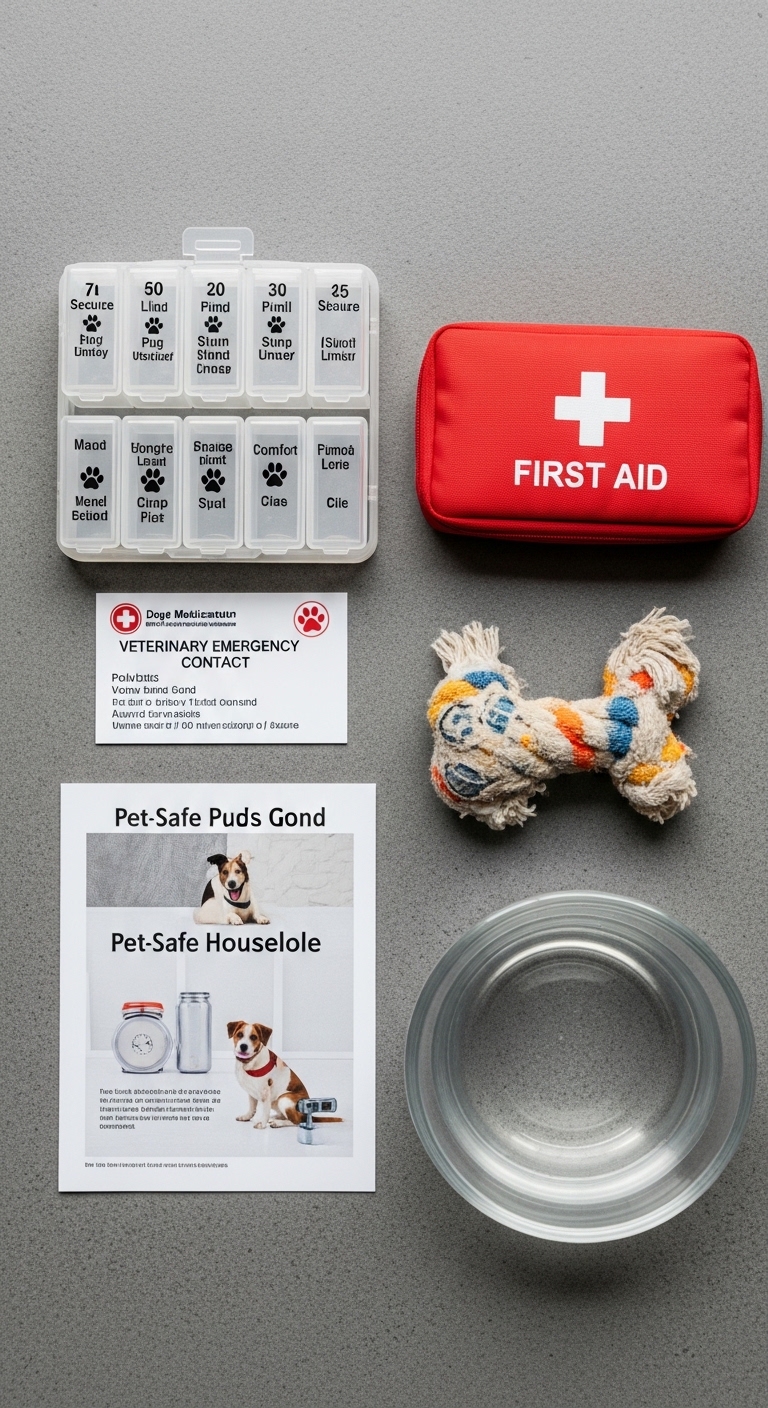
I once had a client who gave their 30-pound dog a children’s Tylenol every six hours for three days, thinking it was safe because it was “just a little.” By the time they brought the dog in, the liver damage was irreversible. That’s why even what seems like a small dose can add up dangerously over time. Always err on the side of caution: if you’re unsure, a quick call to your vet is better than waiting to see if symptoms develop.
Safer Alternatives for Pain and Fever
Instead of reaching for Tylenol, consider dog-specific options like carprofen or deracoxib which are designed for canine physiology. These NSAIDs are formulated to reduce pain and inflammation without the same liver risks. For mild discomfort, many vets recommend cold compresses on sore joints or a warm (not hot) water bottle wrapped in a towel for muscle aches. Always check with your vet before starting any new treatment, especially if your dog is on other medications or has health conditions.
When to Skip Human Meds Entirely
If your dog has eaten something toxic or shows signs of poisoning, don’t wait for symptoms to worsen before acting. Vomiting, diarrhea, excessive drooling, or difficulty breathing are all red flags that require immediate veterinary attention. Keep the number for the Pet Poison Helpline or your local emergency vet saved in your phone: those few seconds of preparation can make all the difference in an emergency.
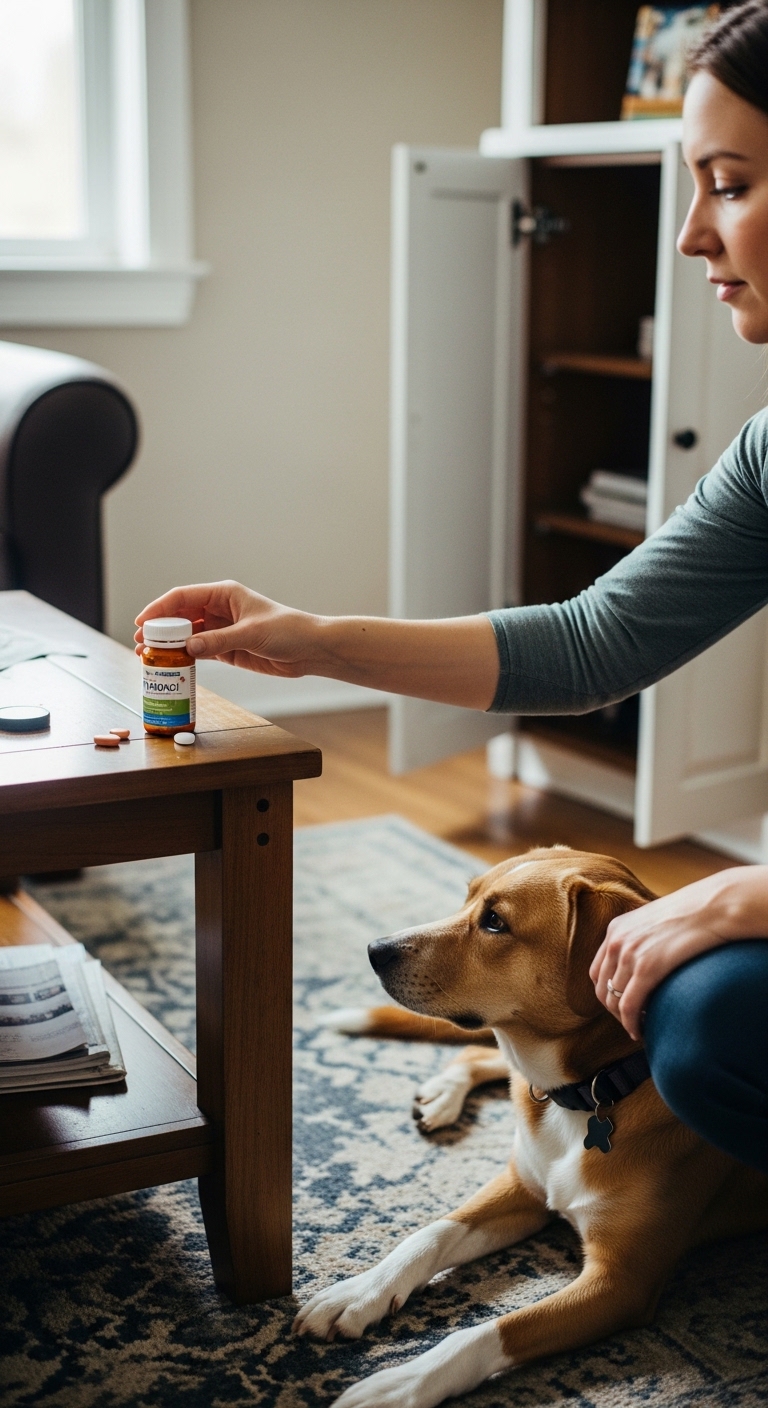
When in doubt, always consult your vet. A moment of caution can prevent a lifetime of regret.
Frequently Asked Questions
- → Can I give my dog a baby Tylenol for pain?
No, you should never give your dog baby Tylenol or any human acetaminophen medication. Even small doses can be toxic to dogs and cause severe liver damage, kidney failure, or death. Always consult your vet before giving any medication to your pet.
- → What are the signs of Tylenol poisoning in dogs?
Symptoms of Tylenol poisoning include vomiting, diarrhea, loss of appetite, lethargy, difficulty breathing, swollen paws or face, and yellowing of the gums or skin (jaundice). If you notice these signs, seek emergency veterinary care immediately.
- → How much Tylenol is toxic to a dog?
Even a single 325mg tablet can be toxic to a small dog (under 10 lbs), while larger dogs may tolerate slightly more. However, there is no safe dose of Tylenol for dogs. The toxic dose varies by weight, but any amount should be considered dangerous.
- → What should I do if my dog eats Tylenol?
If your dog ingests Tylenol, contact your vet or an emergency pet poison hotline (like ASPCA Poison Control) immediately. Do not induce vomiting unless instructed by a professional. Bring the medication packaging with you to the vet for accurate treatment.
- → Are there safe pain relievers for dogs?
Yes, your vet can prescribe dog-safe pain medications like carprofen (Rimadyl), deracoxib (Deramaxx), or gabapentin. Never give human medications without veterinary approval. Always follow the prescribed dosage and monitor your dog for side effects.
- → Can Tylenol kill a dog?
Yes, Tylenol can be fatal to dogs. It causes severe liver damage and can lead to organ failure. Even if the dog survives the initial poisoning, long-term complications like chronic liver disease may develop. Immediate veterinary intervention is critical.