Can dogs have Pepto-Bismol? It’s a question many pet owners ask when their dog’s stomach seems off. Whether it’s from a sudden diet change, stress, or just a little too much excitement at dinner time, an upset stomach in dogs can be worrying. Pepto-Bismol is a common over-the-counter remedy for humans, but is it safe for our furry friends? Knowing the right way to handle these situations can save you a trip to the vet and keep your dog comfortable without risking their health.
I’ve seen too many pet owners give Pepto-Bismol without realizing the risks, only to make things worse. A little knowledge goes a long way in keeping your dog safe and happy.
Key Things to Understand
- Active ingredient: Pepto-Bismol contains bismuth subsalicylate, which can be toxic to dogs in large amounts. Even small doses may cause side effects like vomiting or diarrhea.
- Dosage caution: The dosage for dogs is much lower than for humans, and it should never be given without consulting a vet first.
- High-risk groups: Some dogs, especially those with bleeding disorders or on certain medications, should never take Pepto-Bismol.
- Form matters: The pink liquid form is the most common, but chewable tablets are also available. Always check the ingredients to avoid xylitol, which is toxic to dogs.
- Symptom masking: Pepto-Bismol can mask symptoms of more serious conditions, making it harder to diagnose issues like pancreatitis or intestinal blockages.
What to Look For
Watch for signs that your dog’s stomach upset might be more than just a minor issue. If they’re repeatedly vomiting, refusing food, or showing signs of pain like whining or restlessness, it’s time to consider a vet visit instead of trying home remedies. Pepto-Bismol might seem like a quick fix, but it’s not always the best solution. Pay attention to how your dog reacts after eating or drinking: if they’re lethargic or their gums look pale, those are red flags that something more serious could be going on. Also, check the label of any medication you’re considering. Some forms of Pepto-Bismol contain ingredients that are dangerous for dogs, so always read carefully before giving anything.
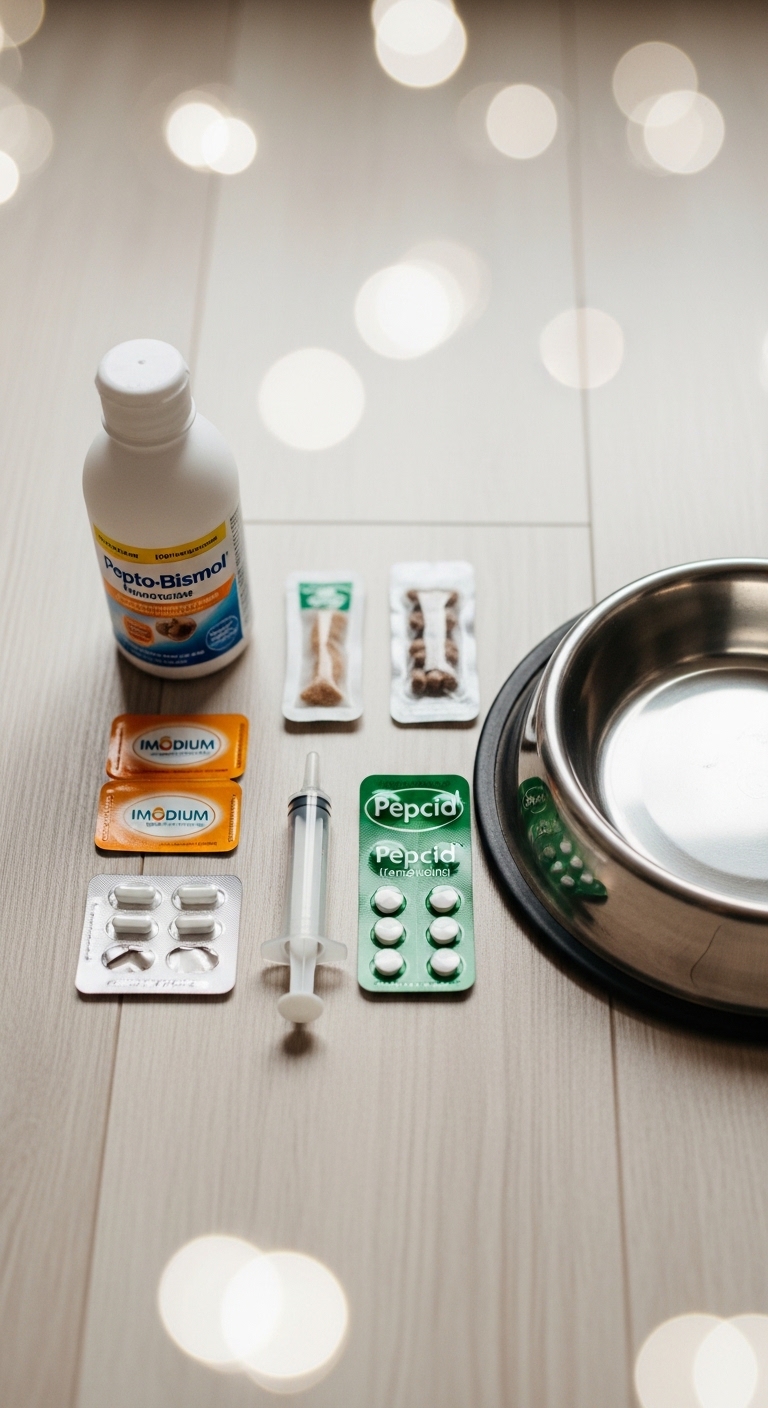
I once gave my neighbor’s dog a tiny bit of Pepto-Bismol without checking, and it ended up making the dog sicker. Always double-check with a vet first: it’s better to be safe than sorry.
When to Use Pepto-Bismol Safely
If your vet has approved a small dose of Pepto-Bismol for your dog, make sure to follow their instructions exactly. The typical dosage is about 0.25 to 0.5 ml per pound of body weight, given every 6 to 8 hours. But this can vary based on your dog’s size and health. Liquid Pepto-Bismol is easier to dose accurately than tablets, but you’ll need a syringe or dropper to measure it properly. Mixing it with a little water or food can help your dog take it without fuss. Still, even with vet approval, monitor your dog closely for any negative reactions like constipation or dark stools.
Natural Alternatives for Soothing Your Dog’s Stomach
If you’re hesitant about giving Pepto-Bismol, there are gentler options to try first. Plain boiled chicken and rice is a bland diet that’s easy on the stomach and helps settle nausea. Pumpkin puree, without any added spices or sugar, can also help with digestion and firm up stools. Probiotics designed for dogs can restore gut balance after an upset. Ginger tea, cooled and given in small amounts, may reduce nausea. Always introduce these remedies slowly and watch for any adverse reactions.
Signs You Should Skip Pepto-Bismol and Call the Vet
Some symptoms mean Pepto-Bismol won’t help and could even hide a serious problem. If your dog’s vomiting persists for more than 24 hours or includes blood, it’s an emergency. Diarrhea that lasts longer than a day or contains black, tarry stools is another warning sign. Lethargy, a bloated belly, or signs of pain like pacing or whining are all reasons to seek professional help immediately. Puppies and senior dogs are especially vulnerable, so don’t wait if they’re showing these signs.
How to Prevent Future Stomach Upsets
The best way to avoid needing Pepto-Bismol is to prevent stomach issues in the first place. Feed your dog a consistent, high-quality diet and avoid sudden changes. Keep human foods like fatty scraps or toxic ingredients like onions and chocolate far from their reach. Stress can also trigger stomach problems, so try to keep their routine as stable as possible. Regular exercise and avoiding overfeeding can make a big difference. If your dog is prone to sensitive stomachs, ask your vet about a specialized diet or supplements.
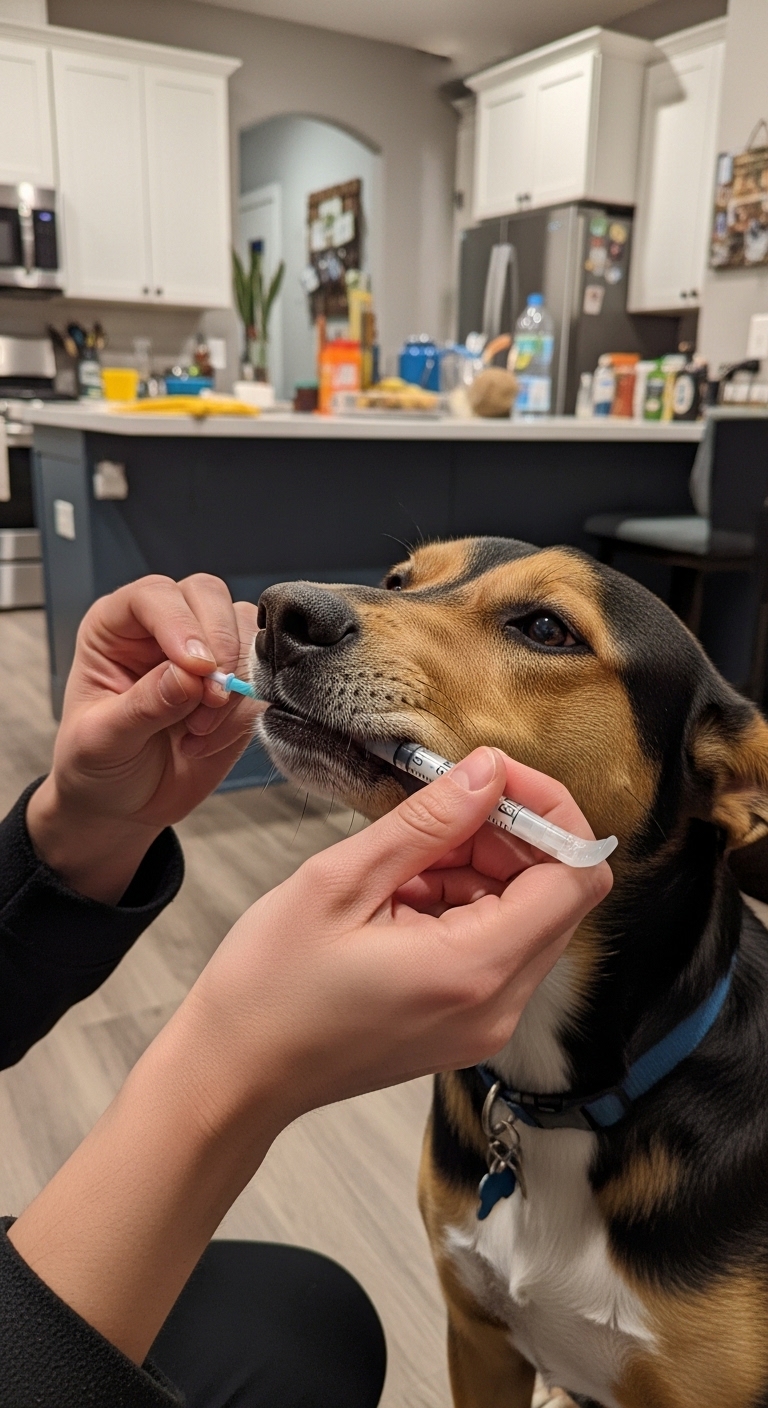
Your dog’s health is worth the extra caution. When in doubt, a quick call to the vet can save you both stress and potential harm.
Frequently Asked Questions
- → Can I give my dog Pepto Bismol for an upset stomach?
Pepto Bismol may help mild stomach upset in dogs, but only in small, vet-approved doses. It’s not a cure-all and should never replace professional advice.
- → What’s the correct Pepto Bismol dosage for dogs?
Dosage varies by weight: 0.5 to 1 ml per pound, given every 6 to 8 hours. Always confirm with your vet before administering.
- → Are there risks of giving Pepto Bismol to dogs?
Yes. Pepto Bismol contains salicylates, which can cause toxicity in high doses or with prolonged use. Side effects include constipation, black stools, or vomiting.
- → What are safer alternatives to Pepto Bismol for dogs?
Try vet-approved probiotics, a bland diet (boiled chicken and rice), or prescription medications. Avoid xylitol-containing products.
- → When should I take my dog to the vet instead of using Pepto Bismol?
Seek veterinary care if symptoms last over 24 hours, worsen, or include severe vomiting, diarrhea, or lethargy. Pepto Bismol is not a substitute for professional treatment.
- → Can Pepto Bismol cause side effects in dogs?
Yes. Common side effects include constipation, black stools, or vomiting. Rarely, it may lead to salicylate toxicity, especially in small or senior dogs.