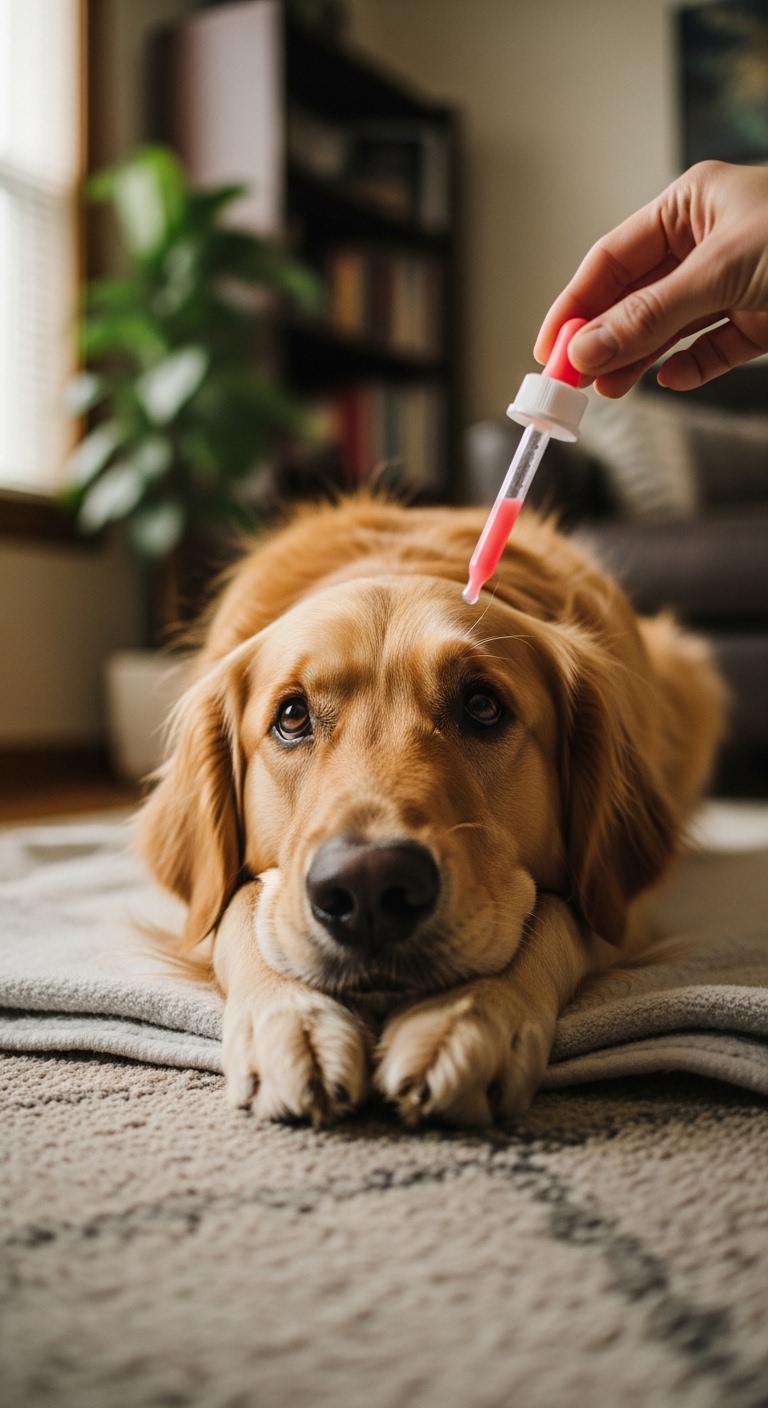
Can you give a dog Benadryl? It’s a question many pet owners ask when their dog starts sneezing, scratching, or showing signs of an allergic reaction. Benadryl, or diphenhydramine, is a common over-the-counter antihistamine that can help ease mild allergies in dogs, but it’s not as simple as giving them the same dose you’d take yourself. Knowing when and how to use it safely can make a big difference in your dog’s comfort and health.
I once gave my neighbor’s dog a children’s Benadryl dose based on what worked for my own dog, only to realize too late that the other pup was much smaller. That moment taught me how critical it is to double-check weight guidelines before giving any medication.
Key Things to Understand
- Active ingredient: Always check the active ingredient in Benadryl to ensure it’s diphenhydramine without added pain relievers or decongestants
- Dosage: The general dosage is 1 mg per pound of body weight, given every 8 to 12 hours, but this can vary by dog
- Toxic ingredients: Never give your dog liquid Benadryl with alcohol or xylitol, as these are toxic to pets
- Side effects: Watch for drowsiness, dry mouth, or urinary issues as common side effects
- Health conditions: If your dog has glaucoma, heart disease, or high blood pressure, Benadryl may not be safe
What to Look For
Pay attention to your dog’s behavior after giving Benadryl. If they seem unusually lethargic, stumble when walking, or have trouble urinating, those could be signs of an adverse reaction. Some dogs also develop a mild upset stomach, which might show up as vomiting or diarrhea. Keep an eye on their breathing too: if it becomes shallow or labored, it’s time to contact your vet immediately.
Look for the right formulation. Chewable tablets are convenient, but make sure they don’t contain artificial sweeteners like xylitol, which is deadly to dogs. Liquid Benadryl can be easier to dose for small breeds, but check the concentration first to avoid overdosing. If your dog is already on other medications, especially for anxiety or seizures, consult your vet before using Benadryl to prevent dangerous interactions.
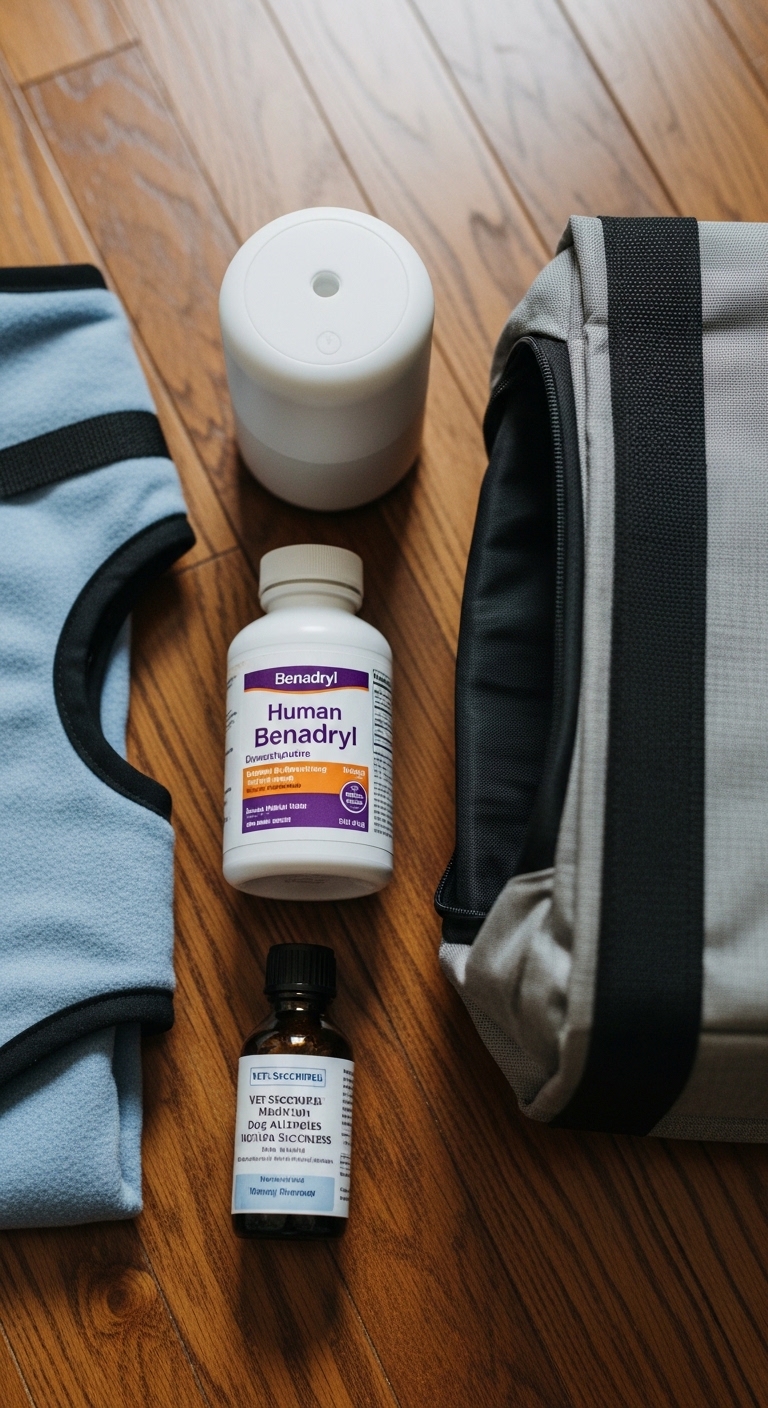
A common mistake is assuming that a little extra Benadryl will work faster or better. That’s not how it works. Another oversight is giving it for long-term allergy management when it’s really meant for short-term relief. If your dog’s allergies are persistent, your vet can recommend safer, more effective treatments like Apoquel or Cytopoint.
When to See the Vet
If your dog’s symptoms don’t improve within 24 hours of giving Benadryl, it’s time for a vet visit. Severe reactions like swelling of the face, hives, or difficulty breathing require immediate emergency care. Chronic allergies that keep coming back also need professional attention to rule out food sensitivities or environmental triggers.
Natural Alternatives to Consider
Omega-3 supplements can help reduce skin inflammation and itching over time. A hypoallergenic diet might be the answer if food allergies are the culprit. Regular baths with oatmeal-based shampoos can soothe irritated skin. Air purifiers and frequent cleaning can minimize environmental allergens in your home.
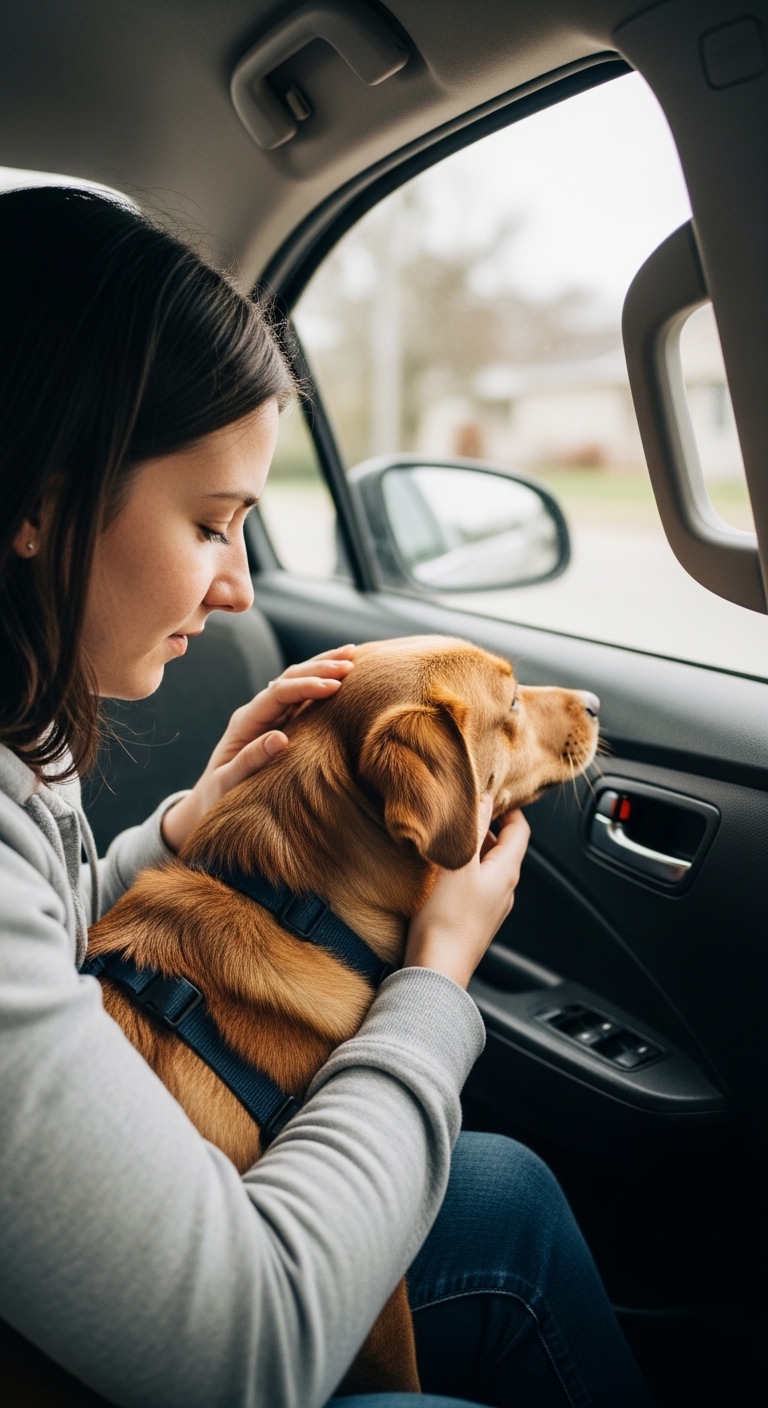
Always prioritize safety and consult your vet when in doubt. Benadryl can be helpful, but proper usage is key to keeping your dog healthy.
Frequently Asked Questions
- → How much Benadryl can I give my dog?
Give 1 mg of Benadryl per pound of your dog’s body weight, every 8 to 12 hours. For a 25-pound dog, that’s about one 25 mg tablet. Always confirm the dosage with your vet first.
- → Can I give my dog children’s Benadryl?
Yes, children’s Benadryl (liquid or chewable) is safe for dogs when dosed correctly. Use the children’s formula without added flavors or alcohol. Measure carefully based on your dog’s weight.
- → What are the side effects of Benadryl in dogs?
Common side effects include drowsiness, dry mouth, or mild stomach upset. Some dogs may experience hyperactivity or urinary retention. Severe reactions like difficulty breathing or swelling require immediate veterinary care.
- → Is Benadryl safe for all dogs?
No. Avoid giving Benadryl to dogs with glaucoma, heart disease, high blood pressure, or those taking certain medications like antidepressants. Pregnant or nursing dogs should also avoid it unless approved by a vet.
- → How often can I give my dog Benadryl?
Benadryl can be given every 8 to 12 hours, but do not exceed 3 doses in 24 hours. If symptoms persist beyond 48 hours, or if your dog’s condition worsens, contact your veterinarian for further advice.
- → Can Benadryl treat dog allergies long-term?
Benadryl provides temporary relief for mild allergies but isn’t a long-term solution. For chronic allergies, your vet may recommend prescription medications, allergy testing, or dietary changes to manage symptoms effectively.