Foxes and dogs might look similar at first glance, but they belong to entirely different branches of the animal kingdom. Understanding this difference matters because it shapes how we care for pets, interact with wildlife, and even how we think about domesticated animals. For pet owners, knowing where foxes fit in the animal world can help avoid confusion when choosing pets or dealing with wild encounters.
Foxes might seem like exotic pets, but their instincts and needs are far from what most people expect from a tame animal.
Key Things to Understand
- Wild nature: Foxes are not domesticated like dogs. They belong to the same family (Canidae) but are wild animals with strong instincts to hunt, roam, and avoid humans. This means they don’t adapt well to home life the way dogs do.
- Domestication history: Dogs have been bred for thousands of years to live alongside humans, while foxes remain independent and unpredictable. Their behavior can include digging, escaping, and even aggression if not properly managed.
- Legal restrictions: Many places require special permits or outright ban owning foxes as pets because they’re considered wildlife, not domesticated animals.
- Diet and health: Foxes have different dietary and health needs than dogs. They require raw meat, whole prey, or specialized diets, and their vet care isn’t as straightforward as it is for dogs.
- Communication: Foxes use more scent marking and body language than barking or tail wagging, which can confuse dog owners used to canine behaviors.
What to Look For
When comparing foxes and dogs, pay attention to their physical traits first. Foxes have slender bodies, bushy tails, and pointed ears, while dogs vary widely in size and shape depending on the breed. Their faces are also different: foxes have a more triangular muzzle, while dogs often have broader snouts. These details aren’t just for looks; they reflect how each animal hunts, communicates, and interacts with its environment.
Behavior is another big clue. Dogs are generally social and eager to please, while foxes are solitary and independent. If you see an animal that avoids human contact or seems overly cautious, it’s likely a fox rather than a dog. Their movements are also distinct: foxes move quietly and gracefully, almost like they’re gliding, while dogs tend to be more energetic and vocal.
Legal and ethical considerations are just as important. Before even thinking about a fox as a pet, check local laws. Many states and countries have strict rules about owning wild animals, and even if it’s legal, it may not be humane. Foxes need space to roam and explore, which isn’t possible in most home environments. If you’re set on having a fox-like companion, consider a domesticated breed like a Shiba Inu or a Siberian Husky, which share some physical traits but have the temperament of a dog.
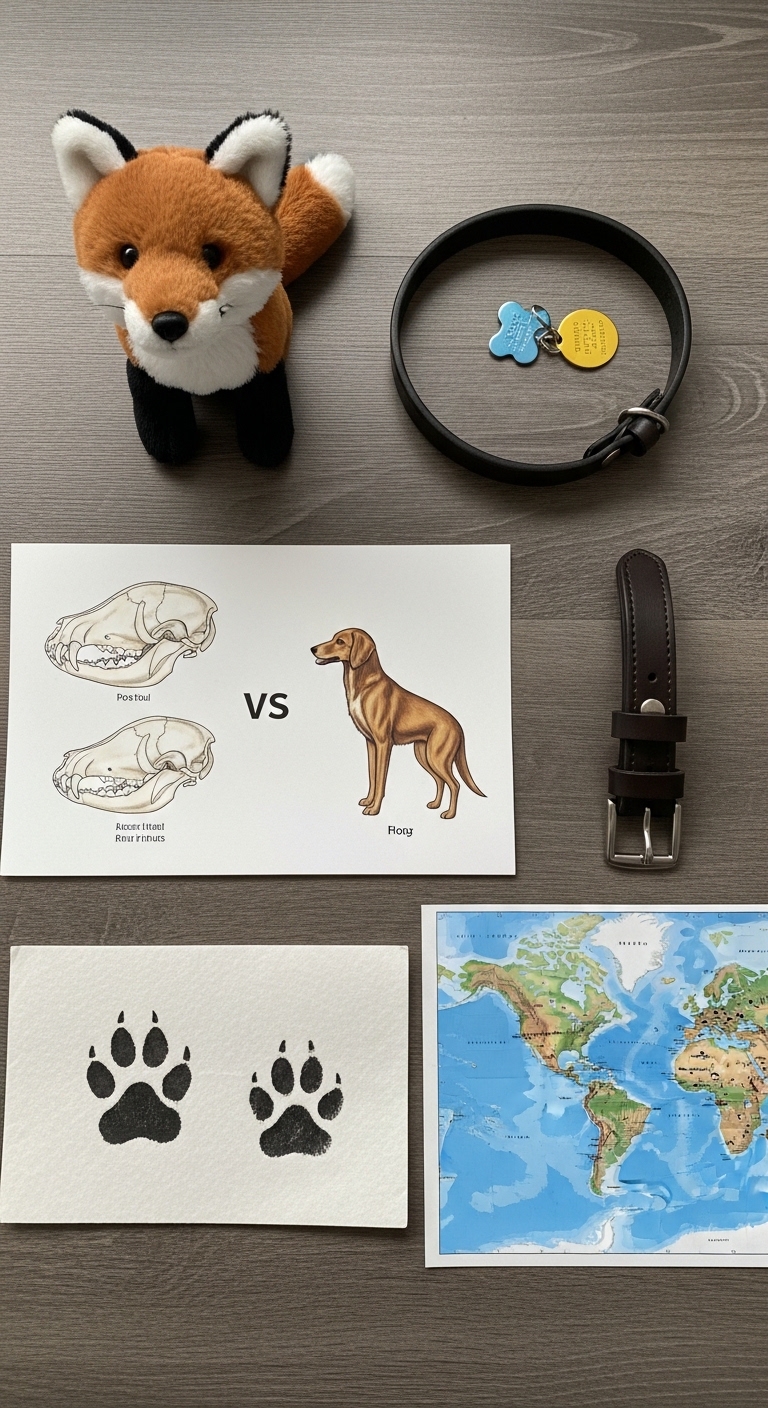
If you’re drawn to foxes because of their looks, consider a breed like an Alaskan Malamute or a Finnish Spitz, which have similar appearances but are much easier to care for. Domestic dogs have evolved alongside humans for companionship, while foxes remain independent creatures with complex needs. This difference is why foxes are best left in the wild, where they can thrive without human interference.
Why Foxes Aren’t Like Dogs
Foxes and dogs may share a family tree, but their lifestyles couldn’t be more different. Dogs were bred to live with humans, relying on us for food, shelter, and companionship. Foxes, on the other hand, are built for survival in the wild. Their bodies are designed for speed and stealth, not for living in a house or apartment. Even the tamest fox will have moments where its wild instincts take over, whether it’s hiding food or suddenly bolting at the slightest noise.
Another key difference is their social structure. Dogs are pack animals that seek out human or canine companionship, while foxes are solitary hunters. This means they don’t naturally form bonds with humans the way dogs do. A fox might tolerate human presence if raised from a young age, but it won’t see you as a leader or a friend in the same way a dog would. Their independence also makes them harder to train, as they lack the eagerness to please that dogs have.
Legal and Ethical Considerations
Before even considering a fox as a pet, it’s crucial to research local laws. In many places, owning a fox without a permit is illegal, and even with a permit, the requirements can be strict. Some states in the U.S. allow fox ownership but only for specific species like the fennec fox, while others ban them entirely. Internationally, the rules vary even more widely. For example, in the UK, keeping a fox as a pet is generally not allowed unless it’s a licensed sanctuary.
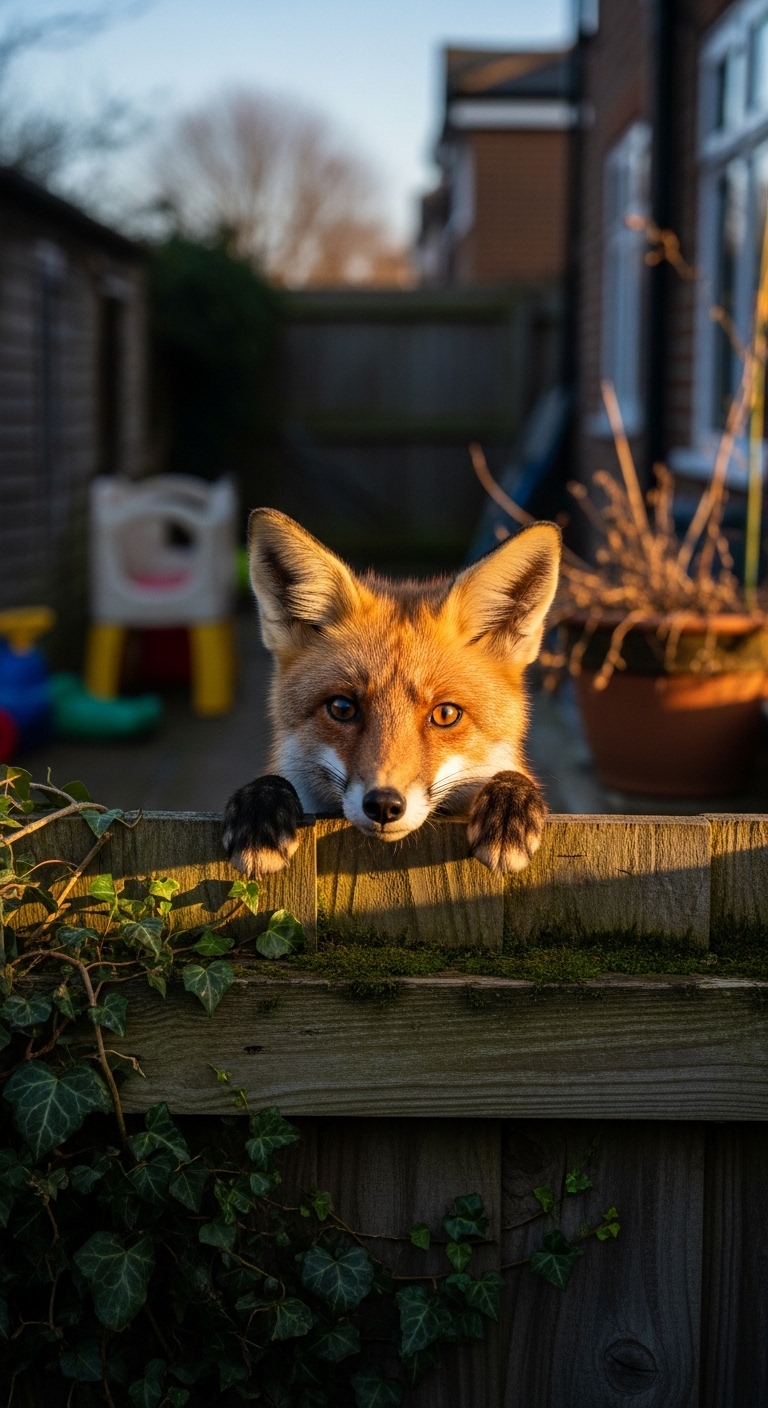
Ethically, it’s important to ask whether keeping a fox is truly in its best interest. Foxes are highly intelligent and active animals that need space to explore, dig, and hunt. Most homes can’t provide the kind of environment a fox needs to stay healthy and happy. Even if you have the space, foxes are escape artists: they can dig under fences, climb over barriers, and squeeze through tiny gaps. Their curiosity and energy make them a handful for even experienced pet owners.
Health and Diet Differences
Foxes and dogs have very different dietary needs, which is another reason why foxes aren’t ideal pets. Dogs are omnivores and can thrive on commercial dog food, while foxes are obligate carnivores. This means their diet must consist almost entirely of meat, including raw bones, organs, and whole prey like mice or rabbits. Feeding a fox improperly can lead to serious health issues like malnutrition or digestive problems.
Their digestive systems are also more sensitive than a dog’s. Foxes can’t handle grains, fillers, or processed foods the way dogs can. Even small amounts of the wrong food can cause stomach upset or long-term health problems. This makes feeding a fox more complicated and expensive than feeding a dog. You’d need to source high-quality raw meat, possibly even whole carcasses, and ensure it’s balanced with the right nutrients.
Veterinary care is another challenge. Not all vets are experienced with foxes, and their medical needs can be quite different from a dog’s. Foxes are prone to certain diseases and parasites that dogs don’t typically deal with, and their stress responses can make vet visits risky. Even routine care like vaccinations or spaying/neutering requires a vet who’s familiar with exotic animals, which can be hard to find in many areas.
Behavioral Challenges
Even if you raise a fox from a young age, its behavior will never fully align with that of a dog. Foxes are naturally wary of humans and other animals, which can make socialization difficult. They’re also highly territorial and may become aggressive if they feel threatened or cornered. Unlike dogs, which are bred to be submissive and cooperative, foxes retain their wild instincts, including a strong prey drive.
This prey drive can be a problem if you have other pets or small children. Foxes may see small animals like rabbits, guinea pigs, or even cats as prey, regardless of how they were raised. Their hunting instincts are deeply ingrained, and even well-fed foxes will often stalk and pounce on moving objects. This isn’t just a minor inconvenience: it’s a serious safety risk that makes foxes poor candidates for homes with other animals.
Another behavioral quirk is their tendency to mark territory. Foxes use scent marking to communicate, which means they’ll spray urine around their environment to claim space. This isn’t just a nuisance: it’s a strong, persistent odor that’s hard to eliminate. Even if you neuter or spay a fox, they may still mark their territory as a way to assert dominance or communicate with other foxes.
Alternatives to Owning a Fox
If you love the look of a fox but want a pet that’s easier to care for, consider breeds that share similar traits. The Shiba Inu, for example, has a fox-like face and a compact, agile body. They’re independent like foxes but are fully domesticated and much more trainable. Another option is the Finnish Spitz, which has a similar reddish coat and alert expression. These breeds are better suited to home life and don’t come with the legal or ethical complications of owning a wild animal.
For those who want a pet that’s a little more exotic but still manageable, breeds like the Basenji or the Canaan Dog offer unique appearances and personalities without the challenges of a fox. Basenjis are known for their cat-like grooming habits and quiet nature, while Canaan Dogs are highly intelligent and loyal. Both are much easier to integrate into a household than a fox would ever be.
If you’re drawn to foxes because of their wild beauty, consider supporting wildlife conservation efforts instead. Many sanctuaries and rescues care for injured or orphaned foxes, and volunteering or donating can help protect these animals in their natural habitats. You could also explore fox-watching opportunities in areas where they’re common, which lets you observe them in the wild without the responsibility of ownership.
Understanding the differences between foxes and dogs helps ensure better care for pets and respect for wildlife.
Frequently Asked Questions
- → Are foxes closely related to dogs?
Yes, foxes and dogs are both part of the Canidae family, meaning they share a common ancestor. However, they belong to different genera, with foxes in the Vulpes genus and dogs in the Canis genus.
- → What are the main differences between foxes and dogs?
Foxes are generally smaller, more solitary, and have bushy tails. Dogs are social pack animals with diverse breeds. Their hunting methods, vocalizations, and facial structures also differ significantly.
- → Can foxes be domesticated like dogs?
While foxes can be tamed, they are not domesticated like dogs. Domestication involves selective breeding over generations, which has not occurred with foxes. Tamed foxes still retain many wild instincts.
- → Do foxes and dogs have similar diets?
Both are omnivores, but their diets differ. Dogs have adapted to human food, while foxes primarily hunt small animals, insects, and fruits. Their hunting techniques and food preferences vary greatly.
- → Why do some people confuse foxes with dogs?
Foxes and dogs share physical traits like pointed ears, bushy tails, and similar body shapes. Their vocalizations, such as barks and howls, can also sound alike, leading to confusion, especially in folklore and media.
- → Are there any hybrid animals between foxes and dogs?
No, foxes and dogs cannot produce viable offspring together. Their genetic differences are too significant, making hybridization biologically impossible despite their shared ancestry.