American Bully dogs are more than just pets: they’re family. These dogs combine strength, loyalty, and a gentle temperament, making them perfect companions for active households. Whether you’re a first-time owner or looking to refine your care routine, understanding their unique needs ensures they stay happy and healthy for years. Their muscular build and high energy demand proper attention, but the right approach makes all the difference in their well-being.
Their love for food makes training treats effective, but portion control is key to keeping their weight in check.
Key Things to Understand
- Diet: American Bully dogs need high-protein diets to support their muscle mass and energy levels.
- Exercise: Regular exercise is non-negotiable: they thrive on activity but can become destructive if bored.
- Socialization: Early socialization prevents aggression and ensures they’re well-adjusted around people and other pets.
- Grooming: Their short coat requires minimal grooming, but skin folds need regular cleaning to avoid infections.
- Joint health: Joint health is critical due to their heavy build, so supplements or joint-friendly surfaces help long-term.
What to Look For
Watch for signs of overheating during exercise, like excessive panting or drooling, especially in hot weather. American Bullies overheat easily because of their compact build and dense muscle. If your dog seems lethargic or reluctant to move after playtime, it could signal joint discomfort common in the breed due to their size. Their coat should look shiny and smooth, but dull fur or flaky skin might mean dietary deficiencies or allergies. Pay attention to how they walk: limping or stiffness in the morning could point to early arthritis, which often develops in larger breeds.
If you notice your dog avoiding stairs or slowing down on walks, it’s worth a vet visit. Many owners dismiss early stiffness as normal aging, but proactive care can add years of mobility.
Daily Care Habits
American Bullies do best with structured routines. Feed them twice a day to prevent bloat, a serious risk for deep-chested breeds. Morning walks should be brisk but not overly intense, while evening playtime can include tug-of-war or fetch to burn off energy. Grooming is simple: weekly brushing with a rubber curry glove removes loose fur and massages their skin. Check their paws after walks for cracks or debris, especially in extreme weather.
Choosing the Right Product
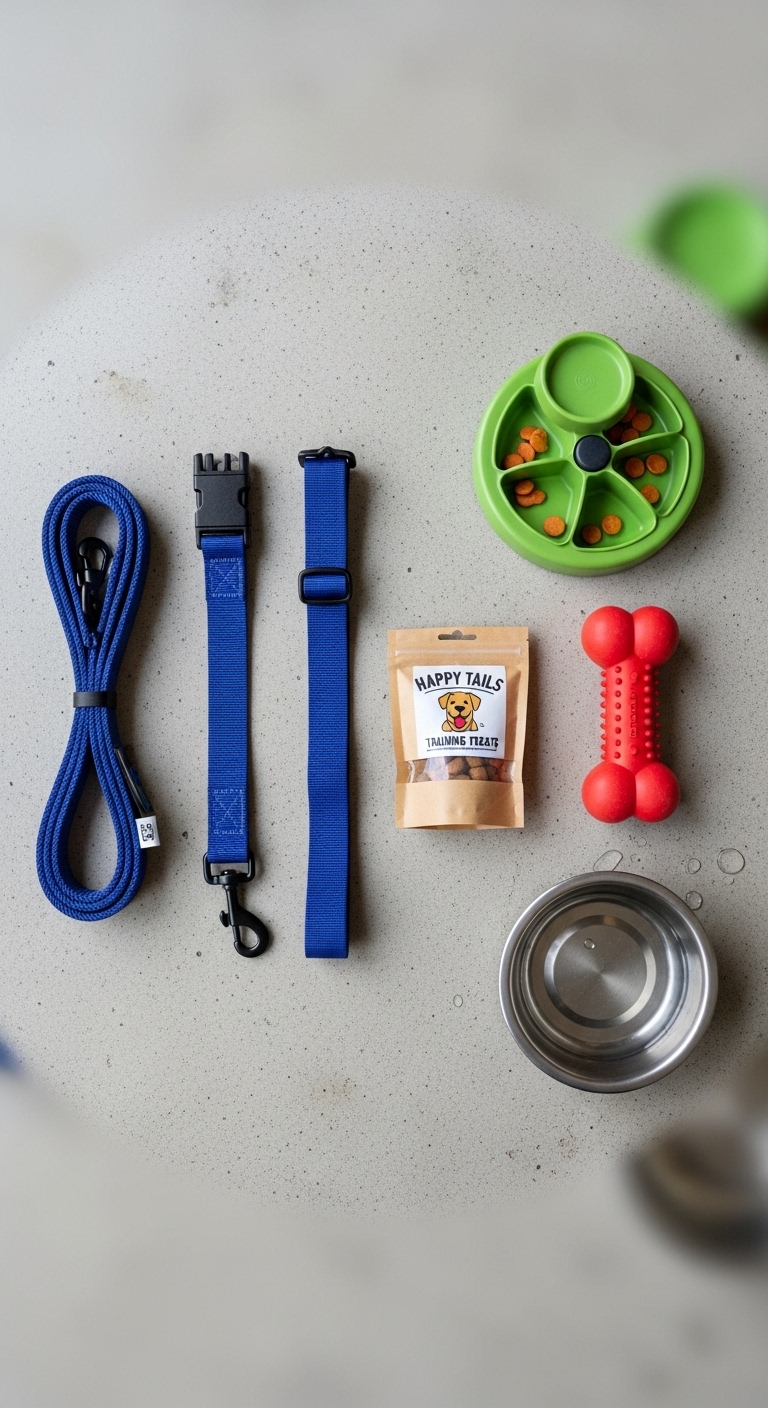
For food, prioritize high-quality kibble with real meat as the first ingredient. Avoid fillers like corn or wheat, which can trigger allergies. Joint supplements with glucosamine and chondroitin are worth considering, especially for older dogs or those with a history of joint issues. When picking toys, opt for durable rubber or nylon options: they’ll destroy flimsy plush toys quickly. A cooling mat is essential for summer, as their thick coat makes them heat-sensitive.
Safety and Comfort
Their size means they need space to move freely indoors. Baby gates can block off areas where they might knock things over or injure themselves. If you have hardwood floors, add rugs to prevent slips that could damage their joints. Avoid retractable leashes: they give too much freedom, which can lead to pulling or aggression if your dog reacts to other animals. Always supervise them around water: while some love swimming, their heavy build can make it exhausting.
Seasonal Adjustments
In winter, limit time outside in freezing temperatures to protect their joints and paws from ice. A dog coat can help, but ensure it fits snugly without restricting movement. Summer requires extra hydration and shade breaks during walks: watch for signs of heat exhaustion like vomiting or bright red gums. Their coat sheds more in spring and fall, so increase brushing frequency to manage fur around the house.
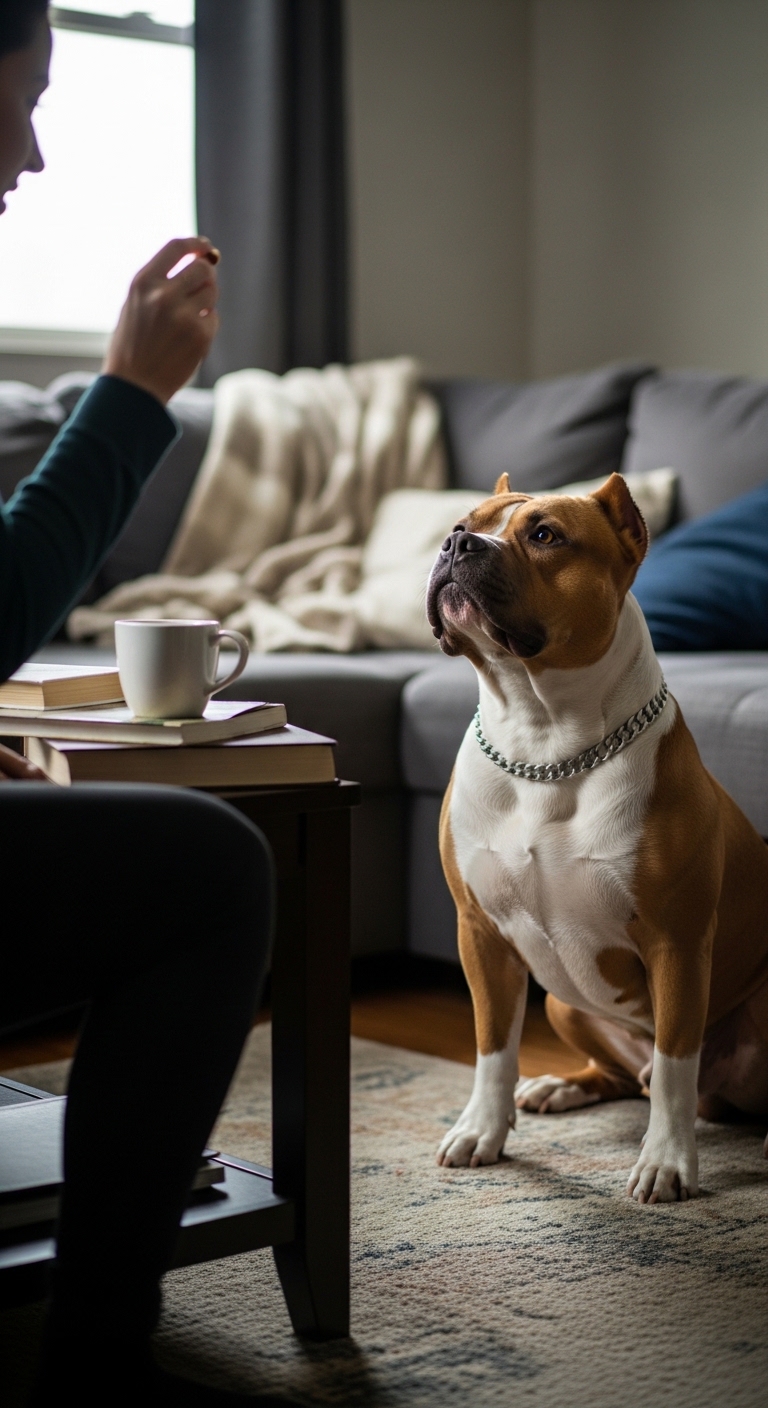
Adjust their activity level as they age: short, gentle walks replace high-energy play.
Frequently Asked Questions
- → What is the best diet for an AM Bully dog?
AM Bully dogs thrive on a high-protein diet with moderate fats and low carbohydrates. Look for dog food formulated for large breeds or active dogs. Avoid fillers like corn or soy, and consult your vet for portion sizes based on your dog's age, weight, and activity level.
- → How often should I groom my AM Bully?
Brush your AM Bully 2-3 times a week to control shedding and keep their coat healthy. Bathe them monthly or as needed, using a gentle dog shampoo. Clean their skin folds weekly with a damp cloth to prevent dirt buildup and infections.
- → What exercise routine suits an AM Bully best?
AM Bullies need 30-60 minutes of daily exercise, including walks, playtime, and mental stimulation. Avoid overexertion in hot weather due to their brachycephalic tendencies. Activities like tug-of-war or agility training can help channel their energy positively.
- → Are AM Bullies prone to specific health issues?
Yes, AM Bullies may face hip dysplasia, skin allergies, or heart conditions. Regular vet visits, a balanced diet, and joint supplements can help manage these risks. Watch for signs like limping, excessive scratching, or lethargy, and address them promptly.
- → How do I train an AM Bully puppy effectively?
Start training early with positive reinforcement like treats and praise. Focus on basic commands (sit, stay, come) and socialization with people and other dogs. Keep sessions short (5-10 minutes) to hold their attention. Consistency and patience are key to shaping their behavior.
- → What supplements benefit an AM Bully?
Consider omega-3 fatty acids for skin and coat health, glucosamine for joint support, and probiotics for digestion. Always consult your vet before adding supplements to ensure they’re safe and appropriate for your dog’s needs.