Can dogs get lice? It’s a question many pet owners don’t think about until they notice their dog scratching more than usual or see tiny bugs crawling through their fur. Lice aren’t just a human problem: they can affect dogs too, and while they’re less common than fleas, they’re still something to watch for. Left untreated, lice can cause irritation, hair loss, and even infections, making it important to know the signs and how to handle them quickly.
I’ll never forget the first time I saw lice on my dog after adopting him from a shelter. The poor guy was scratching constantly, and I assumed it was just dry skin. It wasn’t until I parted his fur and saw the tiny, fast-moving bugs that I realized what was really going on. A quick trip to the vet and a thorough treatment later, he was back to his happy, itch-free self.
Key Things to Understand
- Species-specific: Lice are species-specific, meaning dog lice won’t spread to humans or other pets like cats
- Transmission: Lice spread through direct contact with an infested animal or contaminated items like brushes or bedding
- Symptoms: Symptoms include excessive scratching, hair loss, redness, and visible lice or nits in the fur
- Risk factors: Lice infestations are more common in dogs with poor grooming habits or those living in crowded or unsanitary conditions
- Treatment: Treatment usually involves medicated shampoos or topical medications prescribed by a vet
What to Look For
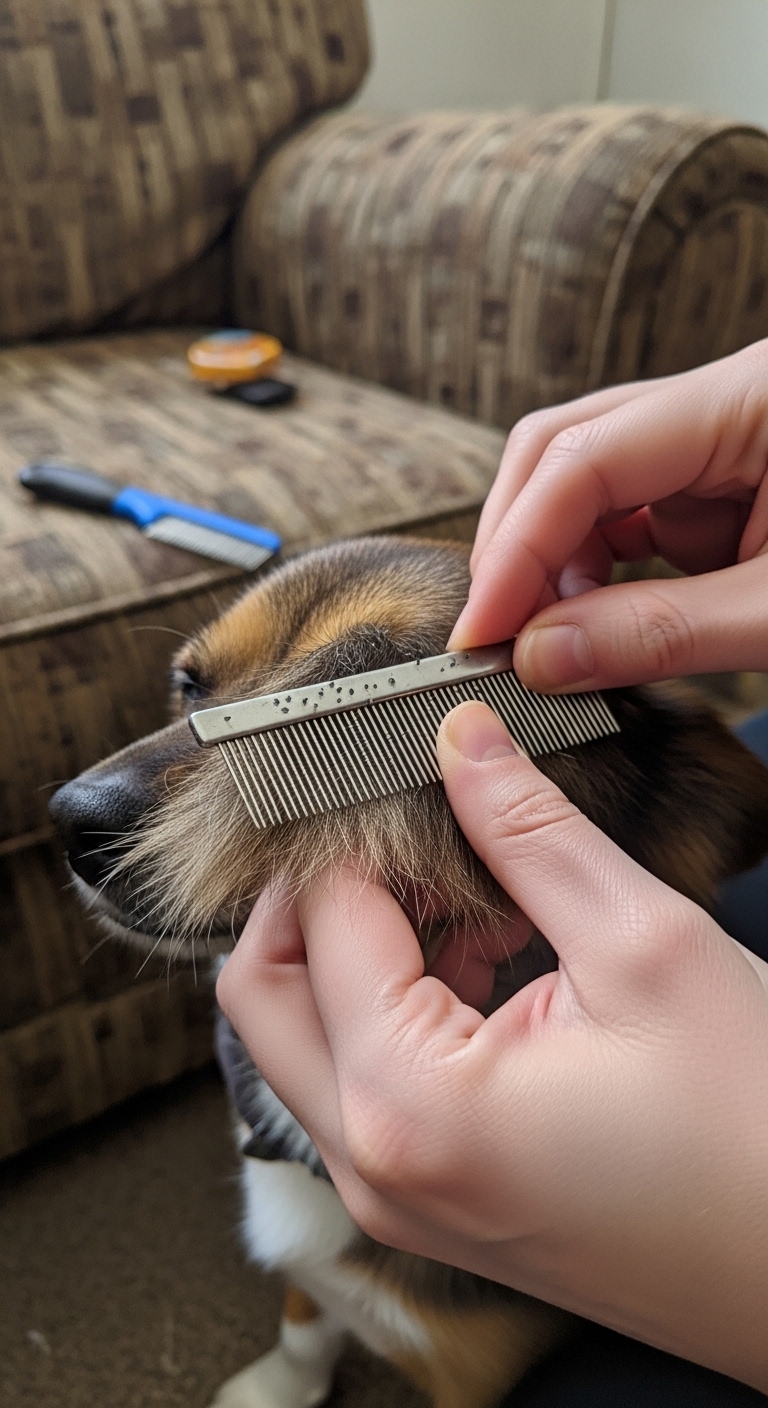
Pay attention to how often your dog scratches, especially in areas like the neck, ears, and tail base where lice often gather. If you notice small, white or tan specks clinging to the base of the fur, those could be nits, which are lice eggs. Unlike dandruff, nits won’t brush off easily and may require a fine-toothed comb to remove. Another clue is red, irritated skin or patches where the fur has thinned or fallen out. If your dog suddenly seems restless or is constantly licking or biting at certain spots, it’s worth taking a closer look at their coat.

I once made the mistake of using a flea shampoo on my dog thinking it would work for lice too. It didn’t. The lice were still there, and my dog’s irritation only got worse. That’s when I learned that lice require targeted treatments. Always confirm with your vet before applying any product, even if it’s labeled for pets.
How Lice Spread and Who’s at Risk
Lice don’t jump or fly, so they rely on close contact to move from one host to another. Dogs that spend time in kennels, dog parks, or grooming salons are at higher risk because of the increased contact with other animals. Puppies, senior dogs, and those with weakened immune systems are also more vulnerable to infestations. Even indoor dogs aren’t completely safe if they share bedding, toys, or brushes with an infested pet.
Signs Your Dog Might Have Lice
Beyond scratching and visible bugs, watch for scabs or crusty skin which can develop from constant scratching. Some dogs may develop a foul odor due to secondary infections caused by open wounds. If your dog’s coat suddenly looks dull or greasy, it could be a sign of an underlying issue like lice or poor health. Always check for lice after introducing a new pet to your home or after a stay in a boarding facility.
Treating Lice Safely and Effectively
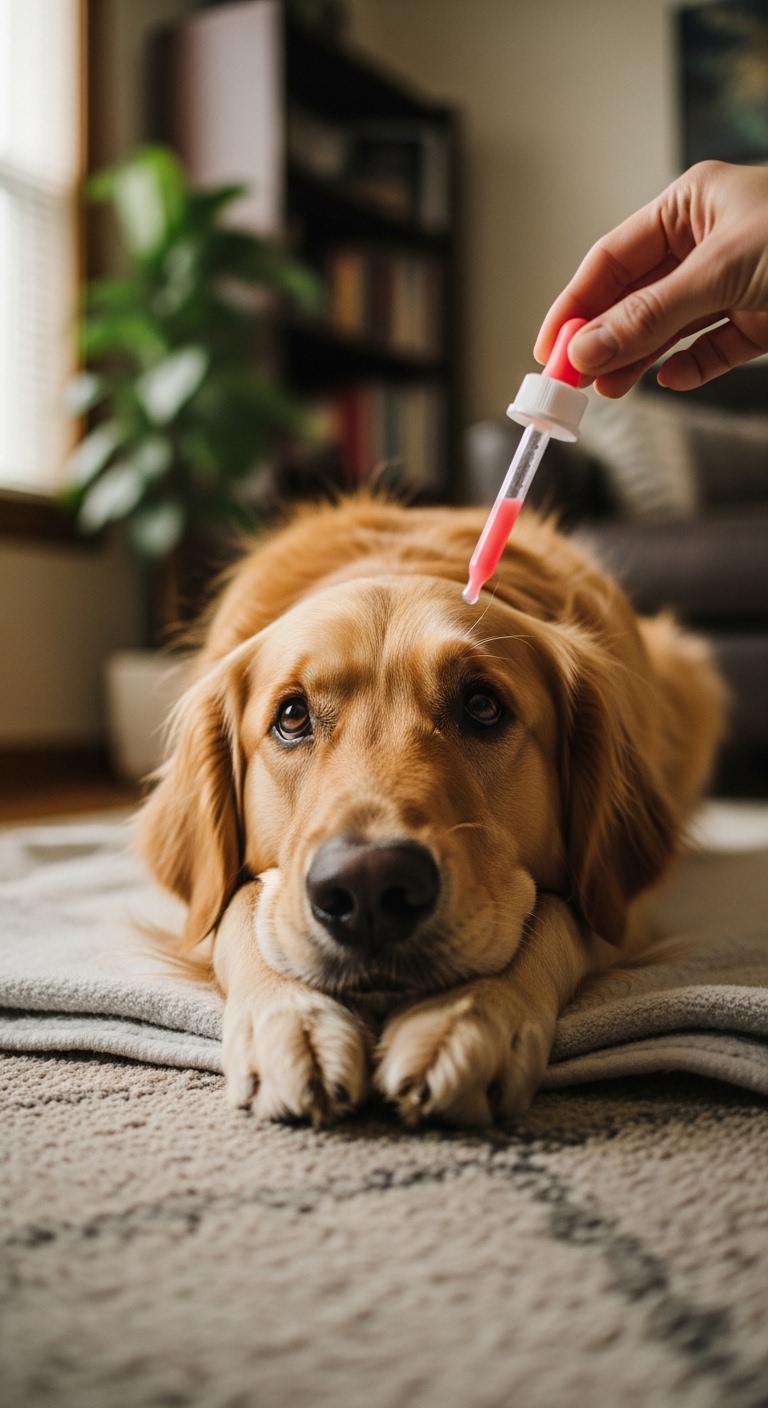
The first step is a proper diagnosis from your vet, who can confirm whether it’s lice or another issue like mites or allergies. Once confirmed, your vet may recommend a medicated shampoo, oral medication, or a topical treatment designed specifically for lice. It’s important to follow the treatment plan exactly as prescribed, even if your dog seems better after a few days. Reinfestation is common if any nits or adult lice are left behind.
Preventing Lice in the First Place
Regular grooming is one of the best ways to prevent lice. Brushing your dog’s coat daily or a few times a week helps you spot problems early and removes loose fur that could attract pests. Wash your dog’s bedding, blankets, and toys weekly in hot water to kill any potential lice or eggs. If you visit dog parks or grooming facilities, keep an eye on your dog’s behavior afterward and consider using a preventative spray recommended by your vet.
Lice may not be as common as fleas, but they’re just as troublesome. Staying informed and proactive is the best way to keep your dog healthy and comfortable.
Frequently Asked Questions
- → Can dogs get lice from humans?
No, dog lice are species-specific and cannot spread to humans. Human lice require human blood to survive, while dog lice need canine blood or skin debris.
- → What are the signs my dog has lice?
Common symptoms include excessive scratching, visible nits (lice eggs) or adult lice on the fur, hair loss, red or irritated skin, and restlessness. Check your dog’s coat, especially around the ears, neck, and tail.
- → How do I treat lice on my dog?
Consult your vet for a proper diagnosis and treatment plan. Options may include medicated shampoos, topical treatments, or oral medications. Never use human lice products on dogs, as they can be toxic.
- → Are lice in dogs contagious to other pets?
Yes, lice can spread through direct contact with an infected animal or contaminated items like brushes, bedding, or collars. Isolate the infected dog and disinfect their environment to prevent spreading.
- → Can I prevent lice in my dog?
Regular grooming, inspecting your dog’s coat, and avoiding contact with stray or infected animals can reduce risk. Keep their bedding clean and use vet-approved preventative treatments if recommended for your dog’s lifestyle.
- → How long does it take to get rid of dog lice?
With proper treatment, most lice infestations clear within 2–4 weeks. Follow your vet’s instructions closely, and continue monitoring your dog’s coat even after treatment to ensure all lice and nits are eliminated.