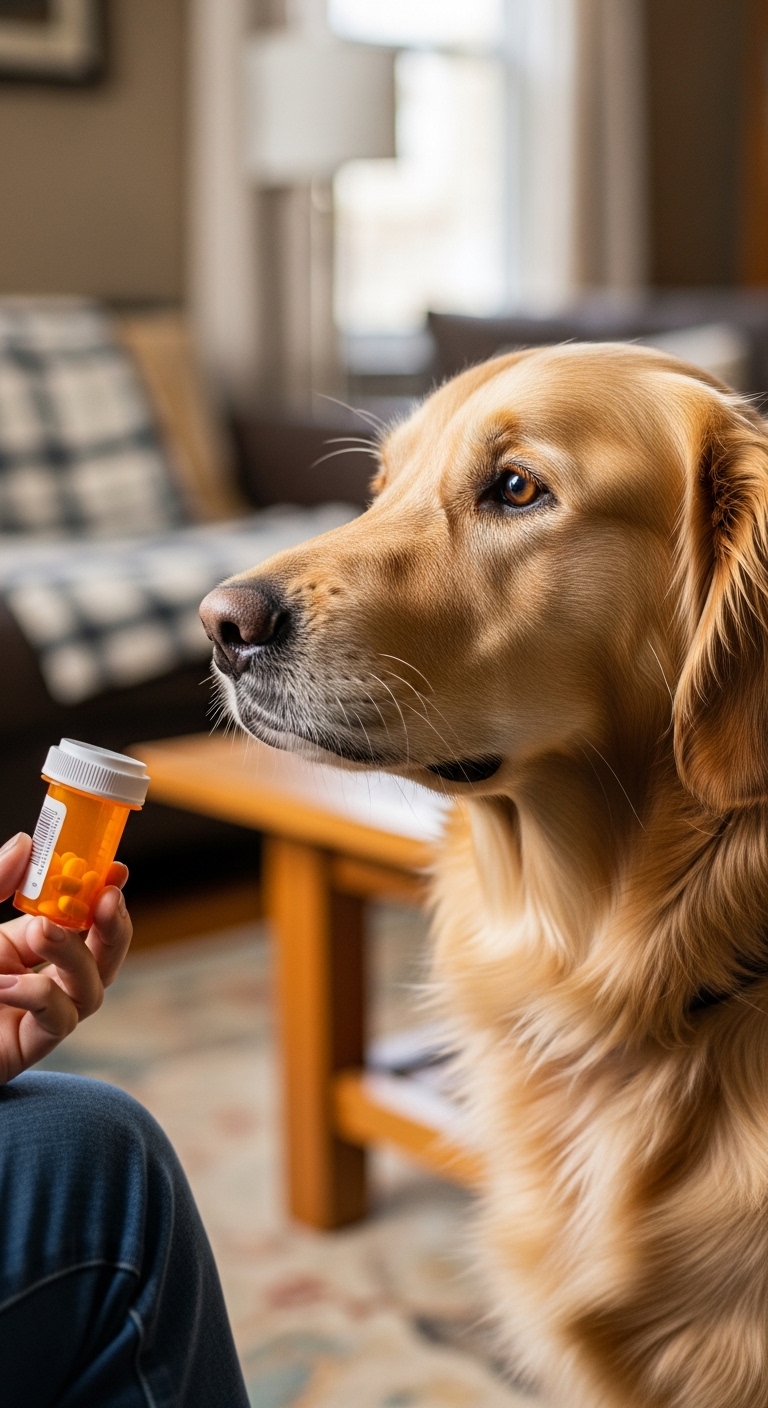
Can dogs get poison ivy? It’s a question that pops up every spring and summer when pet owners notice their dogs scratching more after outdoor adventures. While dogs don’t react to poison ivy the same way humans do, they can still carry the plant’s oils on their fur, which can then spread to you or other pets. That’s why understanding how to spot and prevent poison ivy exposure is important for keeping your whole household comfortable and safe.
I’ll never forget the first time my golden retriever came back from a walk with red, itchy patches on his belly. Turns out he’d rolled in poison ivy, and those oils transferred to my hands when I petted him. That’s when I learned just how easily it can spread and how important it is to act fast.
Key Things to Understand
- Dogs don’t get the classic rash humans do: Their skin is thicker and covered in fur, which provides a barrier against the plant’s oils.
- The real danger is urushiol oil: This sticky substance clings to fur and can transfer to anything it touches, including your skin, furniture, or other pets.
- Mild reactions may appear as redness or itching: These are usually less severe than in humans but can still cause discomfort.
- Secondary irritation can occur: Dogs might lick or chew at exposed areas, leading to further irritation or infection.
- Oils linger on surfaces: Collars, leashes, and even your shoes can harbor urushiol if not cleaned properly after exposure.
What to Look For
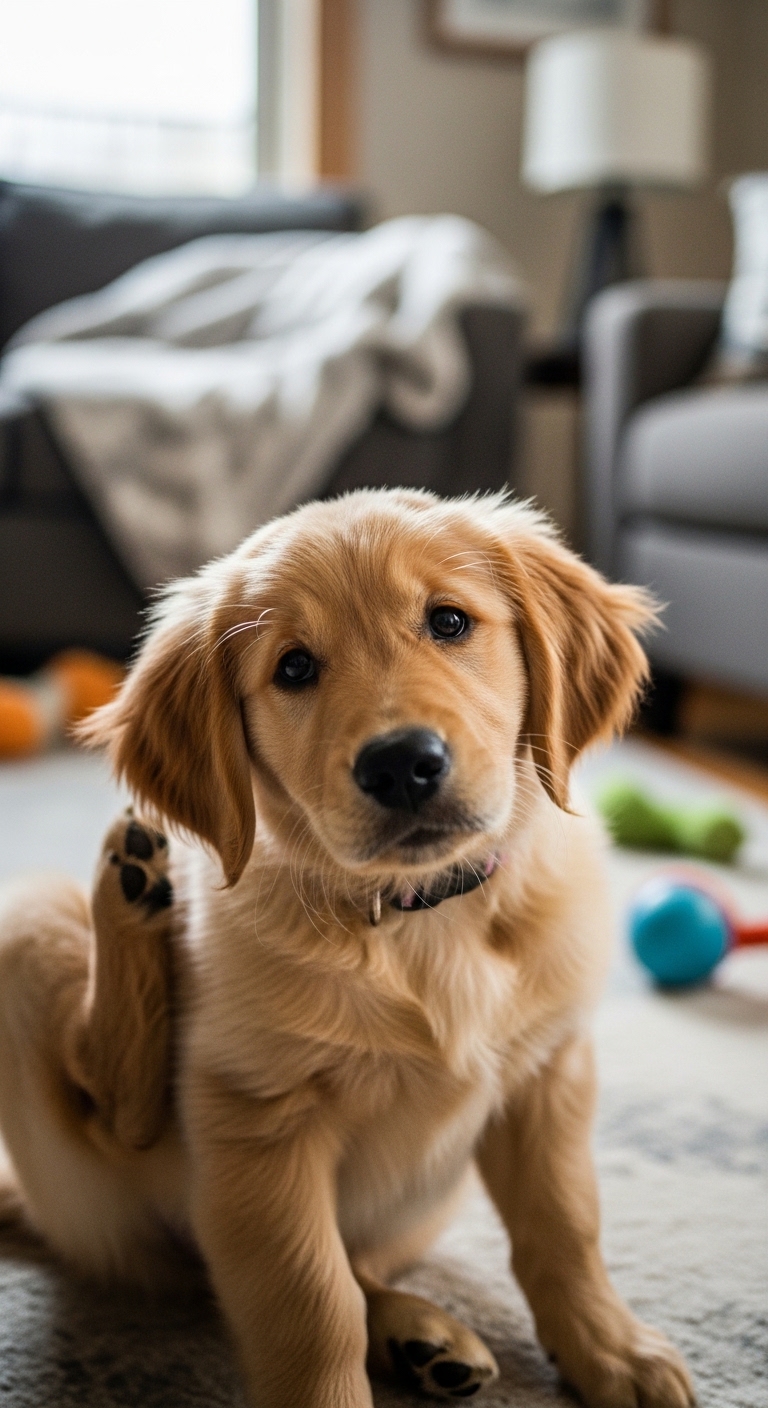
Pay attention to any sudden increase in scratching, especially after outdoor time in wooded or grassy areas. Dogs might focus on their paws, belly, or areas with thinner fur where the oils can more easily reach the skin. Watch for redness or small bumps that appear in patches rather than widespread rashes. If your dog starts licking or chewing at their skin more than usual, it could be a sign of irritation from something they picked up outside. Also check their fur for any sticky or oily residue, particularly after walks in areas where poison ivy grows.
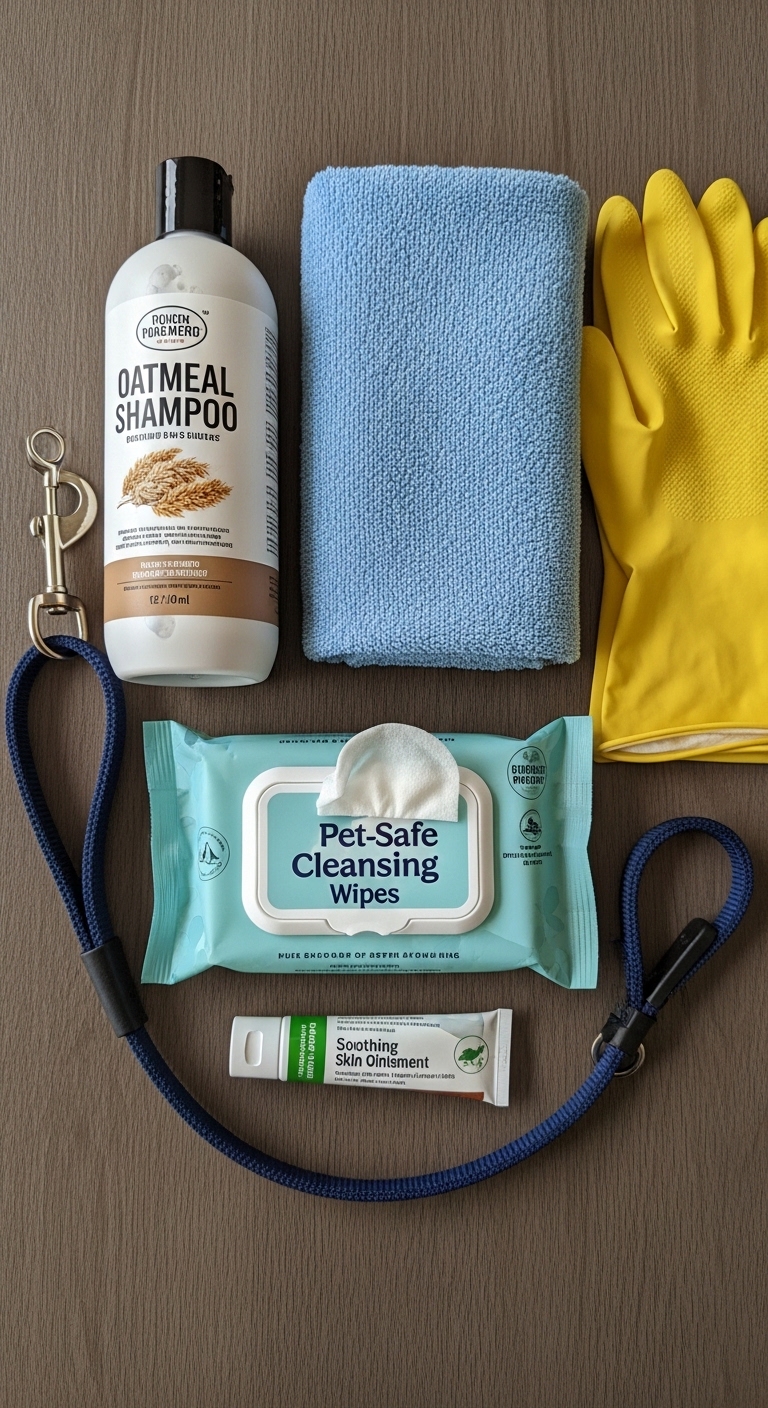
I once made the mistake of assuming my dog was fine because he didn’t have a visible rash, only to later develop a mild irritation on my own arms from petting him. That’s when I realized how easily the oils transfer and how important it is to be thorough with cleaning. Another common mistake is waiting too long to bathe your dog after exposure, which lets the oils settle deeper into the fur and skin.
Why It’s Different for Dogs
Unlike humans who develop blisters from poison ivy, dogs have a protective coat that usually prevents direct skin contact with the plant. Their fur acts as a barrier, but it also traps the oils which can then be spread to surfaces or people. This is why you might not see a reaction on your dog but still experience itching yourself after petting them. The oils are microscopic and can cling to fur for days if not washed away properly.
How to Clean Your Dog Safely
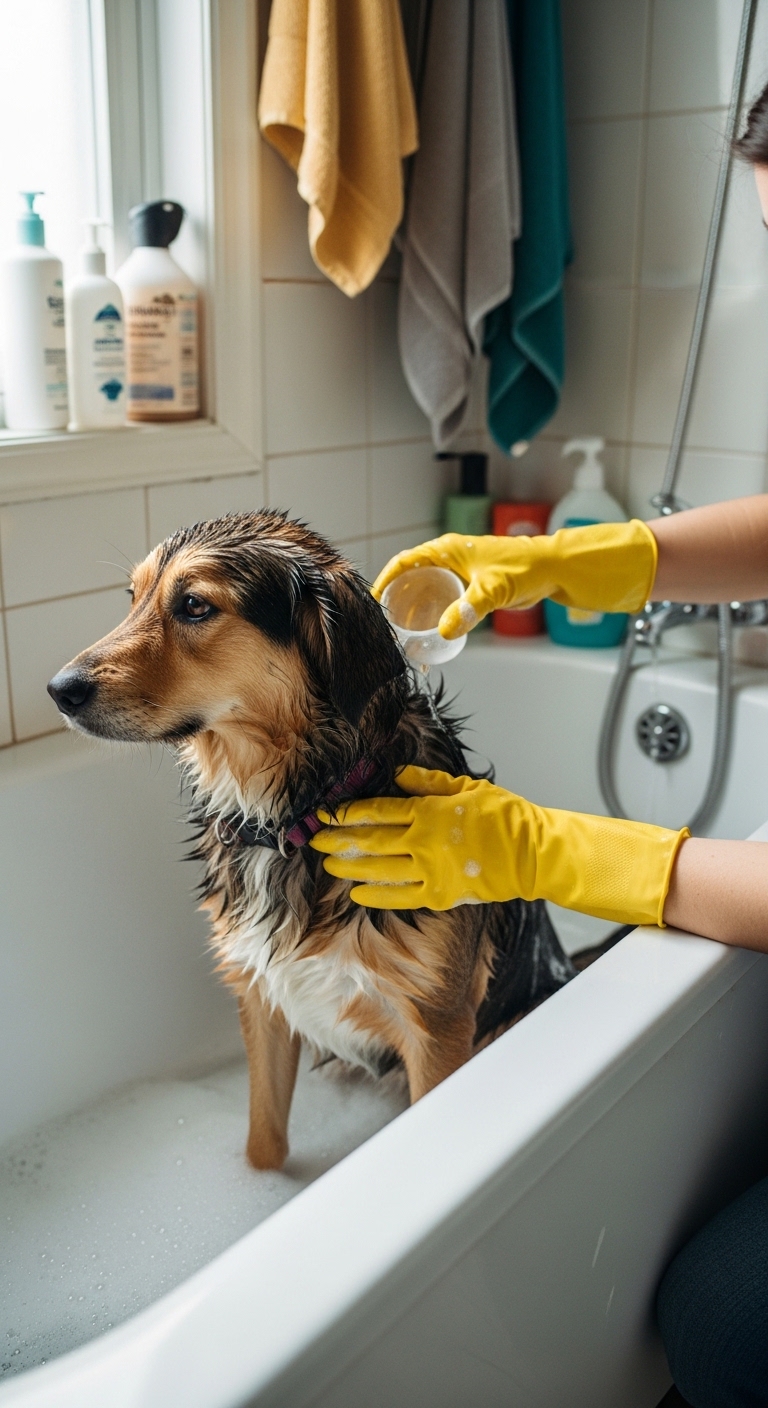
Use lukewarm water and a mild pet shampoo designed for sensitive skin to avoid stripping natural oils. Focus on areas where your dog might have brushed against plants, like the legs, belly, and paws. Rinse thoroughly since leftover soap can cause additional irritation. If your dog resists bathing, try using a damp towel to wipe down their fur instead. Always wear gloves when cleaning to protect your own skin from any lingering oils.
What to Do If You Suspect Exposure
Start by giving your dog a thorough bath with pet-safe shampoo to remove any oils. Wash their collar, leash, and bedding in hot water to prevent re-exposure. Monitor your dog for a few days for any signs of increased itching or redness. If symptoms persist or worsen, contact your vet for advice. Keep in mind that secondary infections from excessive scratching are more common than the poison ivy itself in dogs.
Being proactive about poison ivy exposure lets you and your dog enjoy the outdoors without worry. A little prevention goes a long way in keeping everyone safe and comfortable.
Frequently Asked Questions
- → Can dogs get poison ivy rash?
Yes, dogs can develop a poison ivy rash after contact with the plant. While their fur offers some protection, the oil (urushiol) can still cling to their coat and skin, causing an allergic reaction.
- → What are the signs of poison ivy in dogs?
Common symptoms include redness, swelling, itching, and blisters on areas like the paws, belly, or muzzle. These typically appear within 24 to 48 hours of exposure.
- → How do I treat poison ivy on my dog?
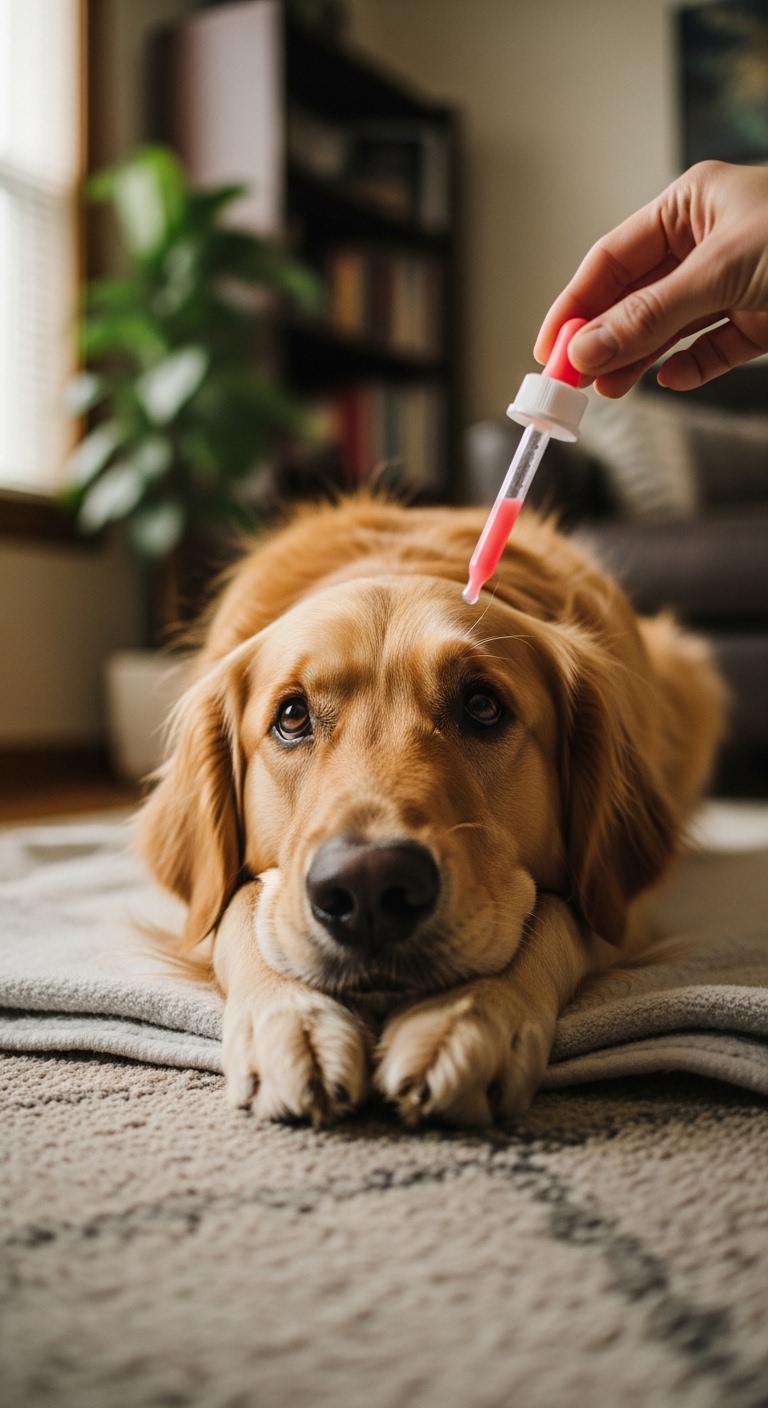
Rinse your dog’s coat with a pet-safe shampoo or mild soap and cool water. Apply a soothing oatmeal cream or hydrocortisone spray to relieve itching. For severe reactions, consult your vet.
- → Is poison ivy dangerous for dogs?
Poison ivy is rarely life-threatening to dogs but can cause significant discomfort. Severe reactions may require veterinary care to prevent infection or excessive scratching.
- → How can I prevent my dog from getting poison ivy?
Avoid areas with poison ivy, check their fur after walks, and use pet wipes to remove oils. Training your dog to steer clear of suspicious plants also helps.
- → Can poison ivy spread from dog to human?
Indirectly, yes. The oil from poison ivy can transfer from your dog’s fur to your skin if you touch them without washing your hands. Always clean your dog and yourself after potential exposure.