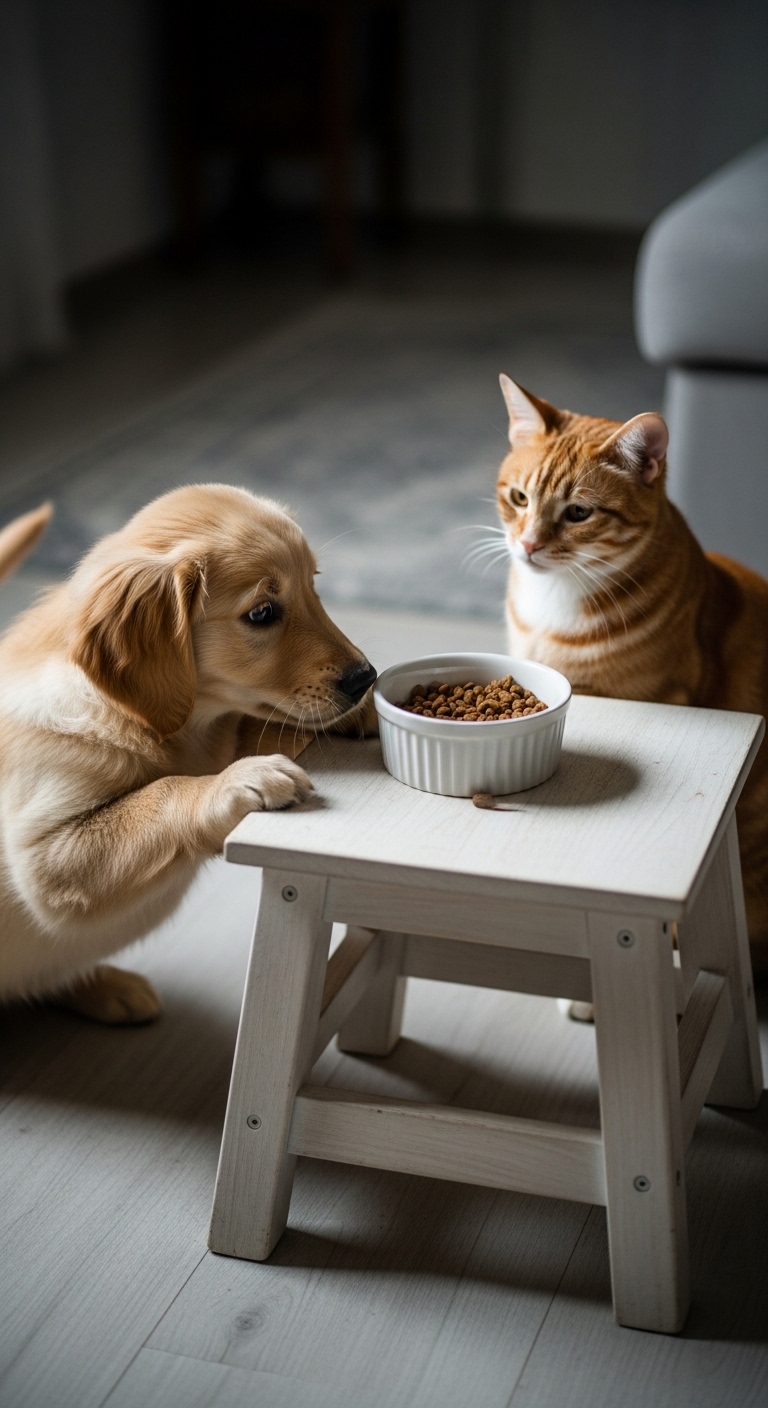
Can dogs eat scrambled eggs? It’s a question many pet owners ask, especially when looking for healthy, protein-rich treats to share with their furry friends. Eggs are a common human food, but not all human foods are safe for dogs. Knowing the right way to prepare and serve eggs can make a big difference in your dog’s diet, keeping them happy and healthy without unnecessary risks.
I remember the first time I gave my golden retriever a small piece of scrambled egg: his tail wagged nonstop, and I realized how much he loved it. But it also made me wonder if it was truly good for him or just a tasty indulgence.
Key Things to Understand
- Nutritional benefits: Eggs are a great source of protein and essential amino acids that support muscle development and energy levels in dogs
- Raw egg risks: Raw eggs can carry bacteria like salmonella, which poses health risks for both dogs and humans
- Preparation rules: Scrambled eggs should be cooked plain, without salt, butter, oil, or any seasonings that could harm your dog
- Portion control: Too much can cause digestive upset or contribute to weight gain
- Allergy potential: Some dogs may have allergies to eggs, so introduce them slowly and watch for reactions
- Dietary balance: Overfeeding eggs regularly can lead to an imbalance in your dog’s diet, replacing more complete nutrition sources
What to Look For
When preparing scrambled eggs for your dog, focus on simplicity and safety. Avoid any additives like salt, pepper, garlic, or onions, as these can be toxic to dogs. Cook the eggs thoroughly until fully set, with no runny parts, to eliminate any risk of bacteria. Watch your dog’s reaction after the first serving: some dogs may experience mild stomach upset if they’re not used to eggs, so start with a small piece and observe for 24 hours. If your dog shows signs of itching, vomiting, or diarrhea, they may have an egg allergy and should avoid them in the future. Also, consider the overall balance of your dog’s diet; scrambled eggs should be an occasional treat, not a daily meal replacement.
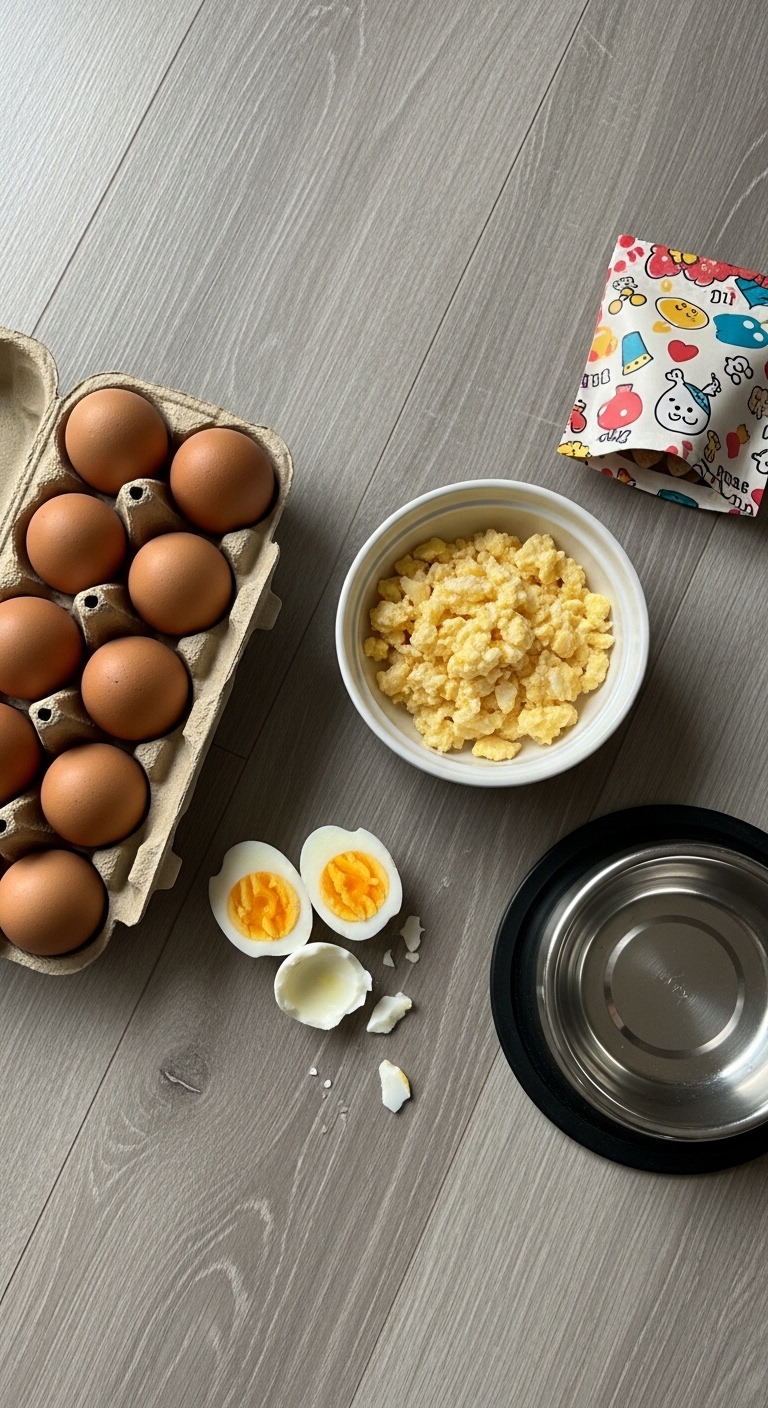
A common mistake is assuming that because eggs are healthy for humans, they’re automatically safe for dogs in any form. Another oversight is not checking for allergies before giving eggs regularly. I once saw a friend’s dog develop a rash after eating scrambled eggs every day for a week: turns out, the dog was allergic. Always introduce new foods gradually and in moderation.
Safe Serving Practices
Start with tiny portions, about a teaspoon for small dogs and a tablespoon for larger breeds. Mix scrambled eggs into your dog’s regular food for an easy, nutritious boost. If your dog loves eggs, rotate them with other protein sources like chicken or fish to keep their diet varied.
Signs of Allergic Reactions
Watch for symptoms like itching, red skin, vomiting, or diarrhea within 24 hours of feeding eggs. If any of these occur, discontinue eggs immediately and consult your vet. Mild stomach upset may resolve on its own, but persistent or severe reactions require professional attention.
Long-Term Diet Considerations
While eggs offer protein and nutrients, they should never replace balanced commercial dog food or vet-approved homemade diets. Use them as an occasional supplement (1-2 times per week max) to avoid nutritional imbalances or weight gain from excess fat.
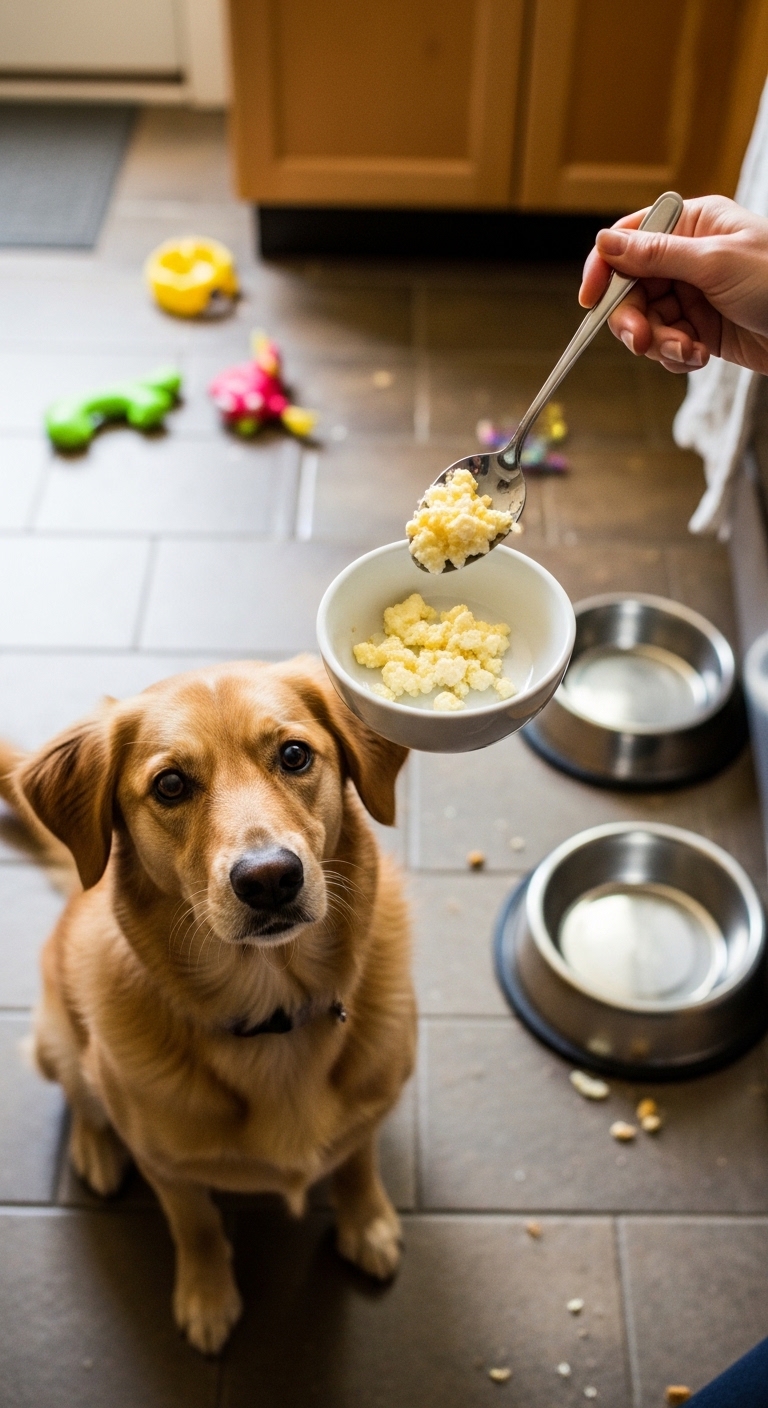
Scrambled eggs can be a wonderful occasional treat for dogs when prepared correctly. They’re easy to digest, packed with nutrients, and most dogs absolutely love the taste.
Frequently Asked Questions
- → Can dogs safely eat scrambled eggs?
Yes, dogs can safely eat scrambled eggs in moderation. Eggs are a good source of protein and healthy fats, but they should be cooked plain without any seasoning, oil, or butter.
- → How much scrambled egg can I give my dog?
For most dogs, a small portion (about one egg per 50 lbs of body weight) is sufficient. Start with a tiny amount to check for allergies or digestive issues before increasing the serving size.
- → Are raw eggs safe for dogs?
No, raw eggs are not recommended for dogs. They may contain salmonella or other bacteria that can cause food poisoning. Always cook eggs thoroughly before feeding them to your dog.
- → Can scrambled eggs help with my dog’s coat?
Yes! Eggs are rich in omega-3 fatty acids and biotin, which can promote a shiny, healthy coat and reduce skin irritation. Just ensure they’re served in moderation as part of a balanced diet.
- → What are the risks of feeding scrambled eggs to dogs?
Overfeeding scrambled eggs can lead to weight gain due to their fat content. Additionally, seasonings like salt, garlic, or onions are toxic to dogs. Always serve plain, cooked eggs in small amounts.
- → How should I prepare scrambled eggs for my dog?
Cook eggs thoroughly in a non-stick pan with no oil, butter, or seasoning. Avoid using salt, pepper, or other additives. Let them cool before serving to prevent burns.