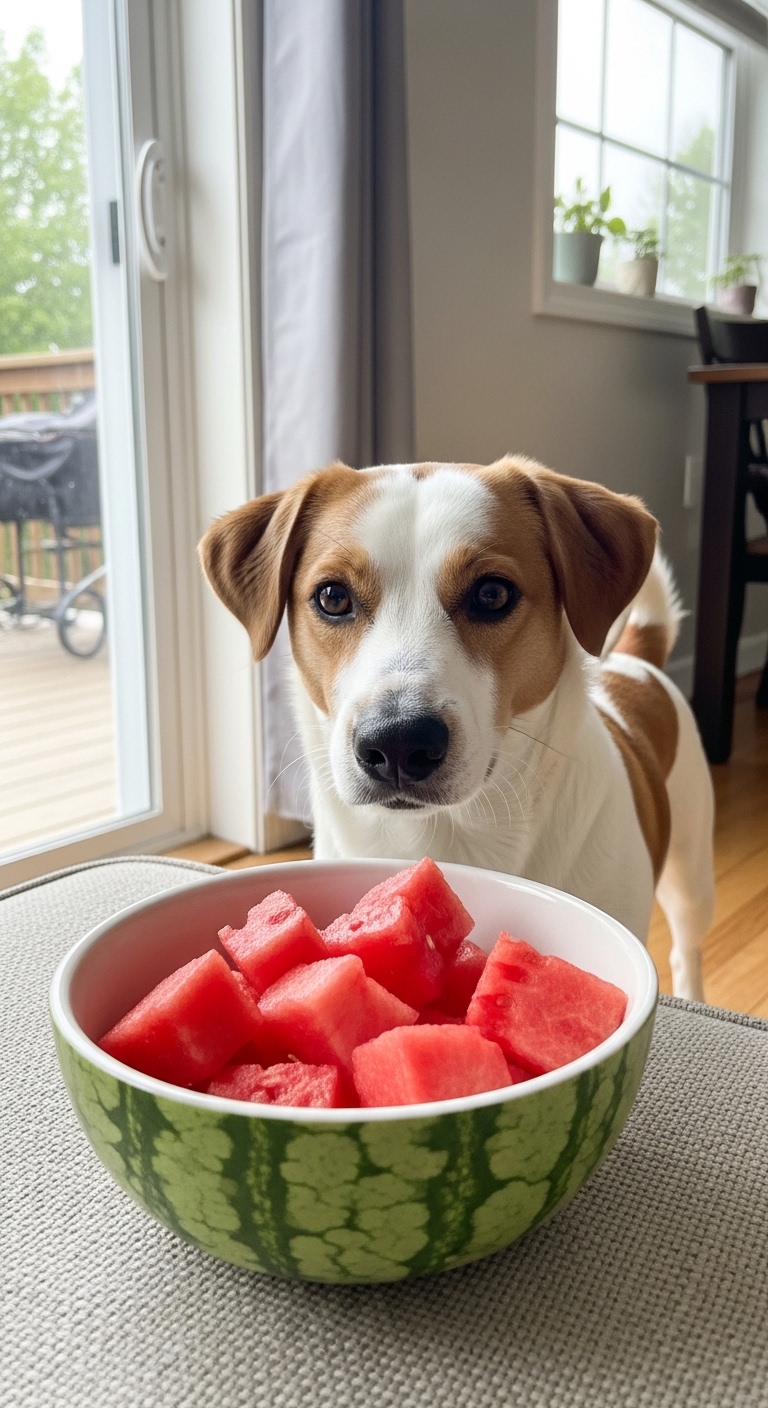
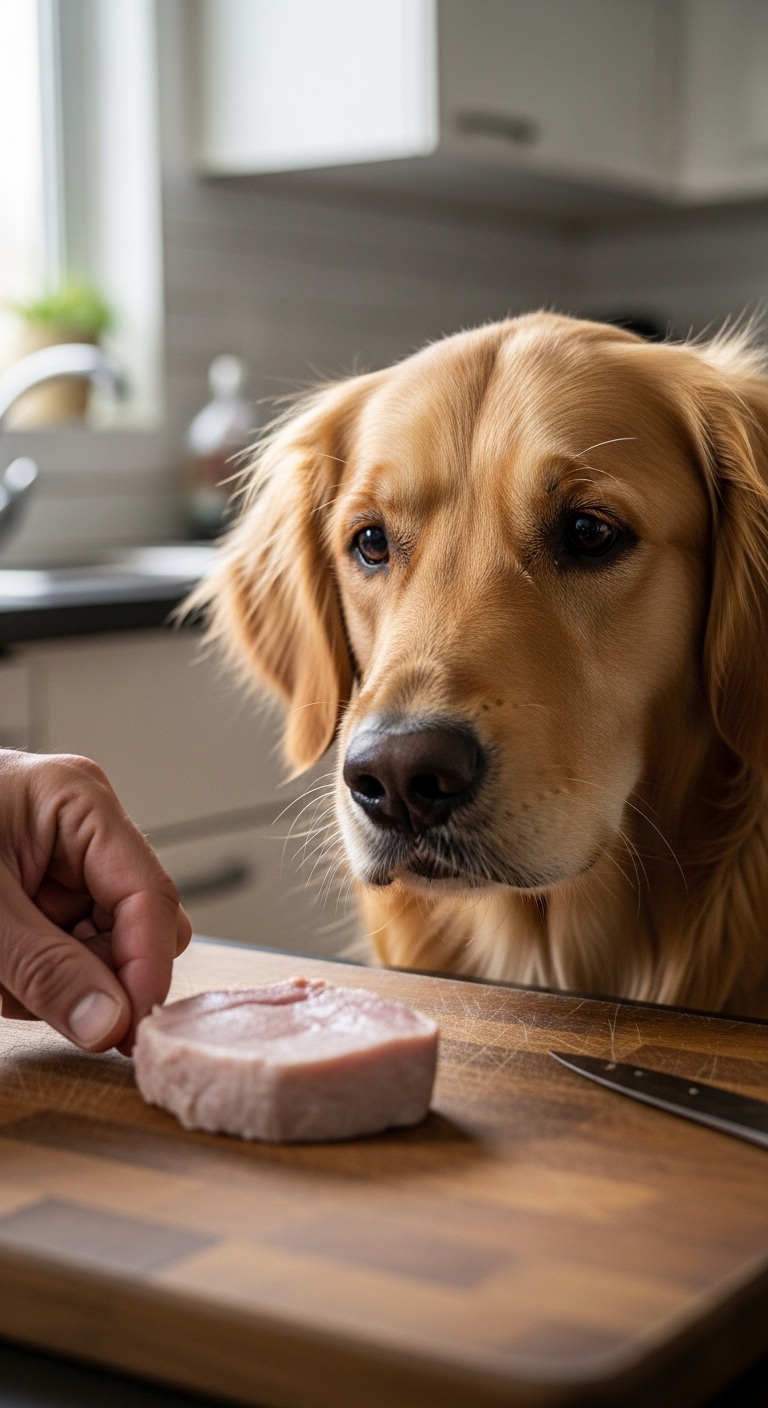
Many pet owners wonder if raw meat is safe for their dogs, especially as more people explore natural feeding options. Raw diets have gained popularity, but they come with risks and benefits that aren’t always clear. Understanding the facts helps you make an informed decision about what’s best for your dog’s health and happiness.
I remember switching my own dog to raw food after months of struggling with allergies. The change wasn’t instant, but after a slow transition, his coat became shinier and his energy levels improved noticeably.
Key Things to Understand
- Raw meat can provide natural nutrients: like proteins and healthy fats that dogs need
- Not all raw meat is safe: dogs should avoid pork and fatty cuts that can cause pancreatitis
- Bones can be dangerous: if they splinter, so always supervise your dog when feeding them
- Puppies and senior dogs: may need special considerations when eating raw food
- Raw diets require careful handling: to prevent bacterial contamination like salmonella
What to Look For
Watch for signs that your dog tolerates raw meat well, such as a shiny coat, healthy weight, and good energy levels. If your dog shows digestive upset like vomiting or diarrhea after eating raw food, it might not agree with them. Pay attention to their stool consistency: firm but not hard stools usually mean the food is digesting properly. If you notice excessive gas or bloating, it could signal that the transition to raw food is happening too quickly.
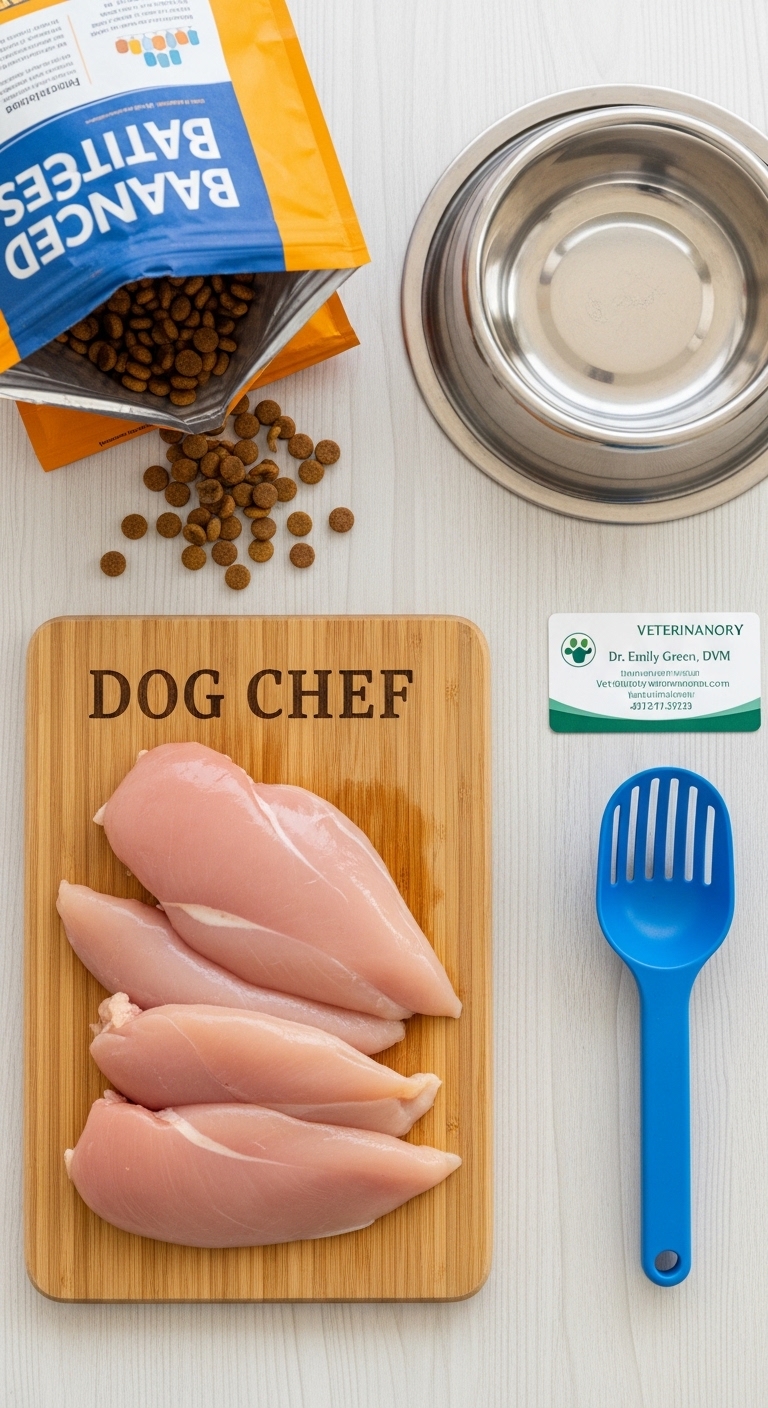
I once met a dog owner who gave their dog raw chicken straight from the fridge without washing their hands first. A few days later, the dog got sick, and the owner realized they’d accidentally passed along bacteria. Simple hygiene steps like washing hands and cleaning surfaces can prevent these issues.
Transitioning to Raw Food Safely
Start with small amounts of raw meat mixed into your dog’s regular food to avoid stomach upset. Choose lean meats like chicken or turkey first, as they’re easier to digest. Over a week or two, gradually increase the raw portion while decreasing the old food. This slow approach helps your dog’s system adjust without shock.
Signs Your Dog Isn’t Tolerating Raw Meat
If your dog becomes lethargic, loses appetite, or develops itchy skin after eating raw meat, it might be a sign of an allergy or intolerance. Diarrhea or constipation can also indicate that the food isn’t agreeing with them. Keep a food diary to track what they eat and when symptoms appear so you can pinpoint the issue.
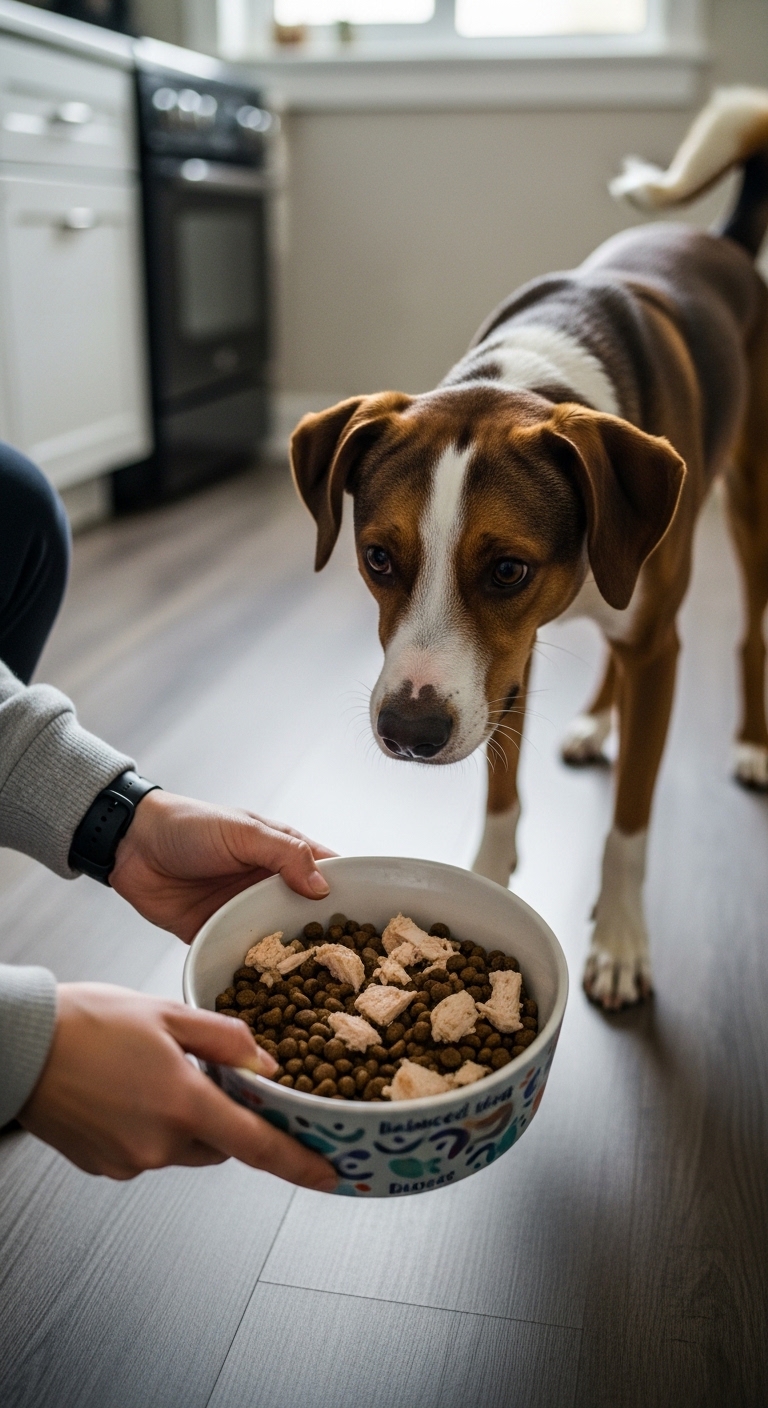
Choosing the right diet for your dog is a personal decision that should balance nutrition, safety, and their individual needs.
Frequently Asked Questions
- → Is raw meat safe for all dogs?
Not all dogs should eat raw meat. Puppies, senior dogs, pregnant or nursing dogs, and those with weakened immune systems are more vulnerable to bacterial infections. Always consult your vet before introducing raw food.
- → What are the benefits of a raw diet for dogs?
Proponents claim raw diets can improve digestion, reduce allergies, enhance coat health, and boost energy levels. Some dogs thrive on raw food, but results vary by individual.
- → What raw meats are best for dogs?
Lean meats like chicken, turkey, beef, and lamb are common choices. Organ meats (liver, kidney) provide essential nutrients, while bones should be raw and appropriately sized to prevent choking.
- → Can dogs eat raw meat every day?
While some dogs can eat raw meat daily, a balanced diet is crucial. Rotate protein sources and include supplements like omega-3s or calcium if needed. Over time, deficiencies or imbalances may occur without variety.
- → How do I transition my dog to a raw diet?
Start by mixing a small amount of raw food with their current diet, gradually increasing the ratio over 7–10 days. Monitor for digestive upset or allergies. Avoid abrupt changes to prevent stomach issues.
- → Are there risks to feeding raw meat to dogs?
Yes, risks include bacterial contamination (Salmonella, E. coli), nutritional imbalances, and choking hazards from bones. Proper sourcing, handling, and preparation are essential to minimize these risks.
- → Should I cook the meat before feeding it to my dog?
Raw feeding advocates recommend uncooked meat to preserve nutrients, but cooking can reduce bacterial risks. If you’re concerned about pathogens, lightly cook the meat while avoiding seasonings or oils harmful to dogs.