Can dogs eat watermelon rind? It’s a question that pops up every summer when fresh watermelon is in season and tails wag at the sight of a juicy slice. Many pet owners wonder if the tough green rind is safe to share or if it’s better left on the cutting board. The truth is, while the red flesh is a hydrating and vitamin-packed treat for dogs, the rind can pose risks that aren’t always obvious. Understanding what’s safe and what’s not can save you a trip to the vet and keep your pup happy and healthy all season long.
I once watched my neighbor’s dog gobble up an entire watermelon rind after it fell on the floor, only to spend the next day at the vet for an emergency blockage. It was a costly lesson that could have been avoided with a little knowledge.
Key Things to Understand
- The rind is tough and indigestible for dogs: Unlike the soft flesh which is safe in moderation.
- Choking is a real risk: Because the rind can get stuck in the throat or intestines.
- Even small pieces can cause obstructions: Especially in smaller breeds.
- The rind doesn’t provide any nutritional benefits: That the flesh doesn’t already offer.
- Some dogs might try to eat the rind out of curiosity: So supervision is key.
What to Look For
When deciding whether to share watermelon with your dog, focus on the flesh only. The rind is fibrous and dense, making it difficult for dogs to break down. Watch for signs that your dog is struggling after eating something unusual, like vomiting, diarrhea, or lethargy. If you notice these symptoms, contact your vet immediately. Also, pay attention to how your dog chews treats in general. Some dogs gulp food without chewing, which increases the risk of choking on tough pieces.
A common mistake is assuming that because a food is safe for humans, it’s safe for dogs too. Another oversight is not checking the size of the treat relative to your dog’s breed. I’ve seen dogs swallow large chunks of rind whole, leading to emergency surgeries. Always err on the side of caution and stick to the flesh only.
Why the rind is risky
The rind’s tough texture makes it hard for dogs to chew and digest properly. Unlike the soft, juicy flesh, the rind can sit in the stomach or intestines without breaking down, leading to blockages. Even if your dog seems fine after eating it, symptoms like vomiting or constipation might appear hours later. It’s better to skip the rind entirely than risk a painful and expensive vet visit.
How to safely share watermelon
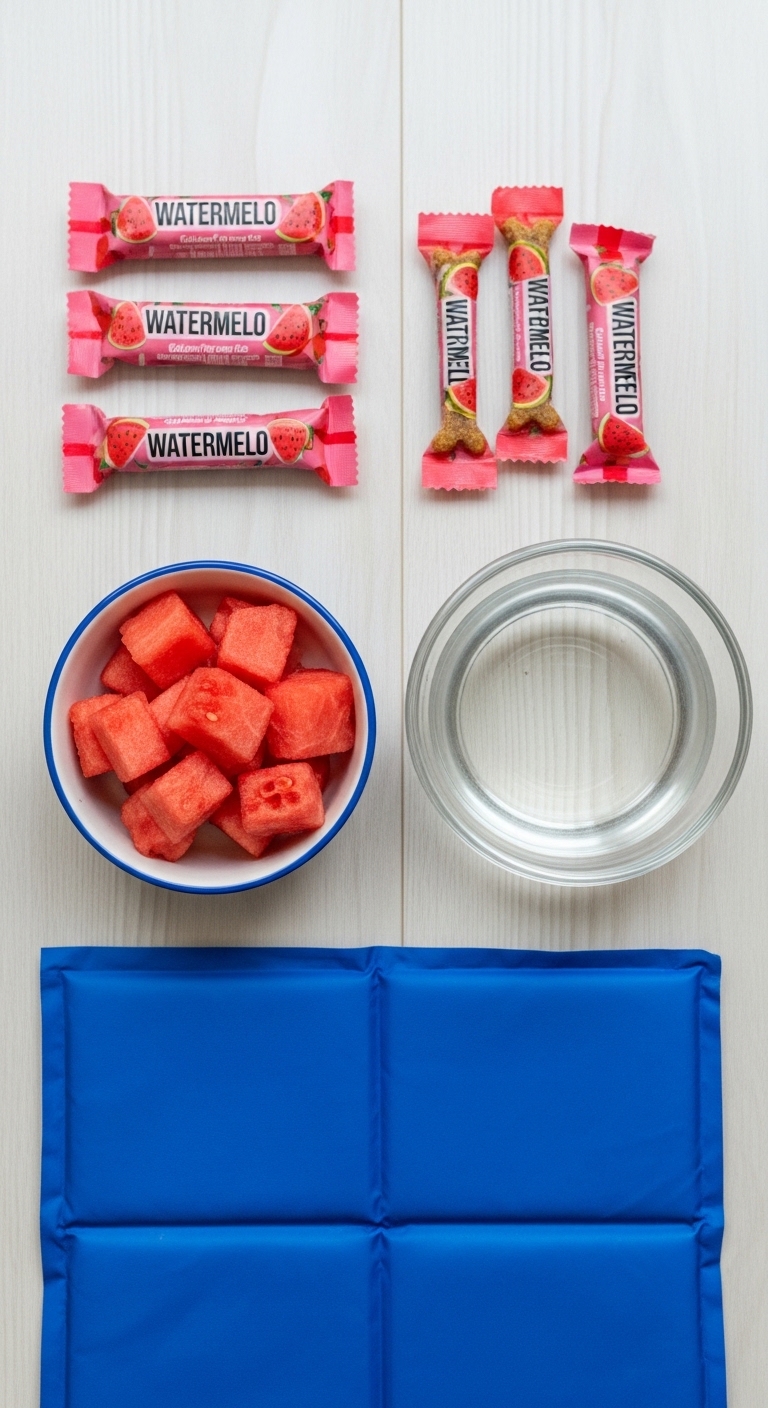
Start by cutting the watermelon into small, bite-sized pieces without the rind or seeds. Offer a tiny piece first to see how your dog reacts. If they enjoy it and don’t show any signs of discomfort, you can give them a few more pieces as an occasional treat. Always supervise your dog while they’re eating to prevent choking.
Alternatives to watermelon rind
If you’re looking for safe, crunchy snacks, try offering your dog apple slices (without seeds), carrot sticks, or cucumber pieces. These options are low-calorie, hydrating, and much easier for dogs to digest. They also provide a satisfying texture without the risks associated with watermelon rind.
Signs of trouble after eating rind
If your dog eats watermelon rind, keep an eye out for symptoms like drooling, gagging, or difficulty swallowing. Other red flags include a bloated belly, whining, or reluctance to eat their regular food. These could indicate a blockage that needs immediate attention. When in doubt, call your vet for advice.

When in doubt, stick to the flesh only. Your dog will still enjoy the sweet, hydrating treat without the risks.
Frequently Asked Questions
- → Is watermelon rind toxic to dogs?
No, watermelon rind is not toxic to dogs, but it can pose a choking hazard or cause digestive issues if not prepared properly.
- → Can dogs digest watermelon rind easily?
Dogs can digest watermelon rind, but it’s tougher than the flesh. Cutting it into small pieces helps with digestion.
- → Are there any benefits to feeding watermelon rind to dogs?
Yes, watermelon rind is high in fiber and low in calories, which can support digestion and provide a healthy snack option.
- → What are the risks of giving watermelon rind to dogs?
Risks include choking hazards from large pieces, seeds causing blockages, and excessive fiber leading to stomach upset or diarrhea.
- → How should I prepare watermelon rind for my dog?
Wash the rind thoroughly, remove all seeds, cut into small, bite-sized pieces, and serve in moderation as a treat.
- → Can puppies eat watermelon rind?
Puppies can eat watermelon rind, but it should be cut into very small pieces to prevent choking and introduced slowly to avoid digestive issues.
- → How much watermelon rind can I give my dog?
Start with small amounts, such as a few small pieces, and monitor for any adverse reactions. Moderation is key to avoid digestive upset.