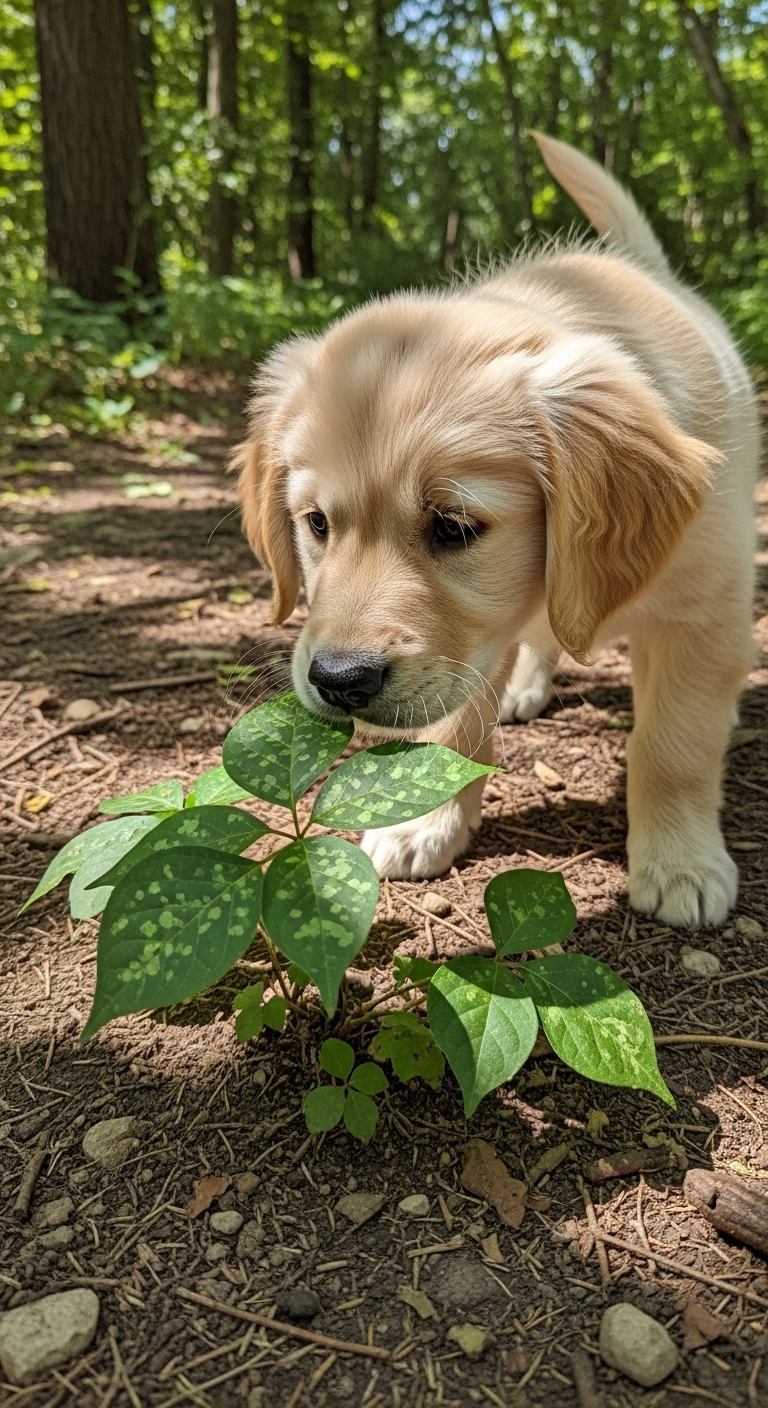
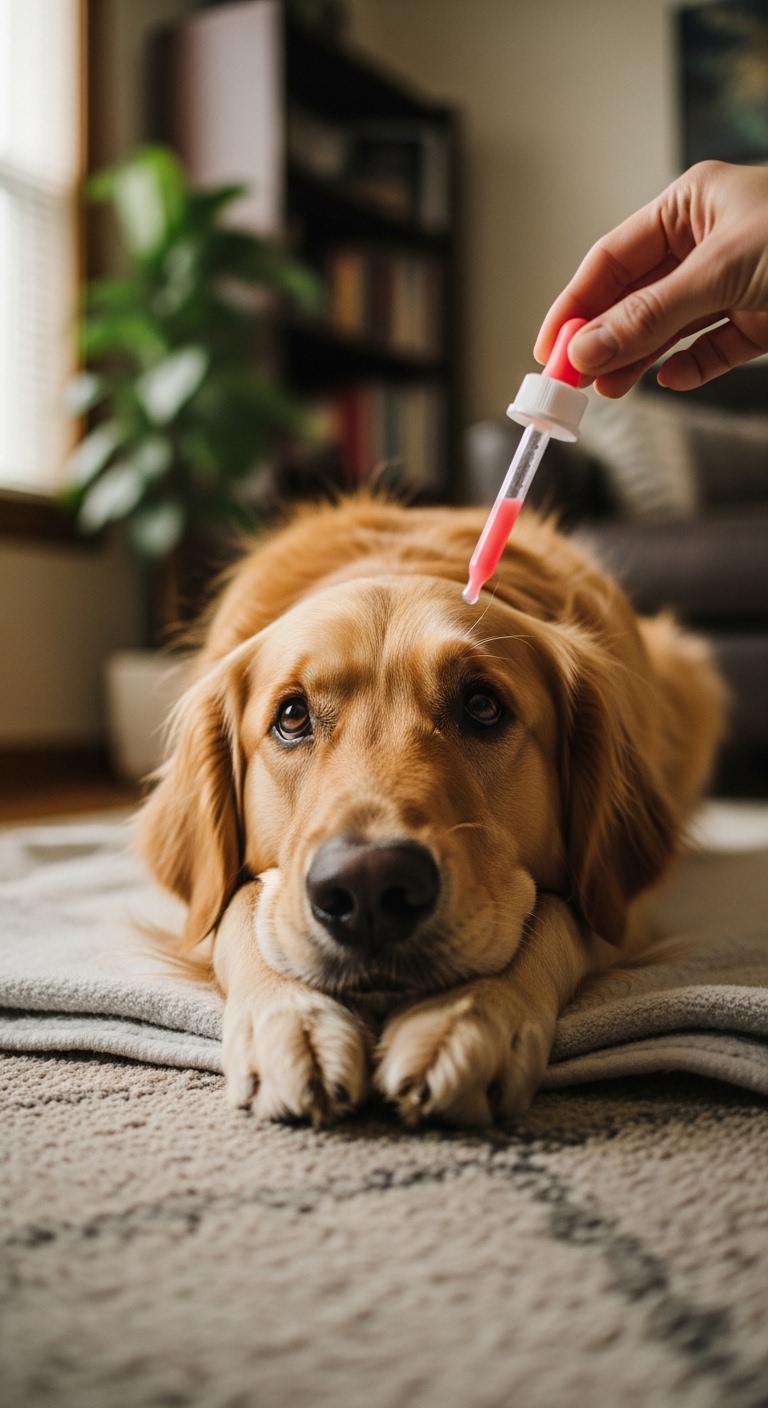
Can dogs get hiccups? It might sound funny, but hiccups in dogs are more common than you think and can actually tell you a lot about their health and habits. Many pet owners dismiss these little spasms as just a quirky moment, but they can sometimes hint at something worth paying attention to. Whether it’s excitement after a meal or a sign of something minor, understanding hiccups can help you care for your dog better and know when to take action.
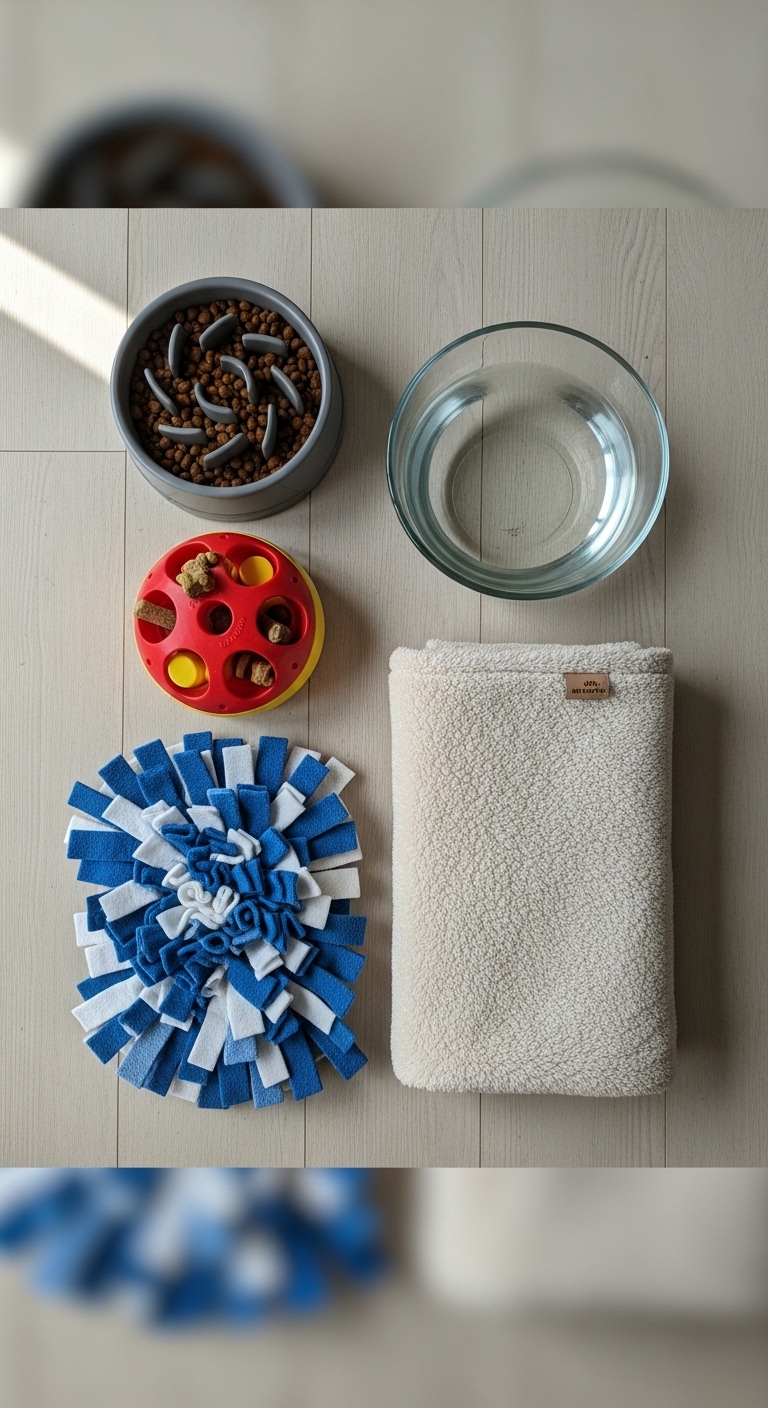
I remember my own dog, Max, getting hiccups after gulping down his food too fast. At first, I thought it was just a funny quirk, but noticing how often it happened made me realize he needed a slower feeder bowl. Small changes like that can make a big difference in their comfort.
Key Things to Understand
- Diaphragm contractions: Dogs get hiccups from involuntary contractions of their diaphragm, just like humans
- Common triggers: They’re usually harmless and often linked to eating or drinking too quickly
- Other causes: Hiccups can also happen due to excitement, stress, or sudden temperature changes
- When to consult a vet: If hiccups last longer than a few hours or happen frequently, it’s worth checking with a vet
- Breed tendencies: Some breeds are more prone to hiccups due to their size or eating habits
What to Look For
Watch for hiccups after your dog eats or drinks, especially if they tend to gulp their food down quickly. You’ll notice a rhythmic twitching in their chest or abdomen, often followed by a little bark or whimper. The sound might be soft, but the movement is usually obvious. If the hiccups seem to bother them or last longer than usual, it’s a good idea to observe their overall behavior. Are they eating normally? Do they seem lethargic or uninterested in play? These clues can help you decide if it’s just a passing moment or something more.
Sometimes hiccups happen when your dog is overly excited, like before a walk or during playtime. You might see them panting or shaking slightly before the hiccups start. It’s their body’s way of releasing a little extra energy, but it’s still worth noting how often it happens. If it becomes a daily thing, it might be time to adjust their routine or check their diet.
I once had a friend whose dog got hiccups every time they ate kibble, but it turned out the pieces were too large for him to chew properly. Switching to a smaller kibble size made the hiccups disappear completely. It’s a small change that can make a big difference in their comfort.
Why Do Dogs Get Hiccups
Hiccups in dogs are often tied to their eating habits. When they eat too fast, they swallow air along with their food, which can irritate their diaphragm and trigger those little spasms. Puppies are especially prone to this because they’re still learning how to eat properly. If your dog is a fast eater, try breaking their meals into smaller portions throughout the day or using a slow feeder bowl. It might take some getting used to, but it can reduce hiccups and even help with digestion.
Stress and excitement can also bring on hiccups. If your dog gets overly worked up during playtime or before a walk, their body might react with a few hiccups. It’s their way of releasing tension, but it’s still a good idea to keep an eye on their overall demeanor. If hiccups become a frequent thing, it might be worth looking into calming techniques or adjusting their environment to reduce stress triggers.
When to Worry About Hiccups
Most hiccups in dogs are nothing to worry about, but there are times when they could signal something more serious. If your dog’s hiccups last longer than a few hours or happen multiple times a day, it’s worth mentioning to your vet. Also, pay attention to other symptoms like coughing, wheezing, or a loss of appetite. These could indicate an underlying issue like respiratory problems or even heartworm. It’s always better to err on the side of caution and get a professional opinion if something feels off.
Another thing to watch for is hiccups that seem to worsen over time. If your dog starts getting hiccups more often or they seem to be getting more intense, it could be a sign of an irritated diaphragm or even a digestive issue. Keeping a simple log of when hiccups happen and how long they last can help you and your vet figure out if there’s a pattern worth addressing.
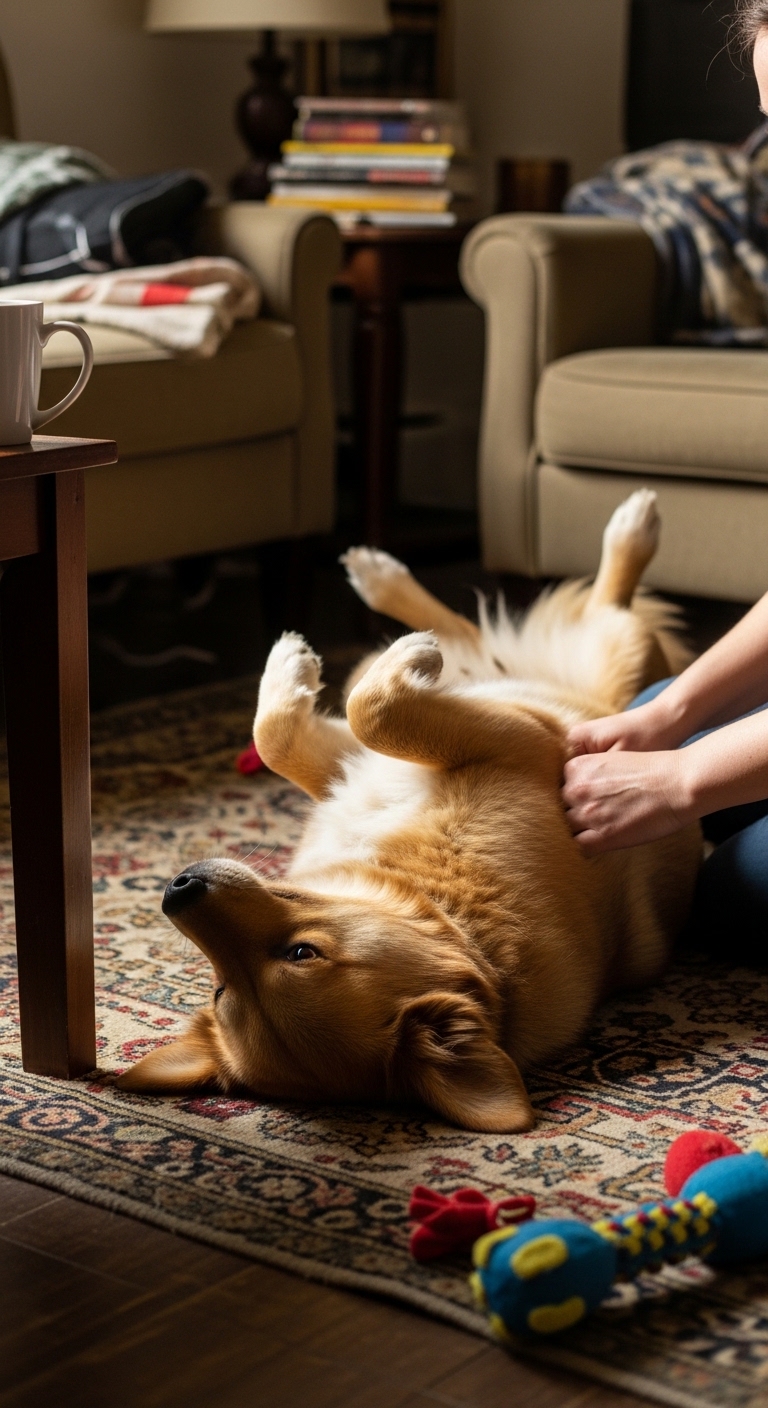
Understanding your dog’s hiccups helps you respond better to their needs, ensuring their comfort and well-being.
Frequently Asked Questions
- → Why do dogs get hiccups?
Dogs get hiccups due to diaphragm spasms, often triggered by eating or drinking too quickly, excitement, or sudden temperature changes. These spasms are usually harmless and resolve quickly.
- → How long do dog hiccups last?
Most dog hiccups last just a few minutes and go away on their own. If they persist for hours or are accompanied by other symptoms, it’s wise to check with a vet.
- → Can hiccups harm my dog?
Hiccups are typically harmless, but if they last longer than a few hours or your dog seems distressed, it’s best to consult a veterinarian to rule out underlying issues.
- → How can I stop my dog’s hiccups?
Encourage slower eating with puzzle feeders, avoid vigorous play after meals, and keep your dog calm. Most hiccups fade without intervention, so patience is key.
- → Are hiccups in dogs a sign of illness?
Occasionally, yes. While hiccups are usually harmless, persistent or frequent episodes—especially with other symptoms—may indicate gastrointestinal or respiratory issues. A vet visit is recommended if concerned.
- → Do puppies hiccup more than adult dogs?
Yes, puppies are more prone to hiccups due to their playful nature, excitement during feeding, and developing digestive systems. Their hiccups are almost always harmless and temporary.