Can dogs eat quinoa? It’s a question many pet owners ask when looking for healthy, grain-free options to add to their dog’s diet. Quinoa is packed with protein, fiber, and essential amino acids, making it a nutritious choice for humans, but is it safe for dogs too? Many people don’t realize that while quinoa can be a great addition to a dog’s meals, it needs to be prepared correctly and served in moderation. Understanding how to incorporate it safely can help you avoid digestive upset or nutrient imbalances in your pet’s diet.
I remember when I first tried adding quinoa to my dog’s dinner, I was surprised by how much she loved the texture. It became a quick go-to when I wanted to mix up her meals without spending extra on specialty dog foods.
Key Things to Understand
- Moderation is key: Quinoa is safe for dogs in moderation but should never replace a balanced diet
- Rinsing is essential: Always rinse quinoa thoroughly before cooking to remove saponins, which can cause stomach upset
- Cooked is better: Cooked quinoa is easier for dogs to digest than raw
- Gradual introduction: Introduce quinoa slowly to avoid digestive issues like bloating or diarrhea
- Avoid additives: Avoid adding seasonings, oils, or spices, as these can be harmful to dogs
- Portion control: Quinoa should only make up a small portion of your dog’s diet, not the main meal
What to Look For
When checking if quinoa is right for your dog, pay attention to how they react after eating it. Some dogs tolerate it well, while others may experience gas or loose stools, especially if introduced too quickly. Watch for signs of allergies, such as itching, redness, or ear infections, which could indicate a sensitivity. If your dog has a history of digestive issues, consult your vet before adding quinoa to their diet. Also, observe their energy levels and coat condition. If they seem more energetic or their fur looks shinier, it might be a good fit. The key is to start with small amounts and monitor their response closely.
A common mistake I see is pet owners treating quinoa like a miracle food and giving their dogs large portions daily. In reality, it’s best used as an occasional supplement. Another thing to remember is that while quinoa is safe, some dogs simply don’t like the taste or texture, and that’s okay. There are plenty of other healthy options to explore.
Daily care habits
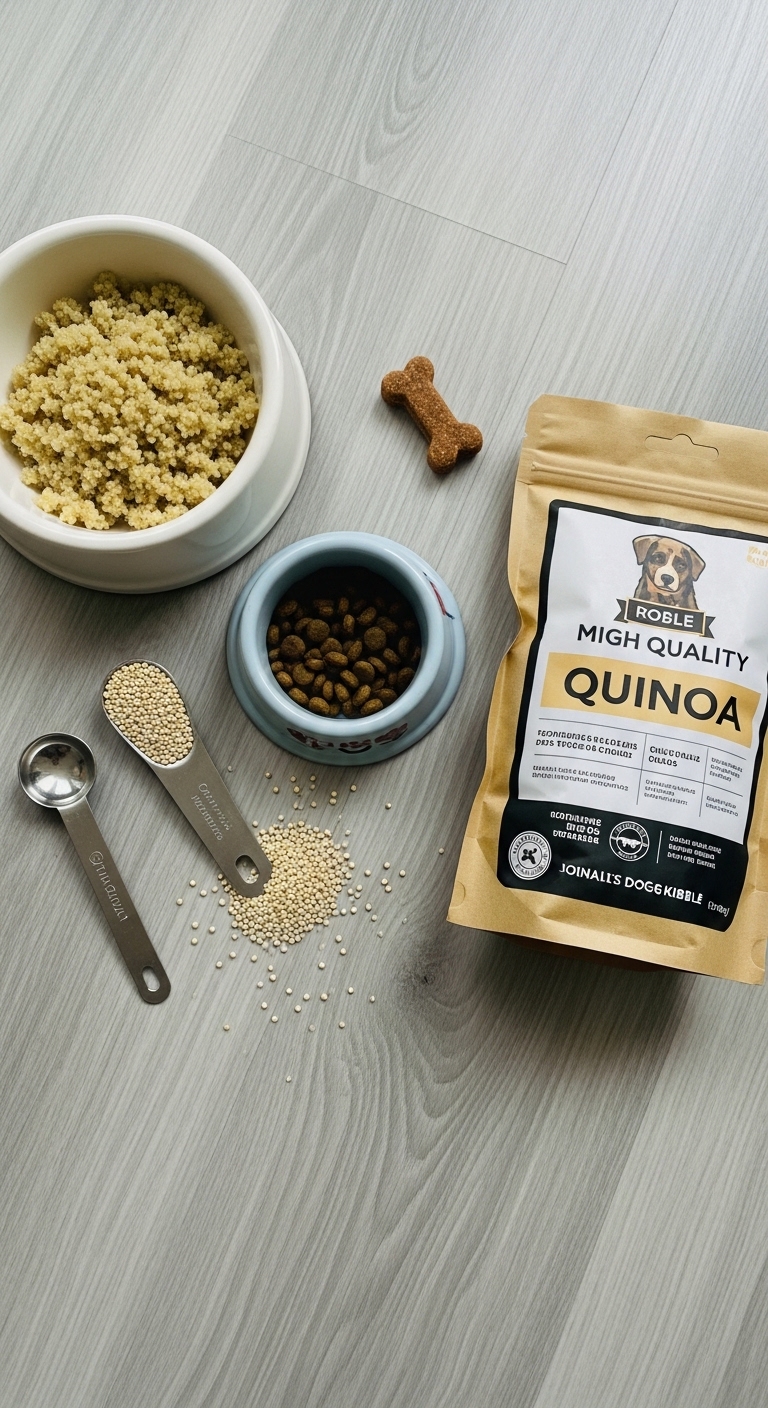
Adding quinoa to your dog’s meals can be a simple way to boost their nutrition, but consistency matters. Try mixing a spoonful into their regular food a few times a week to see how they respond. If your dog is a picky eater, quinoa can make their meals more appealing without adding unhealthy fillers. Just be sure to keep their overall diet balanced with high-quality protein and fats.
Choosing the right product
Not all quinoa is created equal. Opt for organic, unprocessed quinoa to avoid pesticides or additives that could harm your dog. Pre-cooked quinoa can be convenient, but check the label for any added ingredients like salt or garlic, which are toxic to dogs. If you’re unsure, plain, unseasoned quinoa is always the safest choice.
Safety and comfort
Before introducing quinoa, make sure your dog doesn’t have any underlying health conditions that could be affected by higher protein or fiber intake. Puppies, senior dogs, and those with chronic illnesses may need a different approach. Always introduce new foods gradually and in small quantities to avoid upsetting their stomach.

Quinoa can be a healthy addition to your dog’s diet when used correctly. Always prioritize balance and moderation for your pet’s well-being.
Frequently Asked Questions
- → Is quinoa safe for all dogs?
Quinoa is safe for most healthy dogs, but individual tolerance varies. Always introduce new foods gradually and watch for signs of digestive upset like vomiting or diarrhea. Dogs with kidney conditions should avoid high-protein foods like quinoa unless approved by a vet.
- → How should I prepare quinoa for my dog?
Rinse quinoa thoroughly to remove saponins, which can cause stomach upset. Cook it plain in water or low-sodium broth without seasoning, salt, onions, garlic, or spices. Serve it cooled and in small portions mixed with your dog's regular food.
- → Can quinoa replace my dog's regular food?
No, quinoa should not replace a complete and balanced dog food diet. It can be used as an occasional treat or supplement to provide extra protein and fiber. Always prioritize your dog's regular meals formulated for their nutritional needs.
- → How much quinoa can I give my dog?
Start with a small amount, such as 1-2 teaspoons for small dogs or 1-2 tablespoons for larger breeds, mixed into their meal. Monitor your dog's reaction and consult your vet for portion recommendations based on your dog's size and health.
- → What are the benefits of quinoa for dogs?
Quinoa is rich in protein, fiber, and essential amino acids like lysine, which supports muscle development and immune function. Its high nutrient content makes it a healthy alternative to grains for dogs with sensitivities to wheat or corn.
- → Can puppies eat quinoa?
Puppies can eat quinoa in moderation, but it should not be a staple. Ensure it's cooked plain and introduced gradually. Puppies have different nutritional needs than adult dogs, so consult your vet before adding quinoa to their diet.