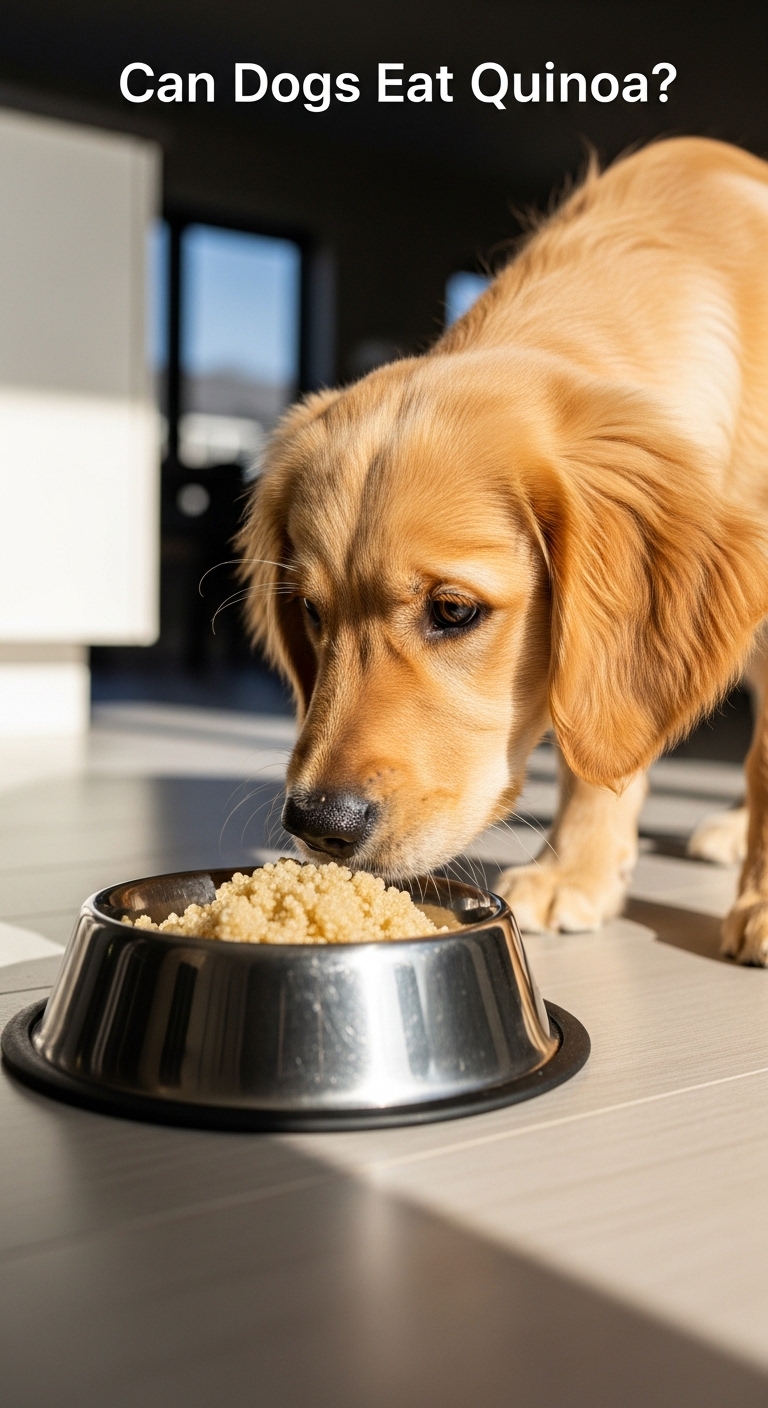
Can dogs eat mustard? It’s a question that pops up more often than you’d think, especially when you’re making a sandwich and your pup gives you those big, hopeful eyes. Mustard isn’t inherently toxic to dogs, but it’s not exactly a health food for them either. The real concern lies in the ingredients some types of mustard contain: things like garlic, onion, or high levels of sodium that can be harmful. Even plain mustard can upset their stomach if they eat too much. So while a tiny lick of plain yellow mustard might not hurt, it’s best to keep it out of reach and stick to dog-safe treats instead.
I once watched a friend’s dog gobble up a whole slice of bologna sandwich, mustard and all, only to spend the next few hours looking miserable. It’s easy to forget how sensitive their systems are compared to ours.
Key Things to Understand
- Plain yellow mustard in small amounts: unlikely to poison your dog but can still cause stomach upset
- Mustard seeds and powder: generally safe in tiny quantities but not worth the risk for regular feeding
- Flavored mustards: like honey mustard or Dijon often contain garlic, onion, or high salt which are toxic to dogs
- Spicy mustards: with ingredients like horseradish can irritate their digestive system
- Prepared mustard: even a small amount could trigger vomiting or diarrhea in sensitive dogs
What to Look For
Watch for signs of discomfort after your dog eats something with mustard. Restlessness, drooling, or licking their lips can mean their stomach isn’t happy. If they start vomiting or have diarrhea, it’s a clear sign they need to see a vet. Pay attention to the ingredient list on any mustard product: garlic and onion are sneaky but dangerous additions. Also, notice how your dog reacts to different foods. Some dogs can handle a tiny taste of plain mustard without issues, while others might get sick from even a small amount. If your dog has a sensitive stomach or pre-existing health conditions, it’s safer to avoid mustard entirely.
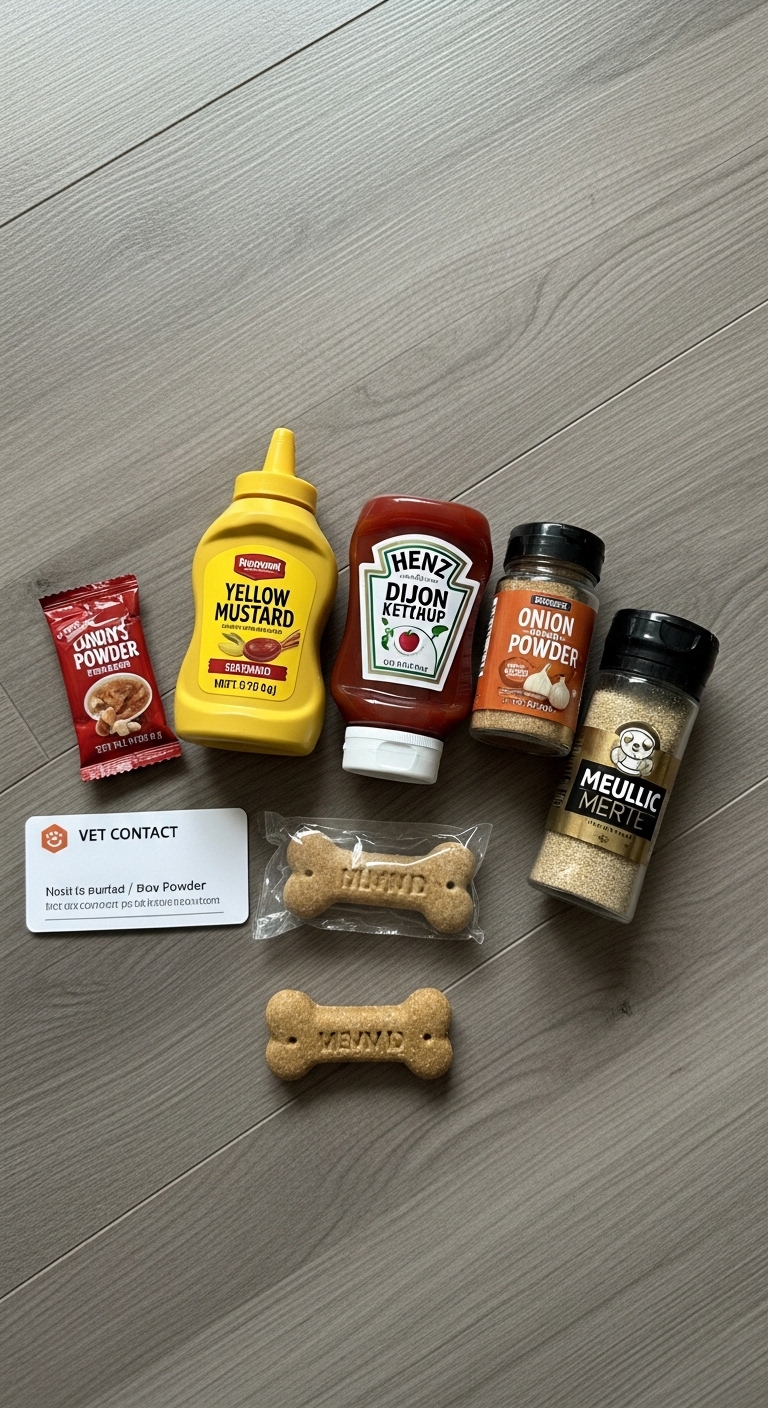
It’s easy to assume that because mustard isn’t listed as a top toxin, it’s fine in any amount. But I’ve seen cases where dogs developed pancreatitis after eating fatty foods with mustard, proving that even minor ingredients can contribute to bigger health issues over time.
Safe Alternatives to Mustard for Dogs
If you’re looking to add flavor to your dog’s food, skip the mustard and try something safer. Plain yogurt or a small spoon of pumpkin puree can add a tasty twist without the risks. For dogs who love a little tang, a tiny bit of plain cooked carrots or green beans can be a great substitute. Always introduce new foods slowly to see how your dog reacts. If they have a sensitive stomach, it’s best to keep flavors simple and avoid anything with added spices or seasonings.
Why Some Dogs Crave Unusual Foods
Dogs explore the world with their mouths, and that includes tasting things they shouldn’t. If your dog is always sniffing around your plate, it might be curiosity rather than hunger. Some dogs are drawn to strong flavors like mustard because they’re intense and noticeable. But just because they want it doesn’t mean it’s good for them. Redirecting their attention to a dog-safe treat can help break the habit over time.
When to Call the Vet After Mustard Exposure
If your dog eats a large amount of mustard or a flavored variety with garlic or onion, don’t wait for symptoms to appear. Call your vet immediately, especially if your dog is small or has health issues. Signs like lethargy, pale gums, or difficulty breathing are red flags that require urgent care. Even if your dog seems fine at first, keep an eye on them for the next 24 hours. Sometimes symptoms take time to show up, and early intervention can make all the difference.
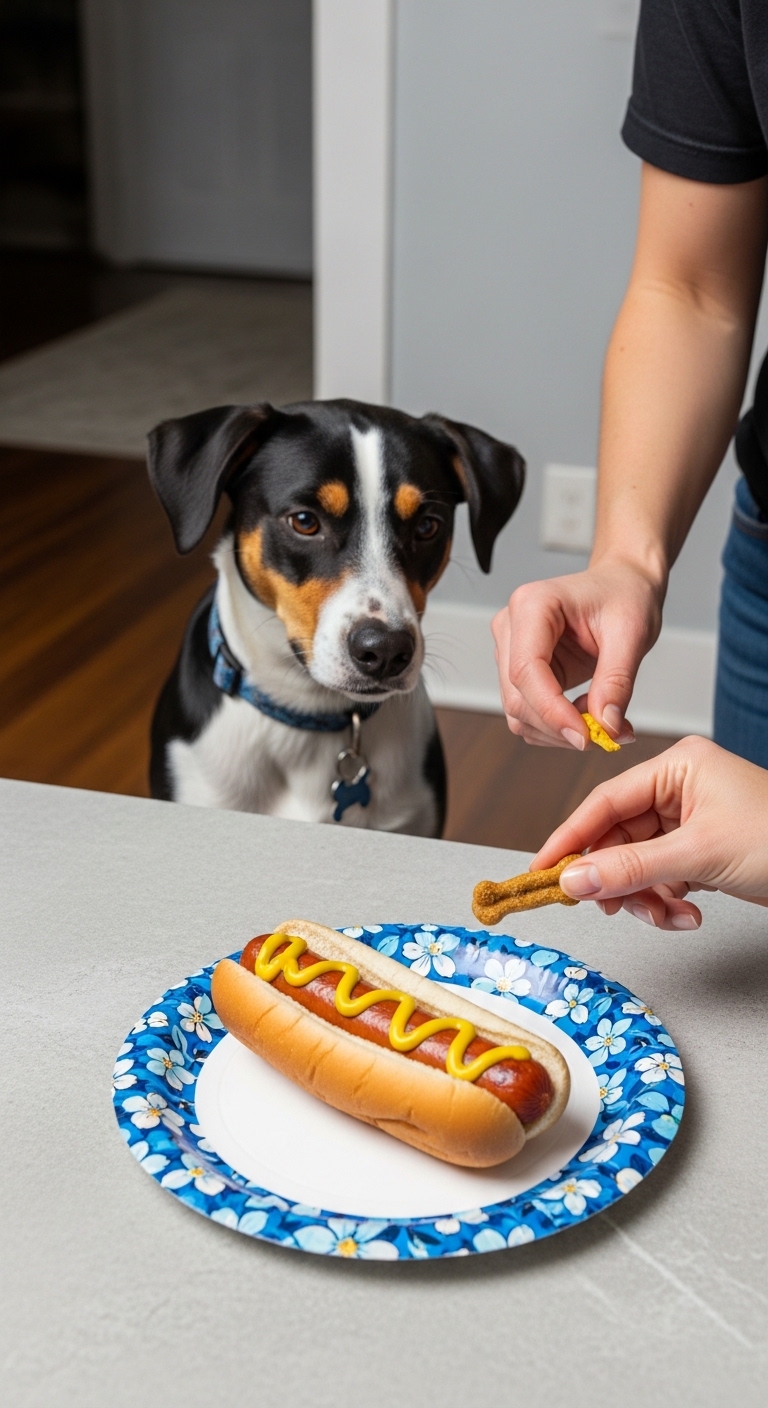
When in doubt, always choose caution over curiosity. Your dog’s health is worth more than a momentary taste of mustard.
Frequently Asked Questions
- → Is mustard toxic to dogs?
Mustard itself isn’t highly toxic, but many commercial mustards contain harmful ingredients like garlic, onion, or high sodium levels that can cause digestive issues or even poisoning in dogs. Plain mustard seeds in minimal amounts may not harm, but prepared mustards are risky.
- → What happens if my dog eats mustard?
If your dog eats mustard, they may experience mild to severe symptoms depending on the amount and ingredients. Common signs include vomiting, diarrhea, drooling, abdominal pain, or lethargy. In severe cases, mustard with additives like xylitol can lead to poisoning requiring veterinary attention.
- → Can dogs have a little mustard occasionally?
Occasional tiny amounts of plain mustard seeds are unlikely to harm most dogs, but prepared mustard should be avoided entirely. Even small servings of commercial mustard can cause stomach upset due to high sodium or spices. It’s best to skip it altogether for your pet’s safety.
- → What are safe alternatives to mustard for dogs?
Safe and tasty alternatives include plain cooked chicken or turkey broth (low-sodium), a small dollop of plain yogurt, or dog-safe herbs like parsley or basil. These add flavor without the risks associated with mustard or its additives.
- → How much mustard is dangerous for a dog?
The danger depends on the mustard type and your dog’s size. Even a teaspoon of prepared mustard can cause issues in small dogs, while larger dogs may tolerate slightly more. Always avoid mustard with garlic, onion, or xylitol, and contact your vet if ingestion occurs.
- → What should I do if my dog eats mustard?
Monitor your dog for symptoms like vomiting, diarrhea, or lethargy. If they show severe signs or ingested a large amount, contact your vet immediately. Bring the mustard packaging to help identify harmful ingredients. In most cases, small accidental ingestions may only require observation.