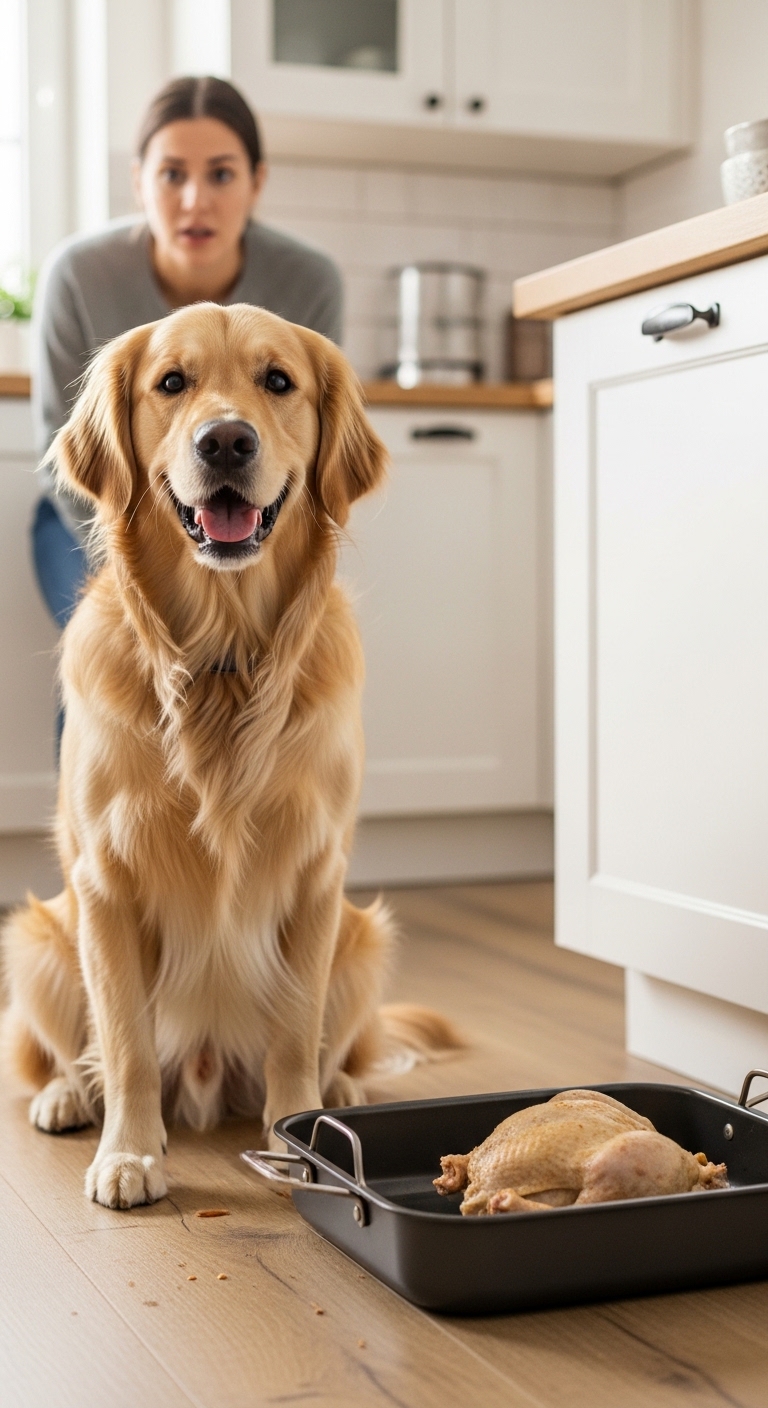
Can dogs eat french fries? It’s a question that pops up whenever you’re sharing a snack and your pup gives you those big, hopeful eyes. While it might seem harmless to toss a fry their way, the truth is more complicated than you’d think. Fries aren’t toxic, but they’re far from a healthy treat and the risks might surprise you. Understanding what’s really in that golden pile can help you make better choices for your dog’s diet and long-term health.
I’ve seen too many dogs end up at the vet after eating too many fries, only to have owners say they had no idea it could be a problem. A little knowledge goes a long way.
Key Things to Understand
- Fries are high in fat and salt: which can lead to pancreatitis or sodium ion poisoning in dogs
- The oil and seasonings used in frying: can cause stomach upset or even allergic reactions
- Potatoes themselves aren’t toxic: but the way they’re prepared makes them risky
- Even plain, unseasoned fries: aren’t nutritionally beneficial for dogs and can contribute to weight gain
- Some dogs are more sensitive than others: so what’s fine for one pup might cause issues for another
What to Look For
Watch for signs of digestive upset like vomiting or diarrhea if your dog sneaks a fry or two. These symptoms usually appear within a few hours and can range from mild to severe depending on how much was eaten and your dog’s size. If you notice lethargy, excessive thirst, or a swollen abdomen, it’s worth calling your vet to be safe. Keep in mind that some dogs will beg for more even after they’ve had enough, so it’s up to you to set the boundaries.
You should also pay attention to how your dog reacts to different types of fries. Plain, unseasoned fries are less risky than those loaded with salt, cheese, or spices, but they’re still not a good choice. If your dog has a sensitive stomach or a history of pancreatitis, it’s best to avoid fries altogether. Even small amounts can trigger flare-ups in some dogs, so err on the side of caution.
If your dog has eaten fries before without any issues, that doesn’t mean it’s safe to keep doing it. Some dogs can handle small amounts occasionally, but it’s still not a good habit. I once saw a dog develop chronic pancreatitis after years of sneaking fries from the table. The owner thought it was fine because the dog never showed immediate symptoms, but the damage built up over time. It’s better to be safe than sorry.
Safer Alternatives
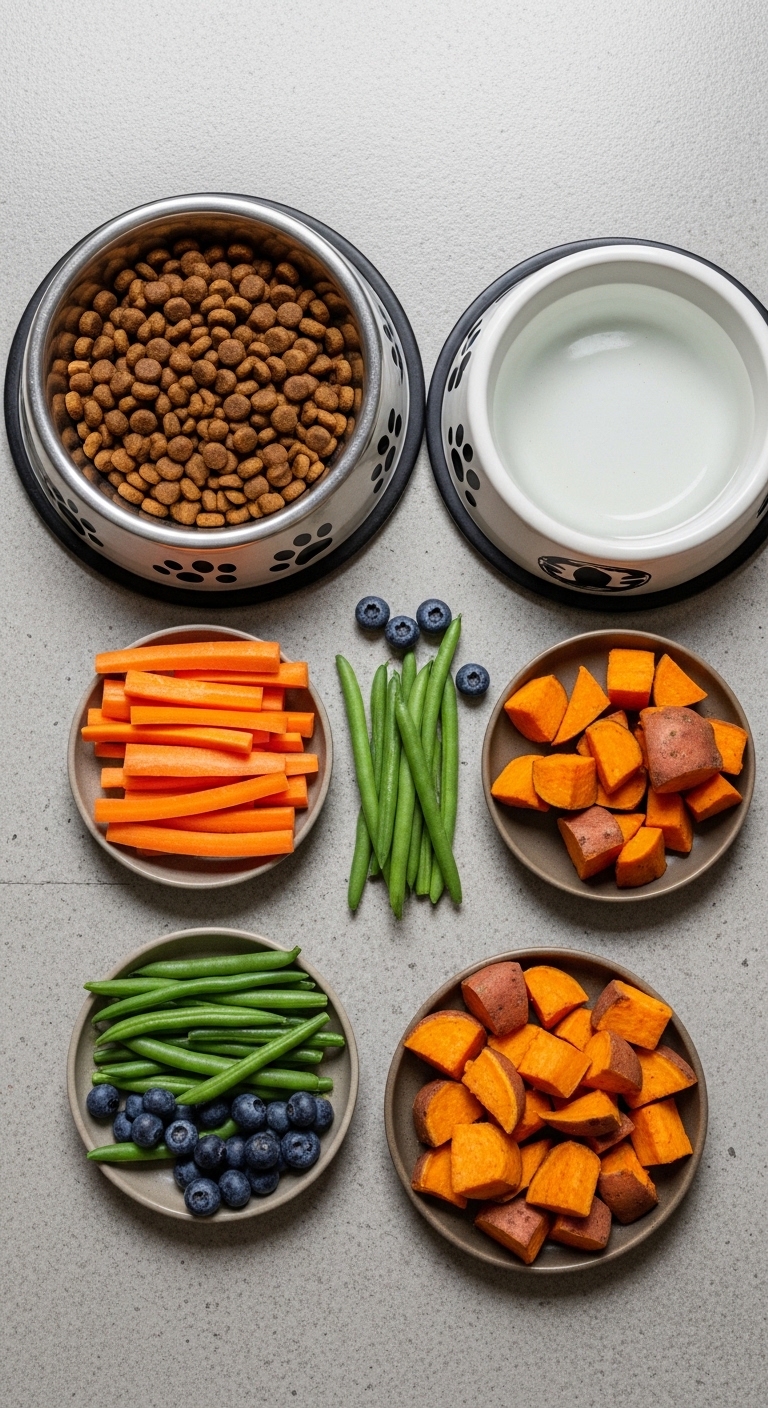
If you want to share a treat, try plain, boiled potato pieces without any seasoning instead of fries. Always keep an eye on your dog after they’ve eaten something new to catch any reactions early. Train your dog to stay off the table or away from your plate to prevent sneaky snacking.
Long-Term Health Considerations
French fries might be a staple in your snack rotation, but they don’t belong in your dog’s. Even if your pup acts like they’re starving for a fry, it’s okay to say no. There are plenty of dog-safe treats that will satisfy their craving without the risks.

Your dog’s long-term health is worth more than a moment of indulgence.
Frequently Asked Questions
- → Can dogs eat french fries safely?
Dogs can eat french fries in very small amounts, but they are not a healthy or recommended snack. The high fat and salt content can lead to health issues like pancreatitis or sodium ion poisoning over time.
- → What happens if my dog eats too many french fries?
Eating too many french fries can cause digestive upset, vomiting, diarrhea, or even pancreatitis due to the high fat content. Seasonings like garlic or onion are also toxic and should be avoided.
- → Are plain potatoes safer for dogs than french fries?
Yes, plain boiled or baked potatoes without seasoning are a safer option for dogs. Ensure they are served in moderation and without any additives like butter, salt, or spices.
- → What are the signs of french fry toxicity in dogs?
Watch for symptoms like vomiting, diarrhea, excessive thirst, lethargy, or loss of appetite. If your dog shows severe symptoms, contact your veterinarian immediately.
- → Can dogs eat sweet potato fries instead?
Sweet potato fries (without seasoning) can be a healthier alternative to regular french fries. They are lower in fat and provide more nutrients, but should still be given in moderation.
- → How should I respond if my dog steals french fries?
If your dog steals a small piece of french fry, monitor them for any adverse reactions. Avoid feeding them intentionally, and stick to dog-safe treats instead.