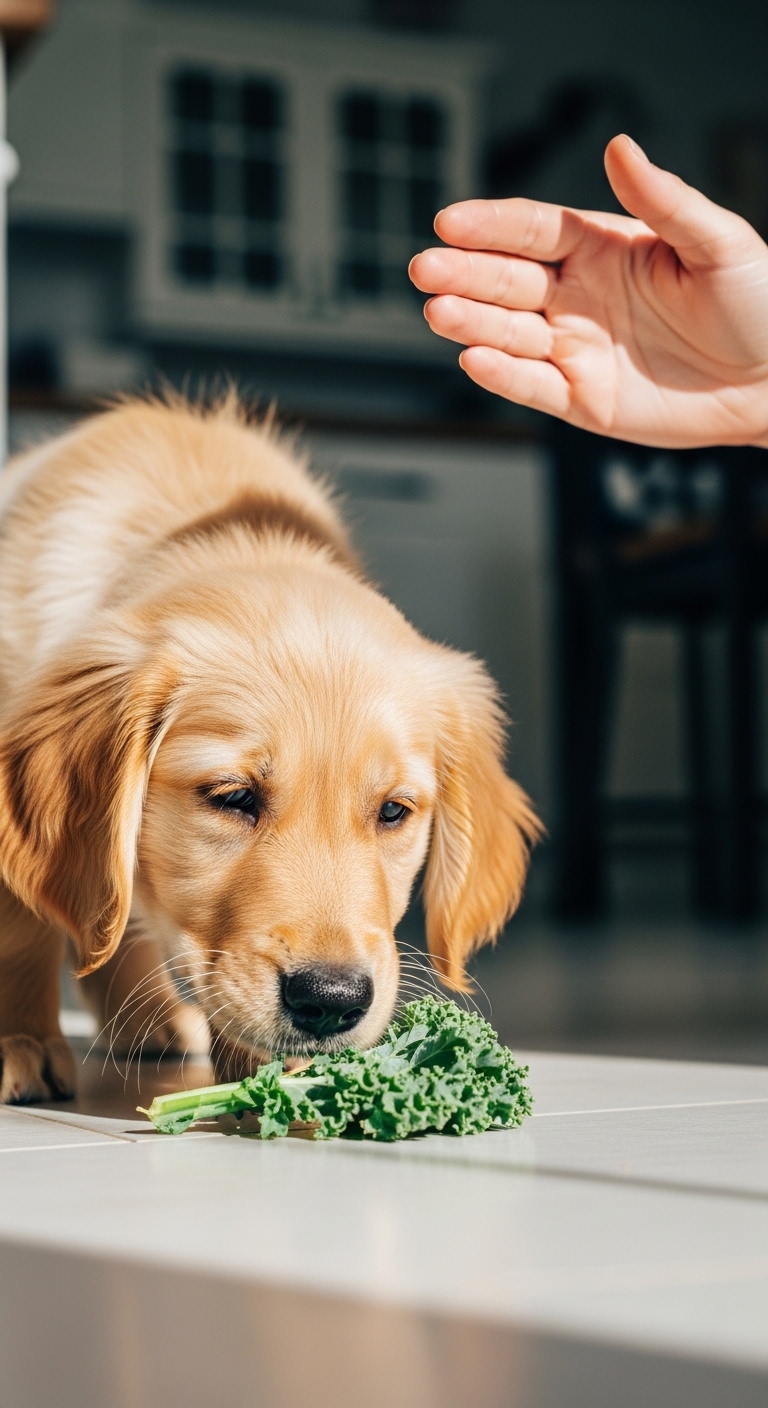
Chicken bones seem like a harmless treat to toss your dog, but they can turn into a serious problem faster than you think. Many pet owners don’t realize how dangerous cooked bones can be, even if they’ve given them before without issues. A single splinter can cause choking, internal tears, or blockages that require emergency surgery. Understanding the risks helps you keep your dog safe while still enjoying shared meals.
I once gave my neighbor’s dog a leftover chicken bone after dinner, thinking it was fine since they’d done it before. Within hours, the dog was in distress, and the emergency vet confirmed a partial obstruction. That moment changed how I approach human food around pets.
Key Things to Understand
- Cooked chicken bones become brittle and easily splinter: creating sharp edges that can pierce your dog’s mouth, throat, or intestines
- Small bones or fragments can get lodged: in the throat, stomach, or intestines, blocking digestion and requiring surgery
- Raw bones are softer and less likely to splinter: but they still carry risks like choking or bacterial contamination
- Even large bones can cause problems: if your dog tries to swallow them whole or chews aggressively
What to Look For
Watch how your dog chews bones: if they’re gulping large pieces or swallowing without proper grinding, they’re at higher risk for blockages. Notice if your dog seems overly excited about bones, as this can lead to aggressive chewing that increases splintering. Check the size of the bone relative to your dog’s mouth: anything that can’t be held securely between their paws is too small. Pay attention to your dog’s stool after giving bones: if you see blood or unusual shapes, it could indicate internal damage. Also observe their behavior for signs of discomfort like pacing, whining, or reluctance to lie down, which might point to an issue.
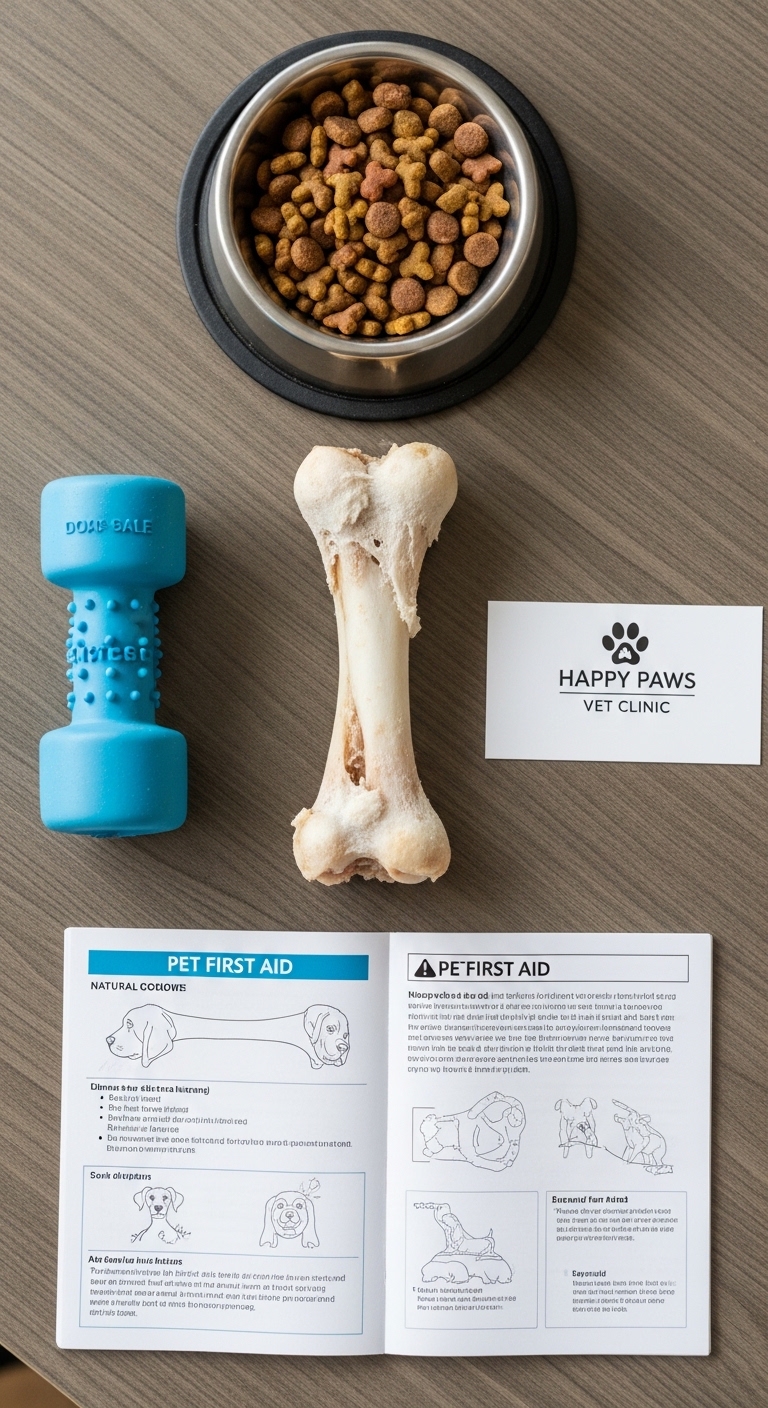
I’ve seen dogs suffer for hours after eating bones because owners assumed they’d be okay. The worst cases aren’t always the obvious emergencies: sometimes it’s the subtle changes in behavior that reveal the real problem. Always err on the side of caution when it comes to bones and your dog’s safety.
Safer Alternatives to Chicken Bones
Instead of chicken bones, consider these options that satisfy your dog’s chewing instincts without the risks. Large, raw meaty bones like beef femurs can be safer because they’re softer and less likely to splinter. Commercial dental chews designed for dogs provide similar benefits without the danger of bone fragments. Frozen carrots or apple slices make great low-calorie treats that most dogs love. Always supervise your dog with any chew to ensure they’re not biting off pieces they can’t swallow.
How Bones Affect Different Dog Sizes
Small dogs have higher risks with bones because their throats and digestive systems are more delicate. Large breeds can handle bigger bones but may still suffer from blockages if they swallow pieces whole. Toy breeds should never be given bones larger than their mouth can comfortably hold. Medium-sized dogs fall somewhere in between, but their chewing habits still require careful monitoring. Adjust the bone size to your dog’s breed and weight to minimize risks.
Signs Your Dog Needs Immediate Vet Care
If your dog is choking, gagging, or pawing at their mouth after chewing a bone, don’t wait: get them to the vet right away. Vomiting, especially with blood or unusual colors, is a clear emergency sign. Diarrhea that persists for more than a day or contains blood warrants a vet visit. Lethargy combined with loss of appetite suggests your dog isn’t feeling well and needs professional attention. Any swelling in the neck or abdomen after bone chewing is cause for concern.
Bones can be risky, but with the right knowledge, you can keep your dog safe and happy.
Frequently Asked Questions
- → Are cooked chicken bones safe for dogs?
No, cooked chicken bones are dangerous for dogs. They splinter easily, creating sharp fragments that can cause choking, mouth injuries, or life-threatening intestinal blockages. Always avoid feeding cooked bones to your pet.
- → Can dogs eat raw chicken bones?
Raw chicken bones are softer and less likely to splinter, but they still carry risks like bacterial contamination (e.g., salmonella) or dental damage. Supervise your dog closely and introduce bones gradually to monitor their reaction.
- → What should I do if my dog eats chicken bones?
Monitor your dog for symptoms like vomiting, diarrhea, lethargy, or constipation. If you suspect an obstruction or your dog shows severe signs, contact your vet immediately. Do not induce vomiting unless instructed by a professional.
- → Are there safer alternatives to chicken bones?
Yes, safer options include commercial dental chews, bully sticks, or large raw meaty bones (like femur bones) designed for dogs. Always choose size-appropriate options and supervise chewing sessions.
- → How can I prevent my dog from eating chicken bones?
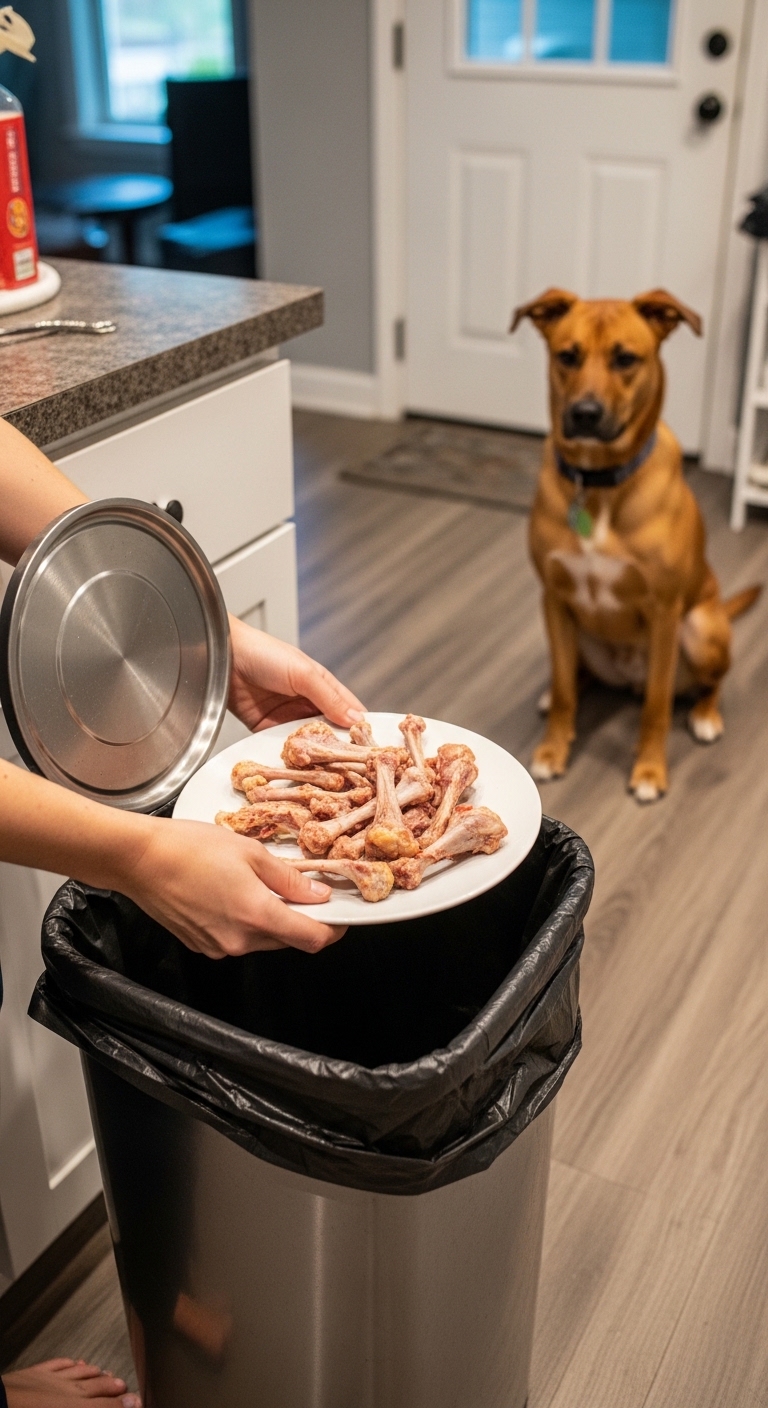
Keep cooked bones out of reach, dispose of them securely, and train your dog with commands like 'leave it.' Provide approved chew toys to redirect their interest away from human food scraps.
- → Do chicken bones provide nutritional benefits?
Chicken bones contain calcium and phosphorus, but the risks usually outweigh the benefits. A balanced commercial diet or vet-approved supplements are safer ways to meet your dog’s nutritional needs.