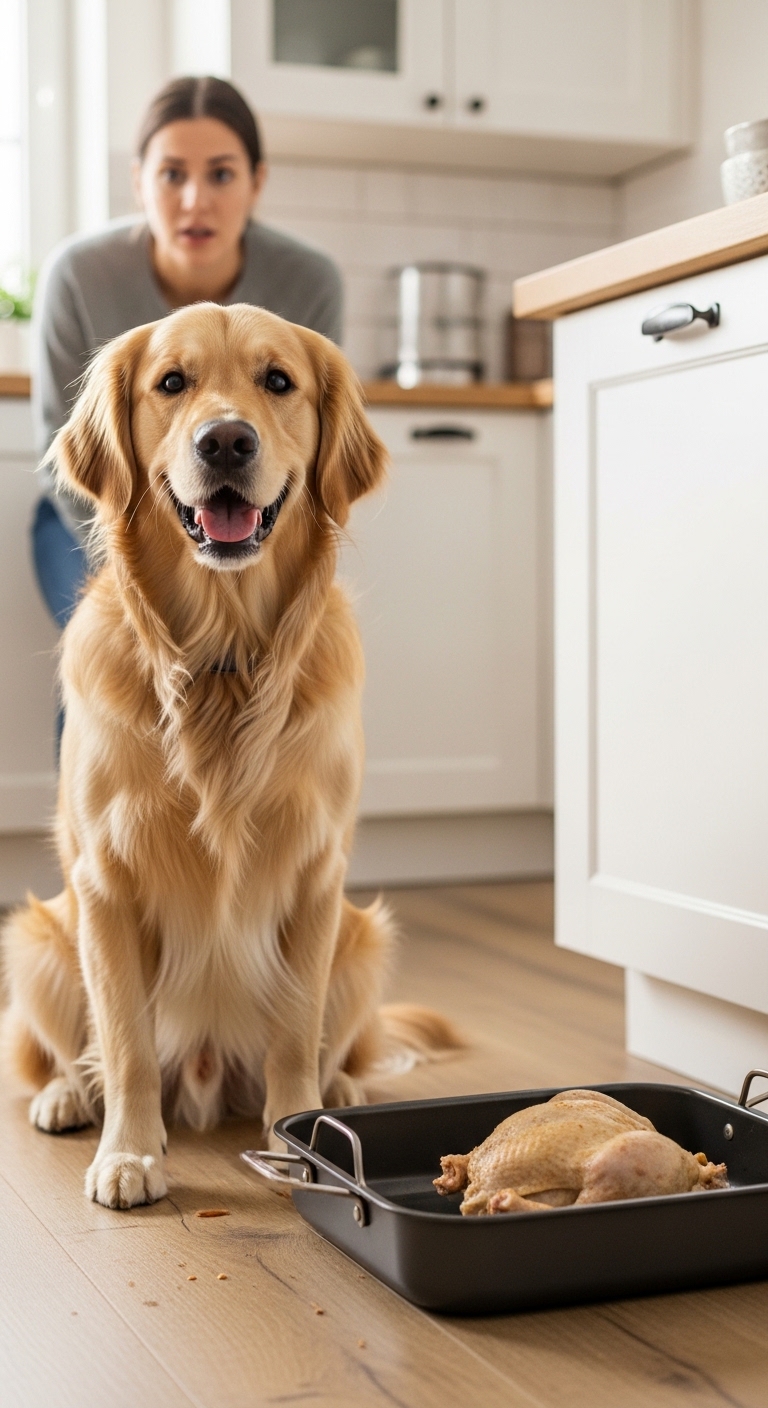
Can dogs eat brown rice? It’s a question many pet owners ask when looking for healthy, budget-friendly ways to supplement their dog’s diet. Brown rice is a whole grain packed with fiber and nutrients, but is it safe for dogs? The answer isn’t as simple as yes or no: it depends on how it’s prepared and served. Many pet owners turn to brown rice as a gentle option for dogs with sensitive stomachs or as a filler in homemade meals. But before you swap out your dog’s regular kibble for a bowl of brown rice, there are a few key things to consider.
I remember when my neighbor’s dog, Max, started getting frequent stomachaches. His owner switched him to plain brown rice for a few days, and his digestion improved noticeably. But they learned the hard way that seasonings or oils in the rice could make things worse. Small adjustments made a big difference.
Key Things to Understand
- Brown rice is safe for dogs in moderation: but should never replace a balanced diet
- It’s high in fiber: which can help with digestion but may cause loose stools if overfed
- Always serve plain, cooked brown rice: without any seasonings, oils, or additives
- Introduce brown rice slowly: to avoid upsetting your dog’s stomach
- Consult your vet: before making major dietary changes, especially if your dog has health conditions
What to Look For
When considering brown rice for your dog, focus on how they react after eating it. Some dogs digest it easily, while others may experience bloating or gas if introduced too quickly. Watch for changes in their energy levels, stool consistency, and overall appetite. If your dog seems lethargic or develops diarrhea after eating brown rice, it might not agree with them. Also, pay attention to how the rice is prepared: plain, unseasoned rice is always the safest choice. Avoid adding salt, garlic, onions, or butter, as these can be harmful. If you’re using brown rice as part of a homemade meal, ensure it’s balanced with protein and other essential nutrients to meet your dog’s dietary needs.
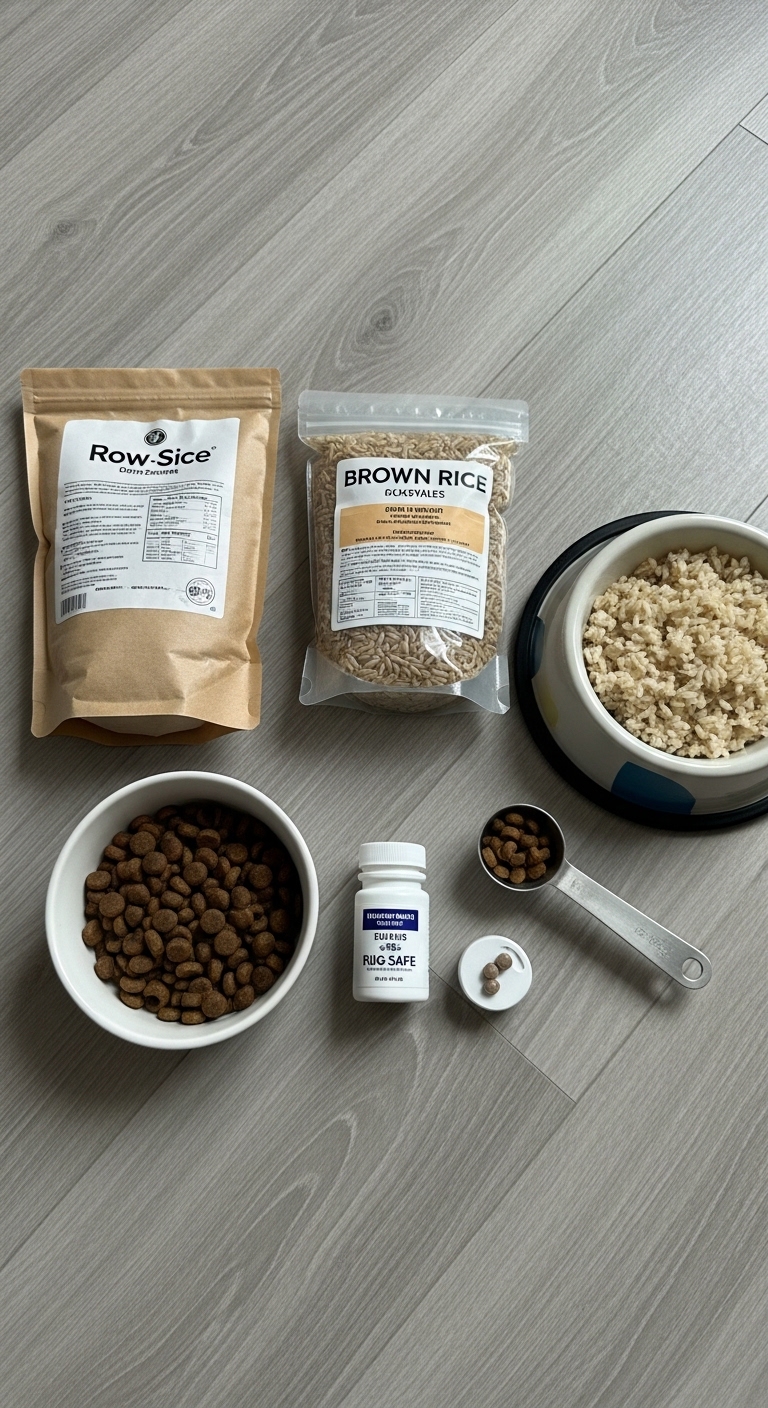
A common mistake pet owners make is assuming brown rice can replace a complete dog food. While it’s a healthy addition, it shouldn’t be the main component of your dog’s diet. Another oversight is feeding brown rice too quickly after switching their food, which can lead to stomach issues. If your dog has never eaten rice before, start with small portions and monitor their reaction closely.
Daily care habits
Adding a small amount of plain brown rice to your dog’s meal a few times a week can provide extra fiber and energy. It’s especially useful for dogs with mild digestive issues or those recovering from an upset stomach. Just remember to keep portions small: about a quarter cup for a medium-sized dog is plenty. Mix it in with their regular food to avoid sudden dietary changes.
Choosing the right product
If you’re buying brown rice for your dog, opt for organic or high-quality brands to avoid pesticides or additives. Plain, unprocessed brown rice is the best choice, as flavored or instant varieties often contain harmful ingredients. Check the label for any added preservatives or seasonings that could upset your dog’s stomach.
Safety and comfort
Always serve brown rice plain and cooked thoroughly. Undercooked rice can be hard for dogs to digest, while overcooked rice may become sticky and cause choking hazards. Cool the rice completely before serving to prevent burns. If your dog has diabetes or weight issues, consult your vet before adding brown rice to their diet, as it’s higher in carbs than white rice.
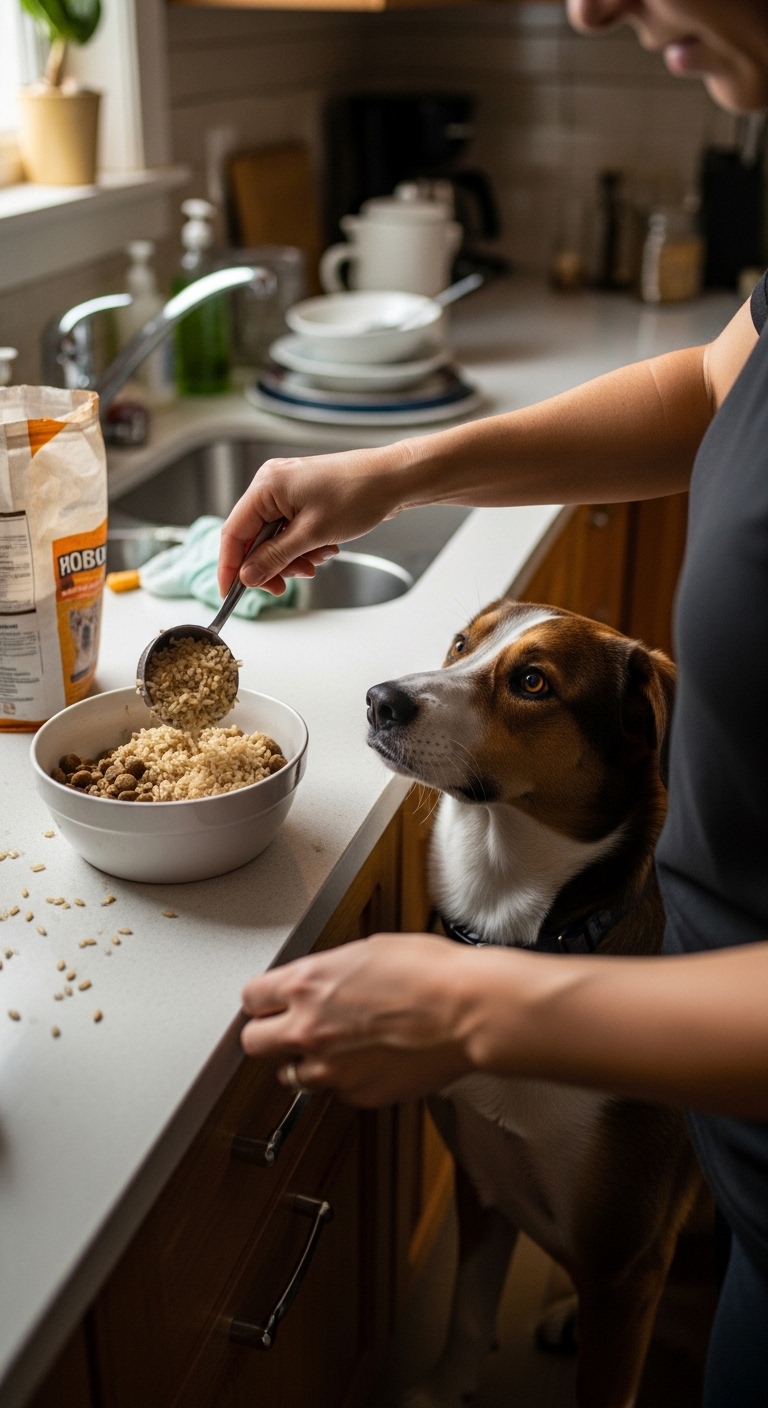
When in doubt, keep it simple. Plain brown rice can be a great occasional treat for your dog, but it’s not a cure-all for dietary problems.
Frequently Asked Questions
- → Is brown rice safe for all dogs?
Brown rice is safe for most dogs, but those with grain allergies or sensitivities should avoid it. Always introduce new foods gradually and consult your vet if unsure.
- → How should I prepare brown rice for my dog?
Cook brown rice plain without salt, oil, or seasoning. Boil it in water until fully tender, then cool before serving. Mix with their regular food or serve as a small treat.
- → Can brown rice help with my dog’s digestion?
Yes, the fiber in brown rice can aid digestion and help regulate bowel movements. It’s often recommended for dogs with mild digestive issues or diarrhea.
- → How much brown rice can I give my dog?
Start with small amounts, such as 1-2 tablespoons mixed into their meal. Adjust based on your dog’s size and tolerance—too much can cause stomach upset.
- → Can puppies eat brown rice?
Yes, puppies can eat plain cooked brown rice in moderation. It provides gentle fiber and nutrients, but ensure it’s part of a balanced diet tailored to their growth needs.
- → What are the benefits of brown rice for dogs?
Brown rice is rich in fiber, B vitamins, magnesium, and phosphorus. It supports digestion, provides energy, and can be a low-fat alternative to other grains.