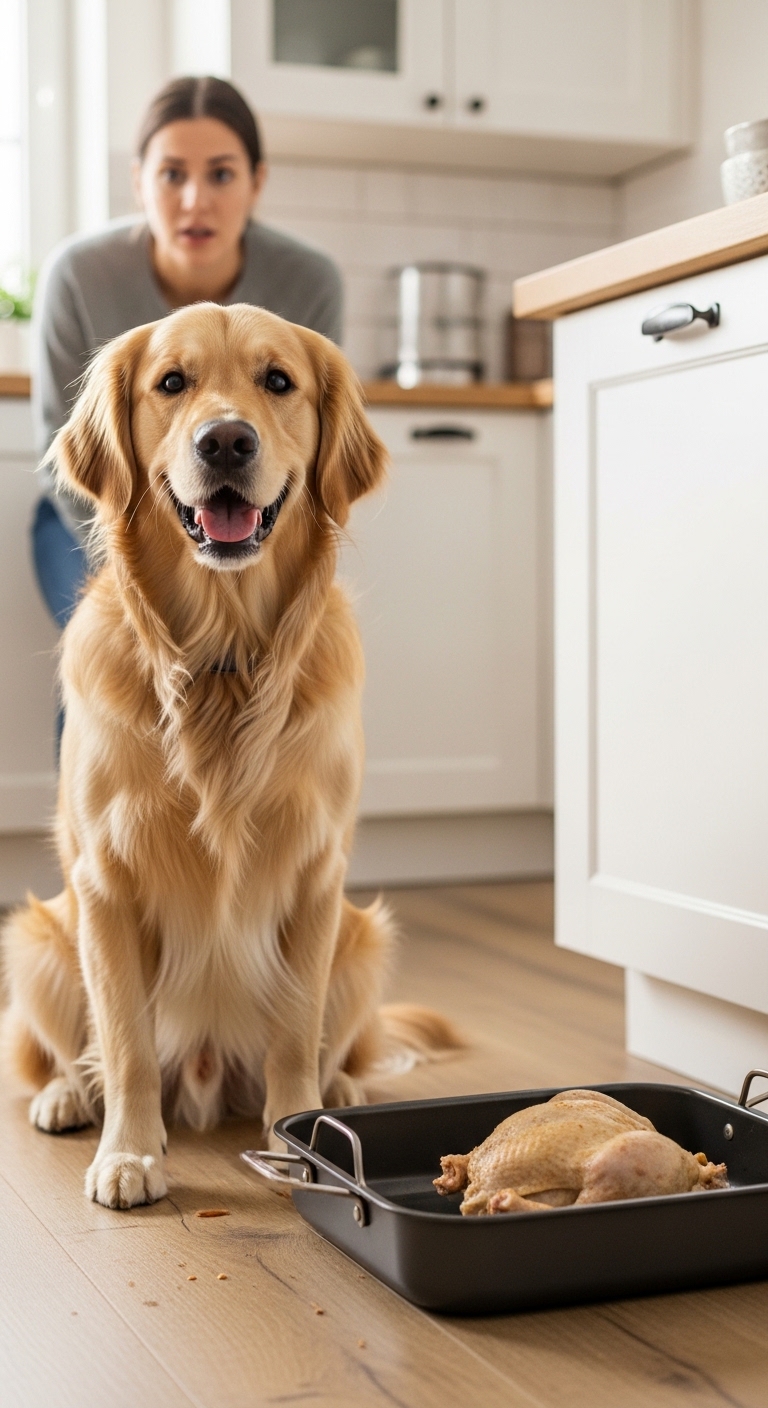
Kale might seem like a superfood for humans, but can dogs eat it safely? Many pet owners wonder if sharing this leafy green with their furry friends is a good idea. After all, dogs have different digestive systems, and not all human foods are safe for them. Understanding whether kale is okay for dogs and in what amounts can help you make better choices for their diet and avoid potential health issues.
I remember when my neighbor gave her dog a big handful of raw kale, thinking it was healthy. Within hours, the dog had an upset stomach. That’s why it’s so important to know the facts before sharing human food with pets.
Key Things to Understand
- Kale contains oxalates: which can cause kidney or bladder stones in dogs if eaten in large amounts
- Raw kale is harder for dogs to digest: and may lead to stomach upset or vomiting
- Cooked kale is easier on a dog’s stomach: but should still be given in moderation
- Small amounts of kale can be a healthy occasional treat: due to its vitamins and fiber
- Some dogs may have allergies or sensitivities to kale: so introduce it slowly
What to Look For
Watch for signs that your dog tolerates kale well after eating it. A healthy response means no vomiting, diarrhea, or excessive gas within 24 hours. If your dog shows these symptoms, it’s best to avoid kale in the future. Also, observe their energy levels and appetite. If they seem lethargic or refuse food after eating kale, it could be a sign of a bad reaction.
Pay attention to how your dog chews kale. Large, tough pieces can pose a choking hazard, especially for smaller breeds. If you’re giving kale as a treat, chop it finely or steam it to soften the texture. This makes it easier for your dog to eat and digest without risk.
Another thing to check is your dog’s overall diet. If they already eat a balanced commercial dog food, adding kale might not be necessary and could even unbalance their nutrition. Always consider the big picture of their diet before introducing new foods.
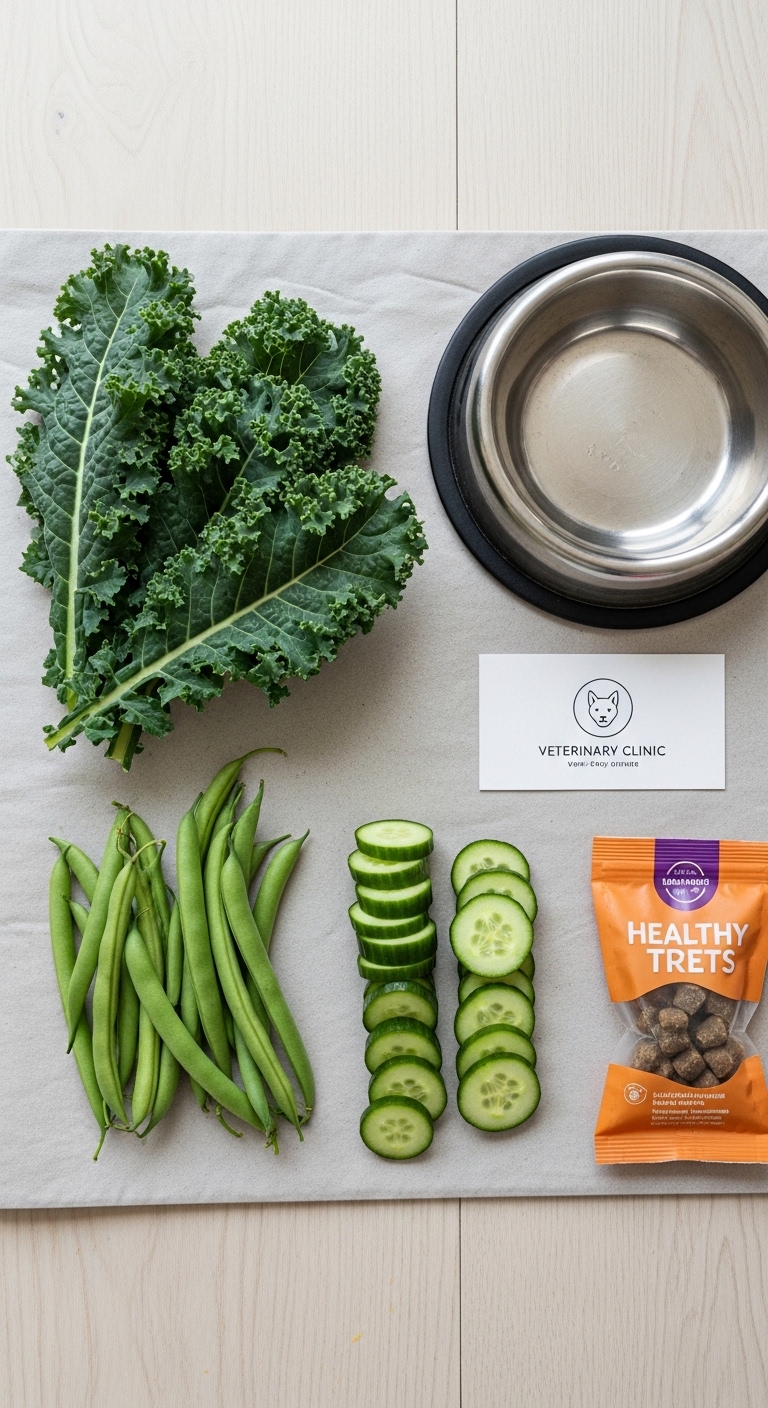
I once saw a dog owner feed their pup a whole bunch of kale stems, thinking it was fine. The dog ended up with a blockage that required surgery. Always remove tough stems and chop the leaves into small pieces. Also, if your dog has a history of digestive issues, it’s safer to skip kale altogether. When in doubt, ask your vet before introducing any new food.
Healthy Alternatives
If you’re looking for other healthy treats, consider options like carrots or green beans, which are gentler on a dog’s stomach. Always introduce new foods one at a time and in small quantities to avoid overwhelming their system.
Feeding Guidelines
And remember, treats should make up no more than 10% of your dog’s daily calorie intake.
Final Considerations
Kale isn’t toxic to dogs, but it’s not entirely risk-free either. If you choose to give it to your dog, do so sparingly and always prepare it properly.
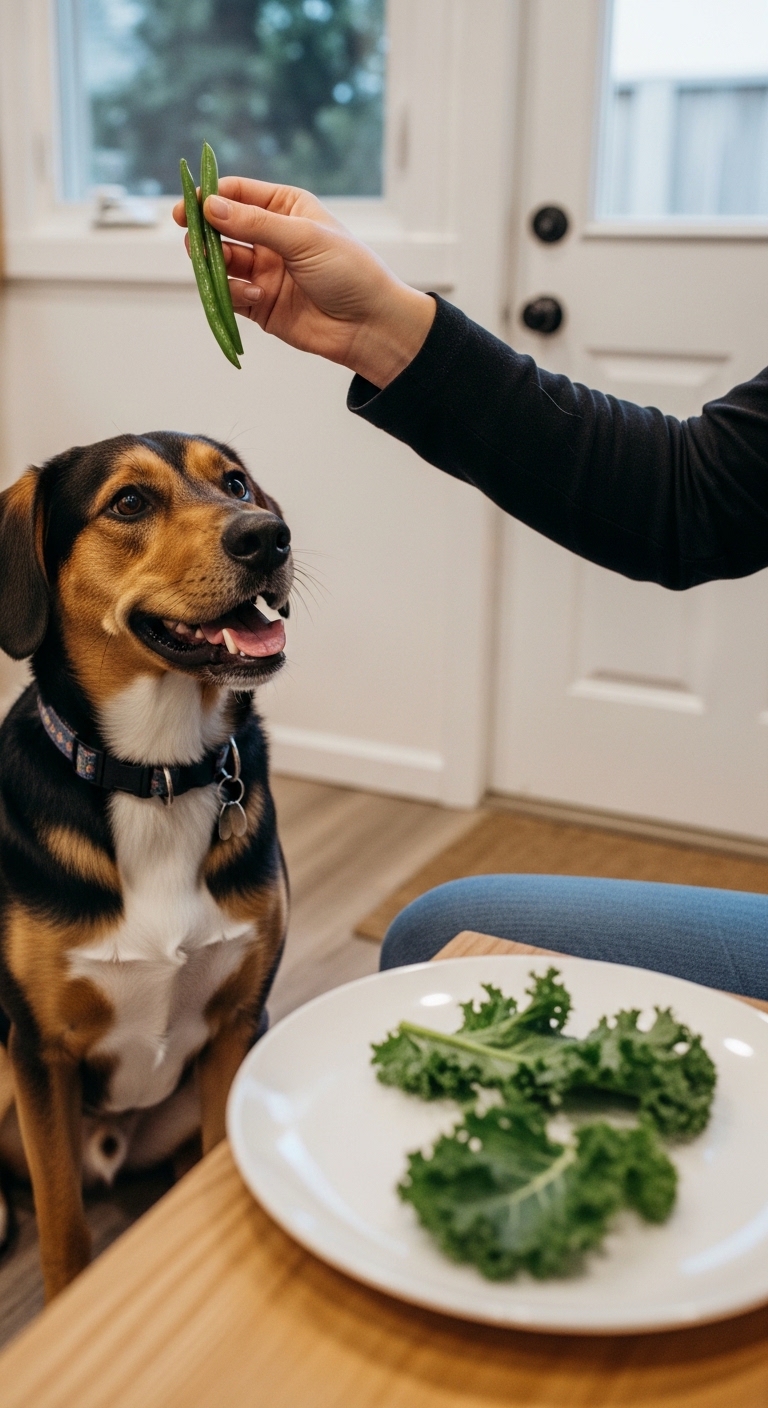
For most dogs, a few small pieces of cooked or steamed kale once in a while is enough to provide some nutrients without causing problems. If your dog has any health conditions, check with your vet first to be safe.
Frequently Asked Questions
- → Is kale safe for all dogs?
While kale is generally safe for most dogs in moderation, it may not suit dogs with kidney issues, bladder stones, or digestive sensitivities. Always introduce new foods slowly and consult your vet if your dog has health concerns.
- → How much kale can I give my dog?
Start with a small amount, such as a teaspoon for small dogs or a tablespoon for larger breeds, mixed into their regular food. Too much kale can cause digestive upset due to its high fiber content.
- → Can I feed my dog raw kale?
Raw kale can be tough for dogs to digest and may pose a choking hazard. Lightly steaming or chopping it finely makes it easier for your dog to eat and digest safely.
- → What are the benefits of kale for dogs?
Kale is rich in vitamins A, C, and K, as well as antioxidants, which support your dog’s immune system, skin health, and overall well-being. It also provides fiber for digestive health.
- → Are there any risks to feeding kale to dogs?
Yes, excessive kale consumption can lead to digestive issues like gas or bloating. The oxalates in kale may also contribute to kidney or bladder stones in some dogs, so moderation is key.
- → How should I prepare kale for my dog?
Wash kale thoroughly to remove pesticides or dirt. Remove stems and chop leaves finely. Lightly steam or cook kale to improve digestibility, and avoid adding any seasonings like salt or garlic.