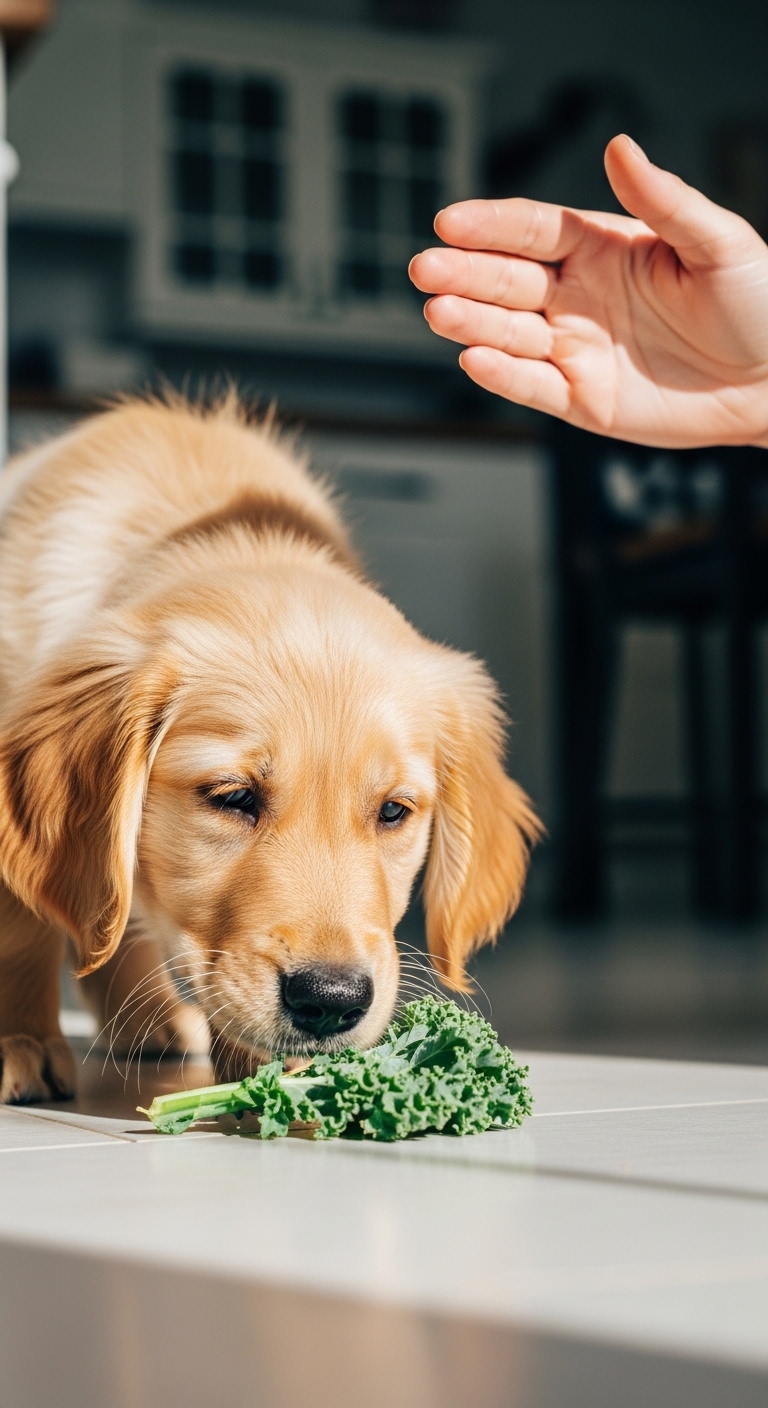
Can dogs eat chickpeas? It’s a question many pet owners ask when looking for healthy, budget-friendly snacks for their furry friends. Chickpeas are packed with protein, fiber, and essential vitamins, making them a tempting option, but are they safe for dogs? Before you toss a handful to your pup, it’s worth understanding how these legumes fit into a canine diet.
Chickpeas can be a great occasional treat, but they’re not a one-size-fits-all solution. Some dogs digest them just fine, while others might struggle with gas or stomach upset. Knowing the right way to serve them (cooked, plain, and in moderation) can make a big difference in your dog’s health and happiness. Think of it this way: just because a food is healthy for humans doesn’t always mean it’s safe for dogs. Chickpeas are a perfect example of why pet owners need to do their homework before sharing human food with their pups.
Key Things to Understand
- Chickpeas are safe for dogs in moderation: but should never replace a balanced diet
- Raw chickpeas are hard to digest: and can cause choking hazards or blockages
- Cooked, plain chickpeas without seasoning: are the best option for dogs
- Too many chickpeas can lead to gas, bloating, or diarrhea: due to their high fiber content
- Some dogs may have allergies or sensitivities to legumes: so introduce them slowly
- Always consult your vet: before adding new foods to your dog’s diet, especially if they have health conditions
What to Look For
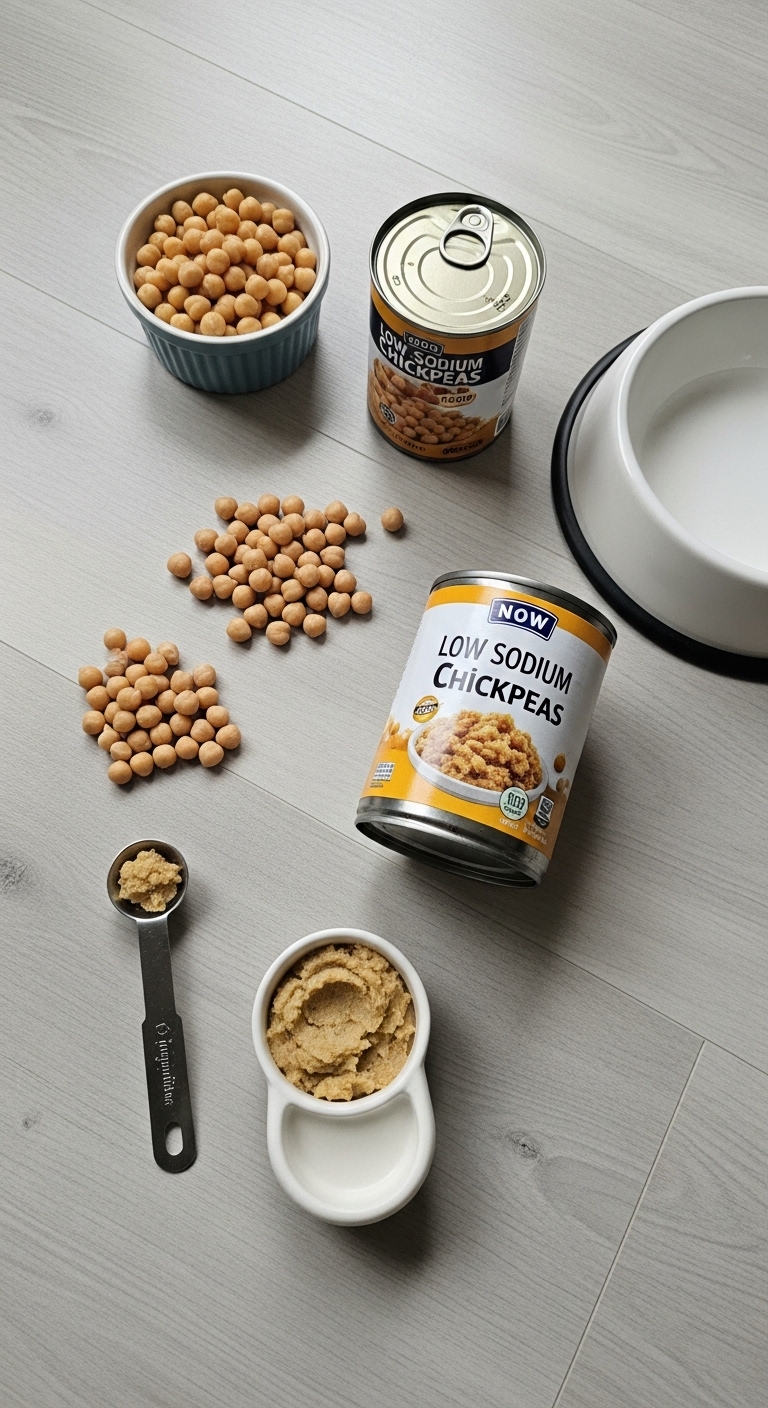
When considering chickpeas for your dog, pay attention to how they react after eating them. A small amount of plain, cooked chickpeas should be fine for most dogs, but watch for signs of discomfort like excessive gas, vomiting, or loose stools. If your dog has never had chickpeas before, start with just one or two and observe their reaction over the next 24 hours. Some dogs may tolerate them well, while others might need to avoid them entirely. Also, check the ingredients if you’re using canned chickpeas. Many brands add salt, garlic, or other seasonings that can be harmful to dogs. Plain, rinsed chickpeas are always the safest choice. If you’re unsure, boiling fresh chickpeas at home is the most reliable way to ensure they’re safe for your pup.
In my experience, many pet owners assume that because chickpeas are a plant-based protein, they’re automatically safe for dogs. But the truth is, some dogs just don’t handle legumes well. I once had a client whose dog kept getting stomachaches after eating chickpeas, only to realize the dog was sensitive to them. Switching to a different treat solved the problem completely.
How to Serve Chickpeas Safely
Start with a single chickpea as a test to see how your dog reacts before offering more. Mash or puree chickpeas for small dogs to prevent choking. Mix a few chickpeas into your dog’s regular food for a fiber boost, but keep portions tiny.
When to Avoid Chickpeas
Chickpeas can be a healthy, low-calorie snack for dogs when given correctly, but they’re not a miracle food. Always prioritize your dog’s regular diet and treats first. If you’re looking for variety, chickpeas can be a fun occasional addition but never the main course.
Final Considerations
When in doubt, stick to dog-specific treats or foods recommended by your vet. Your pup’s health is always the top priority, and while chickpeas can be a great occasional snack, they’re not worth the risk if your dog doesn’t tolerate them well.
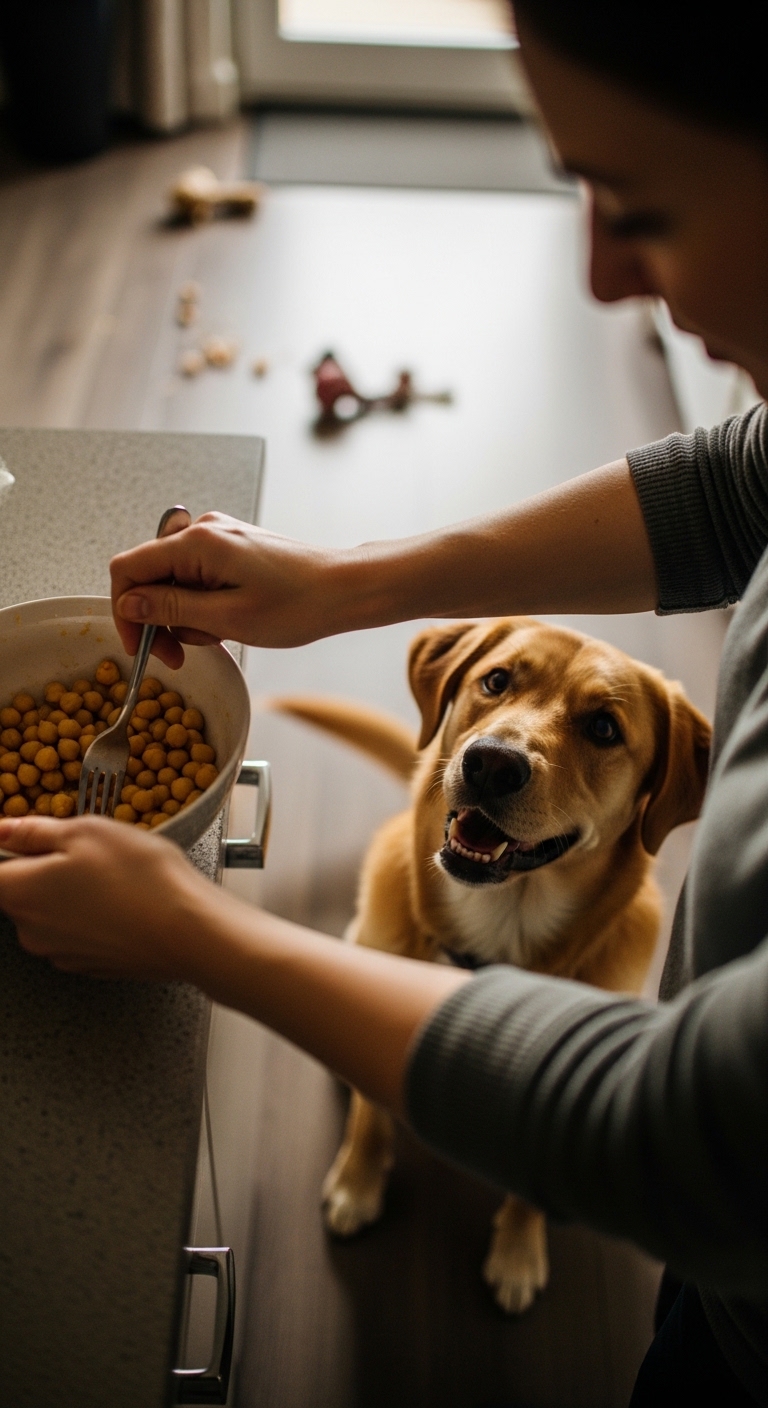
Chickpeas can be a healthy, low-calorie snack for dogs when given correctly, but they’re not a miracle food.
Frequently Asked Questions
- → Are chickpeas safe for all dogs?
Chickpeas are generally safe for most dogs, but individual tolerance varies. Dogs with digestive issues, diabetes, or allergies should avoid them unless approved by a vet. Always introduce new foods slowly to check for adverse reactions.
- → How should I prepare chickpeas for my dog?
Cook plain chickpeas without salt, spices, or oil. Avoid canned varieties with preservatives. Mash or puree them for easier digestion, and remove the outer skin to prevent choking. Serve in moderation as a treat or food topper.
- → Can puppies eat chickpeas?
Puppies can eat chickpeas in small amounts, but their digestive systems are sensitive. Introduce them gradually and consult your vet to ensure they align with your puppy’s dietary needs. Avoid feeding chickpeas as a primary food source.
- → What are the benefits of chickpeas for dogs?
Chickpeas provide plant-based protein, fiber, and essential nutrients like folate and iron. They support muscle health, digestion, and energy levels. Their low-fat content also makes them a healthy treat option for overweight dogs.
- → How many chickpeas can I give my dog?
Start with a few chickpeas (1-2 teaspoons) as a treat and monitor your dog’s reaction. For small dogs, limit to 1-2 chickpeas per day; larger dogs can have up to 2-3 tablespoons. Overfeeding can lead to gas or diarrhea.
- → Can dogs with kidney issues eat chickpeas?
Dogs with kidney problems should avoid chickpeas due to their high protein and phosphorus content, which can strain the kidneys. Consult your vet for a diet tailored to your dog’s health condition.