Can dogs eat nectarines? It’s a question that pops up when you’re enjoying a juicy summer snack and your pup gives you those big, hopeful eyes. While nectarines aren’t toxic to dogs, there are some important things to consider before sharing this sweet fruit. Knowing the right way to offer nectarines can keep your dog safe and happy without any unwanted tummy troubles.
I remember the first time I gave my dog a tiny piece of nectarine, he loved it, but the next day he had loose stools. That’s when I realized even “safe” human foods need to be introduced carefully.
Key Things to Understand
- Nectarines are not toxic to dogs but should be given in moderation: The flesh is safe but high in sugar, so it’s best as an occasional treat.
- The pit, leaves, and stems contain cyanide: These must never be eaten.
- Some dogs may have sensitive stomachs: They may react even to small amounts.
- Always remove the pit and cut the fruit: Cut into small, bite-sized pieces.
What to Look For
When offering nectarines to your dog, start with a tiny piece to see how they react. Watch for signs of digestive upset like vomiting, diarrhea, or excessive gas within the next 24 hours. If your dog tolerates it well, you can gradually increase the portion size, but keep it small, think a few small cubes rather than a whole slice. Pay attention to their energy levels and stool consistency after eating nectarines, as some dogs may experience blood sugar spikes due to the natural sugars.
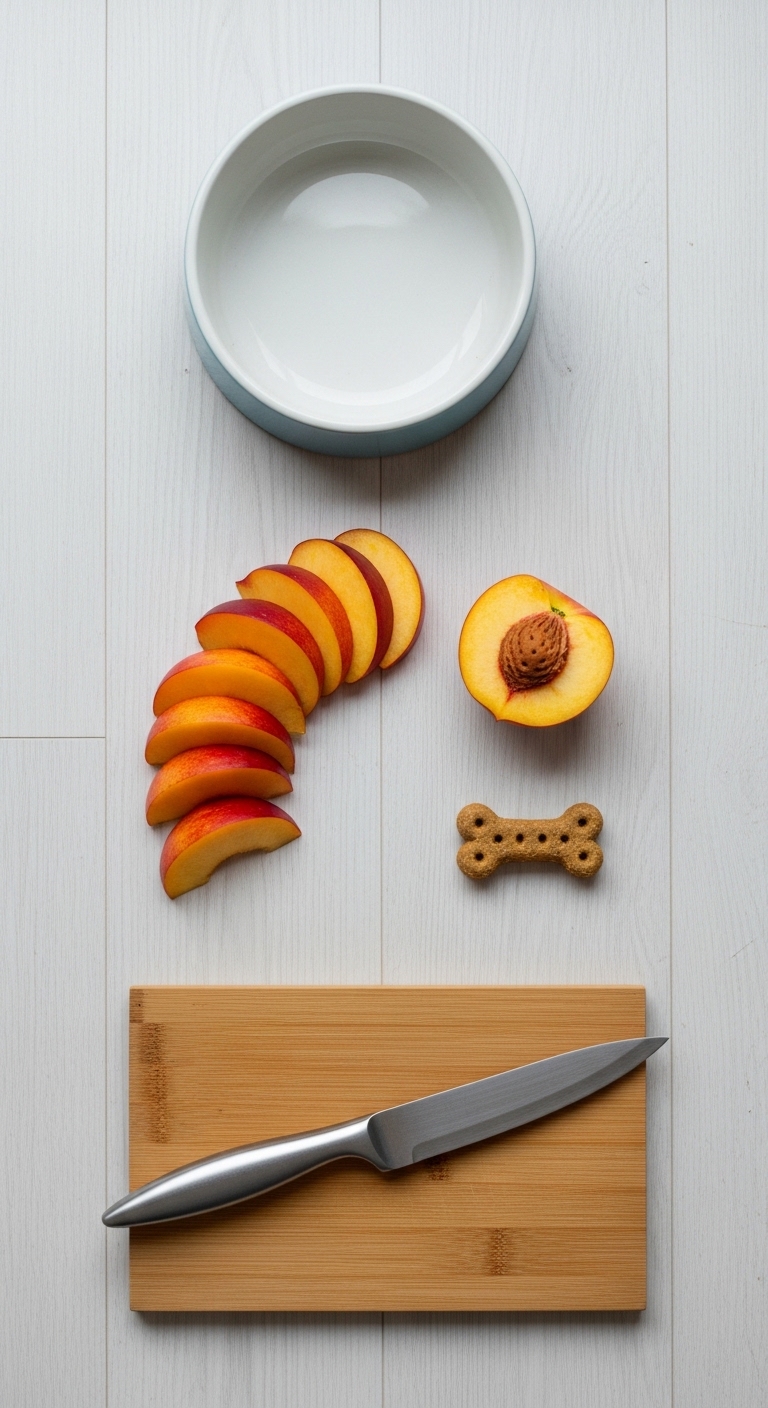
I once saw a dog owner give their pup a whole nectarine, pit and all. The dog ended up needing emergency surgery to remove the obstruction, it was a scary and expensive lesson. Always supervise your dog when introducing new foods and keep dangerous parts out of reach.
Daily care habits
If you decide to give your dog nectarines, make it part of a balanced routine. Offer them as a reward during training sessions or mix small pieces into their regular food for a special treat. Avoid giving nectarines right before or after intense exercise to prevent stomach upset. Keep a close eye on your dog’s weight, as the natural sugars in nectarines can add up if given too often.
Choosing the right product
When buying nectarines for your dog, opt for organic whenever possible to reduce pesticide exposure. Wash the fruit thoroughly under running water to remove any dirt or chemicals on the skin. Choose ripe but firm nectarines, as overly soft ones may ferment and cause digestive issues. Avoid nectarines that are bruised or moldy, as these can harbor harmful bacteria.
Safety and comfort
Always supervise your dog while they’re eating nectarines to prevent choking on large pieces. If your dog is small or a fast eater, cut the fruit into very small pieces or mash it slightly to make it easier to swallow. Store uneaten nectarines in the fridge and discard any leftovers after 24 hours to prevent spoilage. If your dog shows signs of discomfort like drooling, gagging, or pawing at their mouth, they may have a piece stuck, check their mouth gently and contact your vet if needed.

Always prioritize your dog’s safety and well-being when introducing new foods.
Frequently Asked Questions
- → Are nectarines safe for all dogs?
Nectarines are generally safe for most dogs in small amounts, but individual sensitivities can vary. Always introduce new foods gradually and monitor your dog for any adverse reactions like itching, swelling, or digestive issues.
- → How much nectarine can I give my dog?
Start with a small piece, about the size of a pea, to test your dog’s tolerance. For larger dogs, a few small slices (no more than 1-2 teaspoons) can be given occasionally. Avoid overfeeding to prevent stomach upset from the natural sugars and fiber.
- → Can dogs eat nectarine pits or leaves?
No, nectarine pits, leaves, and stems contain cyanide, which is highly toxic to dogs. Always remove these parts before feeding nectarines to your pet to avoid poisoning.
- → What are the benefits of feeding nectarines to dogs?
Nectarines provide vitamins A and C, fiber, and antioxidants, which support your dog’s immune system, skin health, and digestion. However, they should only be given as an occasional treat due to their sugar content.
- → What should I do if my dog eats a nectarine pit?
If your dog swallows a nectarine pit, monitor them closely for signs of choking, intestinal blockage, or cyanide poisoning (such as vomiting, lethargy, or difficulty breathing). Contact your vet immediately if you notice any concerning symptoms.
- → Can diabetic dogs eat nectarines?
Nectarines contain natural sugars, so they may not be suitable for dogs with diabetes. Consult your veterinarian before offering nectarines or any new food to a diabetic dog to avoid blood sugar spikes.
- → How should I prepare nectarines for my dog?
Wash the nectarine thoroughly to remove pesticides or wax. Remove the pit, leaves, and stem, then cut the flesh into small, bite-sized pieces. Serve plain without any added sugars, spices, or toppings.