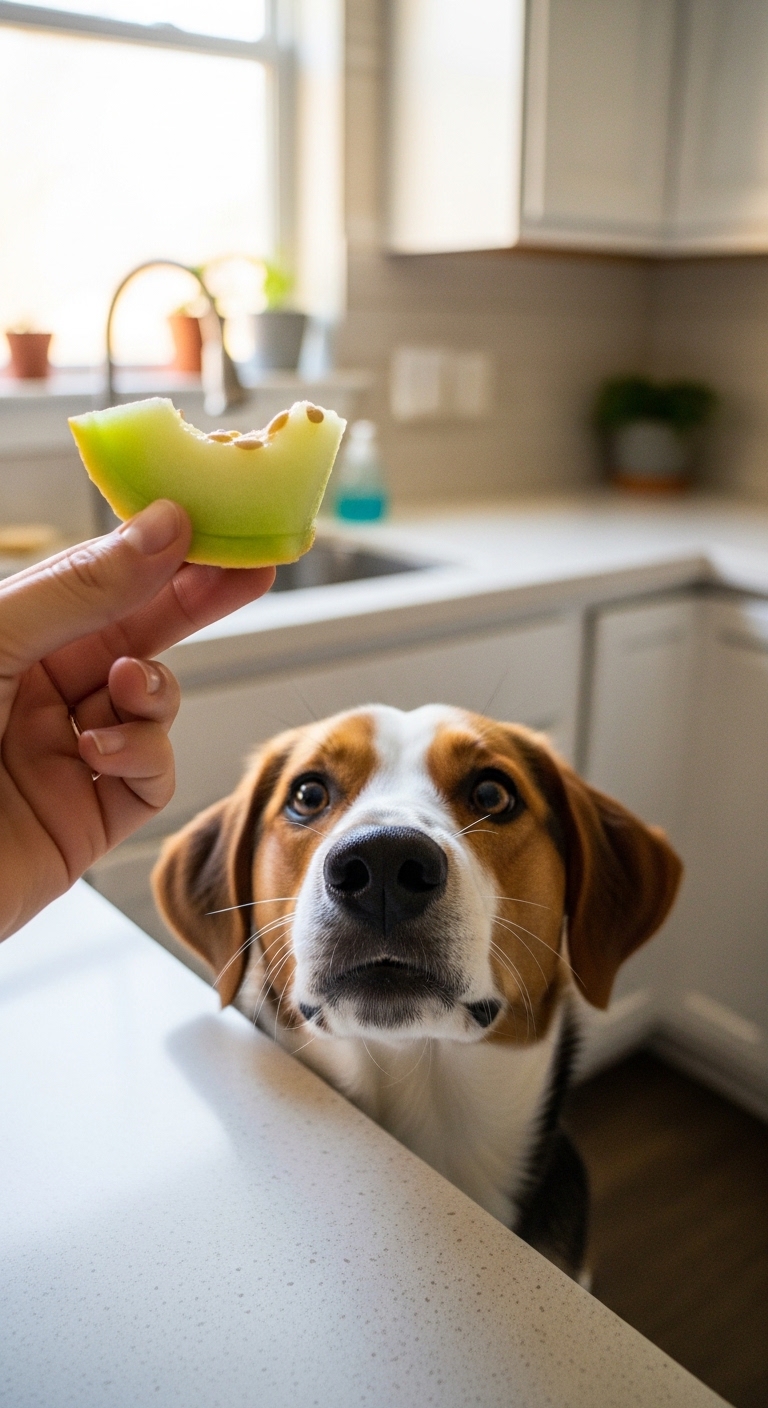
Can dogs eat seaweed? It’s a question many pet owners ask, especially when they see their pup eyeing a snack left on the beach or a sushi wrapper. Seaweed isn’t just a human superfood: it’s packed with nutrients like iodine, vitamins, and minerals that could benefit dogs too. But before you toss a piece their way, it’s important to know the risks and rewards. Some types of seaweed are safe in small amounts, while others can be dangerous. Getting this right could mean adding a healthy treat to your dog’s diet or avoiding a trip to the vet.
I’ve seen dogs go crazy for dried seaweed snacks meant for humans, but not all of them tolerate it well. One of my neighbor’s dogs once ate a whole sheet of nori and spent the next day looking pretty miserable. That’s why I always recommend starting with tiny amounts and watching closely.
Key Things to Understand
- Seaweed varieties: Seaweed comes in many forms like nori sheets, wakame, dulse, and kelp. Nori is the safest for dogs because it’s dried and plain. Wakame and dulse can also be safe in small amounts but may cause mild stomach upset. Kelp, especially in large amounts, can lead to iodine toxicity because it’s so concentrated.
- Preparation matters: Plain, unsalted, and unseasoned seaweed is the only kind you should consider. Seasonings like garlic, salt, or soy sauce are toxic to dogs and can cause serious health issues.
- Human snacks aren’t safe: Dried seaweed snacks meant for humans often contain additives that aren’t safe for dogs. Even if the seaweed itself is fine, these extras can be harmful.
- Moderation is key: Seaweed should only be given as an occasional treat, not a daily food. Too much can lead to digestive problems or nutrient imbalances.
- Choking risk: Watch for signs of choking or blockages, especially with thick or large pieces. Dogs can swallow seaweed quickly, and it might not break down easily in their stomach.
What to Look For
When considering seaweed for your dog, focus on the type and preparation first. Nori, the kind used in sushi rolls, is usually the safest because it’s thin, dried, and free of additives. Look for sheets that are plain, without any seasoning or oils. If you’re unsure, plain roasted seaweed snacks labeled for pets can be a safer bet than human versions. Avoid anything labeled “wasabi” or “spicy,” as these contain ingredients that can upset your dog’s stomach or even be toxic.
Next, check the ingredients list carefully. Even if the seaweed itself is fine, human-grade products often include salt, garlic powder, or other flavorings that are dangerous for dogs. If the label lists anything besides seaweed, it’s best to skip it. Some pet-specific seaweed treats are made with just seaweed and a bit of natural binding agent, which is ideal.
If your dog has never eaten seaweed before, start with a tiny piece no bigger than their pinky nail and observe them for the next 24 hours. Another thing to watch for is how your dog reacts after eating seaweed. Some dogs digest it fine, while others might develop loose stools or vomiting. If you notice these signs, it’s a clear indication that seaweed isn’t for them. Also, keep an eye on their energy levels and appetite. If they seem lethargic or refuse food after eating seaweed, it could signal a more serious issue like an upset stomach or even a blockage if they swallowed a large piece.
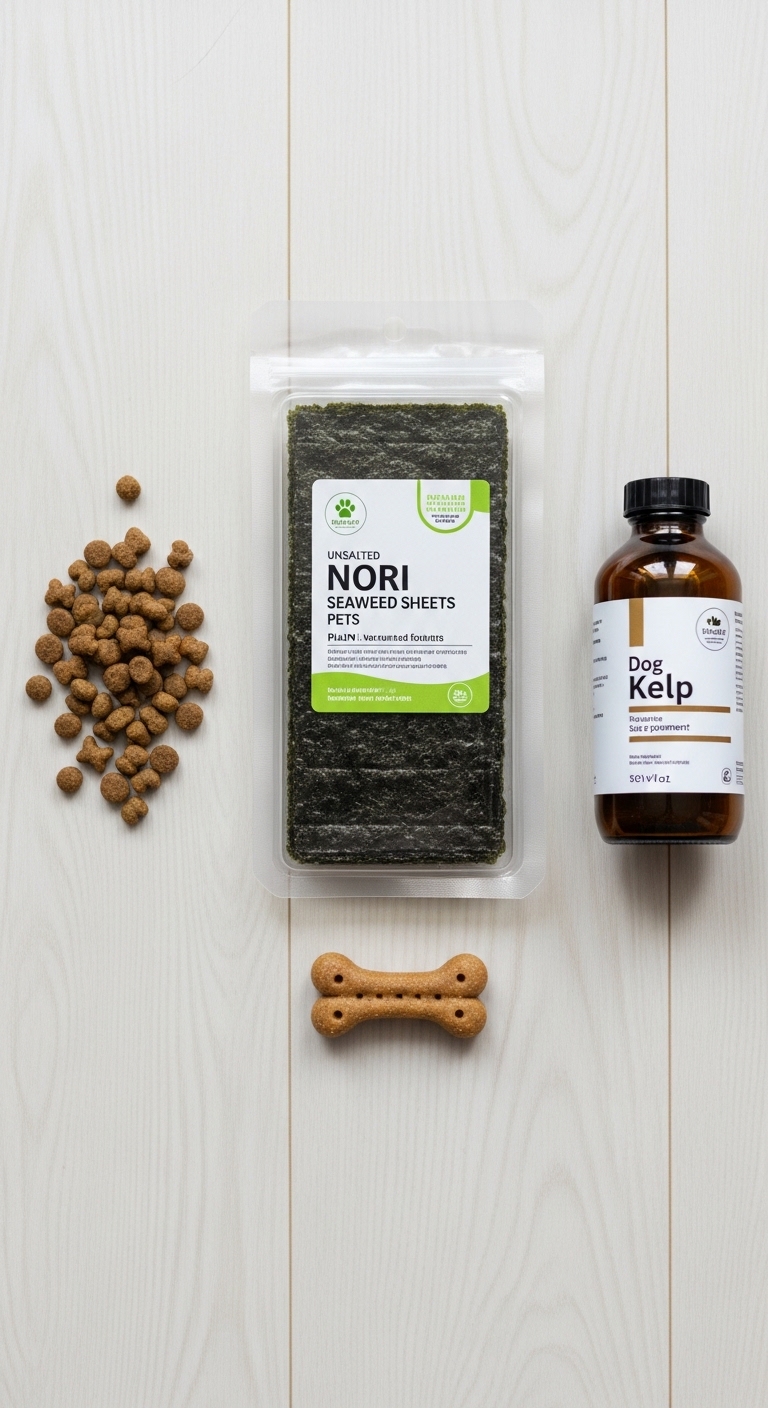
I once had a friend whose dog ate an entire pack of dried seaweed snacks while she was at work. By the time she got home, the dog was lethargic and had diarrhea. A quick call to the vet confirmed it was just an upset stomach, but it was a good reminder that even “safe” treats can cause trouble if overdone. Another common mistake is assuming all seaweed is the same. Kelp supplements, for example, are often marketed for dogs but can contain dangerously high levels of iodine. Always check the label and consult your vet if you’re unsure.
Daily Care Habits
If you decide to give your dog seaweed, make it part of a balanced routine. Offer it as a training treat or crumble small pieces over their regular food for added nutrients. Keep seaweed treats separate from their main meals to avoid overfeeding. If you live near the coast, be cautious about letting your dog eat wild seaweed washed up on shore. Some types can be contaminated with pollutants or parasites, making them unsafe. Always supervise your dog when introducing new foods, including seaweed, to monitor their reaction.
Choosing the Right Product
When shopping for seaweed treats, opt for products specifically made for pets. These are usually free of additives and come in sizes appropriate for dogs. If you’re using human-grade nori sheets, tear them into tiny, manageable pieces to prevent choking. Avoid seaweed snacks labeled as “crunchy” or “spicy,” as these often contain seasonings that are harmful to dogs. For dogs with sensitive stomachs, look for organic or minimally processed options to reduce the risk of digestive upset.
Safety and Comfort
Seaweed can be a choking hazard, especially for small dogs or those who gulp their food. To minimize risk, break seaweed into small, flat pieces that are easy to chew and swallow. If your dog has a habit of swallowing treats whole, seaweed might not be the best option. Also, be mindful of the salt content. Even plain seaweed can contain trace amounts of sodium, which can add up if given frequently. Stick to occasional servings to keep sodium intake in check.

Seaweed can be a nutritious occasional treat for dogs if chosen and prepared carefully. Always prioritize safety and moderation to keep your pup happy and healthy.
Frequently Asked Questions
- → Is seaweed safe for all dogs?
Not all dogs should eat seaweed. While plain, dried seaweed like nori or wakame is generally safe in small amounts, dogs with thyroid conditions, allergies, or sensitive stomachs may react poorly. Always consult your vet before introducing new foods, especially if your dog has pre-existing health issues.
- → What are the benefits of seaweed for dogs?
Seaweed is packed with nutrients like iodine, iron, calcium, and omega-3 fatty acids, which can support your dog’s immune system, skin, coat health, and thyroid function. It may also aid digestion and provide antioxidants. However, these benefits depend on the type and amount given.
- → How much seaweed can I give my dog?
Start with a very small piece—about the size of your dog’s pinky nail—and observe for 24 hours. For small dogs, a tiny flake is enough; larger breeds can have a small strip of plain nori. Avoid exceeding 1-2% of their daily caloric intake, as too much can cause digestive upset or thyroid imbalances.
- → What types of seaweed are toxic to dogs?
Avoid seaweed snacks meant for humans, as they often contain salt, garlic, or spices. Also steer clear of wild-harvested seaweed from polluted waters, which may contain heavy metals. Never give dogs kelp or bladderwrack supplements without vet approval, as they are high in iodine and can disrupt thyroid function.
- → What should I do if my dog eats too much seaweed?
Monitor for symptoms like vomiting, diarrhea, lethargy, or excessive thirst. If your dog shows signs of distress, contact your vet immediately. For large ingestions, induce vomiting only if instructed by a professional, as some seaweed types can cause obstructions or severe reactions.
- → Can puppies eat seaweed?
Puppies have sensitive digestive systems, so it’s best to avoid seaweed until they’re older. If you want to introduce it, wait until they’re at least 6 months old and start with an extremely small amount. Always prioritize a balanced puppy diet and consult your vet first.